

A crash on the Brooklyn - Queens Expressway or a rear-end collision along Grand Concourse can derail your life in seconds. For decades, injured New York ers relied on a familiar legal standard to recover compensation for their pain and disruption. However, New York auto accident litigation recently underwent its most significant transformation in a generation. As a top NYC personal injury lawyer, our firm helps injured clients make sense of these major statutory shifts every single day. Key Takeaways Part EE of Chapter 58 of the Laws of 2026 officially repealed the 90/180-day temporary disability category under Insurance Law Section 5102(d) for all lawsuits filed on or after May 26, 2026. New York requires objective proof for serious injury claims, but allows either quantitative measurements or qualitative assessment with objective basis; MRI plus goniometer/inclinometer testing is not mandatory in every case. New York retains pure comparative negligence generally under CPLR §1411(a); modified comparative fault with >50% bar applies only to non-economic damages in motor vehicle cases under new §1411(b), not all car accident damages. Insurance Law Section 5104(d) establishes a $100,000 cap on non-economic damages for at-fault injured persons in serious injury cases who operated uninsured vehicles, drove while impaired and were convicted, or committed felonies and were convicted. Under Part EE of Chapter 58 of the Laws of 2026, the New York State Legislature officially repealed the 90/180-day temporary disability category from Insurance Law Section 5102(d). According to the New York State Department of Financial Services in Insurance Circular Letter No. 3 issued on July 1, 2026, this change took effect for all actions commenced on or after May 26, 2026. Therefore, accident victims can no longer rely on temporary lifestyle limitations to pursue compensation for non-economic loss. This ultimate guide walks you through the revised legal framework. You will learn why lawmakers enacted this change, how courts now evaluate serious physical harm, and what steps you must take immediately after a crash to protect your rights. Understanding the Repeal of the 90/180-Day Rule New York operates as a no-fault auto insurance state. Your personal injury protection benefits cover medical bills and basic lost wages regardless of fault. However, you cannot sue a careless driver for pain and suffering unless your injuries meet the threshold defined in Insurance Law Section 5102(d). Historically, the 90/180-day rule offered a crucial pathway for injured individuals. A claimant could satisfy the threshold by proving a medically determined injury prevented them from performing substantially all customary daily activities for 90 out of the 180 days immediately following the crash. Insurance defense attorneys frequently targeted this category during litigation. Consequently, the Legislature eliminated the provision entirely to curtail soft-tissue claims. If your crash occurred recently and your lawsuit began on or after May 26, 2026, this traditional avenue no longer exists. Remaining Categories Under the Serious Injury Threshold Because lawmakers abolished the temporary disability standard, motor vehicle collision victims must satisfy one of the remaining statutory categories. Recovering non-economic damages now demands verifiable objective clinical findings under the surviving categories. To pursue compensation for pain and suffering, your medical proof must satisfy at least one of the following definitions: Death resulting from the motor vehicle collision. Dismemberment or significant disfigurement, such as severe surgical scarring. A bone fracture confirmed through diagnostic radiography. Loss of a fetus. Permanent loss of use of a body organ, member, function, or system. Permanent consequential limitation of use of a body organ or member. Significant limitation of use of a body function or system. In practice, most contested claims now center on significant limitations or permanent consequential limitations involving the spine, shoulders, knees, or brain. Proving these injuries requires sophisticated documentation and expert legal advocacy. Documenting Objective Medical Proof After a Crash Subjective complaints of discomfort no longer hold weight in New York courtrooms. Establishing a significant or permanent consequential limitation demands objective clinical findings. Quantitative Versus Qualitative Medical Evidence Courts require objective diagnostic tools to corroborate your symptoms. For instance, orthopedic specialists must utilize devices such as goniometers or inclinometers to record exact percentage reductions in your range of motion. Comparing your restricted mobility against normal physiological ranges gives the court concrete numerical proof. Qualitative assessments also play a vital role. A treating physician must provide an authoritative medical narrative explaining how your structural injuries limit your physical capabilities. When your doctor pairs these observations with advanced imaging, your case gains substantial credibility. The Indispensable Role of Advanced Diagnostic Imaging MRIs, CT scans, and electrodiagnostic nerve studies provide the backbone of modern threshold litigation. For example, if you suffer herniated discs in a Queens car crash, a radiologist must identify the structural disc pathology on an MRI film. Also, your physician must connect that structural abnormality directly to your measured physical limitations. Defense medical examiners routinely argue that spinal disc bulges stem from age-related degeneration rather than traumatic impact. Therefore, your medical team must explicitly distinguish traumatic injury from preexisting conditions in your formal records. New Procedural Sequence for Fault and Injury Determinations The legislative reform package reshaped the procedural roadmap of motor vehicle trials across New York State. The New York State Department of Financial Services emphasized that amendments to Insurance Law Section 5104(a) create a specific sequence for resolving claims. Under this statutory mandate, a court cannot fix liability for non-economic loss, nor can prejudgment interest begin to accrue, until the trier of fact resolves two distinct questions in order: The jury must first establish fault and determine the defendant driver acted negligently. The jury must subsequently confirm that the plaintiff sustained a qualifying serious injury under Section 5102(d). This statutory sequencing alters trial presentation. If our Queens car accident attorneys take a multi-vehicle collision before a jury, we must first secure a liability verdict before the court addresses non-economic damage awards. This structure prevents juries from conflating severe physical harm with clear liability. Modified Comparative Fault and New Statutory Damage Caps Along with changing the injury threshold, the 2026 legislation restructured fault allocation and financial recoveries. These sweeping modifications demand careful strategic planning from the outset of every claim. The Shift to Modified Comparative Negligence For half a century, New York observed a pure comparative fault standard under Civil Practice Law and Rules Section 1411. A claimant could recover damages even if they bore the majority of responsibility for an accident. Lawmakers officially amended CPLR Section 1411 for auto accident claims. New York retains pure comparative negligence generally under CPLR §1411(a); modified comparative fault with >50% bar applies only to non-economic damages in motor vehicle cases under new §1411(b), not all car accident damages. Consequently, if an insurance adjuster or defense attorney convinces a jury that you were 51 percent responsible for a crash, you recover nothing for your pain and suffering. Early accident reconstruction and thorough witness interviews have become critical tools to disprove comparative fault allegations. Statutory Caps Under Insurance Law Section 5104(d) The legislature also established a strict limitation on recoveries for certain at-fault motorists. Analysis of the addition of Insurance Law Section 5104(d) indicates it imposes a statutory cap of $100,000 on non-economic damages for specific claimants. This $100,000 limitation restricts injured motorists who bear partial fault and fall into any of the following categories at the time of the crash: Operating an uninsured motor vehicle with a coverage lapse exceeding 30 days. Driving while intoxicated or driving while ability impaired by drugs or alcohol. Operating a motor vehicle during the commission of a felony. These severe statutory restrictions reflect a deliberate effort to hold culpable motorists accountable while limiting insurer exposure across the state. Heightened Defense Motion Practice and Early Dismissals Insurance carriers have adjusted their defense tactics in response to the statutory repeal. Defense attorneys now utilize aggressive summary judgment motions to eliminate subjective injury claims before trial. In past years, plaintiffs could survive summary judgment by presenting sworn affidavits asserting they missed three months of work or daily routines. Because the 90/180-day category no longer exists, judges regularly grant defense dismissals when cases lack objective clinical findings. To withstand these legal challenges, our legal team works alongside your treating doctors from day one. We ensure that every medical evaluation contains quantifiable testing, contemporaneous records, and clear causal analysis linking your symptoms directly to the crash. Strategic Action Plan for Injured New Yorkers Navigating an insurance claim after a serious collision requires immediate, disciplined action. If you suffered harm on New York roadways, taking proactive measures will protect your physical recovery and legal standing. First, seek immediate emergency medical attention. Gaps in care give insurance carriers an excuse to argue that your physical limitations arose from unrelated events. Visiting an emergency room or urgent care center creates an immediate written record of traumatic injury. Next, attend every recommended physical therapy, chiropractic, or orthopedic appointment. Unexplained gaps in treatment allow defense counsel to claim that your condition resolved or lacked severity. If you cannot attend a session due to financial or personal hardship, inform your physician so they can note the reason in your chart. Finally, retain skilled legal counsel before providing recorded statements to insurance adjusters. Adjusters often ask leading questions designed to elicit subjective descriptions rather than objective findings. Having an advocate handle communications ensures you avoid critical missteps during the claims process. Frequently Asked Questions What was the 90/180-day rule in New York car accident cases? The 90/180-day rule allowed injured victims to qualify for pain and suffering damages by showing a medically determined injury prevented them from performing their normal daily activities for at least 90 of the first 180 days after a crash. Part EE of Chapter 58 of the Laws of 2026 repealed this category for all lawsuits filed on or after May 26, 2026. Can I still file a personal injury claim for soft-tissue injuries? Yes, you can still pursue a claim for soft-tissue injuries such as herniated discs or torn ligaments. However, you must prove the condition constitutes a significant limitation or permanent consequential limitation. This requires objective diagnostic imaging and quantitative range-of-motion testing rather than subjective pain reports. How does the new modified comparative fault rule affect my case? Under the amended CPLR Section 1411, you cannot recover any non-economic damages if a jury finds you more than 50 percent responsible for the collision. If your fault is 50 percent or less, your total financial award is reduced in proportion to your share of responsibility. What objective medical testing is required to meet the serious injury threshold? Courts require objective diagnostic evidence, including MRIs, CT scans, X-rays, and electrodiagnostic tests. Additionally, treating doctors must quantitatively document joint or spinal mobility restrictions using measurement instruments such as goniometers or inclinometers during clinical examinations. Protecting Your Rights Under New York Law The elimination of the 90/180-day rule marks a new era in New York motor vehicle accident litigation. Proving serious physical trauma now requires higher standards of objective proof, diligent record-keeping, and strategic legal preparation. When facing these evolving statutory hurdles, partnering with an experienced NYC personal injury lawyer ensures your case receives the thorough documentation required to secure justice and full financial recovery. Sources New York State Department of Financial Services, Insurance Circular Letter No. 3 (2026): Implementation of Part EE of Chapter 58 of the Laws of 2026 This article was drafted with AI assistance. Please verify all claims and information for accuracy. The content is for informational purposes only and does not constitute professional advice. Free Case Consultation Injured in an accident? Speak directly with an experienced NYC personal injury attorney at Rosenberg, Minc, Falkoff & Wolff. Your consultation is free, confidential, and risk-free. Start Your Free Case Review No obligation - No upfront fees - You don't pay unless we win Follow RMFW Law for legal insights and case results: Facebook Instagram X Pinterest Yelp YouTube Gary Silverstein Gary Silverstein has been a partner of Rosenberg, Minc, Falkoff & Wolff since 2001, and an associate of the firm since 1989. Mr. Silverstein graduated with a Bachelor of Science degree from State University of New York College at Oneonta in 1983. Mr. Silverstein holds a degree of Juris Doctor from the University of Miami School of Law, having graduated in 1988.
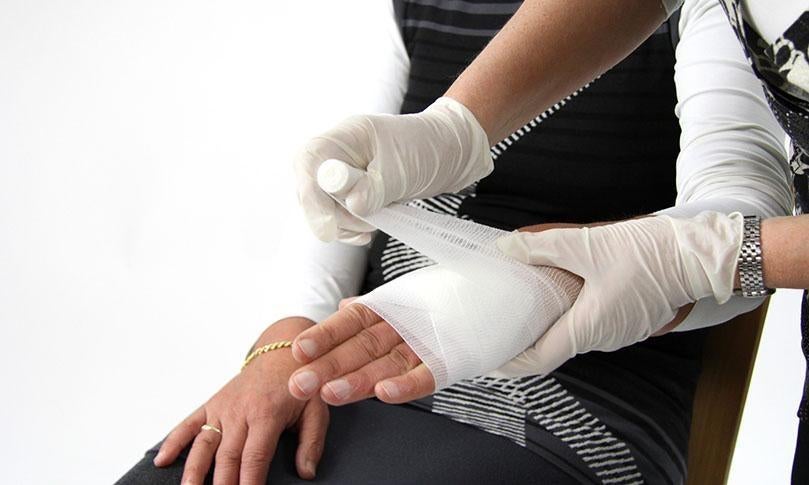
Scarring And Disfigurement Injury Claims in New York
With the advancements in medical technology, it is now possible to treat most injuries that may be caused during an accident. However, some injuries are so grave that they may lead to scarring and disfigurement. While this term generally refers to physical injuries such as burns or amputation, it could also be used to indicate emotional scars left after the accident, which often take far longer to heal. With the advancements in medical technology, it is now possible to treat most injuries that may be caused during an accident. However, some injuries are so grave that they may lead to scarring and disfigurement. While this term generally refers to physical injuries such as burns or amputation, it could also be used to indicate emotional scars left after the accident, which often take far longer to heal. What Causes Physical Scars? When you are injured in an accident in New York, the medical treatment you receive will serve to close the wound. As this wound heals, the new skin which grows in that region often has a texture and color that is different from the original skin. Based on several factors such as how severe the injury was, the type of wound, and the treatment that was given, the scar may ultimately fade away and merge with the original skin color and texture or stay unaffected. Scarring and disfigurement injuries in New York are most commonly caused due to: Animal attacks Vehicle accidents Accidents involving heavy machinery Falls on construction sites Burns Fires Explosions Cuts and scrapes Surgical procedures Defective products In most victims, scars that were initially thick and red do heal with time and leave a very faint or almost no trace of the injury. However, in some people, the collagen of the wounded tissue may grow outside the skin, leading to the formation of keloids. In others, a hypertrophic scar may develop, which appears as a raised, red bump in the skin of the injured area. Facial scars often have an unsightly appearance and if they get discolored or thicken with time, they often lead to a distortion of the individual’s facial appearance. If the accident involved strong impact with foreign objects, there can be traumatic tattooing – a condition in which the foreign object gets lodged within the victim’s skin. In persons with severe scarring, especially on the face, the limbs, or the chest, the doctor may recommend laser treatment or dermabrasion or a surgical procedure to modify the appearance. The success of these procedures depends on the nature of the scar. What is Disfigurement? When an individual’s appearance is affected due to a burn, a scar, missing body parts, or oddly shaped body parts, it is known as disfigurement. As scar tissue is considerably less flexible compared to normal tissue, a person with severe scarring of the lower extremities may also find their mobility is limited. Besides the physical discomfort and possible disability that disfigurement could cause, there is also the major issue of psychological suffering that is caused due to the impaired appearance. While this is true for any individual, it could be even more traumatic for persons whose occupations require them to have an attractive appearance. Examples of Injuries That Cause Scarring and Disfigurement Scarring and disfigurement are generally the outcomes of the following types of injuries: Burns: Third-degree and fourth-degree burns are known to cause severe injuries to the muscle and nerves and despite extensive surgery, the victim may be left with permanent scars. Facial injuries: Vehicle accidents that lead to bruises, cuts, and lacerations on the face or broken facial bones or a broken nose are likely to cause disfigurement and scarring that is a huge source of embarrassment to the victim. Amputation injuries: Accidents in which there is severe damage to the limbs may leave the doctor with no alternative to amputation to save the patient’s life. Loss of limb is an example of a permanent disfigurement that is likely to cause a severe negative body image despite the fitting of a prosthetic. Animal bites: Injuries arising from bites of dogs and other animals can damage the soft tissues especially in children, causing severe scarring. Reconstructive Surgery: Solution to Scarring and Disfigurement In the more severe cases of scarring and disfigurement, it may be advisable for the affected person to undergo plastic or reconstructive surgery. Scar revision surgery works well with superficial scars that are discolored and thick. Laser technology can be used to address these issues. However, for the deeper and more disfiguring injuries in which the facial architecture has been greatly damaged, the surgeon may advise an extensive facial restoration. This involves procedures to remove the scars and tissue rearrangement to rebalance the facial appearance. The more advanced techniques of facial reconstructive surgery also make use of computer imaging to create a new facial framework to replace the damaged facial bones. Any blemishes that remain following a scar revision surgery will have to be concealed using makeup techniques. Depending on the nature of the issue, these procedures may be able to either completely solve the problem or at least provide some relief from the disfigurement. However, it is important to understand that such surgery involves a huge element of risk besides being quite expensive. The best way to offset the risk is to make sure you receive monetary compensation for your injuries so that you can consult the best cosmetic surgeons to help you overcome the scarring and disfigurement you have suffered for no fault of your own. Therefore, you should talk to a skilled scarring and disfigurement injury lawyer in New York. Scarring After Cosmetic Surgery: Medical Malpractice If the scarring is the result of a cosmetic surgery that went awry, you are entitled to file a medical malpractice case against the surgeon who performed the surgery. To be able to recover damages in such a case, you will need to prove that the actions of the plastic surgeon were not in accordance with the established norm for such surgeries and that this failure of the surgeon led to your scarring or disfigurement. Generally, it is easier to recover damages in personal injury claims as compared to medical malpractice cases. How to Build Records of a Scar or Disfigurement? Documentation of a scar or disfigurement plays an important role in building a strong case to fetch you the compensation you deserve. Soon after you seek medical treatment for your injury, ensure that the scar has been prominently mentioned in the medical records. The records must give details of the nature of the scarring or disfigurement, with a note on whether it will affect your mobility as well as a projection of how it is expected to heal over time. If you have consulted a doctor about having the scar removed, that must be documented too, with details of the doctor’s opinion and advice. Most cases of scarring and disfigurement result in a considerable emotional and psychological impact on the victim. Whether the scar is minor or major, it can play havoc with the individual’s self-esteem. In cases where the victim is in an occupation where a presentable appearance is very important, the disfigurement is likely to lead to a loss of employment too. If you have faced mental health issues such as anxiety or depression or post-traumatic stress disorder as a result of the scarring or disfigurement injury, it is important to consult a psychologist or psychiatrist for help in dealing with those issues. Keeping records of these meetings and bills of the expenses incurred for such consultations can be vital to proving the long-term emotional effects of your disfigurement or scarring injury. What Damages Can Be Claimed for Scarring and Disfigurement in New York City? If you have sustained scarring or disfigurement after been injured in an accident due to another party’s negligence, you may be entitled to claim for the following damages: Medical costs related to the treatment both physical and emotional Compensation for the pain as well as suffering you have undergone due to the physical injury and emotional trauma you suffered Damages to compensate for the financial loss you suffered due to not being able to work following the injury, or for future loss of income due to loss of employment caused by the disfigurement While deciding how much compensation to award, the degree of the scarring or disfigurement will be considered along with the impact of the injury on the victim’s quality of life. Contact Our Scarring and Disfigurement Personal Injury Claims Lawyers in New York If you or a loved one has been in an accident that left behind scars or disfigurement, we understand how devastating an experience you have suffered. At Rosenberg, Minc, Falkoff & Wolff, LLP, our compassionate and competent personal injury attorneys have several years of experience in handling scarring and disfigurement injury claims in NYC. We can help you with not just the legal aspects of seeking rightful compensation, but also with the medical aspects by connecting you to expert doctors who can care for your injuries. Dealing with an injury that causes disfigurement and scarring can be so much more difficult than recovering from an ordinary injury. It is important that you focus your energy on your recovery while our expert personal injury lawyers take care of pursuing your legal rights to receive the compensation you rightfully deserve. To know more about how we can help you claim damages for your scarring and disfigurement injury in New York, call us today at 212-344-1000 or contact us online for a free and confidential case review. Gary Silverstein Gary Silverstein has been a partner of Rosenberg, Minc, Falkoff & Wolff since 2001, and an associate of the firm since 1989. Mr. Silverstein graduated with a Bachelor of Science degree from State University of New York College at Oneonta in 1983. Mr. Silverstein holds a degree of Juris Doctor from the University of Miami School of Law, having graduated in 1988.