
Request Free Consultation

Please fill out the form below for your free consultation or call us at 646-480-0830.

Request Free Consultation

No Fee Unless We Win

Blog / Motorcycle Accidents

Blog

All Motorcycle Accidents Personal Injury Car Accidents Construction Accidents Personal Injury FAQs Legal Terminology Testimonials Truck Accidents Bus Accidents Pedestrian Accidents Premises Liability Bicycle Accidents Slip and Fall Workers' Compensation Wrongful Death Train Accidents Brain Injury Spinal Injuries Catastrophic Injuries Burn Injury Automobile Accident Injuries Elevator Accidents Premises Injuries Airplane Accidents Articles Firm News Resources Brooklyn Medical Malpractice Overview New York City Car Accident Statistics News Dog Bites Featured Testimonials Mass Transit Injuries - Bus/Train Accident Lawyers Scaffold Accidents Boating Accidents Products Liability Queens Medical Malpractice Overview The Bronx Medical Malpractice Overview Hazardous Materials Ski Accidents FAQs Serious Injuries Testimonials SideBar Burn Injuries Negligent Security Scholarship Truck Injuries
ommon Motorcycle Injury

What Is The Most Common Motorcycle Injury?

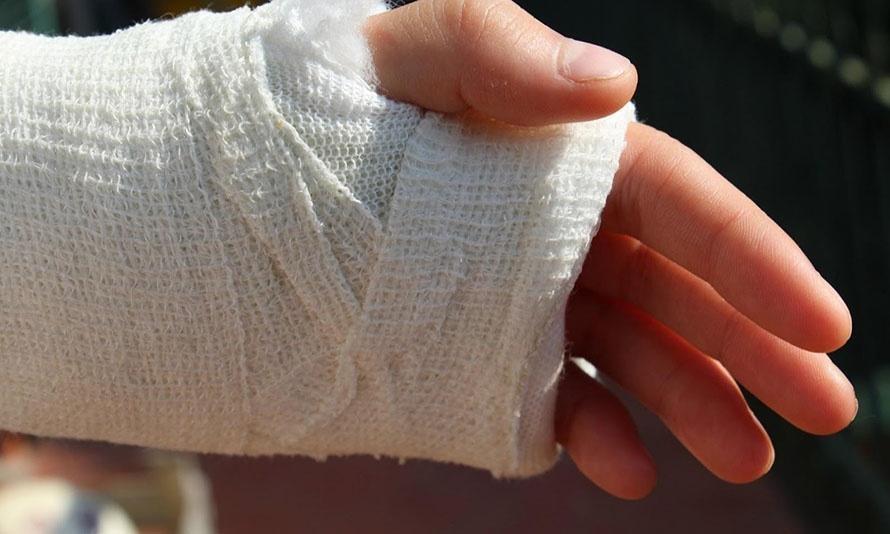
Riding a motorbike is usually a fun and invigorating experience. It's something millions of people all over the world love to do. Moreover, whether you ride some of the biggest superbikes in the world or drive a classic chopper, there are risks associated with riding. A motorcycle offers little to no protection in the case of an accident, meaning that motorcyclists involved in accidents will have injuries that are more severe than those of drivers and passengers in other vehicles. You're entitled to financial compensation for your injuries if you've been injured in a motorcycle accident. A personal injury attorney can help you understand your rights, including legal representation during negotiations, court proceedings, and any appeals, file the necessary paperwork and work with experts to build the most robust case possible. According to NHTSA, most fatalities involving motorcycles result when the front of the bike strikes an object. The amount of compensation that you can claim is directly proportional to the severity of your injuries. Let us look at some of the more common injuries suffered by motorcycle riders in New York. Riding a motorbike is usually a fun and invigorating experience. It's something millions of people all over the world love to do. Moreover, whether you ride some of the biggest superbikes in the world or drive a classic chopper, there are risks associated with riding. A motorcycle offers little to no protection in the case of an accident, meaning that motorcyclists involved in accidents will have injuries that are more severe than those of drivers and passengers in other vehicles. You're entitled to financial compensation for your injuries if you've been injured in a motorcycle accident. A personal injury attorney can help you understand your rights, including legal representation during negotiations, court proceedings, and any appeals, file the necessary paperwork and work with experts to build the most robust case possible. According to NHTSA, most fatalities involving motorcycles result when the front of the bike strikes an object. The amount of compensation that you can claim is directly proportional to the severity of your injuries. Let us look at some of the more common injuries suffered by motorcycle riders in New York. Traumatic Brain Injury Traumatic brain injuries occur when there is damage to the brain from a blow or jolt to the head or from an object penetrating it. This causes severe damage to brain cells and nerve fibers, resulting in permanent disability or death. A traumatic brain injury is one of the worst injuries you can sustain in a motorcycle accident. Without a helmet, the risk of sustaining a life-altering injury is increased by 50%. When a bike crashes, the head is thrown forward during impact, and the sudden deceleration causes the rider's brain to bounce around inside his skull. Traumatic brain injuries are classified as mild, moderate or severe depending on the extent of damage to your brain tissue. Mild TBIs do not cause unconsciousness but do cause confusion, disorientation and memory loss. Moderate TBIs can leave you unconscious for several minutes and can cause long-term effects such as impaired thinking and reasoning ability, memory loss and mood swings. Severe TBIs can result in coma and death if not treated immediately after the accident. Spinal Cord Injuries Spinal cord injuries are severe, often life-altering, injuries that require extended recovery and rehabilitation periods. In many cases, the victim's spinal cord injury will never fully heal, leaving them with permanent damage. When someone falls off a motorcycle, they can experience extreme muscle spasms that cause them to fall in unnatural ways, which result in ligament damage and instability of joints in their neck and back. The sudden stop is so intense that the body cannot take the stress. This causes soft tissues and vertebrae to become unstable and tear, resulting in hemorrhaging that leads to paralysis. A motorcyclist may also be pinned or crushed between two objects, causing severe damage to the spine. Depending on the area of the injury, the victim may find that they are unable to walk, cannot use their arms, or cannot move at all. Broken Bones & Fractures Motorcycle accidents can result in broken bones and even serious fractures. Due to their smaller size and lack of protection, motorcyclists are much more likely to suffer broken bones when involved in an accident. Also, if the rider ends up under their bike, there's no way for them to protect themselves from getting crushed by its weight. Wrist fractures often result from handlebars hitting a driver's hands during an accident or a driver trying to brace themselves during impact by putting their hands out in front of them on the pavement. Broken bones can be very painful and cause complications if not treated properly. They can also make it difficult for you to carry out your daily routine, participate in everyday activities or return to work. If you have suffered a broken bone due to a motorcycle accident, you should contact our personal injury attorneys at Rosenberg, Minc, Falkoff & Wolff, LLP immediately so we can begin investigating your case and seek maximum damages from the negligent party on your behalf. Road Rash & Abrasions Road rashes are abrasions and lacerations that occur when a person's skin comes into contact with the asphalt or another hard surface during a motorcycle crash. It results from sliding on the pavement after being thrown from a motorcycle. The severity of road rash can vary widely, depending on how fast you rode before crashing and how long you skidded on the pavement before coming to rest. If you have a road rash on your face, there may be swelling and bruising around the area that may be painful to touch. You may also experience bleeding from minor cuts in your skin caused by gravel or other debris. Though road rash is not typically fatal, it can lead to complications, including skin grafts and permanent scarring. It heals over time with antibiotics and bandages, but if the internal pain lasts longer than a day, consult a doctor immediately. Internal Bleeding Internal bleeding occurs when a person’s blood vessels become injured and bleed. If your accident involved another vehicle or if you were thrown from your bike during the wreck, then it’s possible that internal organs could have been damaged. Some people who have experienced internal bleeding may not even realize they have suffered an injury until hours later. Victims may gradually notice signs and symptoms of internal bleeding such as dizziness, fatigue, nausea and vomiting, pain in their abdomen or chest area, pale skin color and cold hands or feet. Internal bleeding can cause serious medical complications if left untreated as it deprives vital organs and tissues of oxygenated blood required for proper functioning. Injuries to the Lower Extremities Motorcycle accidents frequently result in injuries to the lower extremities, particularly the feet and legs. Direct force is applied to the feet and legs during any impact or fall, often resulting in significant bone fractures, dislocations, and torn ligaments. The nature of a motorcycle accident also puts riders at a higher risk of tissue damage or amputation of the lower extremities than in an automobile accident. All motorcycle riders should wear protective gear such as boots with solid soles and shin guards that protect against direct impacts with asphalt and other surfaces in the event an accident occurs. Steps to Take After a Motorcycle Accident If someone was injured or killed in the accident, call 911 right away. If no one was hurt, but there's extensive property damage, call the police so they can come out and file an incident report on what happened. You'll need this report later when filing your claim with your insurance company. Seek immediate medical treatment. Call 911 or go directly to an emergency room so your injuries can be evaluated and treated as soon as possible. This will help ensure that you receive proper care for your injuries, which will help protect your legal rights. It can also help prevent more severe problems from developing if you do not get immediate treatment for certain types of injuries, such as head trauma or broken bones. Exchange contact information with all parties involved in the crash — drivers and passengers — including their names, addresses, phone numbers, insurance companies and policy numbers. Take photos of any visible damage caused by the crash — including any skid marks left behind on pavement or dirt roads — along with photos documenting your injuries. Take photographs of the scene and vehicles involved as soon as possible after the accident. Pictures can help you recall details about what happened during the crash and provide evidence for your claim when it comes time to file a lawsuit against another driver involved in your accident. Avoid speaking with the insurance company. If an insurance adjuster contacts you after an accident, asks questions about what happened or about your injuries, do not give them any information over the phone. The adjuster's goal is to get information that will help reduce their liability and their payout to you. It would help if you spoke with an attorney before speaking with any insurance company representative or giving them any information about your injuries or damages from the accident. Schedule an Appointment with Our NYC Motorcycle Accident Attorneys While motorcycles may be fun to ride and offer a sense of freedom, they also come with inherent risks. If you or someone you love has been injured in a motorcycle accident, you must speak with a skilled motorcycle attorney at Rosenberg, Minc, Falkoff & Wolff, LLP. Our dedicated and experienced legal team will do everything necessary to help you get the financial recovery you deserve for your injuries. We know how stressful it can be when dealing with a serious injury, so we focus on providing compassionate legal assistance while working diligently to resolve your case as quickly as possible. You can trust that we will fight hard on your behalf to recover compensation for your injuries and pain, and suffering. We will work with you every step of the way to ensure that all of your questions are answered and that all options are explored so that we can achieve the best possible outcome for your case. Call us today at 212-344-1000 or contact us online to schedule a free consultation. Gary Silverstein Gary Silverstein has been a partner of Rosenberg, Minc, Falkoff & Wolff since 2001, and an associate of the firm since 1989. Mr. Silverstein graduated with a Bachelor of Science degree from State University of New York College at Oneonta in 1983. Mr. Silverstein holds a degree of Juris Doctor from the University of Miami School of Law, having graduated in 1988.
FAQs on Motorcycle Accidents in New York City

FAQs on Motorcycle Accidents in New York City

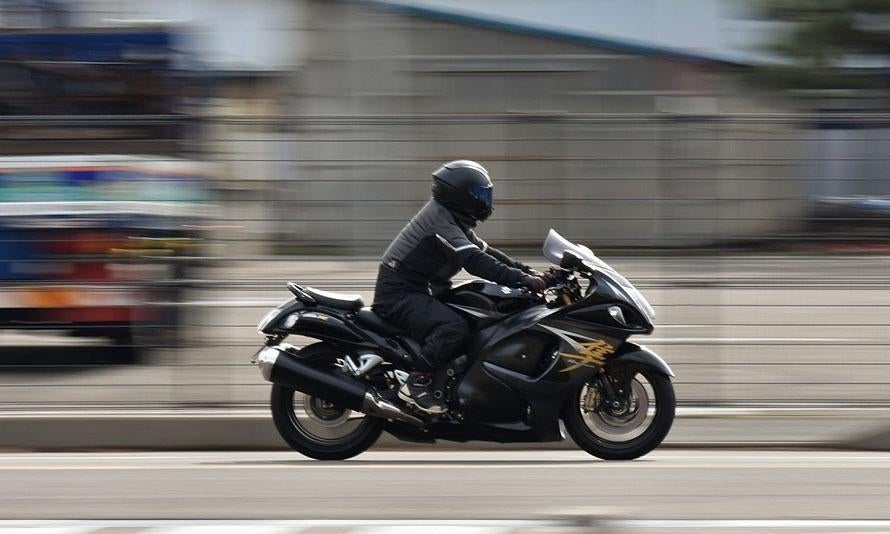
Motorcycle riding has the potential to turn from an enjoyable activity into a tragedy within minutes. The lack of a motor vehicle body to protect them in case of an accident places motorcycle riders in a highly vulnerable position while on the road. While riding a motorcycle, even a seemingly insignificant accident can result in severe injuries to the rider. Motorcycle riding has the potential to turn from an enjoyable activity into a tragedy within minutes. The lack of a motor vehicle body to protect them in case of an accident places motorcycle riders in a highly vulnerable position while on the road. While riding a motorcycle, even a seemingly insignificant accident can result in severe injuries to the rider. Being the victim of a motorcycle accident can prove to be a traumatic and harrowing experience, to say the least. In such a situation, it is normal to feel confused and undecided about what to do next. At Rosenberg, Minc, Falkoff & Wolff, our experienced and knowledgeable New York personal injury lawyers are always available to answer any questions you might have about motorcycle accident injury compensation claims. We have tried to answer some of the most pertinent and frequently asked questions for you below. How Can I Legally Ride a Motorcycle in New York? In New York State, to start riding a motorcycle, you need to apply at an office of the New York State Department of Motor Vehicles, for a motorcycle learner’s permit. Having practiced with your learner’s permit, you need to take a road test or complete a New York State Motorcycle Safety Program that can help waive the road test. Like all other motor vehicles, your motorcycle needs to have a New York registration and title. Additionally, traffic laws require a motorcycle rider to carry the following liability insurance coverage: Bodily injury coverage of $25,000 for the rider Total bodily injury coverage of $50,000 for injuries to multiple people in an accident Death coverage of $50,000 for the rider Death coverage of $100,000 for multiple fatalities in an accident Property damage coverage of $10,000 What is the Law for Wearing Helmets for Motorcyclists in New York? Presently, the New York State law requires all motorcycle riders, including passengers, to always wear helmets while riding. A helmet can prove to be the difference between life and death for a motorcyclist. According to the National Highway Traffic Safety Administration (NHTSA) studies, the lives of 37 % of all riders killed in a crash while riding without a helmet could have been saved if they had been wearing a helmet. What are the Main Causes of Motorcycle Accidents? Some of the common causes for accidents involving motorcycles on our roads are: Speeding Tailgating Running a stop signal Improper lane changes Drunk drivers Door accidents Is It Dangerous to Ride a Motorcycle in New York? There are numerous fatalities and severe injuries amongst the motorcycle riding community in the state of New York every year. Despite the biased popular notion about bikers, most of these accidents are not because of high speeds but the negligence of other motorists. If you are a motorcyclist, you must beware that the real danger in riding comes not from the motorcycle itself but from other negligent drivers and dangerous road conditions. Never forget to wear a helmet while riding, be as watchful as you can be, and always be vigilant about other drivers on the road. Are Motorcycle Accidents Common on New York Roads? According to the National Highway Traffic Safety Administration (NHTSA) 2018 data, motorcycle accidents in New York accounted for the premature death of 149 motorcyclists. Between 2009 and 2018, there have been, on average, 146 deaths per year in motorcycle accidents in New York. In New York, on average, motorcyclist injuries result in 1,558 hospitalizations and 4,458 emergency room visits every year. How Can I Prevent Accidents as a Conscientious Motorcyclist? Both beginners, as well as advanced motorcycle riders, can benefit from the classes offered by the New York State Motorcycle Safety Program, to learn about safe bike riding habits. We list some of these below: Do not tailgate other motor vehicles Use headlights to increase motorcycle visibility, notwithstanding the time of the day Be extra careful when riding on gravel, or slippery surfaces Never mix drinking and riding Learn and practice defensive motorcycle riding skills Who Will Compensate for My Motorcycle Accident Injuries Caused by a Dangerous Road? Apart from a negligent or irresponsible driver, there are some motorcycle accidents where the roads might be the culprit. In such cases where a road hazard, a pothole for instance, causes a motorcycle crash, you may file a claim against the responsible municipality. In New York, any claims where an individual holds a government entity responsible will have special legal requirements. It’s crucial for you to contact a lawyer as soon as possible after the accident. A Defective Part Caused My Motorcycle Accident? What Do I Do? Defective parts or manufacturing faults may be the cause of some motorcycle accidents. You must consult with a personal injury lawyer to determine if you can recover compensation in such cases. A proficient attorney, after due diligence, can help you identify the liable party responsible for the defect that caused the accident, and competently guide you in recovering your rightful damages. What if a Car Forced My Motorcycle Off the Road in a No-Contact Accident? Termed as phantom vehicle accidents, your uninsured motorist insurance covers the damages from such crashes. By default, the law considers an unknown driver as uninsured. Your insurance company may try to pin the blame of the accident on your negligence to minimize their payout, making the pursuance of such a case tricky. You will need an experienced attorney to present the case and absolve you of any negligence or wrongdoing on your part. What if I Crashed My Motorcycle While Riding Without Wearing a Helmet? Since the New York laws make it mandatory to wear a helmet when riding a motorcycle, you can certainly expect a ticket for going against the law. However, the law does not forsake your legal right to fight for compensation because of your failure to wear a helmet. For any injuries suffered by you on other parts of your body, your decision to not wear a helmet is irrelevant. The court might reduce your claim based on comparative negligence if your decision of not wearing a helmet caused some of your injuries. For example, if a jury establishes your responsibility at 30 percent for your failure to wear a helmet, you will receive 70 percent of the compensation awarded. What Do I Need to Do After a Motorcycle Accident? If your injuries in the accident require medical assistance, call 911 immediately and inform the dispatcher of the location and about any other injured people at the accident scene. In case your injuries are not serious, gather as much information at the crash scene as you can. The information you must gather includes photographs of injuries to yourself and the damage to your motorcycle, the contact information of any eye-witnesses present at the scene, pictures of the license plate of the other vehicles, insurance details of the other vehicles, etc. Even if you feel alright and think your injuries are not serious, you must see a physician. Traumatic brain injuries (TBIs) are quite common in motorcycle accidents. These and some other injuries may not display noticeable symptoms at the time but could turn serious later. Make sure to keep records of your medical treatment bills, damages to the property, and loss of income. Hire a competent New York motorcycle accident attorney to review your case and help you protect your legal rights. Is There a Timeframe Within Which I Need to File a Motorcycle Accident Claim? The New York statute of limitations demands that motorcyclists must file a personal injury claim within three years of the date of the accident. In case of the loss of a loved one in a motorcycle accident, the law stipulates two years to file a wrongful death lawsuit from the date of their death. What Is the Amount of Compensation I Should Expect for a Motorcycle Accident? While an ideal compensation for a motorcycle accident is one that covers both your present and future damages, the amount may vary depending on a variety of factors, such as the circumstances of the crash, the seriousness of the injuries, the available insurance coverage, and the damage to property. You can, and should, seek compensation for: Medical bills, past, and future Lost income The repair, or replacement cost, of your motorcycle Pain and suffering Punitive damages, where the injuries and damages resulting from extreme irresponsibility by the other party Call Our Accomplished New York Motorcycle Accident Attorneys You must speak to an experienced New York motorcycle accident attorney immediately if you are the victim of a motorcycle crash. A skilled and insightful lawyer can help you navigate the complicated legal maze of a personal injury claim. When you seek legal counsel from Rosenberg, Minc, Falkoff & Wolff, you will not owe us a legal fee unless we help you win your claim. We work on a contingency fee basis and expect to receive a legal fee only if we settle your case successfully, or help obtain a court award. Our team of lawyers has the necessary expertise to help identify the liable entities, gather critical evidence, prove negligence, and seek the rightful compensation for you. With an experienced New York motorcycle accident lawyer by your side, your chances of recovering the maximum possible damages are very high. C all Rosenberg, Minc, Falkoff & Wolff, LLP today at 212-344-1000 or contact us online for a free and confidential consultation. Gary Silverstein Gary Silverstein has been a partner of Rosenberg, Minc, Falkoff & Wolff since 2001, and an associate of the firm since 1989. Mr. Silverstein graduated with a Bachelor of Science degree from State University of New York College at Oneonta in 1983. Mr. Silverstein holds a degree of Juris Doctor from the University of Miami School of Law, having graduated in 1988.
Safe Motorcycle Riding With a Child Passenger in New York

Safe Motorcycle Riding With a Child Passenger in New York

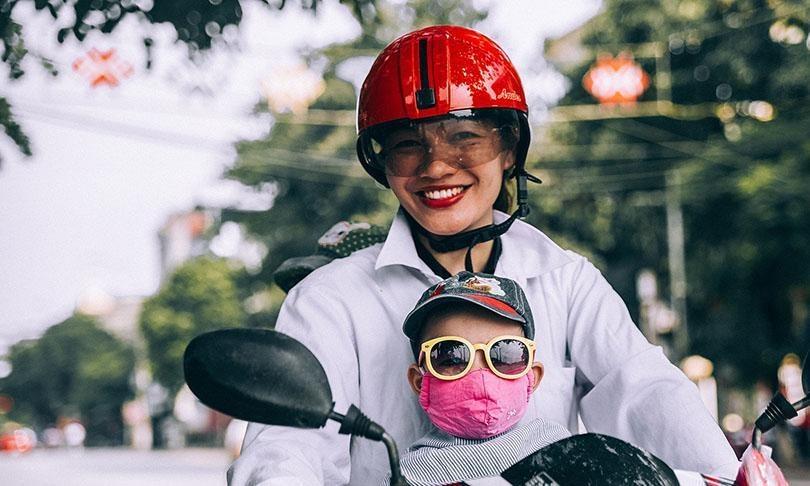
Data from the CDC shows that motor vehicle accidents, including motorcycle crashes, are one of the major causes of the death of children in the US. Despite better roadway management and the latest vehicle crash avoidance systems, motorcycle accidents continue to cause a large number of injuries and fatalities every year. Data from the CDC shows that motor vehicle accidents, including motorcycle crashes, are one of the major causes of the death of children in the US. Despite better roadway management and the latest vehicle crash avoidance systems, motorcycle accidents continue to cause a large number of injuries and fatalities every year. Motorcycle accidents in New York are on the rise and according to most experts, it is risky to ride with children on motorcycles. In the event of a collision, children often suffer fatal or severe traumatic injuries to the brain and spinal cord. Many of these injuries may end up causing permanent disability or brain damage to the child. New York State Laws for Child Passengers on a Motorcycle Like many other states, New York has no rule prohibiting child passengers from riding with an adult on a motorcycle. However, the rules do require that child passengers must be able to place their feet on the footrests and they should be wearing a helmet when traveling with an adult motorcyclist. Although riding a motorcycle with a child passenger is legally permitted in New York, it is important to understand the risks of such travel. When getting into such situations, the onus is on the adult motorcyclist to follow the basic safety measures that ensure the child passenger is protected from danger during the ride. When is it Safe to Ride with a Child Passenger in NYC? Very young children are likely to make sudden movements that may affect the operation of the motorcycle or cause the adult rider to panic and lost control of the bike. They are also likely to fall asleep and fall off the bike. A good rule to follow is to ride only with those child passengers whose feet can connect with the motorcycle’s footrests. Before beginning the ride, make sure you remind the child to keep their feet firmly on the footrests at all times. Child passengers must also be old enough to hold on to either the motorcycle’s handholds or to the adult motorcyclist. They must be capable of understanding the need to keep a firm hold throughout the ride. How to Ride a Motorcycle Safely with a Child Passenger? The safety of the child passenger is the responsibility of the adult who is riding the motorcycle. Here are a few tips to make sure the child is protected while riding with you: Make sure that the motorcycle is fitted with a passenger seat that is of the right size for the child passenger. This is critical to make sure that the child does not feel uncomfortable and fidget around as that can distract the attention of the adult motorcycle rider. Fit the child passenger with a helmet that is a snug fit. Loose-fitting helmets can fly off in the event of a collision, or they may themselves be responsible for an injury. Helmets come in different types such as half-face, full face, and open face. Always choose a full-face helmet for child passengers and make sure to pick a model that comes with a protective bar for the jaw and chin. Dress the child appropriately for the ride. On a motorcycle, there is no protection from the elements unlike in a car, so ensure the child passenger wears a thick leather or denim jacket, preferably with zipped cuffs. Have them wear heavy jeans to cover and protect the legs and use sturdy boots that stretch beyond the ankles to keep the feet protected. Avoid shoes with shoelaces that may get entangled in the motorcycle chain and lead to an accident. Get the motorcycle child passenger to wear leather gloves that can protect the hands. Things to Consider when Buying a Helmet for a Child Passenger Data from the National Highway Traffic Safety Administration shows that helmets have a 37% efficacy when it comes to preventing death in an accident. They are also found to have an effectiveness of 67% in averting injuries to the head. This is crucial because a head injury is highly likely to cause traumatic brain injuries in a motorcycle accident. A helmet provides a cushioning effect that prevents impact to the skull and avoids traumatic injuries that may result in lifelong disability. Here are a few tips on what factors you need to consider when buying a helmet for a child passenger on a motorcycle: Does it meet helmet standards? When you purchase a helmet, make sure it meets the standards for helmets specified by the Department of Transportation (DOT) or the Economic Commission for Europe (ECE). The Snell Memorial Foundation is a non-profit private organization that provides voluntary certification for helmets that meet standards sometimes considered more stringent than the governmental ones. Is it the right fit? It’s crucial that children wear a helmet that fits snugly to provide the necessary protection from head injuries. Some parents choose a larger sized helmet because the child’s head will grow bigger with time and outgrow a well-fitting helmet. This can prove to be shortsighted because a child wearing a large-sized helmet is more likely to suffer an injury in case of a crash. Does it have internal padding? Internal padding gives the cushioning effect to avoid a head injury. In the event of a motorcycle crash, the internal padding will reduce the impact of the child’s head with both the hard exterior of the helmet as well as any exterior surface with which the head may come into forceful contact. Does it provide sufficient facial coverage? Your child may want to use a half-face or modular or open face helmet because it looks cool. A full-face helmet may feel restrictive to a child. However, it is only full-face helmets that provide the necessary protection to child passengers and you must insist they wear only such helmets if they wish to ride with you. Does it have a chin bar? The chin and jaw regions are quite delicate and equally prone to injuries in a motorcycle accident. Make sure the helmet you buy for your child passenger has a bar in place to provide the necessary protection to their jaw and chin in the event of a motorcycle accident. How to Avoid a Child Passenger Falling off the Motorcycle? Young children may easily fall off a moving motorcycle without the adult rider noticing it. The rhythmic motion of the vehicle and the effect of the wind can lull even an older child to sleep, causing them to slump in the seat and either fall or slip off the motorcycle. These events are also more likely to occur if the motorcycle rider applies the brakes suddenly, or performs a swerving maneuver, or accidentally skids. Very young children have small hands that may not be able to hold on to the adult rider firm enough to stay in place on the bike. Here are a few tips to make sure child passengers stay firmly in place when riding with you. Wear a belt with handholds to which the child can hold on. Or attach loops to your jacket belt or pants that can serve as handholds. Use a harness that goes around the child’s waist, then over the shoulders and between their legs which you can then fasten to a belt around your waist. This strapping of the child into the harness is a simple way to ensure the child stays secure on the bike and attached to you. When riding with very small children, place a child’s seat into the passenger saddle section of the motorcycle so that the sides of the seat will prevent the child from sliding off when you brake or make a sharp turn. Some seats come with foot supports for better stability, and these can be a good choice for younger children. If you plan to ride with a child, ensure they understand that they must not move when sitting on the motorcycle. Help them understand the importance of holding on to you at all times, and let you know if they feel they are about to fall or slip off the bike at any time. Get in Touch with an Experienced Motorcycle Accident Lawyer in New York As a responsible motorcyclist, you must take all precautions necessary when riding with a child passenger. Despite whatever the law says, as a parent, you are the best judge of when your child is ready to ride with you. Sometimes, despite taking all precautions to keep your child safe when riding with you, it is quite likely that you may be involved in a motorcycle accident due to the negligence of other motorists on the road. If you have been in a motorcycle accident where a child passenger riding with you has been injured, get in touch with our experienced and competent motorcycle accident attorneys in NYC at Rosenberg, Minc, Falkoff & Wolff, LLP at 212-344-1000 to schedule a free consultation. Our seasoned motorcycle accident lawyers have worked with several parents who have had child passengers injured in a motorcycle accident in NYC. We can help you navigate the complex legal process of claiming and receiving maximum compensation for all the economic and non-economic losses you suffered due to the accident. Gary Silverstein Gary Silverstein has been a partner of Rosenberg, Minc, Falkoff & Wolff since 2001, and an associate of the firm since 1989. Mr. Silverstein graduated with a Bachelor of Science degree from State University of New York College at Oneonta in 1983. Mr. Silverstein holds a degree of Juris Doctor from the University of Miami School of Law, having graduated in 1988.

Contact Us

Fill out this form below and we'll contact you shortly
*Required Fields