
Request Free Consultation

Please fill out the form below for your free consultation or call us at 646-480-0830.

Request Free Consultation

No Fee Unless We Win

Blog

All Personal Injury Car Accidents Construction Accidents Personal Injury FAQs Legal Terminology Testimonials Truck Accidents Bus Accidents Pedestrian Accidents Premises Liability Bicycle Accidents Slip and Fall Workers' Compensation Wrongful Death Train Accidents Brain Injury Motorcycle Accidents Spinal Injuries Catastrophic Injuries Burn Injury Automobile Accident Injuries Elevator Accidents Premises Injuries Airplane Accidents Articles Firm News Resources Brooklyn Medical Malpractice Overview New York City Car Accident Statistics News Dog Bites Featured Testimonials Mass Transit Injuries - Bus/Train Accident Lawyers Scaffold Accidents Boating Accidents Products Liability Queens Medical Malpractice Overview The Bronx Medical Malpractice Overview Hazardous Materials Ski Accidents FAQs Serious Injuries Testimonials SideBar Burn Injuries Negligent Security Scholarship Truck Injuries
Injured in a Slip and Fall on an NYC Sidewalk

Injured in a Slip and Fall on an NYC Sidewalk? Know Your Rights

In the vibrant heart of New York City, our sidewalks are more than just pathways; they are vital arteries of urban life. Millions of people walk, commute, and experience the city on these public spaces every single day. Consequently, their safety and upkeep are paramount. Many people, however, don't realize the significant responsibilities that fall upon property owners for maintaining the sidewalks directly adjacent to their buildings. This often leads to confusion, violations, and, tragically, preventable accidents. At RMFW Law, we understand the complexities of New York City's legal landscape. We also deeply appreciate the challenges property owners face. More importantly, we feel immense compassion for individuals who suffer injuries due to neglected sidewalks. This comprehensive guide will shed light on NYC sidewalk maintenance, outline property owner liability, and help you understand your rights and responsibilities. We aim to provide clarity, reassurance, and a clear path forward, whether you are a property owner seeking to comply or an injured pedestrian seeking justice. The Foundation: NYC Sidewalk Maintenance Law New York City's Administrative Code is quite clear about who bears the primary responsibility for sidewalk maintenance. Specifically, Section 7-210 states that it is the duty of the owner of real property abutting any sidewalk to maintain such sidewalk in a reasonably safe condition. This means ensuring it is free from defects, hazards, and obstructions. Furthermore, this responsibility extends to keeping sidewalks clear of snow and ice. Prior to this law's enactment in 2003, the City of New York was generally responsible for sidewalk maintenance. This significant shift transferred liability for sidewalk-related injuries from the city to individual property owners. Consequently, property owners now carry a substantial burden. They must actively inspect and repair their sidewalks, or face potential legal action. This change aimed to encourage private owners to be more diligent in maintaining public pathways, ultimately enhancing public safety. Common Sidewalk Defects and Hazards What exactly constitutes a "defect" or "hazard" on a sidewalk? Unfortunately, many conditions can pose a danger to pedestrians. Here are some of the most common issues that property owners must address: Cracked or Broken Pavement: Large cracks, uneven sections, or missing pieces of pavement create significant tripping hazards. Pedestrians can easily catch their feet on these irregularities. Uneven Surfaces: Sidewalk flags can become misaligned, creating height differences. These "trip and fall" points are particularly dangerous, especially for older adults or those with impaired vision. Holes and Potholes: Deep depressions in the sidewalk can cause ankle sprains, falls, and even more severe injuries. They often fill with water, obscuring their depth. Slippery Surfaces: Algae, moss, oil spills, or accumulated debris can make sidewalks dangerously slick. Property owners must ensure these contaminants are removed promptly. Protruding Objects: Rebar, tree roots, cellar doors, or utility covers that stick up from the surface present clear tripping risks. These items require careful attention and repair. Snow and Ice Accumulation: During winter months, property owners must clear snow and ice within a specified timeframe after precipitation ceases. Failure to do so is a common cause of slip and fall accidents. Every single one of these conditions can lead to serious injuries. Therefore, regular inspection and prompt repair are absolutely essential for property owners. Ignoring these issues can have severe consequences. NYC DOT Sidewalk Violations: What to Expect The New York City Department of Transportation (DOT) plays a crucial role in enforcing sidewalk maintenance laws. DOT inspectors regularly survey sidewalks throughout the five boroughs. When they discover a defect, they issue a "Notice of Sidewalk Violation." This notice serves as a formal warning and a demand for repair. Receiving one can be quite alarming for property owners. DOT violations are categorized by severity: Class 1: Immediate Hazard. These are severe defects that pose an imminent danger to public safety. Examples include large holes or severely displaced flags. Property owners must address these immediately. Class 2: Non-Immediate Hazard. These defects are less severe but still require repair. They include smaller cracks or minor unevenness. Class 3: Minor Defects. These are typically cosmetic issues or very minor imperfections that, while not immediately hazardous, should still be addressed to prevent worsening. The violation notice will detail the specific defect, its location, and the deadline for repairs. Furthermore, it will inform the property owner of potential penalties if the repairs are not completed on time. Property owners often feel overwhelmed when they receive such a notice. However, understanding the process can alleviate much of this stress. Responding to a DOT Violation: Your Action Plan Receiving a DOT sidewalk violation requires a swift and organized response. Ignoring it is never an option, as it can lead to further penalties and increased liability. Here’s a clear action plan: Review the Notice Carefully: Understand the specific defect, its location, and the deadline. If anything is unclear, contact the DOT for clarification. Assess the Damage: Personally inspect the sidewalk section mentioned in the notice. Take photos or videos of the defect as documented evidence. Arrange for Repairs: You must hire a qualified contractor to perform the necessary repairs. Ensure they are familiar with DOT specifications for sidewalk construction. It is crucial that the repair meets all city standards. Notify the DOT of Completion: Once the repairs are finished, you must notify the DOT. They will then send an inspector to verify that the work has been done correctly and that the defect has been remedied. This step is essential for clearing the violation. Potential for City Repair and Lien: If the property owner fails to make the repairs by the deadline, the DOT may perform the repairs themselves. Subsequently, the city will bill the property owner for the cost of the repairs, plus administrative fees. If the bill remains unpaid, the city can place a lien on the property, which can have significant financial implications. This process, while seemingly bureaucratic, is designed to ensure public safety. Compliance prevents future issues and protects both pedestrians and property owners. Recent DOT Initiatives and Programs The NYC DOT continually seeks ways to improve sidewalk conditions and assist property owners. They have introduced various initiatives aimed at encouraging compliance and facilitating repairs. For instance, the DOT often publishes updated guides and technical specifications for sidewalk construction, ensuring consistency and quality in repairs. Property owners should consult these resources when planning work. Moreover, the DOT sometimes offers programs or resources to help property owners understand their responsibilities better. While direct financial assistance programs for private sidewalk repairs are rare, the city emphasizes education and clear guidelines. Staying informed about these resources can help property owners proactively manage their sidewalk responsibilities. This proactive approach minimizes the chances of receiving a violation. The Critical Link: Sidewalk Negligence and Personal Injury Liability This is where sidewalk maintenance directly intersects with personal injury law. When a property owner fails to maintain their sidewalk in a reasonably safe condition, and someone is injured as a direct result of that negligence, the property owner can be held legally liable. This forms the basis of many slip and fall or trip and fall lawsuits in New York City. We frequently help victims of such incidents. Consider a scenario: A pedestrian trips over a severely cracked portion of sidewalk that the property owner knew about but failed to repair. The pedestrian falls, suffering a broken wrist. In this instance, the property owner's negligence—their failure to maintain the sidewalk—directly caused the injury. Consequently, the injured party has a strong legal claim for damages. Property owners have a duty of care to ensure the safety of those using their adjacent sidewalks. A breach of this duty, leading to injury, opens the door to a personal injury lawsuit. Injured individuals often face substantial medical bills, lost wages, and pain and suffering. They deserve proper compensation for their losses. Proving Liability in a Slip and Fall Case If you or a loved one has been injured due to a hazardous sidewalk in NYC, proving liability is crucial for a successful personal injury claim. This process requires careful investigation and legal expertise. Our team at RMFW Law excels in gathering the necessary evidence. We meticulously build strong cases for our clients. To establish liability, an injured party typically needs to prove several key elements: Duty: The property owner had a legal duty to maintain the sidewalk in a safe condition. As discussed, NYC Administrative Code Section 7-210 clearly establishes this duty for most property owners. Breach of Duty (Negligence): The property owner failed to uphold this duty. This means they either created the hazardous condition, knew about it and failed to fix it, or should have known about it through reasonable inspection but did not. This is often the most challenging element to prove. Causation: The property owner's breach of duty directly caused your injuries. Your fall must be a direct result of the specific sidewalk defect. Damages: You suffered actual damages as a result of your injuries. These damages can include medical expenses, lost wages, pain and suffering, and other related losses. Collecting evidence immediately after an accident is vital. This includes photographs of the defect, contact information for witnesses, and detailed medical records. A skilled personal injury lawyer can guide you through this complex process. We ensure no stone is left unturned in pursuing your claim. What to Do If You Are Injured on an NYC Sidewalk Experiencing a fall on a city sidewalk can be disorienting and painful. Your first priority should always be your health and safety. Here are the immediate steps you should take: Seek Medical Attention: Even if you think your injuries are minor, see a doctor immediately. Some injuries may not be apparent right away. A medical record creates official documentation of your condition. Document the Scene: If possible and safe to do so, take clear photographs and videos of the exact defect that caused your fall. Include wider shots showing the surrounding area and close-ups of the hazard. Note the date, time, and specific location. Gather Witness Information: If anyone saw your fall, ask for their names and contact information. Witness testimony can be incredibly valuable. Report the Incident: Consider reporting the sidewalk defect to NYC 311. This creates a public record of the hazard. Avoid Discussing Fault: Do not admit fault or make statements that could be used against you. Simply focus on getting help. Contact an Experienced Personal Injury Lawyer: As soon as you are able, speak with a lawyer specializing in NYC slip and fall cases. They can evaluate your case, explain your rights, and guide you through the legal process. Remember, the moments immediately following an accident are critical. Taking these steps can significantly strengthen your potential claim. How RMFW Law Can Help You At RMFW Law, we are more than just legal professionals; we are compassionate advocates for the injured residents of New York City. We understand the physical pain, emotional distress, and financial burdens that can follow a serious sidewalk accident. Our dedicated team has extensive experience successfully handling slip and fall cases throughout NYC. We know the intricacies of property owner liability laws. We also have a proven track record of fighting vigorously for our clients' rights. We believe in providing clear, plain-English explanations of complex legal issues. Furthermore, we offer personalized attention to every client. From the initial consultation to negotiating with insurance companies or representing you in court, we will be by your side, every step of the way. We work on a contingency fee basis, meaning you pay nothing unless we win your case. This commitment ensures that everyone has access to quality legal representation, regardless of their financial situation. Conclusion NYC sidewalk maintenance is a serious responsibility for property owners, directly impacting public safety and potentially leading to significant legal liability. Understanding these duties is crucial for compliance and for preventing injuries. For pedestrians, knowing your rights if you are injured due to a neglected sidewalk is equally important. If you have questions about property owner responsibilities or if you have suffered an injury on a hazardous NYC sidewalk, please do not hesitate to reach out to RMFW Law. We are here to offer guidance, support, and tenacious legal representation. Your well-being is our priority. Free Case Consultation Injured in an accident? Contact Rosenberg, Minc, Falkoff & Wolff for a free and confidential case review with an experienced NYC personal injury attorney. Contact Us Follow RMFW Law for legal insights and case results: Facebook Instagram X (Twitter) Pinterest Yelp YouTube This article was drafted with AI assistance. Please verify all claims and information for accuracy. The content is for informational purposes only and does not constitute professional advice. Robert Wolff Robert H. Wolff is a member and partner of the prestigious New York City Personal Injury Law Firm of Rosenberg Minc, Falkoff, & Wolff, LLP. Mr. Wolff graduated from SUNY Albany, cum laude, in 1978 with a B.A. in Psychology and American History. Thereafter, he attended St. John’s University School of Law, where he was a member of the Moot Court Team and the Criminal Law Society, graduating in 1981 with a Juris Doctor’s degree.
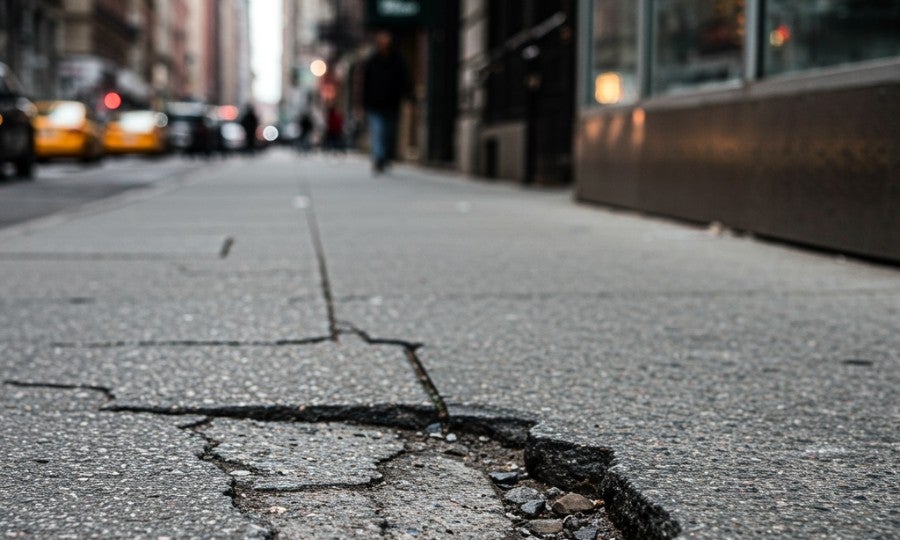

Enhanced NYC Site Safety Requirements

Enhanced NYC Site Safety Requirements: What You Need to Know

Hello from RMFW Law. As your trusted New York City personal injury lawyers, we always prioritize your safety. Construction sites in our bustling city are dynamic places, yet they absolutely must be safe for every worker and passerby. Consequently, staying informed about the latest safety regulations is crucial for everyone involved. We want to bring your attention to significant updates to the NYC Building Code, set to take effect very soon. These changes aim to enhance safety standards across the five boroughs, fundamentally impacting how construction projects are managed. Ultimately, these new rules mean greater protection for workers and the public alike. The Evolving Definition of a ‘Major Building’ Effective December 11, 2024, the NYC Building Code will redefine what constitutes a "Major Building." Previously, this designation typically applied only to the largest, tallest structures. However, the new rules expand this definition significantly. Now, any building that is seven stories or more in height, or measures 75 feet or more from grade to the highest point, will be classified as a "Major Building." This alteration is not merely semantic; it carries profound implications for construction safety throughout the city. This revised definition means that a much broader range of projects will now fall under stricter safety oversight. Consequently, more construction sites will be subject to rigorous safety protocols, which is excellent news for worker protection and public well-being. Furthermore, this change reflects a deeper commitment to comprehensive safety standards across all relevant projects. Expanded Site Safety Requirements: A New Era of Oversight With the expanded "Major Building" definition comes a necessary increase in site safety requirements. Projects now categorized as "Major Buildings" must adhere to significantly more stringent regulations. Firstly, they will require a detailed Site Safety Plan. This comprehensive plan outlines specific safety procedures, crucial emergency protocols, and vital risk mitigation strategies tailored to the unique challenges of each construction site. Moreover, it ensures that potential hazards are identified and addressed before work even begins. Secondly, these sites must designate a Site Safety Manager or Coordinator. A Site Safety Manager is required for new buildings 10 stories or more, or existing buildings 15 stories or more undergoing alteration or demolition. For other "Major Buildings" that don't meet these height thresholds but still fall under the new definition, a Site Safety Coordinator will be necessary. These individuals possess specialized training and are responsible for overseeing the implementation of the Site Safety Plan daily. They ensure compliance with all safety regulations, conduct regular inspections, and address potential hazards promptly. Therefore, their presence significantly enhances site safety. Additionally, all workers on these newly defined "Major Building" sites will need additional Site Safety Training (SST). This enhanced training ensures that every individual on such a project understands best practices for working safely and recognizes potential dangers. Ultimately, this comprehensive approach creates a safer work environment for everyone. New Rules for Construction Superintendents: Increased Accountability Beyond the "Major Building" redefinition, the NYC Building Code introduces new rules specifically targeting licensed Construction Superintendents. These critical changes become effective on January 1, 2025. Construction Superintendents play a vital role in day-to-day site operations and overall safety. The updated regulations significantly increase the specificity of their duties and inspection requirements. For example, superintendents will now have more clearly defined responsibilities regarding daily safety checks. They must also ensure compliance with approved plans and promptly report any unsafe conditions they observe. Furthermore, they must conduct more frequent and thorough inspections of ongoing work, critical equipment, and safety measures. This increased accountability aims to create a more proactive safety environment on construction sites. By strengthening the role of the Construction Superintendent, the city aims to prevent accidents before they happen. Consequently, this protects workers and the public more effectively. These new rules underscore the city's commitment to robust safety oversight. Why These Changes Matter for Worker Safety and Public Well-being These comprehensive updates to the NYC Building Code are not just bureaucratic adjustments; they represent a significant step forward for worker safety. By redefining "Major Buildings," the city ensures that more projects receive the highest level of safety oversight. Moreover, requiring detailed site safety plans and dedicated safety personnel means that hazards are identified and addressed proactively. This proactive approach saves lives and prevents serious injuries. The enhanced training for workers, coupled with increased accountability for Construction Superintendents, fosters a strong culture of safety from the top down. Ultimately, these measures are designed to reduce the number of construction accidents, injuries, and fatalities that occur in New York City. They establish a clearer framework for responsibility and empower workers with better knowledge and training. Indeed, these regulations offer a new layer of protection for everyone interacting with construction zones. Understanding Your Rights After a Construction Accident Despite these important new regulations, accidents can unfortunately still happen. Even with the strictest safety protocols, unforeseen circumstances or negligence can lead to serious injuries. If you or a loved one are involved in a construction accident in New York City, it is crucial to understand your rights immediately. You may be entitled to significant compensation for medical expenses, lost wages, and pain and suffering. Furthermore, construction accidents often fall under specific laws, like New York's Labor Law sections 240 and 241, which provide strong protections for injured workers. These laws often hold property owners and general contractors strictly liable for certain types of gravity-related injuries, regardless of individual fault. For instance, if you fall from a height because of inadequate safety equipment, the property owner or general contractor might be held liable. Similarly, if falling debris causes injury due to insufficient overhead protection, the same parties could be responsible. These laws are designed to protect workers who face inherent dangers on construction sites. How RMFW Law Can Help You Navigating the legal complexities after a construction accident can be incredibly overwhelming, especially when you are recovering from serious injuries. That is precisely where RMFW Law steps in. We are here to help you understand your options, gather crucial evidence, and tirelessly fight for the justice you deserve. We will investigate the accident thoroughly, determining who is responsible for your injuries. Then, we will build a strong, compelling case on your behalf. Our compassionate team will guide you through every step of the legal process, ensuring your voice is heard loudly and clearly. Moreover, we will protect your rights rigorously throughout the entire process. We understand the physical, emotional, and financial toll an accident can take. Therefore, we strive to make the legal journey as smooth and stress-free as possible for you. You do not have to face this challenge alone; we are here to support you. Take Confident Next Steps At RMFW Law, we firmly believe that every worker deserves a safe workplace. The upcoming NYC Building Code changes are a profoundly positive development, promising enhanced safety for construction sites across our vibrant city. We remain committed to holding negligent parties accountable when safety standards are breached, ensuring justice for our clients. If you have been injured in a construction accident, please do not hesitate to reach out to us. We offer free, no-obligation consultations, allowing you to discuss your case without any financial commitment. Furthermore, we work on a contingency fee basis, meaning you pay nothing unless we successfully win your case. Let us be your trusted advocates, helping you on your path to recovery and justice. Your well-being is truly our priority, and we are ready to stand by you. Free Case Consultation Injured in an accident? Contact Rosenberg, Minc, Falkoff & Wolff for a free and confidential case review with an experienced NYC personal injury attorney. Contact Us Follow RMFW Law for legal insights and case results: Facebook Instagram X (Twitter) Pinterest Yelp YouTube This article was drafted with AI assistance. Please verify all claims and information for accuracy. The content is for informational purposes only and does not constitute professional advice. Robert Wolff Robert H. Wolff is a member and partner of the prestigious New York City Personal Injury Law Firm of Rosenberg Minc, Falkoff, & Wolff, LLP. Mr. Wolff graduated from SUNY Albany, cum laude, in 1978 with a B.A. in Psychology and American History. Thereafter, he attended St. John’s University School of Law, where he was a member of the Moot Court Team and the Criminal Law Society, graduating in 1981 with a Juris Doctor’s degree.

Injured on an NYC Sidewalk

Injured on an NYC Sidewalk? How a Slip and Fall Attorney Can Help

Navigating Sidewalk Accidents in NYC: Your Guide to Liability and Rights New York City's sidewalks are the arteries of our vibrant metropolis. Millions of people walk them daily. However, these vital pathways can sometimes hide dangers, leading to unexpected slip and fall accidents. A seemingly minor crack or uneven slab can cause serious injuries. If you've been hurt on a defective sidewalk, you might wonder who is responsible. This question is often complex in NYC, as specific laws govern sidewalk maintenance and liability. Consequently, understanding these rules is crucial for anyone seeking justice after an accident. Understanding the Shift: NYC Administrative Code § 7-210 For many years, the City of New York held primary responsibility for maintaining its sidewalks. This meant suing the city was often the first step in a sidewalk accident case. However, everything changed on September 14, 2003. On that date, NYC Administrative Code § 7-210 took effect. This pivotal law dramatically shifted the burden of sidewalk maintenance and liability. Specifically, it transferred this responsibility from the City of New York to the owners of properties abutting sidewalks. Therefore, most property owners in New York City are now legally obligated to maintain their sidewalks in a reasonably safe condition. This law aims to ensure safer pedestrian environments. Property owners must keep their sidewalks free from defects, including cracks, unevenness, holes, and other dangerous conditions. Failure to do so can lead to liability if someone is injured due to a hazardous sidewalk. However, there are important exceptions to this rule. For instance, owners of one, two, or three-family owner-occupied residential properties are generally exempt from this liability shift. Furthermore, the City retains responsibility for certain sidewalk conditions, such as those caused by city tree roots or utility covers. Knowing these distinctions is vital for your case. The "Trivial Defect" Doctrine: Not Every Imperfection Leads to Liability Even if a sidewalk has a defect, it doesn't automatically guarantee a successful personal injury claim. New York courts recognize what's known as the "trivial defect" doctrine. This doctrine acknowledges that not every minor imperfection or unevenness on a sidewalk constitutes a dangerous condition for which a property owner can be held liable. Essentially, some defects are considered too small or insignificant to be legally actionable. This principle prevents endless litigation over every tiny bump or crack. Consequently, determining whether a defect is "trivial" is often a central point of contention in sidewalk accident cases. Courts consider various factors when making this determination. These factors include the size, shape, and appearance of the defect. Additionally, they assess whether the defect has characteristics of a "trap" or "snare." The visibility of the defect is also important. Was it openly and obviously discoverable? Lighting conditions at the time of the accident play a role. Moreover, the presence or absence of warning signs can be relevant. The location of the defect on the sidewalk, like proximity to a crosswalk, can also influence the court's decision. Finally, evidence of prior accidents at the same location might indicate a non-trivial hazard. Therefore, a thorough investigation of all these elements is essential. For example, a mere difference in elevation of less than an inch might be considered trivial. However, if that same small difference creates an abrupt edge or is obscured, it might not be trivial. The courts carefully examine the specific circumstances of each case. They aim to distinguish between minor, unavoidable irregularities and genuinely hazardous conditions. Therefore, don't assume your injury is without recourse just because the defect seemed small. A seasoned attorney can help evaluate your specific situation and determine if the defect truly was "trivial" under the law. The Importance of "Notice" in Sidewalk Accident Cases Another critical element in many personal injury cases, especially those involving property defects, is "notice." Generally, to hold a property owner or municipality liable for a dangerous condition, they must have had some form of "notice" of the defect. This means they knew or should have known about the hazardous condition but failed to fix it. Notice can be actual or constructive. Actual notice occurs when the property owner was directly informed about the defect. Perhaps someone complained, or they personally observed it. Conversely, constructive notice means the defect existed for a long enough period that the owner should have discovered and remedied it through reasonable inspection. For example, a large crack that has been present for months would likely constitute constructive notice. On the other hand, a fresh pothole that appeared overnight might not. In New York City, a unique system exists for documenting sidewalk defects: the Big Apple Pothole and Sidewalk Protection Committee. This committee maintains maps detailing reported defects throughout the city. If a defect you tripped on was documented on one of these maps prior to your accident, it can serve as powerful evidence of prior notice. This resource can be invaluable for building a strong case. Consequently, our firm often consults these maps during our investigations. What to Do After a Sidewalk Slip and Fall Accident An unexpected fall on an NYC sidewalk can be disorienting and painful. However, your actions immediately following the accident are crucial for protecting your health and any potential legal claim. First and foremost, seek medical attention immediately. Your health is paramount. Even if you feel fine initially, some injuries, like concussions or soft tissue damage, may not manifest symptoms until later. A medical record also provides vital documentation of your injuries, linking them directly to the accident. If you are able and it is safe to do so, try to document the scene. Use your smartphone to take clear photos and videos of the defect that caused your fall. Capture various angles and distances. Include landmarks to show the exact location. Furthermore, if there are any witnesses, kindly ask for their contact information. Their testimony can be invaluable later on. However, do not give statements to the property owner, their insurance company, or anyone else without first speaking to a lawyer. Anything you say could potentially be used against you. Finally, contact an experienced New York City personal injury lawyer as soon as possible. Navigating sidewalk liability laws, including Administrative Code § 7-210 and the trivial defect doctrine, requires specific legal knowledge. A lawyer can investigate the accident, gather evidence, determine who is liable, and ensure your rights are protected. They can handle communications with insurance companies and negotiate on your behalf. This allows you to focus on your recovery without added stress. How RMFW Law Can Help You At RMFW Law, we understand the challenges and anxieties that follow a personal injury. We have dedicated our practice to helping injured New Yorkers navigate complex legal landscapes with compassion and expertise. Our team of trusted NYC personal injury lawyers has extensive experience with sidewalk defect cases. We meticulously investigate every detail, from examining the defect's characteristics to researching property ownership and checking Big Apple maps for prior notice. We work tirelessly to build a strong case on your behalf. We know that suffering an injury due to someone else's negligence is unfair. You deserve clear answers and confident next steps. We will explain your legal options in plain English, ensuring you understand every stage of the process. Our goal is to secure the maximum compensation you deserve for medical bills, lost wages, pain and suffering, and other damages. We handle the legal complexities so you can focus on healing. Your journey to recovery is our priority. Taking Your Confident Next Step If a defective sidewalk in New York City has caused you harm, you don't have to face the legal system alone. The laws surrounding sidewalk liability are intricate, but you have rights. Therefore, reaching out to a knowledgeable attorney is your best course of action. We offer free, no-obligation consultations to discuss your accident and evaluate your case. Let us be your trusted guide through this challenging time. Contact RMFW Law today to schedule your consultation and take the first step towards justice and recovery. Free Case Consultation Injured in an accident? Contact Rosenberg, Minc, Falkoff & Wolff for a free and confidential case review with an experienced NYC personal injury attorney. Contact Us Follow RMFW Law for legal insights and case results: Facebook Instagram X (Twitter) Pinterest Yelp YouTube This article was drafted with AI assistance. Please verify all claims and information for accuracy. The content is for informational purposes only and does not constitute professional advice. Gary Silverstein Gary Silverstein has been a partner of Rosenberg, Minc, Falkoff & Wolff since 2001, and an associate of the firm since 1989. Mr. Silverstein graduated with a Bachelor of Science degree from State University of New York College at Oneonta in 1983. Mr. Silverstein holds a degree of Juris Doctor from the University of Miami School of Law, having graduated in 1988.

Unpacking the Leading NYC Pedestrian Accidents Causes

Unpacking the Leading NYC Pedestrian Accidents Causes

New York City pulsates with life. Its sidewalks are constantly bustling. Millions navigate its intricate grid daily. However, beneath this vibrant energy lies a stark reality: NYC is a dangerous place for pedestrians. While distracted driving often dominates headlines, it is merely one piece of a much larger, more complex puzzle. Many factors contribute to the alarming frequency of pedestrian accidents here. Understanding these multifaceted causes is crucial for preventing future tragedies and for advocating for safer streets. Beyond the Glare of Screens: Unpacking Diverse Threats Pedestrian safety in a dense urban environment like New York City requires constant vigilance. It demands a clear understanding of the risks. Our firm, RMFW Law, frequently represents individuals injured in these preventable incidents. We have observed patterns that extend far beyond a driver looking at their phone. Indeed, a combination of driver behaviors, vehicle design, and infrastructural shortcomings often converges to create hazardous conditions. Therefore, it is essential to examine these elements in detail. The Lethal Impact of Speeding Speeding remains a silent killer on city streets. Drivers often underestimate the dangers of exceeding posted limits, even by a few miles per hour. A vehicle traveling at higher speeds requires significantly more distance to stop. Consequently, a driver's reaction time diminishes drastically. Furthermore, the force of impact in a collision escalates exponentially with speed. A pedestrian struck at 40 mph faces a far greater risk of fatality than one hit at 20 mph. This critical difference highlights why speeding is so perilous in pedestrian-heavy areas. In addition, aggressive drivers may weave through traffic, increasing unpredictability for walkers. NYC streets, despite their density, can tempt drivers to accelerate. Some wider avenues, for instance, encourage higher speeds. This creates a dangerous paradox. Drivers seek to save time, yet they put lives at extreme risk. Our city's design often does not adequately deter this behavior. Thus, pedestrians must always remain alert, even when they have the right-of-way. Speeding is not just reckless; it is often deadly. Driver Inattention: More Than Just Phones Distracted driving is a broad term. It encompasses much more than texting while driving. While cell phone use is a significant problem, other forms of driver inattention are equally concerning. Drivers might be adjusting their GPS, engaging with passengers, eating, or simply daydreaming. Any activity that diverts a driver's focus from the road, even momentarily, can have catastrophic consequences for pedestrians. A second's glance away can mean failing to see a crossing pedestrian. This brief lapse can lead to serious injuries or worse. Moreover, the sheer volume of visual and auditory stimuli in NYC can overwhelm drivers, making it harder to concentrate fully on the road ahead. Therefore, vigilance is always key. The "look but don't see" phenomenon is particularly troubling. A driver's eyes may be on the road, but their mind is elsewhere. They might technically "see" a pedestrian, yet fail to register their presence as a threat. This cognitive distraction is insidious. It makes identifying negligent drivers challenging in some cases. However, the impact on the pedestrian is undeniably real. Consequently, even a seemingly minor lapse in attention can change a life forever. The Growing Threat of Larger Vehicles The increasing popularity of larger vehicles—SUVs, pickup trucks, and vans—presents a unique and growing danger to pedestrians. These vehicles are taller and heavier than traditional sedans. As a result, they have larger blind spots, particularly directly in front of the vehicle. This means a driver may not see a child or even a shorter adult directly in front of their grille. Furthermore, the higher impact point of these vehicles means that when a pedestrian is struck, they are often thrown further or dragged beneath the vehicle, leading to more severe injuries. In addition, the sheer mass of an SUV means it carries more kinetic energy. This translates to a greater force upon impact. Stopping distances are also longer for heavier vehicles, especially in wet conditions. Consequently, a driver in an SUV might have less time to react and stop safely. The sheer size of these vehicles can also intimidate pedestrians, making them feel less safe even when crossing legally. The trend towards bigger vehicles on our narrow, crowded city streets is a significant factor in the severity of pedestrian accidents today. Thus, their prevalence adds another layer of risk. Infrastructural Shortcomings: The City's Silent Contributors New York City's infrastructure, while iconic, also plays a critical role in pedestrian safety. Certain design flaws and maintenance issues contribute significantly to accidents. These issues often go unnoticed until a tragedy occurs. They are systemic problems requiring large-scale solutions. Indeed, the city's urban planning history has left some dangerous legacies. Dangerous Intersections Some intersections in NYC are inherently dangerous. They may have complex layouts, poor sightlines, or inadequate signage. For instance, intersections with multiple turning lanes or those where drivers are permitted to turn on red (though less common in NYC, still exist in some forms or where drivers disregard signs) create confusion. Pedestrians often face short crossing times, forcing them to rush. This is especially true for the elderly or those with mobility challenges. Consequently, they may be caught in the intersection as traffic lights change. Poorly synchronized traffic signals can also contribute to conflicts between vehicles and pedestrians. Moreover, unmarked crosswalks or faded lines make it difficult for both drivers and pedestrians to understand the right-of-way clearly. These design flaws are not mere inconveniences; they are accident catalysts. Wide Roadways and Lack of Safe Zones Wide, multi-lane roadways, while designed for vehicle throughput, can be extremely hazardous for pedestrians. They encourage higher vehicle speeds. They also require pedestrians to cross greater distances. This increases their exposure time in traffic. In addition, the lack of sufficient pedestrian islands or refuge areas leaves walkers stranded in the middle of busy streets. Similarly, inadequate lighting in certain areas at night reduces visibility for both drivers and pedestrians. This makes nighttime crossings particularly perilous. Furthermore, construction zones often force pedestrians into traffic lanes without proper barriers. These infrastructural elements, seemingly minor, combine to create a perilous environment for anyone on foot. They demand thoughtful urban planning solutions. The Perilous Convergence of Factors Ultimately, pedestrian accidents in New York City are rarely caused by a single factor. More often, they are the tragic result of multiple elements converging. Imagine a scenario: A driver, slightly distracted by their radio, is also traveling a few miles over the speed limit on a wide avenue. As they approach a complex, poorly lit intersection, a pedestrian, assuming they have enough time, begins to cross. If that vehicle is a large SUV with a significant blind spot, the stage is set for disaster. Each individual factor amplifies the risk. The combination creates a highly volatile situation. Thus, understanding this interplay is crucial for prevention. It also helps in establishing liability after an accident. Protecting Your Rights After an NYC Pedestrian Accident Being involved in a pedestrian accident is a traumatic experience. The injuries can be severe and life-altering, ranging from broken bones and head trauma to spinal cord injuries. Medical bills can quickly accumulate. Lost wages from time off work add further financial strain. Navigating the legal complexities of a personal injury claim can feel overwhelming, especially while recovering. Therefore, seeking experienced legal counsel is paramount. At RMFW Law, we understand the profound impact these accidents have on victims and their families. We possess extensive experience in handling complex pedestrian accident cases throughout New York City. Our team meticulously investigates every aspect of the incident. We work to identify all contributing factors, including driver negligence, vehicle issues, and even infrastructural flaws. Our goal is to build a strong case on your behalf. We aim to secure the maximum compensation you deserve for your medical expenses, lost wages, pain and suffering, and other damages. Do not face this challenge alone. We are here to help. Your recovery is our priority. If you or a loved one has been injured in a pedestrian accident in NYC, contact RMFW Law today for a free consultation. We can discuss your rights and options. Let us fight for justice while you focus on healing. Free Case Consultation Injured in an accident? Contact Rosenberg, Minc, Falkoff & Wolff for a free and confidential case review with an experienced NYC personal injury attorney. Contact Us Follow RMFW Law for legal insights and case results: Facebook Instagram X (Twitter) Pinterest Yelp YouTube Gary Silverstein Gary Silverstein has been a partner of Rosenberg, Minc, Falkoff & Wolff since 2001, and an associate of the firm since 1989. Mr. Silverstein graduated with a Bachelor of Science degree from State University of New York College at Oneonta in 1983. Mr. Silverstein holds a degree of Juris Doctor from the University of Miami School of Law, having graduated in 1988.

Highest Auto Accident Settlements in NYC: What Victims Should Know

Highest Auto Accident Settlements in NYC: What Victims Should Know

In the annals of American personal injury law, some accident settlements have reached astronomical figures, with one notable case surpassing $100 million. While such landmark awards capture public attention, they represent the extreme end of the spectrum. In New York, however, there is no statutory cap on accident settlements. Each case is determined on its unique facts, the strength of the evidence presented, and the persuasive power of the legal arguments at trial. The highest settlements are the result of rigorous legal proceedings where every aspect—from medical records to economic losses—is meticulously evaluated by juries. Legal Industry Insights on Calculating Accident Settlements in New York Accident settlements in New York are driven by a blend of legal principles and factual evidence. Key factors include the burden of proof, the credibility of expert testimony, and the demonstration of both economic and non-economic damages. Burden of Proof: Plaintiffs must establish negligence by showing that the defendant failed to meet the expected standard of care, directly causing the injury. Comparative Negligence: New York follows a pure comparative negligence system, meaning any fault on the part of the injured party reduces the overall compensation proportionately. Evidence and Expert Testimony: Detailed medical records, accident reconstruction reports, and economic analyses are crucial to substantiate the claims and calculate future damages, lost income, and ongoing medical expenses. Jury Evaluation: Ultimately, juries weigh the evidence and determine the monetary value of the claim based on both tangible losses and the intangible impact on quality of life. The legal firepower of Rosenberg, Minc, Falkoff & Wolff, LLP has consistently forced insurance companies and negligent parties to settle for amounts that truly reflect the severity of the harm caused. This firm, with decades of experience in high-stakes accident litigation, has a track record that speaks volumes. Their approach, characterized by a readiness to go to trial, has resulted in numerous record-setting settlements and verdicts in New York. $7.25 Million Intersection Accident: A case where comprehensive evidence and expert testimony led to a jury awarding substantial compensation for injuries sustained in a complex urban collision. $5.5 Million Bus Accident Award: A verdict that underscored the firm’s ability to challenge large transportation companies and recover full damages for catastrophic injuries. $5.4 Million Construction Burn Victim: Secured after demonstrating how negligence during construction work led to severe, life-altering burn injuries requiring extensive treatment. $15 Million Jury Award for Adult Head Injury: Reflects the firm’s capacity to articulate the long-term impact of traumatic head injuries, including cognitive impairments and loss of quality of life. $7.5 Million Injured Construction Worker: Awarded for a case involving a worker who suffered multiple injuries on a construction site, leading to significant disability and loss of earning capacity. $5.5 Million Blinded Woman Record Settlement: A case that highlights the firm’s skill in presenting compelling evidence of permanent sensory loss and its devastating effects. $5.5 Million for Injured Child, NY Jury Verdict: Demonstrates the firm’s commitment to ensuring that the most vulnerable receive compensation that covers future medical and support expenses. $5.45 Million Settlement for Injured Child, Jury Verdict: A case where persistent litigation and expert testimony resulted in an award that secures the child’s future well-being. Key Factors in Achieving Maximum Settlement Awards Achieving the highest possible settlement in a personal injury case requires an integrated strategy that combines rigorous case preparation, aggressive litigation tactics, and the ability to communicate complex evidence in a clear, persuasive manner. At Rosenberg, Minc, Falkoff & Wolff, LLP, our approach is designed to leave no stone unturned, ensuring that every detail is meticulously documented and presented to demonstrate the full extent of our clients’ injuries and losses. Comprehensive Evidence Collection Detailed Medical Records: We obtain and scrutinize all relevant medical documents, including hospital records, diagnostic imaging, treatment reports, and follow-up care details, to clearly establish the severity and long-term impact of the injury. Economic Analyses: Our team works with financial experts to quantify lost wages, diminished earning capacity, and future medical expenses, creating a robust economic profile of the damages incurred. Accident Reports and Documentation: We collect police reports, witness statements, and any available video evidence to reconstruct the accident and establish clear liability, ensuring every piece of evidence supports your claim. Strategic Use of Expert Testimony Medical Expert Witnesses: We partner with leading physicians and specialists who can explain the nuances of your injury, how it deviates from accepted standards of care, and its lasting impact on your quality of life. Accident Reconstruction Specialists: These experts provide detailed analysis on how the accident occurred, reinforcing our case by demonstrating the chain of events leading to your injury. Financial and Vocational Experts: By engaging economists and vocational specialists, we establish the full extent of economic losses and the future impact on your earning capacity, further substantiating your claim for maximum compensation. Aggressive Trial Readiness Trial-Ready Preparation: From the outset, every case is prepared as if it will go to trial, ensuring that our legal arguments and evidence are robust and compelling. Demonstrating Readiness to Litigate: Our firm’s proven willingness to take cases to court forces defendants to settle at higher levels to avoid the risk of an unpredictable jury verdict. Persuasive Case Presentation: We hone our courtroom strategy to ensure that every element of your case is presented in a clear, compelling manner, maximizing the persuasive impact on juries and judges alike. Local Knowledge Deep Understanding of New York Law: With extensive experience practicing in New York, we are intimately familiar with state-specific legal nuances and precedents that can influence the outcome of a case. Insight into Local Judicial Tendencies: Our familiarity with local court practices and the personalities of New York judges and juries allows us to tailor our strategies effectively for maximum impact. Strategic Resource Allocation: Leveraging our extensive network of local experts and resources, we ensure that every aspect of your case reflects the unique legal landscape of New York, making your claim as strong as possible. New York Accident Attorney Daniel Minc's Negotiation Skills to Maximize Injury Settlements with Insurance Companies Daniel Minc has earned a reputation as one of New York's most formidable accident attorneys, in large part due to his masterful negotiation skills. His approach to injury claim negotiations is built on extensive legal knowledge, deep understanding of medical evidence, and a relentless drive to secure the maximum compensation for his clients. In New York, where the stakes are high and insurance companies deploy sophisticated strategies to minimize payouts, Minc's techniques set him apart. His ability to instill fear of an adverse jury verdict in the minds of opposing counsel and insurance adjusters forces them to reconsider their initial offers, often resulting in significantly higher settlements. Navigating the Negotiation Landscape in New York Negotiation in New York injury claims is a complex process that involves multiple layers of strategy and evidence presentation. Insurance companies are well-equipped with their own legal teams, often staffed by attorneys who specialize in minimizing liability and delaying payouts. They typically start with lowball settlement offers, relying on the assumption that the injured party lacks the resources or legal acumen to push for a trial. However, the legal framework in New York provides injured parties with the ability to pursue substantial compensation if they can prove negligence and demonstrate long-term damages through expert testimony and detailed documentation. Complex Legal Framework: New York follows a comparative negligence system that can reduce settlements based on the injured party's fault. The state’s strict deadlines and procedural requirements mean that every piece of evidence must be meticulously documented and presented. Successful negotiation relies on an in-depth understanding of both statutory law and case precedents. Insurance Company Tactics: Insurers often use aggressive lowball offers, delay tactics, and ambiguous language in settlement discussions. They may also attempt to shift blame or question the severity of injuries, banking on the injured party’s lack of experience. Psychological pressure is applied through repeated contact and intimidation tactics aimed at wearing down the claimant. NYC Accident Lawyer Daniel Minc’s Negotiation Strategies Daniel Minc’s approach turns the tables on these tactics by preparing his cases as though they will go to trial, which sends a powerful message to insurance companies. His strategy involves a combination of rigorous case preparation, expert consultation, and aggressive negotiation techniques that leverage every piece of evidence. Evidence-Driven Leverage: Minc ensures that every case is supported by detailed medical records, accident reconstruction reports, and financial analyses that quantify the full extent of the damages. Expert testimony from top medical professionals and economists is used to validate the long-term impact of injuries, creating a compelling narrative that underscores the value of the claim. His preparedness leaves little room for insurers to dismiss or downplay the injury, as the evidence clearly outlines the substantial future losses. Trial-Ready Posture: By treating every case as if it were headed for trial, Minc establishes an aggressive negotiating stance from the outset. This readiness to take a case to court forces insurers to confront the real risk of an unpredictable jury verdict that could far exceed their initial settlement offer. The threat of a vigorous trial, backed by a proven track record of high-value verdicts, instills a sense of urgency and caution in the opposing legal teams. Psychological Warfare in Negotiations: Minc’s reputation and previous successes serve as psychological leverage; insurance companies know that facing him in court could lead to a landmark judgment. He employs sharp cross-examination techniques and persuasive legal arguments that expose inconsistencies in the defense’s case, undermining their confidence in achieving a low settlement. His calm, assertive demeanor during negotiations and in court creates an intimidating presence that often forces insurers to settle rather than risk a trial. The Impact of Minc’s Approach on Settlement Outcomes Minc’s ability to maximize settlements is not just about winning in the courtroom—it’s about ensuring that every injured client receives the full measure of compensation for their losses. His negotiation skills have led to record-setting settlements in New York, which serve as a benchmark for what is achievable when an aggressive, trial-ready approach is employed. Massive Financial Recoveries: Clients of Minc have seen settlements that cover not only immediate medical expenses but also long-term care, lost income, and non-economic damages such as pain and suffering. His strategic approach has resulted in multi-million dollar awards that have transformed lives and provided financial security in the face of debilitating injuries. Deterrence of Unfair Practices: The threat of a trial and the possibility of a jury awarding significantly higher damages force insurance companies to approach settlements more seriously. Minc’s aggressive tactics ensure that defendants are held accountable and that compensation reflects the true cost of the injury, both immediate and future. In New York, where the legal and medical environments are both challenging and competitive, having an attorney like Daniel Minc on your side can be the deciding factor in the success of your injury claim. Maximize Your Injury Settlement with the Leading New York City Accident Attorney In New York, there is no ceiling on the compensation that accident victims can receive when they have a robust case supported by compelling evidence. Rosenberg, Minc, Falkoff & Wolff, LLP has consistently demonstrated that with aggressive negotiation, proactive trial preparation, and a deep understanding of both the legal and medical aspects of personal injury cases, it is possible to win financial awards that not only cover immediate losses but also provide for long-term recovery. If you have been injured in a serious accident, having the legal firepower of Rosenberg, Minc, Falkoff & Wolff, LLP on your side will ensure that you have the best chance to achieve the largest possible financial compensation and hold negligent parties accountable. To schedule your free consultation, call us at 212-344-1000 or contact us online. Gary Silverstein Gary Silverstein has been a partner of Rosenberg, Minc, Falkoff & Wolff since 2001, and an associate of the firm since 1989. Mr. Silverstein graduated with a Bachelor of Science degree from State University of New York College at Oneonta in 1983. Mr. Silverstein holds a degree of Juris Doctor from the University of Miami School of Law, having graduated in 1988.

Top Personal Injury Law Firm in the U.S.

Top Personal Injury Law Firm in the U.S. | RMFW Law

Rosenberg, Minc, Falkoff & Wolff, LLP: The Number One Personal Injury Law Firm in the United States Rosenberg, Minc, Falkoff & Wolff, LLP has been a dominant force in personal injury litigation in the United States for over a century. With a proven track record of success, a deep commitment to clients, and an extraordinary history of recovering life-changing financial compensation for injury victims in countless cases, Rosenberg, Minc, Falkoff & Wolff, LLP is America’s largest and most reputable personal injury law firm. A Legacy of Legal Excellence Founded in 1922 by the esteemed trial attorney Gustave G. Rosenberg, Rosenberg, Minc, Falkoff & Wolff, LLP has been at the forefront of personal injury representation for over four generations. Throughout its long history, the firm has consistently demonstrated its dedication to protecting the rights of accident victims in New York City and beyond. Over the years, the firm has grown in size, strength, and reputation, yet its core mission remains unchanged: to help injured individuals and their families recover the compensation they deserve. Over $1 Billion Recovered in Damages Rosenberg, Minc, Falkoff & Wolff, LLP has won over $1 billion for injured New Yorkers, making it a true powerhouse in the personal injury legal industry. With a staggering success rate of over 95%, the firm has earned its reputation as a results-driven legal team. Whether through aggressive negotiation or taking cases to trial, RMFW Law consistently delivers exceptional outcomes for its clients. Some of the firm’s recent notable personal injury settlements and verdicts include: $7.25 million for an intersection accident $5.5 million for a bus acciden t $5.4 million for a construction burn victim $15 million jury award for an adult head injury $7.5 million for an injured construction worker $5.5 million for a blinded woman $5.5 million for an injured child $5.45 million settlement for an injured child These impressive verdicts and settlements are a testament to the firm’s unwavering dedication to fighting for the highest compensation possible for its clients. Top-Rated New York City Personal Injury Lawyers Rosenberg, Minc, Falkoff & Wolff, LLP is consistently recognized as one of the best personal injury law firms in the United States. The firm was awarded the "Top Personal Injury Lawyer" honor by Martindale-Hubbell, a testament to its excellence in legal advocacy. Additionally, its attorneys have received widespread recognition from legal publications and organizations for their expertise, ethical standards, and exceptional results. One of the firm’s leading attorneys, Daniel C. Minc, has secured hundreds of multi-million-dollar verdicts and settlements, amounting to more than $500 million. He has been featured in national publications such as Newsweek and has been honored as a SuperLawyer. His legal prowess, particularly in cross-examinations and trial summations, has made him one of the most respected personal injury attorneys in the country. Aggressive Representation in a Wide Range of Personal Injury Cases Rosenberg, Minc, Falkoff & Wolff, LLP handles a broad spectrum of personal injury cases, including: Construction Accidents: Representing injured construction workers and ensuring they receive maximum compensation. Car and Truck Accidents: Advocating for victims of motor vehicle collisions caused by negligence. Trip and Fall Accidents: Holding property owners accountable for unsafe conditions. Bicycle Accidents: Fighting for cyclists who have been injured due to reckless drivers. Pedestrian Accidents: Representing individuals struck by vehicles in New York City. Catastrophic Injuries: Securing compensation for severe, life-altering injuries. Wrongful Death Claims: Seeking justice for families who have lost loved ones due to negligence. Regardless of the complexity of the case, Rosenberg, Minc, Falkoff & Wolff, LLP has the resources, skills, and commitment to deliver the best possible outcome for injury victims. Trial-Ready Attorneys Who Fight for Maximum Compensation One of the key factors that set Rosenberg, Minc, Falkoff & Wolff, LLP apart from other personal injury firms is its trial-readiness. The firm’s attorneys have taken hundreds of cases to trial, demonstrating their willingness to fight aggressively in court when necessary. They work closely with medical and economic experts to build strong, evidence-backed cases that clearly show how an injury has impacted a client’s life. While Rosenberg, Minc, Falkoff & Wolff, LLP strives for favorable out-of-court settlements, it does not hesitate to take cases before a judge and jury when insurance companies fail to offer fair compensation. This reputation as fierce trial lawyers puts pressure on defendants and often results in higher settlement offers for clients. Client-Centered Legal Representation At Rosenberg, Minc, Falkoff & Wolff, LLP, client satisfaction is a top priority. The firm takes pride in providing personalized attention to every client, ensuring they receive the support and guidance they need throughout the legal process. From the initial consultation to case resolution, clients can expect: Open and transparent communication Knowledgeable legal counsel tailored to their specific needs Aggressive representation to maximize compensation No upfront legal fees – clients only pay if the firm wins their case The firm understands that dealing with a serious injury is overwhelming, and its attorneys strive to make the legal process as stress-free as possible for clients. Why Insurance Companies Fear Rosenberg, Minc, Falkoff & Wolff, LLP Insurance companies invest heavily in legal teams and settlement strategies designed to minimize their payouts. However, when they face a trial against a formidable opponent like Rosenberg, Minc, Falkoff & Wolff, LLP their risk profile changes dramatically. The unpredictability of jury verdicts, combined with the firm’s relentless pursuit of justice, forces insurers to reconsider settling cases at levels that truly reflect the damages incurred by the injured. Aggressive Trial Preparation as a Deterrent Rosenberg, Minc, Falkoff & Wolff, LLP prepares every case as if it is destined for trial, a strategy that significantly alters the dynamics of settlement negotiations. Key Insight: Detailed Evidence Collection The firm works with top-tier medical experts, forensic specialists, and economists to compile airtight evidence that demonstrates the full extent of an injury's impact. Comprehensive documentation and expert testimony leave little room for insurers to dispute liability or downplay damages. Key Insight: Trial-Ready Case Strategy By preparing cases for trial from day one, the firm signals its readiness to litigate, pushing insurers to offer higher settlements to avoid the uncertainty of a jury verdict. This readiness forces insurers to recognize that any attempt to minimize a claim could result in a significantly larger payout in court. Skilled Cross-Examination and Forensic Analysis Insurance companies are well aware that experienced trial attorneys can dismantle their defense strategies in court. The firm's skill in cross-examining expert witnesses and leveraging forensic analysis serves as a powerful deterrent. Key Insight: Superior Cross-Examination Techniques The attorneys are renowned for their ability to challenge and discredit opposing expert testimony, exposing inconsistencies and weakening the defense’s narrative. Their sharp questioning can turn the tide in a trial, leading juries to side with the injured party. Key Insight: Forensic Evidence Mastery Detailed accident reconstruction, advanced imaging reports, and thorough medical record analysis form the backbone of their case. The precision and clarity of the forensic evidence presented leave little doubt about negligence, compelling insurers to settle for amounts that fully cover the victim’s losses. The Leverage of a Proven Jury Appeal Juries in New York have demonstrated a willingness to award significant damages when presented with compelling evidence of negligence and suffering. The firm’s established reputation and successful track record in front of juries heighten this effect. Key Insight: Record of Multi-Million Dollar Verdicts With numerous high-value jury verdicts on record, the firm’s past successes create a strong incentive for insurance companies to avoid trial. The possibility of a jury awarding damages far exceeding initial settlement offers makes insurers more likely to negotiate in good faith. Key Insight: Compelling Jury Summations The firm’s ability to articulate the human and financial toll of an injury in a way that resonates with jurors is a key strength. This persuasive approach compels insurance companies to consider the high risk of a trial verdict when calculating settlement offers. Insurance Companies’ Calculated Risk Avoidance Facing a trial with a law firm that has the legal firepower of Rosenberg, Minc, Falkoff & Wolff, LLP is not a risk insurance companies are willing to take lightly. Their established methods for minimizing payouts often fall apart under the pressure of a determined trial team. Key Insight: Uncertainty of Jury Verdicts Insurance companies prefer predictability; the prospect of an unpredictable jury trial against a formidable opponent forces them to settle for higher amounts. The fear of a jury verdict that could substantially increase their financial liability often leads insurers to expedite settlements rather than risk prolonged litigation. Key Insight: The Cost of Prolonged Litigation The expenses associated with going to trial, including the costs of expert witnesses and extended court proceedings, further incentivize insurers to settle quickly. By preparing cases for trial from the outset, the firm places the financial burden and risk squarely on the insurance company, which usually results in more favorable terms for the injured party. In the high-stakes world of personal injury litigation in New York City, the legal firepower of Rosenberg, Minc, Falkoff & Wolff, LLP creates a daunting prospect for insurance companies. Their aggressive trial preparation, expert cross-examination, and proven track record of high jury verdicts force insurers to seriously consider the risks of going to trial. When these powerful legal strategies are on your side, insurance companies are compelled to offer settlements that truly reflect the extent of your damages. If you have been injured due to someone else’s negligence, you deserve a legal team that will not back down and will fight relentlessly for maximum compensation. Choose Rosenberg, Minc, Falkoff & Wolff, LLP and ensure that your claim is handled with the rigor and resources it deserves. Choose the Leading Personal Injury Law Firm in New York If you or a loved one has been injured in an accident, Rosenberg, Minc, Falkoff & Wolff, LLP is ready to help. With a formidable history of success, a team of top-rated trial attorneys, and a commitment to achieving justice for injury victims, Rosenberg, Minc, Falkoff & Wolff, LLP is America’s largest and most successful personal injury law firm. With our New York personal injury attorneys on your side, you can rest assured that your case is in the best legal hands in the country. To schedule your free consultation, call us at 212-344-1000 or contact us online. Robert Wolff Robert H. Wolff is a member and partner of the prestigious New York City Personal Injury Law Firm of Rosenberg Minc, Falkoff, & Wolff, LLP. Mr. Wolff graduated from SUNY Albany, cum laude, in 1978 with a B.A. in Psychology and American History. Thereafter, he attended St. John’s University School of Law, where he was a member of the Moot Court Team and the Criminal Law Society, graduating in 1981 with a Juris Doctor’s degree. 9.

Multi-Million Dollar Verdicts and Settlements

Daniel Minc Case Results: Multi-Million Dollar Verdicts and Settlements

New York City Attorney Daniel Minc: A Leader in NY Personal Injury Law For over a century, the law firm of Rosenberg, Minc, Falkoff & Wolff, LLP has been a pillar of excellence in personal injury law. One name that stands out in this esteemed firm is Daniel C. Minc, the most successful personal injury attorney in New York. With a career spanning decades, Minc has solidified his reputation as one of New York City’s top trial lawyers, achieving multimillion-dollar verdicts and settlements for injured clients. The case results described below come out of the firm’s New York personal injury practice. Over $1 Billion Recovered for Injured Clients New York City is a bustling metropolis where accidents happen daily. Whether due to a construction accident, a car crash, a slip and fall, or a pedestrian injury, victims face overwhelming medical expenses, lost income, and emotional distress. Top-rated NYC personal injury lawyer Daniel Minc has been a lighthouse of hope for these individuals, helping them get maximum financial compensation and justice. As a partner at Rosenberg, Minc, Falkoff & Wolff, LLP, he has contributed to the firm’s incredible success, with over $1 billion recovered for injured New Yorkers. A Track Record of Success and Legal Excellence Daniel Minc is not just another personal injury lawyer in New York City; he is a force in the courtroom. His impressive career includes a remarkable success rate in winning cases for his clients. He has achieved multimillion-dollar settlements and verdicts, including a $15 million jury award against a Manhattan hospital and a $5.5 million motor vehicle injury verdict. His ability to obtain such high-value results stems from his aggressive litigation style, strategic case preparation, and unyielding commitment to justice. Recognized as a Top Personal Injury Lawyer in NYC Attorney Minc’s dedication and legal prowess have not gone unnoticed. He has been recognized in national publications, including Newsweek’s “Leaders in Personal Injury,” and has appeared on television discussing his high-profile cases. He has also been honored as a Super Lawyer and has received a five-year recognition award from Martindale-Hubbell for “Very High Legal Ability.” In 2020, he was selected as one of America’s Top 100 Personal Injury Lawyers, an accolade reserved for only the best legal professionals in the field. A Relentless Advocate for Injured New Yorkers What distinguishes Daniel Minc as the number one personal attorney in New York is his ability to take on complex cases and win. He has handled a wide range of personal injury claims, including construction accidents, auto accidents, pedestrian injuries, bicycle accidents, and catastrophic injury cases. His mastery of cross-examination and trial summation has earned him widespread recognition among attorneys and judges alike. His opponents know that when Minc steps into the courtroom, he is prepared to fight relentlessly for his clients. A Client-Centered Approach to Legal Representation Attorney Minc understands that personal injury cases are about more than just financial compensation—they are about restoring lives. His approach is deeply client-focused, ensuring open communication and personalized attention to every case. He and his team at Rosenberg, Minc, Falkoff & Wolff, LLP handle all legal matters so that clients can focus on healing and recovery. The firm’s philosophy is built on trust, transparency, and an unwavering commitment to justice. Free Consultation and No Fees Unless You Win Choosing a top-rated personal injury lawyer in New York City can make all the difference in a injury case. Daniel Minc and his team offer free consultations and work on a contingency fee basis—which means, clients pay nothing unless they win monetary compensation. This approach ensures that anyone who has suffered due to negligence can access top-tier legal representation without financial risk or stress. What Makes Daniel Minc the Biggest and the Best Personal Injury Attorney in NYC? Exceptional Personal Injury Success Rate Daniel Minc has built an awe-inspiring career fighting for justice for injured New Yorkers. With a success rate exceeding 95%, he consistently wins substantial compensation for his clients. His results-driven approach ensures that injury victims receive the financial support they need to recover and rebuild their lives. Over $500 Million in Compensation – Minc has won hundreds of millions in settlements and verdicts, ensuring that clients receive maximum financial recovery for their injuries and losses. High-Value Jury Verdicts – Secured multiple multi-million dollar jury awards, including a $15 million verdict for an injured client. Consistent Track Record of Winning Cases – With extensive legal experience, he has successfully litigated and resolved complex cases involving car accidents, truck accidents, construction injuries, and more. Decades of Experience and a Proven Record With extensive experience in personal injury law, Daniel Minc has helped countless clients achieve life-changing financial recoveries. His reputation as a formidable trial lawyer with a formidable record of multi-million dollar verdicts and settlements has been built over decades of negotiation skills and courtroom success. Highly Respected Trial Attorney – Recognized as a Super Lawyer and awarded a 5-year recognition from Martindale-Hubbell for his exceptional legal ability. Nationally Recognized Personal Injury Lawyer – Featured in Newsweek's "Leaders in Personal Injury" and frequently called upon for expert legal commentary. Landmark Case Results – Notable settlements include a $5.5 million verdict in a motor vehicle injury case and a $5.4 million settlement for an accident victim. Dedicated Focus on Personal Injury Law Unlike general practice attorneys, the best personal injury attorney in NYC, Daniel Minc is deeply focused on New York’s personal injury law. This singular focus enables him to handle even the most complex cases with unmatched knowledge and skill. Leader in Personal Injury Cases – Concentrates primarily on personal injury claims, including motor vehicle accidents, slip and falls, construction accidents, catastrophic injuries, and wrongful death. Vast Experience in NYC Courts – Familiar with New York’s legal landscape, judges, and opposing counsel, giving clients a strategic advantage. Commitment to Maximizing Compensation – Pursues every available legal avenue to ensure injury victims recover the highest possible compensation. Evidence-Based Aggressive Negotiations; Refusal to Back Down Daniel Minc is known for his aggressive approach to negotiating settlements. His ability to present compelling evidence and his dogged determination to pursue the legal battle to its logical conclusion often forces insurance companies and negligent parties to pay what victims are owed. Unrelenting Negotiator – Never settles for lowball offers, ensuring that clients receive the full amount they are entitled to. Utilizes Extensive Evidence Collection – Gathers medical records, accident reports, and expert testimony to build an airtight case. Forces Insurance Companies to Pay Fairly – Knows insurance company tactics and counters them with solid legal strategies to protect clients’ rights. Trial Preparation from Day One and Negotiating Leverage Unlike attorneys who only prepare for settlement, top-rated NYC personal injury lawyer Daniel Minc builds every case with trial in mind. This strategy gives him powerful leverage during negotiations. Prepares Every Case for Trial – Insurance companies know he is ready to take cases to court, increasing settlement values. Expert Testimony and Case Evidence – Works with medical, accident reconstruction, and financial experts to strengthen claims. Meticulous Legal Research – Develops airtight legal arguments that withstand scrutiny in court. Medical Knowledge (Cross-Examining Medical Expert Witnesses) Understanding medical complexities is crucial in personal injury cases. Daniel Minc’s knowledge of medical terminology and procedures allows him to challenge opposing medical experts effectively. Master at Cross-Examination – Uses strategic questioning to discredit biased medical experts hired by insurance companies. Deep Understanding of Injuries and Treatments – Identifies inconsistencies in medical reports and highlights the true extent of injuries. Works Closely with Medical Experts – Consults with leading physicians and specialists to ensure accurate assessments of injuries and long-term medical needs. Legal Acumen; Strong Network of Experts Personal injury cases require more than just legal knowledge—they demand a network of industry experts who can provide key insights and testimony. Daniel Minc has built a vast network of professionals who contribute to case success. Access to Top Medical and Financial Experts – Uses expert opinions to establish liability, calculate damages, and project future medical expenses. Deep Legal Knowledge and Strategy – Develops innovative legal arguments that challenge insurance companies and corporate defendants. Investigative Resources – Collaborates with accident reconstruction specialists, engineers, and forensic analysts to uncover critical evidence. Tough on Adversaries, Compassionate to Clients Daniel Minc is known for his relentless pursuit of justice against negligent parties while providing unwavering support to his clients. Fights Aggressively Against Insurance Companies – Takes on major corporations and insurance giants to secure fair compensation for victims. Empathetic and Attentive to Clients – Treats clients with respect, ensuring they feel heard and supported throughout the legal process. Guides Clients Through Every Step of Their Case – Provides clear, honest communication and updates so clients understand their legal options. Admired by Clients; Feared by Insurance Companies Daniel Minc has earned the admiration of his clients and the respect (and fear) of opposing insurance companies due to his exceptional case results. 5-Star Client Reviews and Testimonials – Clients praise his dedication, legal knowledge, and ability to deliver results. Recognized Among NYC’s Top Personal Injury Attorneys – Named one of America’s Top 100 Personal Injury Lawyers and awarded by Martindale-Hubbell. Feared by Insurance Companies – Opposing parties know he will not accept unfair settlements, making them more likely to offer higher compensation. Call the Top NYC Personal Injury Lawyer Daniel Minc for High-Powered Legal Representation If you or a loved one has been injured in New York City, you need a top-rated lawyer with a demonstrable track record of success. Daniel Minc is that attorney. With his trial experience, strategic legal approach, and relentless dedication, he is the lawyer who can get results. Reach out to Rosenberg, Minc, Falkoff & Wolff, LLP today to request an appointment with attorney Minc. To schedule your free consultation, call us at 212-344-1000 or contact us online. Robert Wolff Robert H. Wolff is a member and partner of the prestigious New York City Personal Injury Law Firm of Rosenberg Minc, Falkoff, & Wolff, LLP. Mr. Wolff graduated from SUNY Albany, cum laude, in 1978 with a B.A. in Psychology and American History. Thereafter, he attended St. John’s University School of Law, where he was a member of the Moot Court Team and the Criminal Law Society, graduating in 1981 with a Juris Doctor’s degree.

Brooklyn Truck Accident Attorneys

Brooklyn Truck Accident Attorneys: How Much are Most Truck Accident Settlements?

Truck accidents in Brooklyn, NY may result in devastating injuries, prolonged pain and suffering, and heavy financial burdens. Given the densely populated streets of Brooklyn, with neighborhoods like Downtown Brooklyn, Williamsburg, and Sunset Park teeming with traffic, truck accidents usually involve severe damages and complex liability issues. Settlements in truck accident cases vary widely, influenced by the severity of injuries and the determination of fault. Top legal representation from a seasoned Brooklyn, NY truck accident lawyer can make a key difference to the settlement amount you may be able to achieve from the negligent trucking company and their insurance carrier. Factors Influencing Truck Accident Settlements in Brooklyn Several key factors affect the value of truck accident settlements in Brooklyn: Severity of Injuries: Brooklyn truck accident settlements often reflect the severity of injuries sustained by the victim. Catastrophic injuries such as spinal cord damage, traumatic brain injuries, amputations, or permanent disabilities can lead to settlements in the millions due to the high costs of medical treatment and lifelong care. Lost Wages and Earning Capacity: Many Brooklyn residents rely on steady wages to support their families. When a truck accident results in missed work or permanent disability, settlements account for lost wages and diminished earning capacity. Pain and Suffering: Compensation for pain and suffering varies based on the physical pain endured, emotional trauma, and how the injuries impact the victim's quality of life. Courts and insurance adjusters consider how the injuries limit day-to-day activities in Brooklyn's vibrant and active neighborhoods. Liability and Comparative Negligence: Under New York’s pure comparative negligence rule, a victim's compensation may be reduced if they share some fault for the accident. For instance, if a Brooklyn pedestrian struck by a truck is found 20% at fault for jaywalking, their settlement would be reduced by that percentage. Insurance Coverage Limits: Trucking companies are required by federal law to carry significant liability insurance, typically with policies of $1 million or more. With that said, determining the liable party and accessing sufficient insurance coverage can complicate cases. Punitive Damages: In cases involving gross negligence, such as a truck driver operating under the influence of alcohol or drugs, punitive damages may significantly increase the settlement amount. Typical Settlement Ranges for Truck Accidents in Brooklyn Truck accident settlements in Brooklyn are correlated to the financial impact on the injured victim and their family. The negotiating skills and trial reputation of your Brooklyn, NY truck accident attorney also plays a significant role in influencing settlement amounts. Here is an in-depth look at how these settlements are categorized and the factors influencing their range. Minor Injuries -- $50,000 to $250,000 Truck accidents in Brooklyn that result in relatively minor injuries, such as whiplash, contusions, or lacerations may lead to settlements ranging from $50,000 to $250,000. These cases may involve limited medical treatment, such as visits to a local urgent care clinic or short-term physical therapy at facilities like NYU Langone Brooklyn or One Brooklyn Health. Settlements in this range typically cover: Emergency room visits and initial medical evaluations. Short-term lost wages for workers in Brooklyn’s service industries or small businesses. Pain and suffering related to the temporary disruption of daily life, such as missing family events in neighborhoods like Bay Ridge or Williamsburg. For example, a truck accident on Flatbush Avenue involving a cyclist who suffered minor scrapes and soft tissue injuries might settle for approximately $175,000 to account for medical bills, bike repairs, lost wages, and emotional trauma. Moderate Injuries -- $250,000 to $750,000 Moderate injuries often involve broken bones, fractures, or injuries requiring surgery, with settlements typically ranging from $250,000 to $750,000. These injuries frequently require extended care or rehabilitation at Brooklyn facilities like The Brooklyn Hospital Center or Mount Sinai Brooklyn. Factors influencing the settlement include: Medical costs for surgical procedures and follow-up care. The duration of recovery (which may result in prolonged absences from work) for professionals or blue-collar workers commuting from neighborhoods like Bushwick or Crown Heights. Ongoing pain, suffering, and emotional distress due to the inability to engage in normal activities, such as participating in Brooklyn's active cultural and community events. An example might include a construction worker struck by a delivery truck in Sunset Park, sustaining a fractured arm and requiring surgery. This case might settle for $500,000 to cover medical costs, rehabilitation, and months of lost wages. Severe Injuries -- $1 million to $2 million Truck accidents leading to severe injuries, such as spinal cord injuries, traumatic brain injuries, or complex fractures requiring multiple surgeries, generally settle for amounts between $1 million and $2 million. These cases often demand specialized medical attention at renowned institutions such as Maimonides Medical Center or Kings County Hospital Center. Factors driving the settlement amount include: Extensive medical bills for long-term care, such as physical therapy or cognitive rehabilitation. Lifelong implications of the injury, including loss of earning capacity for victims working in high-demand Brooklyn industries like tech startups or education. Non-economic damages for chronic pain, emotional trauma, and diminished quality of life, especially for families residing in tightly knit Brooklyn neighborhoods where community and activity are central to daily life. For instance, a teacher injured in a collision on the Brooklyn-Queens Expressway (BQE), suffering from a traumatic brain injury that prevents them from returning to the classroom, may receive a settlement close to $1.8 million to compensate for medical expenses, lost wages, and future care. Catastrophic Injuries or Wrongful Death -- $2 million to $10 million Settlements for catastrophic injuries, such as paralysis or amputations, or wrongful death claims, often exceed $2 million and can reach $10 million or more in Brooklyn. Catastrophic injuries require lifelong care and may involve modifications to a victim's home, as well as ongoing medical attention at facilities like SUNY Downstate Medical Center. In wrongful death cases, settlements compensate surviving family members for: Funeral and burial expenses. Loss of income, especially for families in dual-income households common in neighborhoods like Park Slope or Bed-Stuy. Emotional damages related to the loss of a loved one. For example, a wrongful death claim following a fatal accident involving a delivery truck in Prospect Heights may settle for $4 million, compensating the victim's spouse and children for their financial losses, emotional suffering, and loss of companionship. In Brooklyn, these settlement ranges reflect not just the injuries sustained but also the high cost of living, medical care, and economic losses that victims face. The borough's active lifestyle, close-knit communities, and the demands of daily urban living make fair compensation critical for restoring victims’ quality of life. Localized legal representation by experienced Brooklyn truck accident attorneys familiar with Brooklyn's unique dynamics ensures victims receive the maximum compensation they deserve. Examples of Truck Accident Settlements in Brooklyn, NY Cyclist Injured by Delivery Truck in Williamsburg A cyclist riding through Williamsburg on Kent Avenue was struck by a delivery truck making an illegal turn. The accident resulted in multiple fractures, including broken ribs, a fractured leg, and internal injuries. The victim required multiple surgeries at NewYork-Presbyterian Brooklyn Methodist Hospital, followed by extensive physical therapy. With mounting medical expenses and lost wages from an inability to work, the case settled for $750,000. This amount covered: The costs of surgeries and hospitalization at Brooklyn Methodist. Long-term physical therapy at local rehabilitation centers like the Brooklyn Spine Center. Lost income as the victim was unable to return to their job in the service industry. Multi-Car Pileup in Flatbush A family was involved in a truck-triggered multi-car pileup on Nostrand Avenue in Flatbush. The collision caused severe injuries to the family’s father, who sustained permanent spinal cord damage that left him paralyzed. After several months of treatment at Maimonides Medical Center, the family’s legal team filed a lawsuit against the truck driver and the trucking company for reckless driving and failure to maintain a safe distance. The case settled for $2.1 million, which included: Medical expenses for emergency room visits, spinal surgery, and long-term care. Costs for home modifications to accommodate the victim’s new disability. Future loss of income, as the father had been the primary breadwinner for the family. Compensation for the emotional toll on the victim’s wife and children, who now had to adjust to life with a disabled family member. Wrongful Death Lawsuit on the Brooklyn-Queens Expressway A tragic truck accident on the Brooklyn-Queens Expressway resulted in the death of a 42-year-old father of three, who was killed when his car was struck by an out-of-control commercial truck. The victim’s family, devastated by the sudden loss, filed a wrongful death claim. The truck driver was found to have been speeding in poor weather conditions, which led to the fatal crash. The case was settled for $3.5 million, compensating the victim’s surviving spouse and children for: Loss of income, as the victim had been employed as a senior manager at a prominent company in Brooklyn’s thriving tech sector. Funeral and burial expenses, which included a memorial service at a local funeral home in Sunset Park. Non-economic damages, covering the emotional distress, loss of companionship, and impact on the family’s future well-being. The emotional support provided to the family through Brooklyn’s tight-knit community during the trial, which played a role in the settlement outcome. Pedestrian Struck by Commercial Truck in Park Slope A pedestrian was struck by a commercial truck while crossing 7th Avenue in Park Slope, one of Brooklyn’s busiest neighborhoods. The pedestrian suffered severe injuries, including broken bones, internal bleeding, and traumatic brain injuries. The case went to trial after the trucking company denied liability, but ultimately the case was settled for $1.5 million. The settlement was used to cover: Surgery and rehabilitation at the renowned Brooklyn HealthWorks rehabilitation center. Ongoing medical care for the traumatic brain injuries and associated cognitive therapy. Compensation for the victim’s inability to work as a freelance writer, which impacted their income significantly. Loss of the pedestrian’s ability to engage in activities in the vibrant Park Slope community, where they had been an active member of several local groups. Truck Collision in Bushwick Resulting in Severe Leg Injuries In Bushwick, a truck crashed into a private car as it was attempting to make an illegal U-turn, leading to severe leg injuries for the driver. The victim required multiple surgeries to repair broken bones and was left with permanent scars and mobility issues. After negotiating with the truck company’s insurance provider, the case was settled for $950,000. The settlement covered: Medical bills for surgeries performed at Woodhull Medical and Mental Health Center. Long-term physical therapy to regain leg mobility, including rehabilitation at a nearby facility in East Williamsburg. Compensation for the significant loss of quality of life, as the victim could no longer participate in the neighborhood's community activities, including weekend festivals and athletic events. These examples highlight the wide range of settlements that truck accident victims in Brooklyn may receive, depending on the severity of their injuries and the circumstances of the accident. With the help of an experienced Brooklyn 18-wheeler accident lawyer, injured victims can seek justice and ensure they are compensated for both their physical and emotional suffering, as well as the financial losses they endure. How Local Brooklyn Factors Influence Truck Accident Settlements High Medical Costs Brooklyn’s proximity to some of the top healthcare facilities in New York City, such as NYU Langone Brooklyn and The Brooklyn Hospital Center, means that accident victims have access to world-class medical treatment. However, this typically comes with a high price tag. When a truck accident results in significant injuries that require immediate and ongoing medical attention, the cost of treatment can rapidly escalate. Injuries such as traumatic brain injuries (TBI), spinal cord injuries, and fractures can require surgeries, extensive physical therapy, and long-term rehabilitation, all of which contribute to a growing medical bill. Hospital Stays and Emergency Care: Patients in Brooklyn’s premier hospitals typically receive high-quality emergency care, but this often leads to elevated medical costs. Extended hospital stays or immediate surgeries in cases of severe injury can add up quickly. Long-Term Care Needs: For accident victims requiring ongoing treatment, such as physical therapy or long-term care (e.g., after spinal cord injuries or brain trauma), the costs can continue to increase for months or years after the accident. Specialized Treatments and Rehabilitation: Victims needing specialized care may be referred to rehabilitation centers or require advanced treatments like neuropsychological therapy or orthotic support. These treatments, often necessary for severe injuries, are expensive and are factored into settlement amounts. Impact of High-Quality Care: While Brooklyn’s medical facilities are world-renowned, they come with high fees. This can increase settlement amounts as victims may require treatments from top specialists who charge higher rates than those in other areas. Economic Impact Brooklyn's high cost of living significantly impacts the compensation process, especially when calculating lost wages and future earning potential. For accident victims who are unable to return to work or require modifications to their career due to a long-term disability, the compensation must account for not only the immediate lost income but also the long-term financial strain caused by the inability to maintain a livelihood. Given the high cost of living, settlements usually need to reflect a larger amount to fully cover the gap in earnings. Lost Wages and Current Income: If the victim is unable to return to work due to their injuries, the settlement will include compensation for the wages they would have earned if the accident hadn’t occurred. In high-cost areas like Brooklyn, this amount can be significant. Lost Future Earning Capacity: If an injury prevents the victim from returning to their profession entirely, or limits the amount they can work, settlements often include projections for lost future earnings. For example, a Brooklyn resident employed in a high-paying job in tech or healthcare could see a large reduction in earnings, which must be accounted for in their compensation. Higher Living Costs in Brooklyn: The elevated cost of living in Brooklyn means that the victim’s financial recovery needs to account for higher costs of housing, food, transportation, and general living expenses. These factors are considered when calculating both lost income and the long-term impact on the victim’s financial stability. Traffic Density and Complex Collisions Brooklyn’s roads are notorious for heavy traffic and congestion, especially along streets like Atlantic Avenue and the Brooklyn-Queens Expressway (BQE). These busy thoroughfares are common sites for truck accidents and often result in multi-vehicle collisions. In such cases, liability may not be straightforward, and determining fault requires careful investigation. This complexity can influence the settlement amount, as more resources must be devoted to building a strong case that clearly establishes who is responsible for the accident. Multi-Vehicle Accidents: Dense traffic increases the likelihood of multi-vehicle collisions, making it difficult to pinpoint exactly which party caused the accident. Determining whether the truck driver was at fault for tailgating, failing to yield, or another form of negligence requires extensive investigation. Role of Other Drivers: In multi-vehicle collisions, other drivers might be partially responsible for the crash, complicating the settlement process. For example, if another driver was driving recklessly or cut off the truck, both parties may share responsibility. This can affect the total amount the truck driver’s insurance company is willing to offer. Investigation of Liability: Determining liability in multi-vehicle accidents often requires detailed investigation, including obtaining dash cam footage, witness testimonies, and expert analysis. This increases the time, effort, and cost involved in the case, potentially leading to a higher settlement. Truck Company and Driver Liability: In addition to the individual truck driver’s actions, settlements may also factor in the liability of the trucking company that employs them. Issues such as improper maintenance, failure to comply with safety regulations, or insufficient driver training can significantly increase the total settlement amount. These local Brooklyn factors—high medical costs, a higher cost of living, and complex multi-vehicle collisions due to traffic congestion—play critical roles in determining truck accident settlements. The settlement amounts must ensure that victims are fully compensated for their medical expenses, lost wages, and the long-term financial and emotional toll the accident may have caused, while accounting for Brooklyn’s unique conditions. Challenges in Recovering Maximum Compensation in Brooklyn Truck Accident Cases Truck accident cases in Brooklyn are often complicated by multiple liable parties, including the truck driver, trucking company, vehicle manufacturer, or even the municipality responsible for road maintenance. Proving negligence requires thorough investigation, which may involve: Obtaining truck driver logs, maintenance records, and black box data. Consulting with accident reconstruction experts to establish fault. Navigating New York’s No-Fault Insurance rules, which can complicate claims for pain and suffering unless a “serious injury” threshold is met. Handling aggressive defense tactics from trucking companies and their insurers, who employ high-powered legal teams to minimize payouts. Get High-Powered Legal Representation from Our Brooklyn Truck Accident Lawyers If you have been injured in a truck accident in Brooklyn, trust the proven legal team at Rosenberg, Minc, Falkoff & Wolff, LLP to fight for the largest possible compensation you are entitled to. With over $1 billion won for injured New Yorkers, our top-rated semi-truck accident lawyers have the experience and expertise to handle even the most complex truck accident cases. Our firm, recognized by the New York Law Journal and awarded the "Top Personal Injury Lawyer" honor by Martindale-Hubbell, has been a trusted leader in personal injury claims for over four generations. With a remarkable success rate of over 95% for our clients, we are fully committed to getting you the maximum compensation possible. Our winning team will relentlessly pursue justice on your behalf, ensuring that your medical bills, lost wages, pain, suffering, and long-term needs are all accounted for. If you have been injured in a truck accident in Brooklyn, don’t wait—contact Rosenberg, Minc, Falkoff & Wolff, LLP today and let us start building your case. To schedule your free consultation, call us at 212-344-1000 or contact us online. Gary Silverstein Gary Silverstein has been a partner of Rosenberg, Minc, Falkoff & Wolff since 2001, and an associate of the firm since 1989. Mr. Silverstein graduated with a Bachelor of Science degree from State University of New York College at Oneonta in 1983. Mr. Silverstein holds a degree of Juris Doctor from the University of Miami School of Law, having graduated in 1988.

NYC Personal Injury Attorney

NYC Personal Injury Attorney: What is the Average Settlement for Spinal Cord Injury?

Spinal cord injuries (SCIs) are among the most devastating physical injuries a person can experience, often resulting in permanent disability, loss of income, and lifelong medical needs. Settlements for SCIs in New York reflect these profound impacts and aim to provide financial relief for the injured party. While settlement amounts vary significantly based on the circumstances, legal representation from a proven and capable New York City personal injury lawyer can result in the highest possible settlements or jury awards. The Nature and Severity of Spinal Cord Injuries Spinal cord injuries can range from temporary nerve damage to permanent paralysis. They are commonly categorized as: Incomplete Injuries: The spinal cord is partially damaged, leading to varying levels of motor and sensory function below the injury site. Complete Injuries: Total loss of motor and sensory function below the injury site, resulting in paraplegia or quadriplegia. Medical complications associated with SCIs, such as chronic pain, respiratory issues, and secondary conditions like bedsores or infections, often amplify the need for substantial settlements. Factors Influencing Spinal Cord Injury Settlements in New York Severity of the Injury: The severity of the SCI determines the required medical care and associated costs. Permanent injuries like paralysis usually result in higher settlements due to their life-altering nature. Medical Expenses: Settlements include past and future medical costs such as surgeries, hospital stays, medications, physical therapy, assistive devices (e.g., wheelchairs), and home modifications. Lifetime care for an SCI can exceed $5 million for severe cases like quadriplegia. Loss of Income and Earning Capacity: If the injury impacts the victim's ability to work, settlements account for lost wages and diminished future earning potential. For a high-earning professional, this can add millions of dollars to the settlement. Pain and Suffering: Non-economic damages like physical pain, emotional trauma, and reduced quality of life significantly influence settlements. New York law permits victims to claim substantial compensation for these intangible losses. Liability and Comparative Negligence: New York follows a comparative negligence rule, meaning the victim’s compensation is reduced if they are partially at fault. Proving clear liability against the responsible party is critical to maximizing settlements. Legal Representation: Experienced trial lawyers with resources to build a strong case—including medical experts and accident reconstruction specialists—can secure higher settlements. Average Settlement Ranges for Spinal Cord Injuries in New York Settlement amounts for spinal cord injuries in New York vary significantly, reflecting the extent of physical, emotional, and financial harm. Below is a more detailed breakdown of settlement ranges based on injury severity and associated factors. Mild Injuries (e.g., nerve damage, minor herniation): $250,000 to $500,000 Mild spinal cord injuries typically involve temporary or partial damage to the spinal cord or nerves. Examples include herniated discs, nerve impingements, or mild fractures without significant neurological compromise. Although these injuries may not cause long-term disability, they can still result in considerable pain, lost wages, and medical expenses. Medical Costs: Diagnostic tests (e.g., MRIs), conservative treatments such as physical therapy, and possibly minor outpatient procedures are often required. Lost Income: Victims may miss work during recovery, adding to economic losses. Pain and Suffering: Mild injuries still disrupt daily life, particularly if the victim experiences chronic pain or reduced mobility. Examples: A victim in Queens received $350,000 after sustaining nerve damage in a rear-end collision. A Staten Island construction worker settled for $400,000 for a herniated disc caused by unsafe working conditions. Moderate Injuries (e.g., partial paralysis or significant mobility restrictions): $500,000 to $2 million Moderate spinal cord injuries often result in partial motor or sensory loss and require ongoing treatment. These injuries may impair mobility or functionality but usually stop short of causing complete paralysis. Medical Costs: Treatment often involves surgery (e.g., spinal decompression or fusion), extensive rehabilitation, and ongoing therapy. Future Economic Losses: Victims may face diminished earning capacity, especially if their job requires physical labor. Pain and Suffering: These injuries often cause chronic pain, psychological distress, and significant disruptions to the victim’s quality of life. Examples: A Manhattan office worker received $1.5 million after suffering partial paralysis due to a medical misdiagnosis that delayed critical treatment. A Brooklyn cyclist secured $850,000 for moderate spinal injuries sustained in a collision with a commercial vehicle. Severe Injuries (e.g., paraplegia): $2 million to $5 million Severe spinal cord injuries like paraplegia result in complete loss of motor and sensory function in the lower body. These injuries are life-altering, requiring substantial compensation to address the victim’s needs. Medical Costs: Victims often need multiple surgeries, long-term hospitalization, assistive devices (e.g., wheelchairs), home modifications, and ongoing medical care. Lifetime medical costs for paraplegia can exceed $3 million. Lost Earning Capacity: Victims may be unable to work in their previous capacity or at all, necessitating compensation for lost wages and career advancement opportunities. Pain and Suffering: These injuries severely impact emotional well-being and personal relationships, justifying significant non-economic damages. Examples: A Bronx construction worker received $3.8 million after a fall from a scaffold resulted in permanent paraplegia. A Staten Island motorcyclist was awarded $4.5 million after becoming paraplegic in a collision caused by a negligent driver. Catastrophic Injuries (e.g., quadriplegia or permanent ventilator dependency): $5 million to $10 million or more Catastrophic spinal cord injuries such as quadriplegia involve the loss of all motor and sensory function below the neck. These injuries often require lifelong medical care, specialized equipment, and significant lifestyle adjustments. Medical Costs: Victims require 24/7 care, advanced assistive technologies (e.g., power wheelchairs, ventilators), and continuous treatment for secondary conditions like respiratory infections or pressure sores. Lost Earning Capacity: Quadriplegic victims often face permanent unemployment, significantly increasing the need for financial support. Pain and Suffering: These injuries cause profound emotional distress, loss of independence, and reduced quality of life. Examples: A Long Island man received $7.5 million after a vehicle collision left him quadriplegic and dependent on a ventilator. A Queens construction worker was awarded $9 million after a crane collapse resulted in catastrophic spinal injuries. Key Considerations That Can Impact Settlement Amounts Age of the Victim: Younger victims often receive higher settlements to account for longer durations of lost income and medical care. Liability Evidence: Strong evidence proving the defendant’s negligence increases settlement amounts. Conversely, comparative negligence on the part of the victim may reduce compensation. Life Expectancy: Courts calculate the projected costs of care based on the victim’s remaining life expectancy. Expert Testimony: Testimony from medical professionals and life care planners strengthens the case and supports higher settlement values. While these ranges provide general guidance, each spinal cord injury case in New York is unique, and settlements are tailored to address the victim’s specific circumstances and needs. Engaging a skilled attorney ensures victims receive the full compensation they deserve. Example Scenarios of New York Spinal Cord Injury Settlements New York spinal cord injury settlements often involve substantial compensation due to the catastrophic nature of these injuries, the high cost of medical care, and the profound impact on victims’ lives. Each settlement reflects the specific circumstances of the case, including the extent of injury, evidence of negligence, and the victim’s long-term needs. Below are detailed examples with added scenarios to provide a broader perspective. $8.5 Million: Construction Worker Paralysis A Bronx construction worker fell three stories at a job site when scaffolding collapsed due to the lack of required safety harnesses. The victim suffered complete paralysis below the waist, requiring multiple surgeries, lifelong rehabilitation, and a wheelchair-accessible home. Legal action revealed that the construction company violated New York Labor Law Section 240(1) (Scaffold Law), which mandates proper safety equipment for workers at elevated heights. The settlement included compensation for medical expenses, lost future earnings, pain and suffering, and punitive damages for egregious safety violations. $7 Million: Elevator Malfunction Leading to Quadriplegia A Manhattan office worker was rendered quadriplegic after an elevator abruptly dropped several floors due to improper maintenance. Investigation revealed that the property management company had ignored routine inspections and repairs. The settlement included compensation for lifelong care, adaptive technologies, and substantial non-economic damages for the victim’s pain, suffering, and loss of independence. $6 Million: Car Accident Victim Paraplegia A Brooklyn car accident left a delivery driver paraplegic after another motorist ran a red light at an intersection. The collision caused severe spinal trauma requiring emergency surgery and months of hospitalization. The victim’s inability to return to work, combined with ongoing medical costs and the need for adaptive equipment, justified the settlement amount. The defendant’s insurer settled after evidence from traffic cameras and witness statements confirmed their client’s negligence. $5.5 Million: Train Station Accident Resulting in Paraplegia A Bronx commuter became paraplegic after falling from a subway platform due to the lack of guardrails and slippery conditions during a rainstorm. The victim filed a lawsuit against the Metropolitan Transportation Authority (MTA), citing negligence in maintaining safe station conditions. The settlement included funds for lifelong medical care, vocational retraining, and modifications to the victim’s home to accommodate a wheelchair. $4 Million: Medical Malpractice Causing Spinal Cord Injury A Long Island patient underwent a routine back surgery but suffered permanent nerve damage due to a surgical error involving improper placement of instrumentation. The victim lost partial mobility and experienced chronic pain, requiring additional corrective surgeries and ongoing therapy. The settlement reflected the hospital’s failure to adhere to standard surgical protocols and the devastating impact on the patient’s quality of life. $3.5 Million: Pedestrian Struck at a Crosswalk A Manhattan pedestrian suffered a fractured spine and partial nerve damage when struck by a speeding taxi cab while crossing a marked crosswalk. The victim underwent extensive spinal fusion surgery and rehabilitation, with lingering mobility issues that required the use of a cane. The settlement covered medical expenses, lost wages, and diminished quality of life. Legal proceedings revealed that the driver had prior traffic violations, strengthening the case for negligence. $2.5 Million: Bicycle Accident Leading to Spinal Fracture A Brooklyn cyclist sustained a spinal fracture and permanent nerve damage after being struck by a delivery truck that failed to yield in a bike lane. The victim endured multiple surgeries and months of physical therapy, with residual weakness in the legs. The settlement covered medical costs, pain and suffering, and lost earning potential. Evidence from traffic cameras and accident reconstruction experts bolstered the victim’s claim. $1.8 Million: Sports-Related Spinal Injury at a School Facility A Staten Island high school athlete suffered a spinal cord injury during practice when defective equipment caused a fall. The injury resulted in partial paralysis of the lower limbs. The victim and their family pursued legal action against the school district and equipment manufacturer, citing negligence and product liability. The settlement addressed medical expenses, educational accommodations, and future therapy needs. $1.2 Million: Slip-and-Fall Nerve Damage A Queens retail store customer slipped on a wet floor left unmarked by warning signs, leading to a lumbar spine injury and nerve damage. The victim underwent two surgeries, including a laminectomy, and required long-term physical therapy. The settlement accounted for medical costs, lost wages from being unable to work for over a year, and pain and suffering. Surveillance footage from the store was instrumental in proving liability. Each case underscores the importance of high-powered legal representation to achieve fair compensation for victims of spinal cord injuries in New York. Experienced NYC spinal cord injury attorneys will aim to recover damages not only immediate and medium-term medical costs, loss of income, and pain and suffering, but also long-term care, economic losses over a lifetime, and permanent or long-lasting changes in quality of life. Calculating Future Medical Expenses for Spinal Cord Injuries Estimating future medical costs requires detailed input from medical and economic experts. These costs may include: Continuous physical rehabilitation and therapy sessions Regular diagnostic tests and monitoring Replacement and maintenance of assistive devices Nursing care or at-home medical assistance Costs for ongoing treatment of secondary complications Determining Loss of Future Earning Capacity Future earning capacity is calculated by assessing: The victim’s pre-injury income Career trajectory and potential promotions Loss of job-related benefits (e.g., pensions, healthcare) The likelihood of returning to work in any capacity For example, a 30-year-old earning $100,000 annually with a career growth trajectory could claim damages exceeding $3 million if their injury prevents them from working. Accounting for Future Pain and Suffering New York courts evaluate future pain and suffering based on: The severity and permanence of the injury The victim’s age and life expectancy The impact on daily activities and personal relationships These non-economic damages can comprise a significant portion of the settlement, sometimes reaching millions of dollars for catastrophic injuries. Maximizing Settlements Through Skilled Legal Representation Retaining an experienced spinal cord injury attorney is essential for obtaining fair compensation. Top-tier attorneys work with medical experts, vocational specialists, and life care planners to build a comprehensive case that reflects the victim’s needs. Choose Top-Rated New York City Personal Injury Lawyers to Fight for You If you have been injured due to another’s negligence, you need a law firm with a proven track record of success and the dedication to fight for every dollar you deserve. At Rosenberg, Minc, Falkoff & Wolff, LLP, our NYC personal injury attorneys have recovered over $1 BILLION for injured New Yorkers, making us one of the most trusted and top-rated personal injury law firms in NYC. What sets us apart? We are trial lawyers. Our attorneys have taken hundreds of injury claims to trial, showcasing our readiness to stand up to powerful opponents. From the moment we take your case, we prepare intensively, collaborating with medical and economic experts to build a compelling narrative of how your injury has changed your life. This thorough preparation often leads to favorable out-of-court settlements. However, if the opposition refuses to treat you fairly, rest assured—we will not hesitate to take your case before a judge and jury. With our law firm on your side, you will have a powerful legal team ready to fight tooth and nail for the justice and compensation you are owed. Don’t settle for less than you deserve. Reach out to our skilled New York City personal injury attorneys today to discuss your case. To schedule your free consultation, call us at 212-344-1000 or contact us online. Gary Silverstein Gary Silverstein has been a partner of Rosenberg, Minc, Falkoff & Wolff since 2001, and an associate of the firm since 1989. Mr. Silverstein graduated with a Bachelor of Science degree from State University of New York College at Oneonta in 1983. Mr. Silverstein holds a degree of Juris Doctor from the University of Miami School of Law, having graduated in 1988.

Manhattan TBI Lawyer: What is the Lifetime Cost of Traumatic Brain Injury?

Manhattan TBI Lawyer: What is the Lifetime Cost of Traumatic Brain Injury?

Traumatic brain injury (TBI) is one of the most severe and life-altering injuries a person can sustain. For victims in Manhattan, the financial burden of managing TBI can be staggering, as the cost of healthcare, rehabilitation, and lost income is magnified by the high cost of living in New York City. From initial emergency care at Manhattan hospitals like NewYork-Presbyterian/Weill Cornell Medical Center to long-term therapy and assisted living, the financial toll of TBI is overwhelming for victims and their families. Make sure you have an experienced and resourceful Manhattan traumatic brain injury attorney on your side to take on powerful hospitals and insurance companies and recover full damages on your behalf. Medical Expenses Associated with TBI Immediate Medical Costs The lifetime cost of TBI begins with immediate and often life-saving medical care, and in Manhattan, where healthcare costs are among the highest in the nation, this can place a tremendous financial burden on victims and their families. Emergency treatment for TBI typically involves advanced imaging tests, such as CT scans or MRIs, to assess brain damage, as well as urgent surgical interventions to alleviate intracranial pressure, repair skull fractures, or stop brain bleeding. Manhattan’s premier hospitals, such as New York-Presbyterian/Weill Cornell Medical Center and Mount Sinai Hospital, are renowned for their state-of-the-art neurology and neurosurgery programs. While these institutions offer world-class care, their services come at a significant premium. Hospitalization and Surgical Procedures For moderate to severe TBI cases, the initial hospitalization, including an ICU stay, can range from $100,000 to $250,000. Neurosurgical procedures, such as craniotomies or decompressive surgeries, may add another $100,000 to $300,000 or more to the bill. Recovery from these procedures often involves extended hospital stays and a host of follow-up medical appointments, which may include neurologist consultations, diagnostic imaging, and prescription medications. Annual costs for managing post-hospital medical care can easily run into tens of thousands of dollars, particularly if complications arise or the injury leads to additional health issues, such as seizures, chronic headaches, or motor impairments. Rehabilitation Therapy Expenses Rehabilitation is an essential part of recovery for TBI victims, as it helps restore lost function, rebuild independence, and improve quality of life. In Manhattan, rehabilitation services are among the most advanced in the country, but they also reflect the high cost of living in the area. Victims may require a combination of therapies, including physical therapy to rebuild strength and mobility, occupational therapy to regain everyday skills, cognitive therapy to address memory and reasoning deficits, and speech therapy for language and communication challenges. Facilities like the Rusk Rehabilitation at NYU Langone Health or Burke Rehabilitation Hospital provide comprehensive, individualized treatment programs for TBI patients. These sessions typically cost between $300 and $700 per visit, and depending on the severity of the injury, patients may need therapy several times per week for years. For a patient attending just two sessions weekly, this could amount to $30,000 to $70,000 annually—and for severe injuries, therapy may be required indefinitely. Long-Term Nursing and Assisted Living Care For victims with severe TBI, rehabilitation is only part of the equation. Many individuals face permanent disabilities that necessitate round-the-clock nursing care or placement in an assisted living facility. Manhattan’s nursing homes and in-home care services rank among the most expensive in the nation, with costs ranging from $150,000 to $250,000 per year. Expenses may climb even higher for patients requiring specialized medical equipment, such as ventilators or mobility aids, or adaptive technologies for communication. Families may have to make modifications to their homes to accommodate wheelchairs or other accessibility needs, which can add tens of thousands to the overall cost. Lifetime Medical Costs for Younger Victims For victims who are younger at the time of their injury, these costs can extend over decades. For example, a 25-year-old TBI survivor with a life expectancy of 60 more years may incur care costs exceeding $10 million, factoring in inflation and increasing healthcare expenses. Loss of Income and Career Opportunities TBI disrupts a victim’s career trajectory, leading to substantial income loss over a lifetime. In Manhattan, where salaries are typically higher than the national average, the financial impact is even more pronounced. For instance, a 35-year-old professional earning $120,000 annually who becomes unable to work due to severe TBI could lose millions of dollars in future earnings, particularly when accounting for raises, bonuses, and promotions that would have occurred over time. Even for victims who can return to work, reduced productivity and limited career advancement opportunities often create financial strain. In high-stakes professions, such as finance, law, or tech—industries prevalent in Manhattan—a victim’s inability to perform at their pre-injury level can lead to stagnation or even job loss. This loss of income can be devastating for families trying to maintain their standard of living in one of the most expensive cities in the world. The Hidden Economic Toll of Out-of-Pocket Expenses Beyond income loss, TBI victims and their families face out-of-pocket expenses that are rarely covered by insurance. These costs often begin with necessary home modifications to accommodate disabilities. In Manhattan’s tightly spaced apartments, renovations such as installing wheelchair ramps, elevators, and widened doorways can cost anywhere from $10,000 to $50,000 or more, depending on the scope of the project. Transportation costs further add to the financial burden. Many TBI victims require accessible vehicles or rely on specialized medical transport services, which can cost hundreds of dollars per trip. Manhattan’s reliance on public transportation complicates matters, as many subway stations remain inaccessible to individuals with disabilities, making private transport an unavoidable expense. The Financial Burden of Caregiving Caregiving for a TBI victim often falls on family members, forcing many to take unpaid leave, reduce work hours, or quit their jobs entirely. The financial impact of lost wages, combined with the time and effort required to provide care, can be overwhelming. For Manhattan families, who often rely on dual incomes to sustain the high cost of living, this shift can lead to financial instability. Additionally, hiring professional caregivers or aides—necessary in many severe cases—can cost between $25 and $50 per hour, adding thousands to annual expenses. The Psychological and Emotional Costs of TBI The emotional and mental health impact of TBI is significant for both victims and their families. Victims often face depression, anxiety, post-traumatic stress disorder (PTSD), and cognitive impairments, all of which require treatment. In Manhattan, mental health services are among the most expensive in the nation. Individual therapy sessions can range from $200 to $500 per hour, while psychiatric care and medications add another layer of expense. Some victims require intensive outpatient programs or long-term therapy to address their psychological challenges, costing tens of thousands annually. For families, the stress of caregiving, combined with financial pressures, leads to burnout and emotional strain. Support groups, counseling, and respite care are vital but add additional costs. Despite these challenges, access to Manhattan’s world-class mental health professionals and TBI specialists can provide valuable support and improve quality of life, albeit at a steep financial price. Compounding Costs Over Time The combined impact of lost income, out-of-pocket expenses, and emotional costs can stretch across decades, creating a ripple effect for the victim’s family. Children’s educational opportunities, retirement savings, and even basic financial stability can be compromised as families allocate resources to cover the ongoing expenses of living with TBI. For Manhattan residents, where living costs are already exceptionally high, the lifetime financial toll of TBI can easily reach millions of dollars. Total Lifetime Cost of TBI in Manhattan The lifetime cost of a traumatic brain injury in Manhattan varies based on the severity of the injury, the victim’s age, and the scope of necessary medical and support services. On average, the lifetime cost of TBI for a single victim can range from $1 million for a mild injury with some long-term effects to over $10 million for severe cases requiring extensive care. These estimates include direct medical costs, lost income, rehabilitation, and other related expenses. For families, the financial burden often necessitates exploring legal avenues to recover compensation. In Manhattan, victims may file personal injury claims or lawsuits against responsible parties to seek damages that cover medical expenses, lost income, pain and suffering, and other losses. Example: Estimated Financial Compensation You May Recover for Your Traumatic Brain Injury Claim in Manhattan Medical Expenses Cost of surgeries: Surgical procedures to address brain injury, including surgeries to relieve pressure and repair damage – $1.2 million Fees of doctors and specialists: Payments for neurologists, neurosurgeons, and other specialists involved in care – $800,000 Nursing team costs: Hiring skilled nurses to assist with recovery, especially in the ICU or home care – $500,000 Cost of your hospital stay: The cost of extended hospitalization, including ICU and regular room charges – $1.5 million Cost of imaging studies and tests: CT scans, MRIs, and other imaging studies required to diagnose and monitor TBI – $250,000 Cost of advanced laser and other treatments: Specialized treatments such as laser therapy to aid recovery – $650,000 Mental health counseling: Ongoing therapy for depression, anxiety, and post-traumatic stress – $400,000 Physical or occupational therapy: Sessions for physical recovery and regaining daily function, often for years – $600,000 Ongoing medical treatment: Long-term care including physician visits, medications, and follow-ups – $300,000 Medical devices: Specialized equipment like wheelchairs, prosthetics, and assistive devices – $250,000 Healthcare equipment: Home modifications and other equipment needed for recovery – $200,000 Home accommodations: Adjustments to living space like wheelchair ramps, lifts, and wider doorways – $200,000 Prescription drugs: Medications to manage pain, mood, and other symptoms related to TBI – $150,000 Over-the-counter medications: Non-prescription medications to alleviate minor symptoms – $50,000 Co-pays: Out-of-pocket payments for doctor visits, treatments, and prescriptions – $100,000 Transportation fees: Costs for medical transport and specialized vehicles – $150,000 Ambulance bills: Emergency medical transportation costs to the hospital – $50,000 Pain and Suffering Physical chronic pain: The ongoing pain and discomfort from brain injuries that can last for years – $300,000 Skin scarring or disfigurement: Compensation for visible scarring or changes to appearance – $200,000 Loss of consortium: Impact of the injury on the victim’s relationship with their spouse – $100,000 Reduced quality of life: The overall decline in the ability to live a full, active life due to TBI – $500,000 Mental anguish: Emotional suffering such as anxiety, stress, and depression due to the injury – $300,000 Embarrassment: The emotional toll of reduced cognitive function and physical abilities – $100,000 Indignity: The humiliation and loss of dignity from long-term disability and care – $50,000 Inconvenience: The daily struggles and obstacles caused by the injury – $50,000 Fear or apprehension: Ongoing fear and anxiety about health, safety, and recovery – $50,000 Wage-Related Losses Lost income, tips, and wages: Loss of current earnings due to inability to work – $400,000 Loss of employer contributions to your 401(k): Loss of retirement benefits due to prolonged absence from work – $100,000 Loss of future potential earnings: Future income that would have been earned over the victim’s lifetime – $200,000 Lost sick time, vacation pay, or other paid time off: Loss of paid leave from work – $25,000 Loss of employer health insurance: The value of health benefits lost when no longer employed – $25,000 Total Compensation The total cost and compensation for a traumatic brain injury in Manhattan in this case amounts to $9.6 million. The Importance of Seeking Legal Representation in Manhattan Dealing with the financial aftermath of TBI is complex, and injured victims require the support of experienced legal professionals. Manhattan personal injury lawyers with experience in traumatic brain injury cases can help families identify sources of compensation, such as insurance claims, medical malpractice lawsuits, or claims against negligent parties. A fair settlement or court award can make a significant difference in managing the long-term costs of TBI. The lifetime cost of a traumatic brain injury in Manhattan is immense, but with the right legal representation and access to resources, victims and their families can focus on recovery without being overwhelmed by financial strain. Maximize Your Compensation with Our Manhattan TBI Lawyers If you or a loved one has suffered a traumatic brain injury in Manhattan, don’t wait to seek the compensation you need. The experienced attorneys at Rosenberg, Minc, Falkoff & Wolff, LLP are here to help you. With a proven track record of success in handling severe TBI cases, we will fight to recover the largest possible financial compensation for your medical bills, lost wages, and pain and suffering. Reach out to us today and take the first step toward justice and compensation. Time is critical, and we are here to ensure your rights are protected. To schedule your free consultation, call us at 212-344-1000 or contact us online. Gary Silverstein Gary Silverstein has been a partner of Rosenberg, Minc, Falkoff & Wolff since 2001, and an associate of the firm since 1989. Mr. Silverstein graduated with a Bachelor of Science degree from State University of New York College at Oneonta in 1983. Mr. Silverstein holds a degree of Juris Doctor from the University of Miami School of Law, having graduated in 1988.

Slip and Fall Accident Attorneys NYC

Slip and Fall Accident Attorneys NYC: How to Calculate Slip and Fall Injury Settlements

Calculating a slip and fall injury settlement in New York involves assessing several factors to determine the fair value of your claim. The process incorporates the extent of your injuries, the economic and non-economic damages you have sustained, and the liability laws in New York. If you or someone you love has suffered injuries in a slip and fall accident due to another’s negligence, it’s time to get high-powered legal representation from established New York City slip and fall injury lawyers who can fight for the largest possible settlement with the insurance company on your behalf. Key Factors Influencing Slip and Fall Injury Settlements in New York Extent of Injuries The nature and severity of your injuries heavily impact settlement amounts. Serious injuries such as traumatic brain injuries, spinal cord damage, or fractures typically lead to higher compensation than minor bruises or sprains. Medical records and expert testimony are crucial in substantiating the extent of your injuries. Economic Damages Medical Expenses: Include past, current, and future medical costs. These could range from emergency room visits, surgeries, physical therapy, and prescription medications. Lost Wages: If your injuries prevent you from working, you may claim compensation for lost income. This also includes diminished earning capacity if you cannot return to your previous job or work full-time. Property Damage: If personal property, such as clothing or electronics, was damaged in the accident, you can seek reimbursement. Non-Economic Damages Non-economic damages account for subjective experiences such as: Pain and Suffering: Reflects the physical and emotional anguish caused by the injury. Loss of Enjoyment of Life: If the injury impairs your ability to engage in hobbies, sports, or other activities, this can be factored into your settlement. Emotional Distress: Anxiety, depression, or other psychological impacts related to the incident may increase settlement amounts. Liability and Comparative Negligence New York follows a comparative negligence rule, meaning your settlement can be reduced if you are found partially at fault. For example, if you were 20% responsible for the accident, your total settlement would be reduced by 20%. Insurance Policy Limits Settlements are often limited by the at-fault party's insurance coverage. If the property owner’s liability insurance has a cap, it could affect the maximum compensation available. Steps to Calculate a Slip and Fall Settlement Document All Losses Gather evidence of all economic damages, including medical bills, proof of lost wages, and receipts for property damage. Additionally, keep a record of how your injuries have impacted your daily life. Use a Multiplier for Non-Economic Damages For pain and suffering, attorneys often use a multiplier (commonly between 1.5 and 5) applied to economic damages. For example, if your economic damages total $50,000 and a multiplier of 3 is deemed appropriate, your non-economic damages would be $150,000. Consider Future Costs Include projected medical expenses and lost income, particularly for long-term injuries. Expert testimony may be needed to calculate these costs accurately. Evaluate Liability Work with an attorney to analyze how liability may impact your case, especially if comparative negligence applies. Average Slip and Fall Settlements in New York Settlement amounts for slip and fall cases in New York can vary significantly depending on the circumstances, ranging from a few thousand dollars to millions for cases involving catastrophic injuries. The final compensation is influenced by factors such as the severity of injuries, evidence of negligence, and the impact on the victim's life. Minor Slip and Fall Injury Settlements For relatively minor injuries like sprains or superficial cuts that require less medical attention, settlements may fall between $50,000 and $250,000. These cases typically involve straightforward claims where liability is clear, and the financial losses are easily documented. For instance, a slip due to an unmarked wet floor in a grocery store might result in such an amount if the injuries are not severe. Moderate Slip and Fall Injury Settlements Moderate injuries that necessitate ongoing medical treatment, such as fractures, ligament damage, or soft tissue injuries, can result in settlements between $250,000 and $400,000. For example, a fall on a poorly maintained staircase leading to a broken arm could yield a settlement within this range, especially if the property owner failed to address known hazards. Severe Slip and Fall Injury Settlements For severe injuries involving significant medical expenses, long-term treatment, or permanent impairments, settlements often exceed $500,000. Cases involving spinal cord injuries, traumatic brain injuries, or multiple fractures may command higher payouts, sometimes reaching several hundred thousand dollars. These cases usually require expert testimony to establish the extent of the damages and future financial implications, such as ongoing care or loss of earning capacity. Catastrophic Slip and Fall Injury Settlements In catastrophic cases where injuries lead to permanent disability, substantial life changes, or wrongful death, settlements can exceed $1 million. For example, if a victim suffers a traumatic brain injury that prevents them from returning to work and requires lifelong medical care, a settlement could account for these extensive damages. High-profile cases involving blatant negligence, such as failing to repair known structural hazards, often result in even larger payouts. Types of Damages that May Be Included in Your New York Slip and Fall Accident Settlement Slip and fall accident settlements in New York include compensation for various types of damages. Here's a detailed breakdown of the major categories and the specific expenses or losses that may be covered: Medical Expenses Medical care is usually one of the most significant costs following a slip and fall accident. Compensation should include every aspect of your treatment, such as: Cost of Surgeries: Expenses for necessary surgical procedures to treat injuries sustained in the accident. Cost of Imaging Studies and Tests: Coverage for diagnostic tools like X-rays, MRIs, CT scans, and other essential tests. Cost of Advanced Treatments: Cutting-edge therapies such as laser treatments or regenerative medicine tailored to injury recovery. Fees of Doctors and Specialists: Payments to primary care physicians, orthopedic surgeons, neurologists, and other experts. Nursing Team Costs: Compensation for in-home nursing care or hospital-based nursing support. Hospital Stay Costs: Fees for extended stays in medical facilities, including ICU charges if necessary. Mental Health Counseling: Treatment for post-traumatic stress disorder (PTSD), anxiety, or depression caused by the incident. Physical or Occupational Therapy: Costs associated with rehabilitation programs designed to restore mobility and functionality. Ongoing Medical Treatment: Prolonged care for chronic conditions or complications arising from the accident. Medical Devices: Costs for essential equipment like wheelchairs, crutches, or braces. Healthcare Equipment: Compensation for home-based tools such as hospital beds or ramps. Home Accommodations: Modifications to make a home safe or accessible (such as stair lifts or widened doorways). Prescription Drugs: Payments for medications prescribed to manage pain, infection, or other injury-related conditions. Over-the-Counter Medications: Reimbursement for non-prescription drugs like pain relievers or topical treatments. Co-pays: Coverage for the victim's out-of-pocket medical co-payments during treatment. Transportation Fees: Costs for travel to and from medical appointments, especially for specialized care. Ambulance Bills: Emergency transportation costs incurred immediately following the accident. Injuries from a slip and fall accident can impact your ability to work, resulting in significant financial strain. Recoverable wage-related losses may include: Lost Income, Tips, and Wages: Compensation for work missed during recovery, including bonuses or tips. Loss of Employer Contributions to Your 401(k): Reimbursement for unearned employer retirement contributions during your absence. Loss of Future Potential Earnings: Compensation for diminished earning capacity if the injuries result in permanent disability or limitations. Lost Sick Time, Vacation Pay, or Other Paid Time Off: Reimbursement for the use of paid leave to cover recovery periods. Loss of Employer Health Insurance: Compensation for losing employer-provided health coverage due to extended absences or job termination. Pain and Suffering Slip and fall accidents can cause significant emotional and physical trauma. These damages compensate victims for the intangible effects of their injuries, such as: Physical Chronic Pain: Compensation for persistent or long-term physical pain stemming from injuries. Skin Scarring or Disfigurement: Damages for visible, permanent injuries that affect the victim's appearance and confidence. Loss of Consortium: Emotional damages suffered by a spouse or partner due to the victim’s diminished ability to maintain a relationship. Reduced Quality of Life: Reimbursement for lifestyle changes caused by lasting injuries or disabilities. Mental Anguish: Compensation for ongoing psychological trauma, such as PTSD or anxiety. Embarrassment: Damages for situations that humiliate or diminish the victim’s dignity, such as scars or mobility aids. Indignity: Reimbursement for the emotional toll of relying on others for basic needs. Inconvenience: Damages for the disruption of daily life caused by frequent doctor visits or limited mobility. Fear or Apprehension: Compensation for anxiety about future falls or similar incidents. Role of Evidence Notably, clear evidence of negligence can significantly boost settlement amounts. For instance, if a business owner ignored prior complaints about a hazard or failed to comply with building codes, this evidence can strengthen the victim's case and lead to a higher payout. In addition, cases with extensive documentation, such as video surveillance of the fall or detailed medical records, are often more successful. Role of Comparative Negligence In contrast, disputed liability or shared fault under New York's comparative negligence laws can reduce the settlement. For example, if the victim is found 20% responsible for the accident, their compensation will be reduced by 20%. This rule underscores the importance of strong legal representation to minimize reductions and maximize the settlement. Working with an experienced New York City slip and fall attorney can ensure that victims receive fair compensation reflecting the full impact of their injuries and losses. Legal Deadlines for Slip and Fall Cases In New York, the statute of limitations for filing a personal injury lawsuit is three years from the date of the accident. With that said, if the case involves a government entity, such as a fall on public property, you must file a notice of claim within 90 days and initiate the lawsuit within one year and 90 days. Do You Need a New York City Slip and Fall Lawyer? Slip and fall cases can be complex, particularly when proving negligence or calculating damages. An experienced New York slip and fall attorney can: Gather and present evidence, including surveillance footage, accident reports, and witness testimony. Negotiate with insurance companies to maximize your settlement. Represent you in court if a fair settlement cannot be reached. Sample Demand Letter for a New York Slip and Fall Accident Claim Rosenberg, Minc, Falkoff & Wolff, LLP New York City December 06, 2024 Ms. Sarah Williams Claims Adjuster ABC Insurance Company 456 Park Avenue South, 5th Floor New York, NY 10016 Phone: (212) 555-5678 Fax: (212) 555-6789 Re: Demand for Settlement – Slip and Fall Accident of Jane Doe on November 15, 2024, at 1234 Market Street, Bronx, NY Claim Number: 987654321 Dear Ms. Williams, This letter serves as a formal demand for settlement on behalf of our client, Jane Doe, who sustained catastrophic injuries due to a slip and fall accident caused by the negligence of your insured, XYZ Supermarket, on November 15, 2024, at their property located at 1234 Market Street, Bronx, NY 10458. Incident Details On November 15, 2024, Ms. Doe, a frequent customer of XYZ Supermarket, was shopping at the location when she slipped and fell on a wet and unsalted floor in the produce section. The wet condition was caused by an overflowing water spill that had not been cleaned up in a timely manner. There were no warning signs indicating the danger, violating the premises liability requirements under New York law. The failure of your insured to maintain a safe environment directly caused Ms. Doe’s severe injuries, which required immediate medical intervention, resulting in ongoing treatment and significant emotional distress. Injuries and Medical Treatment Following the accident, Ms. Doe was immediately transported by ambulance to Bronx CareHealth System, where she was diagnosed with: A traumatic brain injury (TBI) from the fall, resulting in concussion-like symptoms and vertigo. Multiple fractures, including a displaced femoral fracture that required surgery. A herniated lumbar disc, necessitating ongoing physical therapy and potential future surgeries. Severe lacerations and contusions to her face, causing permanent scarring. Ms. Doe underwent immediate surgery at Bronx Care Health System on November 16, 2024, for the femoral fracture. She was admitted for an inpatient stay of 12 days and has been receiving outpatient physical therapy since her discharge. She is also receiving psychological treatment for post-traumatic stress disorder (PTSD) resulting from the traumatic nature of the accident. Damages Incurred To date, Ms. Doe has incurred medical expenses totaling $650,000, which include surgeries, emergency care, imaging studies, physical therapy, pain management, and ongoing rehabilitation. Our experts predict that future medical costs will exceed $1.5 million, considering her need for long-term therapy and potential surgeries for her back and neck injuries. In addition, Ms. Doe has lost $500,000 in wages due to her inability to work since the accident. Her future earning capacity is severely impaired by her permanent disabilities, and we estimate the loss of future earnings at $1 million. Non-Economic Damages Due to the severe nature of her injuries, Ms. Doe has suffered significantly in terms of pain, suffering, and emotional distress. She continues to experience: Chronic pain from the femoral fracture and lumbar herniation. Emotional distress, including anxiety, depression, and post-traumatic stress disorder (PTSD) due to the traumatic nature of the fall. Loss of consortium and loss of enjoyment of life, as Ms. Doe is unable to perform daily activities that she once loved, such as running, walking her dog, and caring for her children. The non-economic damages we are seeking in this case are substantial, considering the long-term and permanent nature of the psychological and physical suffering caused by the accident. We demand $850,000 for pain, suffering, emotional distress, and loss of enjoyment of life. Settlement Demand Considering the overwhelming liability of your insured and the severe nature of Ms. Doe’s injuries, we are making a demand for settlement in the amount of $4.5 million. This demand reflects: $2.15 million – For past and future medical expenses. $1.5 million – For lost wages and loss of future earning capacity. $850,000 – For pain, suffering, and emotional distress. $500,000 – For loss of enjoyment of life and loss of consortium. Supporting Documentation To support this demand, please find the following documents enclosed: Medical records, bills, and treatment summaries from Bronx Care Health System. Reports from medical experts regarding Ms. Doe’s future care needs and permanent impairments. Vocational expert reports regarding the loss of future earnings and employment capacity. Photographic evidence of the accident scene, including the wet floor and lack of warning signage. Statements from witnesses who observed the condition of the floor and the lack of safety measures. Response Requested We request that you respond to this settlement demand within 30 days of the date of this letter. If we do not receive a satisfactory response within that time, we will pursue further legal action, including filing a lawsuit to recover the full amount of damages sustained by our client. We believe that this demand represents a fair and just resolution of the matter, and we are prepared to move forward with litigation if necessary. Please do not hesitate to contact us to discuss this claim. Sincerely, Rosenberg, Minc, Falkoff & Wolff, LLP Enclosures: Medical Records and Bills Expert Reports Vocational Expert Report Photographs of the Scene Witness Statements Get the Highest Possible Compensation with Our NYC Slip and Fall Accident Lawyers If you or a loved one has been injured in a slip and fall accident, don’t settle for anything less than top-tier legal representation. At Rosenberg, Minc, Falkoff & Wolff, LLP, we have a proven track record of winning over $1 billion for injured New Yorkers. Our firm has been a trusted leader in personal injury claims for four generations, and we have earned our reputation through hard work, determination, and a commitment to achieving justice for our clients. Here’s why clients choose us in New York City: Top-Rated: Recognized by Martindale-Hubbell as one of the top personal injury law firms in New York City. Over 95% Success Rate: We win, and we fight hard for our clients, with a success rate that speaks for itself. Trial Lawyers Ready for Battle: We prepare each case for trial, working with medical and economic experts to demonstrate how your injury has affected your life. If necessary, we take your case before a judge and jury, demanding the full compensation you are entitled to. At Rosenberg, Minc, Falkoff & Wolff, LLP, we believe in aggressively advocating for our clients’ rights. If the opposition fails to treat you fairly, we will take them to court. Reach out to us and let our robust and tenacious New York City slip and fall attorneys help you get the justice and compensation you need. With over $1 billion won for our clients, we’re ready to fight for the largest possible compensation for you. To schedule your free consultation, call us at 212-344-1000 or contact us online. Gary Silverstein Gary Silverstein has been a partner of Rosenberg, Minc, Falkoff & Wolff since 2001, and an associate of the firm since 1989. Mr. Silverstein graduated with a Bachelor of Science degree from State University of New York College at Oneonta in 1983. Mr. Silverstein holds a degree of Juris Doctor from the University of Miami School of Law, having graduated in 1988.

How to Calculate Pedestrian Injury Settlements – NYC Accident Attorney Advice

How to Calculate Pedestrian Injury Settlements – NYC Accident Attorney Advice

Pedestrian accidents in New York often result in severe injuries due to the vulnerability of those on foot when struck by motor vehicles. Determining the value of a settlement in these cases involves multiple legal and factual considerations. A robust and cordial New York City pedestrian accident lawyer can help you calculate the estimated settlement amount in your injury case that reflects the full extent of your injuries and losses. Key Factors Influencing Settlement Amounts Several critical factors determine the value of a pedestrian accident settlement, including: Severity and Type of Injuries The extent of a victim’s injuries plays a pivotal role in calculating compensation. Severe injuries like traumatic brain injuries, spinal cord damage, fractures, or permanent disabilities significantly increase settlement amounts. Example: A victim who sustains a severe spinal cord injury requiring lifelong medical care will likely receive higher compensation than someone with minor fractures. Medical Expenses Compensation includes the cost of past, present, and future medical treatment. Common expenses factored into a settlement include: Emergency room visits Surgeries Physical therapy and rehabilitation Prescription medications Assistive devices such as wheelchairs or prosthetics Loss of Income and Earning Capacity If a pedestrian’s injuries prevent them from working temporarily or permanently, they may recover compensation for: Lost wages during recovery Loss of future earning capacity if they cannot return to their previous occupation Pain and Suffering This category compensates victims for physical pain, emotional distress, and diminished quality of life. While challenging to quantify, New York courts consider factors such as: Severity and duration of the pain Impact on daily activities and mental health Loss of enjoyment in life Comparative Negligence New York follows a pure comparative negligence rule, which reduces a victim’s settlement proportionally to their percentage of fault. For example, if a pedestrian was 20% at fault for jaywalking, their total settlement will be reduced by 20%. Insurance Policy Limits The at-fault party's insurance policy limits often cap the amount a victim can recover. New York drivers are required to carry minimum liability coverage of: $25,000 for bodily injury per person $50,000 for bodily injury per accident Non-Economic and Punitive Damages In some cases, victims may recover damages for non-economic losses (e.g., emotional trauma) or punitive damages if the at-fault party acted with extreme negligence or recklessness, such as drunk driving. Steps to Calculate a Pedestrian Accident Settlement Step 1: Document Medical Expenses Collect and organize all medical records, bills, and receipts for treatment related to the accident. Include estimates for future medical care if ongoing treatment is required. Step 2: Calculate Economic Damages Add up all tangible financial losses, including medical expenses, lost wages, and property damage (e.g., damaged personal items). Step 3: Assess Non-Economic Damages Non-economic damages are typically calculated using one of two methods: Multiplier Method: Multiply the total economic damages by a factor between 1.5 and 5, depending on the severity of the injury. Per Diem Method: Assign a daily monetary value to the pain and suffering experienced and multiply it by the number of days the victim is expected to suffer. Step 4: Account for Comparative Negligence Adjust the total settlement amount by the victim's percentage of fault. Step 5: Consider Insurance Policy Limits Review the at-fault party’s insurance policy to ensure the calculated settlement does not exceed coverage limits. If it does, additional compensation may need to be pursued through personal assets or an underinsured motorist claim. Example NYC Pedestrian Accident Settlement Calculations Settlement values in pedestrian accident cases depend on the severity of injuries, economic losses, non-economic damages, and other factors such as comparative negligence and insurance limits. Here are hypothetical examples of settlement calculations for different scenarios: (a) Severe Injuries Scenario: A 35-year-old pedestrian is struck by a vehicle while crossing a street in a marked crosswalk. They sustain multiple fractures (arm and leg), requiring surgery, six months of physical therapy, and temporary inability to work. Damages: Medical Expenses: Emergency care: $15,000 Surgery (arm and leg fractures): $45,000 Physical therapy: $10,000 Total: $70,000 Lost Wages: Six months off work at $5,000/month: $30,000 Pain and Suffering (using a multiplier of 3 for moderate to severe pain): $70,000 (medical expenses) x 3 = $210,000 Total Settlement (before adjustments): Economic Damages: $100,000 Non-Economic Damages: $210,000 Total Amount of Damages: $310,000 Adjustment for Comparative Negligence: If the pedestrian is deemed 10% at fault for not checking for oncoming traffic, the total settlement would be reduced by 10%: $310,000 x 90% = $279,000 (b) Catastrophic Injuries Scenario: A 40-year-old pedestrian is struck by a speeding vehicle, sustaining a traumatic brain injury (TBI), spinal cord injury causing partial paralysis, and multiple fractures. They require extensive medical care, lifelong rehabilitation, and can no longer work in their previous profession. Damages: Medical Expenses: Emergency care and ICU stay: $100,000 Multiple surgeries: $200,000 Long-term rehabilitation and assistive devices: $150,000 Total: $450,000 Lost Wages and Future Earning Capacity: Pre-accident annual salary: $75,000 Loss of 20 years of work: $1,500,000 Pain and Suffering (using a multiplier of 5 for permanent, life-altering injuries): $450,000 (medical expenses) x 5 = $2,250,000 Total Settlement (before adjustments): Economic Damages: $1,950,000 Non-Economic Damages: $2,250,000 Total Amount of Damages: $4,200,000 Adjustment for Comparative Negligence: If the pedestrian is found 20% at fault for crossing outside a designated crosswalk, the total settlement would be reduced by 20%: $4,200,000 x 80% = $3,360,000 (c) Wrongful Death Scenario: A 28-year-old pedestrian is killed in a hit-and-run accident while walking on the sidewalk. They were earning $60,000 annually and supported a spouse and two children. Damages: Economic Damages: Funeral and burial expenses: $15,000 Loss of income (25 years of work): $1,500,000 Loss of household services and support: $200,000 Non-Economic Damages (grief and loss of companionship for the family): Spouse: $1,000,000 Each child: $500,000 Total: $2,000,000 Punitive Damages: If the driver was intoxicated or acted recklessly: $500,000 Total Settlement (before adjustments): Economic Damages: $1,715,000 Non-Economic Damages: $2,000,000 Punitive Damages: $500,000 Total Amount of Damages: $4,215,000 Adjustment for Comparative Negligence: If the pedestrian is found 10% at fault for being distracted (e.g., using a phone), the total settlement would be reduced by 10%: $4,215,000 x 90% = $3,793,500 Calculating Future Damages in a New York Pedestrian Accident Case Determining future medical expenses, loss of earning capacity, and pain and suffering in a pedestrian accident case involves a detailed, evidence-based approach that accounts for both current and anticipated impacts. Here is an overview of how each category is calculated in New York: 1. Future Medical Expenses Future medical expenses account for anticipated costs arising from ongoing or future treatment due to injuries sustained in the accident. These calculations require: Medical Evidence Expert Testimony: Physicians and specialists testify about the nature of the injuries, expected recovery trajectory, and necessary long-term treatments, such as surgeries, rehabilitation, medications, or assistive devices (e.g., wheelchairs). Medical Reports: Past treatment records and imaging results (e.g., MRIs, x-rays) establish the link between the accident and the required future care. Cost Estimation Health Care Inflation: Economists may be brought in to account for rising healthcare costs over time. Life Care Plans: Life care planners develop detailed reports outlining all necessary medical treatments and associated costs for the plaintiff’s life expectancy. Examples of Future Expenses: Physical therapy: $100/session for 5 years = ~$26,000 Lifelong medication: $500/month for 20 years = ~$120,000 Spinal surgery revision: $50,000 in 10 years Adjustments for Plaintiff's Life Expectancy Calculations consider the plaintiff’s age, overall health, and life expectancy to project the duration of future medical needs. 2. Future Wage Losses This category addresses the reduction or total loss of a plaintiff's ability to earn income due to the accident. Calculations include: Vocational Analysis Employment History: The plaintiff’s prior income and career trajectory establish a baseline. Expert Analysis: Vocational experts assess whether the plaintiff can return to their previous job, and take on modified duties, or is permanently disabled from working. Economic Calculations Lost Earnings: Example: A 35-year-old earning $60,000/year, with 30 working years remaining, loses all earning potential: $60,000 x 30 years = $1,800,000 Reduction for Partial Disability: If the plaintiff can only work part-time or in a lower-paying position, the difference in earning potential is calculated. Example: Prior salary: $60,000/year; New earning capacity: $30,000/year. Difference: $30,000/year x 30 years = $900,000 Considerations for Future Raises and Benefits Inflation and Raises: Adjustments for inflation and potential raises (e.g., cost-of-living adjustments, career promotions) are incorporated. Lost Benefits: Retirement contributions, healthcare, and other work-related perks are included. 3. Future Pain and Suffering New York courts consider non-economic damages like future pain and suffering separately from medical and financial losses. Factors Influencing Pain and Suffering Calculations Severity of Injuries: Catastrophic injuries like paralysis or traumatic brain injuries (TBIs) result in higher awards. Permanent Disabilities: The impact of physical or emotional limitations on daily life and relationships is heavily weighed. Quality of Life: Testimony from the plaintiff and family members highlights the ways injuries affect enjoyment of life. Valuation Methods Multiplier Method: Courts may use a multiplier based on the severity and permanence of the injuries to calculate non-economic damages. Example: Medical costs: $500,000; Multiplier: 3 = Future pain and suffering: $1,500,000 Per Diem Method: A daily dollar value is assigned for the duration of the plaintiff's suffering. Example: $300/day for 40 years (14,600 days) = $4,380,000 Key Considerations in Calculating Future Damages in New York Comparative Negligence: New York’s comparative negligence rule allows courts to reduce compensation based on the plaintiff’s share of fault in the accident. Statutory Caps: New York does not impose caps on non-economic damages in personal injury cases, unlike some other states. Expert Collaboration: Attorneys rely on medical experts, economists, and life care planners to substantiate claims for future damages. Discount Rate: Future damages may be discounted to their present value, reflecting the amount needed today to provide for future expenses. Example A 40-year-old plaintiff suffers a spinal cord injury causing partial paralysis. Hypothetical future damages could include: Medical Costs: $3,000,000 (e.g., surgeries, rehabilitation, lifelong care) Lost Earning Capacity: $1,500,000 (20 years of lost work) Pain and Suffering: $2,000,000 (permanent mobility issues and reduced quality of life) Total Future Damages: $6,500,000 For accurate calculations, victims should consult an experienced personal injury attorney to develop a comprehensive claim and maximize compensation. Common Challenges in Settlement Calculations in New York Disputes Over Liability: Insurance companies may argue the pedestrian was partially or fully at fault to reduce payouts. Underreported Injuries: Failing to document all injuries and their impact on life can lead to lower compensation. Lowball Offers: Insurers may offer settlements that do not fully reflect the victim’s damages. Statutes and Legal Considerations in New York No-Fault Insurance Rules New York is a no-fault state, meaning the victim’s own Personal Injury Protection (PIP) insurance covers initial medical expenses and lost wages regardless of fault. Moreover, PIP coverage is capped at $50,000. Serious Injury Threshold To pursue a claim beyond no-fault insurance, the victim must meet New York’s “serious injury” threshold, which includes: Bone fractures Significant disfigurement Permanent loss of a body function or system Death Statute of Limitations Pedestrian accident victims in New York generally have three years from the date of the accident to file a personal injury lawsuit. For wrongful death claims, the deadline is two years from the date of death. How a Pedestrian Accident Lawyer in New York Can Maximize Your Settlement Hiring an accomplished New York pedestrian accident attorney can significantly impact the outcome of your case. Attorneys can: Conduct thorough investigations to establish fault Collaborate with medical and economic experts to calculate damages accurately Negotiate aggressively with insurance companies Represent you in court if a fair settlement cannot be reached Sample Demand Letter from an NY Pedestrian Accident Attorney to the Insurance Company Re: Demand for Settlement – Pedestrian Accident Client: Sarah Thompson Claim Number: 1234567 Date of Accident: March 15, 2024 Dear , This firm represents Ms. Sarah Thompson, a 42-year-old graphic designer and mother of two, who was catastrophically injured on March 15, 2024, when your insured, Mr. John Carter, negligently struck her with his vehicle at the intersection of 5 th Avenue and Main Street in New York City. We are submitting this formal demand for settlement in the amount of $4.5 million to compensate Ms. Thompson for her economic and non-economic damages. Summary of the Accident On March 15, 2024, at approximately 8:15 am, Ms. Thompson was lawfully crossing the street in a marked crosswalk with the pedestrian signal in her favor when Mr. Carter, driving a 2020 Ford Explorer, ran a red light and struck her at approximately 35 mph. Eyewitness accounts, surveillance footage, and the NYPD traffic collision report unequivocally confirm Mr. Carter’s liability. Mr. Carter admitted at the scene that he was distracted by his phone. He was cited for failure to yield the right of way and distracted driving under New York Vehicle and Traffic Law §§ 1151 and 1225-d. Injuries Sustained The impact caused Ms. Thompson to be thrown approximately 15 feet, resulting in catastrophic injuries: Orthopedic Injuries: Compound fractures of the left femur and tibia, requiring emergency surgery with open reduction and internal fixation (ORIF). Fractures of the pelvis and left clavicle, necessitating subsequent surgeries and prolonged physical therapy. Traumatic Brain Injury (TBI): Concussion with post-concussive syndrome. Cognitive impairments, including memory loss, reduced executive function, and chronic headaches. Internal Injuries: Ruptured spleen requiring emergency splenectomy. Pulmonary contusions leading to ongoing respiratory issues. Emotional and Psychological Trauma: Post-Traumatic Stress Disorder (PTSD), depression, and anxiety, necessitating psychotherapy and medication. Damages Incurred 1. Economic Damages Medical Expenses: To date: $750,000 for surgeries, hospital stays, physical therapy, and ongoing care. Future medical care: Estimated at $1.2 million for additional surgeries, rehabilitation, medication, and assistive devices, as determined by her life care plan. Lost Income and Earning Capacity: Ms. Thompson has been unable to work since the accident and is permanently unable to resume her career as a graphic designer due to cognitive impairments and mobility limitations. Lifetime earnings loss: $1.1 million, based on her salary of $75,000/year and 15 remaining working years. 2. Non-Economic Damages Pain and Suffering: Ms. Thompson endures daily physical pain, emotional distress, and the loss of independence, significantly reducing her quality of life. She can no longer engage in activities she once enjoyed, such as jogging, gardening, and attending her children's school events. Loss of Enjoyment of Life: The permanent nature of her injuries deprives her of a fulfilling and active life. Demand for Settlement Based on the overwhelming evidence of liability, the extent of Ms. Thompson’s damages, and the devastating impact on her life, we demand a settlement of $4.5 million to resolve this matter. This figure is supported by the following: Past and Future Medical Expenses: $1.95 million Lost Wages and Earning Capacity: $1.1 million Pain and Suffering: $1.45 million Supporting Documentation Attached to this letter, please find the following supporting documents: Police accident report. Medical records and bills. Life care plan and future cost analysis by Dr. Emily Harper, Ph.D. (Certified Life Care Planner). Vocational analysis report by Mr. Daniel Owens, M.Ed., CRC. Statements from eyewitnesses and accident reconstruction expert Mr. James Blake, P.E. Conclusion and Deadline Ms. Thompson’s injuries, caused entirely by your insured’s reckless conduct, have irreparably altered her life. A settlement of $4.5 million reflects her tangible financial losses and the profound emotional and physical suffering she has endured. We request that you respond to this demand within 30 days of receipt. If we do not receive a satisfactory response by , we will have no choice but to pursue litigation to secure full compensation for Ms. Thompson’s damages. Should you have any questions or wish to discuss this matter further, please do not hesitate to contact me at or . Sincerely, Get High-Powered Legal Representation from Our New York Pedestrian Accident Attorneys At Rosenberg, Minc, Falkoff & Wolff, LLP, our legacy of success spans over four generations, making us one of New York City’s most trusted personal injury law firms. With over $1 billion recovered for injured New Yorkers and a 95% success rate, we have consistently delivered results that change lives. Recognized by the New York Law Journal and honored as a "Top Personal Injury Lawyer" by Martindale-Hubbell, our firm combines exceptional legal skill and resources with a relentless commitment to justice. If you or a loved one has suffered injuries in a pedestrian accident, let our winning legal team fight for the compensation you need. To schedule your free consultation, call us at 212-344-1000 or contact us online. Robert Wolff Robert H. Wolff is a member and partner of the prestigious New York City Personal Injury Law Firm of Rosenberg Minc, Falkoff, & Wolff, LLP. Mr. Wolff graduated from SUNY Albany, cum laude, in 1978 with a B.A. in Psychology and American History. Thereafter, he attended St. John’s University School of Law, where he was a member of the Moot Court Team and the Criminal Law Society, graduating in 1981 with a Juris Doctor’s degree.
Contact Us

Fill out this form below and we'll contact you shortly
*Required Fields