
Request Free Consultation

Please fill out the form below for your free consultation or call us at 646-480-0830.

Request Free Consultation

No Fee Unless We Win

Blog

All Personal Injury Car Accidents Construction Accidents Personal Injury FAQs Legal Terminology Testimonials Truck Accidents Bus Accidents Pedestrian Accidents Premises Liability Bicycle Accidents Slip and Fall Workers' Compensation Wrongful Death Train Accidents Brain Injury Motorcycle Accidents Spinal Injuries Catastrophic Injuries Burn Injury Automobile Accident Injuries Elevator Accidents Premises Injuries Airplane Accidents Articles Firm News Resources Brooklyn Medical Malpractice Overview New York City Car Accident Statistics News Dog Bites Featured Testimonials Mass Transit Injuries - Bus/Train Accident Lawyers Scaffold Accidents Boating Accidents Products Liability Queens Medical Malpractice Overview The Bronx Medical Malpractice Overview Hazardous Materials Ski Accidents FAQs Serious Injuries Testimonials SideBar Burn Injuries Negligent Security Scholarship Truck Injuries
NYC Child Pedestrian Accidents

NYC Child Pedestrian Accidents: What Parents Need to Know

The streets of New York City are vibrant and bustling, but they also present unique dangers, e special ly for our youngest pedestrian s. Recent reports highlight a troubling rise in child pedestrian injuries and fatalities across the five boroughs. As trusted NYC personal injury lawyer s, we understand the profound impact these incidents have on families. Key Takeaways 16 children aged 17 and under were killed in traffic crashes in NYC in 2024, a 33% rise from 2023, according to Transportation Alternatives. New York law provides specific protections for child pedestrians, including no-fault PIP benefits and the ability to pursue further damages if injuries meet a "serious injury" threshold. Driver distraction, speeding, and poor visibility are major contributors to child pedestrian accidents in New York City. Parents should teach children strict pedestrian safety rules, including avoiding distracted walking, staying visible, and always supervising young children near traffic. In 2024, 16 children aged 17 and under tragically lost their lives in New York City traffic crashes. This figure represents a 33% increase from the 12 children killed in 2023, according to Transportation Alternatives, and it ties with 2022 as the worst year for child fatalities under the city's Vision Zero initiative. Also, this number is double the child fatalities recorded in 2018, which was the safest year on record. Half of these 2024 child fatalities occurred while the child was walking or biking. Nationally, approximately 171-176 child pedestrian fatalities and 5,000-6,000 injuries annually per NHTSA data, per the National Highway Traffic Safety Administration (NHTSA). These statistics underscore the critical need for parents to understand the risks and their legal rights. Understanding Why Child Pedestrian Accidents Are Rising in New York Children face inherent vulnerabilities as pedestrians in a dense urban environment like New York City. Their smaller size, limited experience with traffic, and still-developing judgment about vehicle speed and distance make them particularly susceptible to accidents. Toddlers, for instance, are especially difficult for drivers to see. Several key factors contribute to the concerning increase in these incidents. Driver Distraction and Negligence Driver distraction remains a leading cause of crashes throughout New York City. NYPD data indicates distracted driving was cited in many incidents per year, significantly contributing to child pedestrian injuries. The prevalence of smartphones and in-car technologies means drivers often divert their attention from the road. This momentary lapse can have devastating consequences when a child is in a crosswalk or near a sidewalk. Many pedestrian accidents also occur due to drivers failing to yield the right of way at crosswalks, particularly at uncontrolled intersections. New York Vehicle and Traffic Law (VTL) § 1151 requires drivers to yield to pedestrians in crosswalks only when traffic signals are not in place or not operating, with several exceptions. Speeding and Poor Visibility Conditions Speeding dramatically increases both the likelihood of a crash and the severity of injuries. A child struck at 30 mph faces a far greater risk of fatal injuries than one struck at 20 mph. New York state law authorizes local authorities to set posted school zone limits; NYC sets its own limits (historically 20 mph, now moving to 15 mph), and NYC speed cameras have issued hundreds of thousands of citations near these zones. Poor visibility also plays a significant role. Reduced lighting, adverse weather, and parked vehicles blocking sightlines make children harder to see. Many New York City streets and intersections remain poorly lit. A report by Transportation Alternatives indicated that 90% of pedestrians killed at NYC intersections in 2024 died at crossings without physical daylighting, a street design feature that improves driver visibility. This issue is particularly acute in boroughs like Queens, which has historically seen a high number of traffic fatalities. Dangerous Road Design and Children's Behavior Infrastructure problems, such as unmarked or poorly marked crosswalks, inadequate street lighting, and traffic blocking sightlines from delivery trucks or large vehicles, create blind spots for drivers. These design flaws can make it challenging for even attentive drivers to spot a child. Also, children themselves may misjudge vehicle speed, gap distances, or crossing time. They might dart into the street unexpectedly, especially between parked cars, a common scenario in child pedestrian injury accidents. 36% of child pedestrian deaths occur between 3 PM and 7 PM, coinciding with school dismissal and after-school activity hours. Data from the NYC Health Department's Bureau of Vital Statistics (BVS) from 2012–2014 shows that nearly three-quarters (72%) of child pedestrian fatalities occurred within 10 blocks of home. Similarly, the NYC Department of Transportation Traffic Fatality Database from 2009-2011 found that over one third (35%) of child/youth pedestrian deaths happened within two city blocks of home. New York Laws Protecting Child Pedestrians New York State law provides a framework for protecting pedestrians, especially children. Understanding these legal provisions is crucial for parents navigating the aftermath of an accident. Drivers in New York are legally obligated to exercise "due care" to avoid collisions with pedestrians, as outlined in VTL § 1146. This includes yielding at crosswalks, whether marked or unmarked, unless traffic signals direct otherwise. Pedestrians also have responsibilities, such as obeying traffic signals, avoiding distracted walking, and using designated crossings. No-Fault Insurance and Serious Injury Threshold If your child is injured in a pedestrian accident, New York's no-fault insurance system, under Insurance Law §5103, provides up to $50,000 in Personal Injury Protection (PIP) benefits. These benefits cover medical expenses for pedestrians struck by motor vehicles, regardless of who was at fault. This immediate coverage helps ensure your child receives necessary medical attention without delay. However, to pursue a personal injury lawsuit for damages beyond these no-fault benefits, your child's injury must meet the "serious injury" threshold defined in Insurance Law §5102(d), which applies only to motor vehicle accidents covered by no-fault law, not all personal injury lawsuits. An experienced New York City pedestrian accident attorney can help determine if your child's injuries meet this threshold. Filing a Claim and Comparative Negligence When a child sustains a pedestrian injury caused by a negligent driver, property owner, or dangerous road condition, New York law allows for legal recourse. It is important to know that a parent or guardian must file the claim on the child's behalf, as minors cannot file lawsuits in their own name in New York. Any settlement reached in a child's injury case also requires court approval to ensure it serves the child's best interests. Also, New York's comparative negligence rule, CPLR §1411, allows for recovery even if the injured party, including a child, contributed to the accident. This means even if your child was partly at fault, you may still be entitled to compensation, though the amount could be reduced based on their degree of fault. Crucial Steps for Parents to Protect Their Children As parents, we play a vital role in teaching our children safe pedestrian habits. These practices can significantly reduce the risk of accidents on busy New York streets. Teach Smart Street Crossing: Instruct children to never use phones or wear headphones when crossing streets. Distracted walking contributes to injuries. Teach them to look left, right, then left again, and over their shoulder for turning vehicles before stepping into a crosswalk. Always wait for pedestrian signals. Stay Visible and Alert: Encourage children to wear light-colored or reflective clothing, especially after dark or in bad weather, to increase their visibility to drivers. Emphasize making eye contact with drivers to ensure they are seen. Walk Safely: Children should always walk on sidewalks. If no sidewalk is available, they should walk facing oncoming traffic. Teach them never to run into the street, particularly between parked cars. Supervise Young Children Closely: Hold young children's hands when walking near streets or in parking lots. Children aged 1 to 4 years should never cross the street without an adult, and those aged 5 to 9 years old still require supervision. Always have children exit vehicles on the sidewalk side. Find Safe Play Areas: Designate safe places away from traffic for children to play. Avoid using driveways as playgrounds and teach children never to play around parked vehicles. What to Do After a Child Pedestrian Accident in New York City If your child is involved in a pedestrian accident in New York City, your immediate actions are critical for both their well-being and any potential legal claim. First, seek immediate medical attention for your child, even if injuries appear minor. Some serious injuries may not be immediately apparent. Call 911 to report the accident and ensure a police report is filed. Collect contact and insurance information from all involved parties and gather witness contact details. Document the scene thoroughly with photos and videos of the accident location, vehicle damage, traffic signals, road conditions, and your child's injuries. Do not speak to the driver's insurance company without legal counsel, as anything said can be used to minimize your claim. Contacting an experienced child accident lawyer in NYC is a crucial next step. Our firm can help you navigate the complex legal process, protect your child's rights, and pursue the compensation they deserve for medical expenses, future care costs, pain and suffering, and other damages. We handle all communications with insurance companies, allowing you to focus on your child's recovery. Remember, New York law sets strict deadlines for filing personal injury claims, so acting quickly is essential. The rise in child pedestrian accidents in New York City is a serious concern for every parent. By understanding the risks, adhering to safety practices, and knowing your legal rights, you can take confident steps to protect your family. If your child has been injured, securing knowledgeable legal guidance is paramount to ensuring justice and appropriate compensation. Our dedicated team is here to provide the compassionate and authoritative representation you need during such a challenging time. Sources National Highway Traffic Safety Administration (NHTSA) — Child Pedestrian Injuries in New York: How to Protect Your Family NYC Health Department's Bureau of Vital Statistics (BVS) — Pedestrian Fatalities in New York City - NYC.gov NYC Department of Transportation Traffic Fatality Database — Leading causes of child injury deaths in new york city New York State Department of Health — Pedestrian Safety for Children New York State Department of Motor Vehicles (VTL) — Pedestrian Laws in New York: What to Know Related Reading Tax Implications of New York Personal Injury Settlements NYC Personal Injury Lawyer: Spotting True Trial Readiness Queens Brooklyn Spinal Cord Injury Attorney Guidance Frequently Asked Questions What are the latest statistics on child pedestrian fatalities in NYC? In 2024, 16 children aged 17 and under were killed in New York City traffic crashes, representing a 33% increase from 2023. This figure, reported by Transportation Alternatives, ties with 2022 as the highest under Vision Zero. What are the main causes of child pedestrian accidents in New York City? Primary causes include distracted driving, speeding, and drivers failing to yield to pedestrians at crosswalks. Poor visibility, such as inadequate lighting or blocked sightlines, also significantly contributes to these accidents. Can I sue if my child was partially at fault in a pedestrian accident in New York? Yes, New York's comparative negligence rule (CPLR §1411) allows for compensation even if your child contributed to the accident. The amount of damages may be reduced based on their degree of fault. What legal steps should I take after my child is involved in a pedestrian accident? First, seek immediate medical attention for your child. Then, report the accident to the police, gather all contact and insurance information, and document the scene with photos. It is crucial to contact an experienced NYC personal injury lawyer before speaking with any insurance companies. This article was drafted with AI assistance. Please verify all claims and information for accuracy. The content is for informational purposes only and does not constitute professional advice. Free Case Consultation Injured in an accident? Speak directly with an experienced NYC personal injury attorney at Rosenberg, Minc, Falkoff & Wolff. Your consultation is free, confidential, and risk-free. Start Your Free Case Review No obligation - No upfront fees - You don't pay unless we win Follow RMFW Law for legal insights and case results: Facebook Instagram X Pinterest Yelp YouTube Gary Silverstein Gary Silverstein has been a partner of Rosenberg, Minc, Falkoff & Wolff since 2001, and an associate of the firm since 1989. Mr. Silverstein graduated with a Bachelor of Science degree from State University of New York College at Oneonta in 1983. Mr. Silverstein holds a degree of Juris Doctor from the University of Miami School of Law, having graduated in 1988.


New York City Construction Site Safety Regulations 2026

New York City Construction Site Safety Regulations 2026

Construction site s across New York City are dynamic, bustling environments, yet they also present significant risks to workers and the public. In response to ongoing safety concerns, the city implemented a crucial new regulation designed to enhance direct supervision: the "one-job rule" for construction superintendents. This change, effective January 1, 2026, represents a significant step toward elevating accountability and reducing accident risks on construction sites throughout the five boroughs. Key Takeaways Effective January 1, 2026, New York City's Local Law 149 of 2021 mandates that primary construction superintendents can oversee only one active project at a time. This "one-job rule" aims to enhance direct supervision, improve accountability, and reduce accident risks on NYC construction sites. Construction workers in New York City were more than six times as likely to suffer a fatal workplace incident than the average worker citywide in 2024, according to NYCOSH data. Injured construction workers in NYC have strong legal protections, including New York Labor Law Section 240, known as the "Scaffold Law." Understanding the New Superintendent Rule for NYC Construction Safety New York City's Department of Buildings (DOB) introduced the "one-job rule" through Local Law 149 of 2021, also known as Int. No. 2276-A. This landmark regulation fundamentally alters how primary construction superintendents manage projects. Starting January 1, 2026, each primary construction superintendent may oversee only one active job at a time, regardless of whether it is classified as a major or non-major building project. Previously, superintendents could manage multiple projects simultaneously. For example, before this reform, a superintendent could oversee up to 10 projects since 2017. Local Law 149 phased in stricter limits over time. By June 1, 2022, the maximum was reduced to a limited number of active jobs per superintendent. Further, by January 1, 2024, this limit was further reduced. The DOB began enforcing this cap by rejecting permits if a superintendent already had multiple active designations. The final phase, effective January 1, 2026, brings the limit for construction superintendents under Local Law 149 down to a single primary project. A transition period is in place for superintendents who were already overseeing multiple non-major jobs as of December 31, 2025. These individuals may continue with those specific existing jobs. However, they cannot take on any new primary job designations after January 1, 2026. As each of these preexisting jobs concludes, the superintendent cannot replace it with another primary designation. This allowance for multiple preexisting jobs will fully end on January 1, 2027. At that point, any superintendent still holding multiple non-major building jobs from December 31, 2025, must reduce their assignments to only one job. This rule aims to improve accountability and ensure greater on-site focus. It also strengthens safety oversight across New York City's construction sites. The Critical Role of a Construction Superintendent A construction superintendent plays a vital role in maintaining safety and compliance on a building site. Their responsibilities are extensive, encompassing various aspects of project oversight. For instance, superintendents must actively maintain a safe job site. They ensure all work adheres to approved construction documents. Also, they are responsible for enforcing both OSHA and NYC Department of Buildings regulations at all times. This includes conducting daily safety inspections. They must also document site conditions in a required DOB logbook. When unsafe practices or hazards are identified, superintendents must immediately stop them. They also verify that all site workers possess the necessary OSHA and Site Safety Training (SST) certifications. Proper display of all required permits and safety postings on site falls under their purview as well. It is important to distinguish between a Construction Superintendent and a Site Safety Manager (SSM) in New York City. A Construction Superintendent typically oversees overall project operations on smaller projects. Generally, these are buildings under seven stories. In contrast, a Site Safety Manager is mandated for major building projects. The NYC Building Code defines a major building as any structure that is seven or more stories, 75 feet or more in height, or has a building footprint of at least 100,000 square feet. The new rule reinforces the importance of this direct supervision. It helps prevent oversight gaps that can lead to accidents and injuries. Through 2026, a superintendent may still designate a "competent person" to oversee a construction site. However, this is only allowed if the superintendent holds one primary job. This allowance for a competent person will also end on January 1, 2027. After this date, superintendents will generally need to be physically present on site whenever construction work is taking place, with limited exceptions. Why Enhanced Supervision Matters: Addressing NYC Construction Accidents The construction industry in New York City is undeniably hazardous. Despite ongoing efforts, accidents continue to occur, sometimes with tragic consequences. The New York City Department of Buildings (DOB) tracks construction injuries and fatalities at sites across the five boroughs. In 2025, the DOB recorded a number of construction-related incidents, resulting in hundreds of injuries and worker fatalities. This marked a decrease in incidents and injuries from 2024, when the DOB reported 638 incidents and 482 injuries. However, fatalities increased from 7 in 2024 to 10 in 2025. Falls consistently remain the leading cause of construction-related injuries and fatalities across all boroughs. Looking at a broader scope, the New York Committee for Occupational Safety and Health (NYCOSH) publishes its "Deadly Skyline" report. This report utilizes data from the Bureau of Labor Statistics, the New York State Department of Labor, and the Occupational Safety and Health Administration (OSHA). NYCOSH reported 55 construction worker deaths across New York State in 2024. In New York City specifically, a number of construction workers died in 2024. This figure was down from 30 fatalities in 2023. Between 2015 and 2024, New York City averaged approximately mid- to high-teens fatalities per year. The data reveals a stark reality: construction workers in New York City were more than six times as likely to suffer a fatal workplace incident compared to the average worker citywide in 2024. The construction fatality rate in the city was significantly higher than the overall worker fatality rate. Many of these incidents are preventable. NYCOSH analyzed a number of OSHA-investigated construction fatality cases in New York State in 2024. They found that 77% of worksites where a worker died also had OSHA violations identified during the inspection. Fall protection has, in fact, topped OSHA's list of violations for 15 consecutive years. This persistent issue underscores the critical need for stronger on-site supervision and adherence to safety protocols. Challenges in Enforcement and the Need for Vigilance Despite the clear dangers, enforcement efforts have faced challenges. OSHA inspections in New York State have seen changes over time. This reduction in aggressive enforcement can allow contractors to take greater chances with safety. Also, the average OSHA fine for a construction fatality has varied. Such lower fines may not adequately deter contractors from cutting corners to save money. The NYC Department of Buildings itself has faced staffing issues. The DOB carried a staff vacancy rate of 12.6% as of April 2026. This rate is more than double the citywide agency average. Fewer investigators naturally limit the capacity for proactive inspections. These systemic factors highlight why robust internal oversight, like that mandated by the new "one-job rule," is more crucial than ever. For example, in a Brooklyn construction accident, a lack of consistent supervision could easily lead to overlooked hazards. A superintendent stretched across multiple sites might miss critical safety lapses. This could include inadequate fall protection or improperly secured equipment. These are common causes of serious injuries. The new rule aims to close these gaps. It demands a dedicated presence focused solely on the safety of one project. This singular focus can make a significant difference in preventing tragedies. Navigating a Construction Accident Claim in New York City When a construction accident occurs, the consequences can be devastating for injured workers and their families. Medical bills, lost wages, and long-term disability can create immense financial and emotional strain. If you or a loved one has been injured on a New York City construction site, understanding your legal rights is the first confident step toward recovery. New York has specific laws designed to protect construction workers, and our construction injury practice page explains them in plain language. For instance, New York Labor Law Section 240, often called the "Scaffold Law," imposes absolute liability on property owners and general contractors for gravity-related injuries. This includes falls from heights and injuries caused by falling objects. This means an injured worker may not need to prove negligence in the traditional sense. This law provides strong legal footing for those hurt in such incidents. Taking immediate action after an injury is important. First, seek prompt medical attention. Document everything related to your injury and the accident. This includes photos of the scene, your injuries, and any equipment involved. Obtain contact information for witnesses. Do not speak with insurance company representatives or sign any documents without consulting an experienced NYC personal injury lawyer. Insurance companies often aim to minimize payouts. Your attorney will protect your rights and ensure you receive fair compensation. Our firm has helped countless accident victims navigate complex construction accident claims in New York City. We understand the nuances of local regulations, including the new superintendent rule. Our Queens car accident attorneys and Bronx construction accident lawyers are well-versed in New York's complex construction laws. We know how to identify every party responsible for your injuries. We work diligently to secure the compensation you deserve, covering medical expenses, lost income, pain and suffering, and other damages. The Path Forward for Safer NYC Construction Sites The new "one-job rule" for construction superintendents is a critical regulatory update. It reflects New York City's commitment to worker safety. This rule emphasizes direct, focused supervision on construction sites. It is intended to reduce the risk of accidents and elevate accountability. For injured construction workers, this increased focus on safety means a potentially safer work environment. However, when accidents do occur, the legal landscape remains complex. Having a dedicated advocate is essential. If you have suffered an injury on a construction site in New York City, do not face the aftermath alone. Contact an experienced personal injury lawyer today. We offer free consultations. We will review your case, explain your rights, and guide you through the legal process with care and authority. Taking this confident next step ensures your voice is heard and your future is protected. Sources NYC.gov — NYC Construction Superintendent Rule Now in Effect to Improve Site Safety Related Reading Tax Implications of New York Personal Injury Settlements NYC Personal Injury Lawyer: Spotting True Trial Readiness Queens Brooklyn Spinal Cord Injury Attorney Guidance Frequently Asked Questions What is the new NYC construction superintendent rule? The new NYC construction superintendent rule, Local Law 149 of 2021, limits primary construction superintendents to overseeing only one active job at a time. This regulation became effective on January 1, 2026. When did the 'one-job rule' for superintendents take effect in NYC? The "one-job rule" for construction superintendents in New York City officially took effect on January 1, 2026. This marked the final phase of Local Law 149 of 2021, which gradually reduced the number of projects a superintendent could manage. How common are construction accidents in New York City? Construction accidents remain a significant concern in New York City. The NYC Department of Buildings reported 432 construction-related incidents, 320 injuries, and 10 fatalities in 2025. Furthermore, NYCOSH reported 19 construction worker deaths in NYC in 2024. What are the key responsibilities of a construction superintendent in NYC? A construction superintendent in NYC is responsible for maintaining site safety, ensuring work complies with approved documents, enforcing safety regulations, conducting daily inspections, and documenting conditions. They must also stop unsafe practices immediately. This article was drafted with AI assistance. Please verify all claims and information for accuracy. The content is for informational purposes only and does not constitute professional advice. Free Case Consultation Injured in an accident? Speak directly with an experienced NYC personal injury attorney at Rosenberg, Minc, Falkoff & Wolff. Your consultation is free, confidential, and risk-free. Start Your Free Case Review No obligation - No upfront fees - You don't pay unless we win Follow RMFW Law for legal insights and case results: Facebook Instagram X Pinterest Yelp YouTube Gary Silverstein Gary Silverstein has been a partner of Rosenberg, Minc, Falkoff & Wolff since 2001, and an associate of the firm since 1989. Mr. Silverstein graduated with a Bachelor of Science degree from State University of New York College at Oneonta in 1983. Mr. Silverstein holds a degree of Juris Doctor from the University of Miami School of Law, having graduated in 1988.

An NYC Personal Injury Lawyer’s Checklist

Protecting Your Rights: An NYC Personal Injury Lawyer's Checklist

The Complete 72-Hour Checklist for Your NYC Accident Claim The moments immediately following an accident in New York City can feel overwhelming. You might be dealing with pain, shock, and confusion. However, the actions you take within the first 72 hours, particularly regarding medical attention and documentation, are absolutely critical. These initial steps are not just about your immediate health; they form the bedrock of any future personal injury claim. This checklist provides clear guidance to protect your well-being and your legal rights as an accident victim in bustling New York. Key Takeaways Seek immediate medical attention after an NYC accident, even for minor pain, as delays can harm your health and your claim. Report accidents involving injury, death, or over $1,000 in property damage to the DMV within 10 days, and notify your insurer within 30 days for no-fault benefits. Police reporting is only required for injury/death accidents in NYC. Keep meticulous records of all medical treatment and expenses, and if your injuries prevent you from working, you may need to submit lost wage claims with proper documentation. Consult an experienced NYC personal injury lawyer promptly to navigate complex legal deadlines and protect your rights. Immediate Actions After an Accident Get Immediate Medical Attention Your health is the top priority after any accident. Even if you feel fine, or only have minor pain, seek medical care right away. Adrenaline can mask serious injuries like whiplash, concussions, or internal issues that may not appear for hours or even days. Prompt medical evaluation protects your health and creates an official record of your injuries. Insurance companies often scrutinize delays in treatment, using them to argue that your injuries were not severe or were unrelated to the accident. In New York, you must submit the application for no-fault benefits within 30 days of the incident to be eligible for Personal Injury Protection (PIP) benefits under the state's no-fault insurance system. Missing this critical 30-day deadline can mean you become personally responsible for all your medical expenses. Report the Accident to Authorities New York law requires drivers to report accidents under specific circumstances. If an accident results in injury, death, or property damage exceeding $1,000, you must report it to the DMV. Police reporting is only required for injury/death accidents in NYC. For accidents involving injury or death, you are legally required to notify the police immediately. Additionally, you must file a Report of Motor Vehicle Accident (MV-104) with the DMV within 10 days if the incident involves injury, death, or property damage exceeding $1,000. Failure to file this report can lead to the suspension of your driving privileges. A police report provides an official account of the accident, which is vital for your insurance claim and any potential lawsuit. Notify Your Insurance Company Promptly After a car accident in New York, you must notify your insurance company as soon as possible. You are required to submit written notice of your no-fault claim within 30 days of the crash. This is done by filing the NF-2 form, or Application for Motor Vehicle No-Fault Benefits, with the applicable automobile insurer. This deadline is strict; missing it can jeopardize your eligibility for crucial medical coverage and lost wage benefits. Even if you believe the accident was minor, contacting your insurer promptly protects your right to benefits. Our Queens car accident attorneys emphasize the importance of understanding these strict reporting timelines. Document the Scene Thoroughly If you are able and it is safe to do so, gather as much evidence as possible at the accident scene. Take photographs of all vehicles involved, including license plates, damage, and the surrounding area. Document road conditions, traffic signals, and any relevant landmarks. Collect contact and insurance information from all drivers involved. Speak to any witnesses and ask for their names and phone numbers. This detailed documentation helps establish what happened and can be invaluable in strengthening your claim. It provides concrete evidence that supports your account of the incident. Managing Your Medical Care and Records Follow All Medical Advice Once you have sought initial medical attention, it is crucial to follow all recommended treatment plans. This includes attending all follow-up appointments, taking prescribed medications, and participating in physical therapy or other rehabilitative care. Consistent medical treatment demonstrates the severity of your injuries and your commitment to recovery. Gaps in treatment can be exploited by insurance companies and defense attorneys, who may argue that your injuries were not serious or were caused by something other than the accident. Your adherence to medical advice directly impacts the perceived legitimacy of your personal injury claim. Keep Meticulous Records of Treatment and Expenses Maintaining comprehensive records of all medical treatment and related expenses is paramount. This includes copies of all medical bills, prescription receipts, diagnostic test results, and referrals for follow-up care. New York does not have a universal 45-day deadline for submitting medical bills to insurers. If your injuries prevent you from working, you may need to submit lost wage claims with proper documentation. These documents help link your treatment to the crash and demonstrate its necessity, providing vital evidence for your claim. Be Honest and Consistent with Medical Providers When speaking with doctors and other healthcare professionals, always be honest and thorough about your symptoms and how the accident occurred. Clearly explain all pain, discomfort, or limitations you are experiencing, no matter how minor they seem. Consistency between your statements and your medical records is crucial. Any discrepancies can be used by insurance companies to cast doubt on the credibility of your injuries. Your medical records serve as a timeline of your recovery and are a cornerstone of your personal injury case. Protecting Your Legal Rights Avoid Discussing Fault After an accident, it is natural to want to discuss what happened. However, you should avoid admitting fault or making statements that could be interpreted as such to anyone other than your attorney. This includes other drivers, passengers, witnesses, and even insurance adjusters. Stick to the facts when speaking with law enforcement and exchange necessary information, but refrain from offering opinions or apologies. What you say can be used against you later in the claims process. Protecting your statements is a key part of protecting your legal position. Understand New York's No-Fault System New York operates under a no-fault insurance system, meaning your own insurance company pays for your medical bills and certain other losses after a car accident, regardless of who caused the crash. This Personal Injury Protection (PIP) coverage helps provide payment for basic economic losses. However, no-fault coverage has limits, typically a minimum amount per person, and does not cover pain and suffering unless your injury meets New York's “serious injury” threshold. If your injuries are serious or your losses exceed your no-fault benefits, you may have grounds for a fault-based claim against the at-fault driver. Be Aware of Critical Legal Deadlines Beyond the immediate reporting requirements, New York law sets strict deadlines for filing personal injury lawsuits, known as statutes of limitations. For most personal injury cases, including car accidents and slip and falls, you generally have three years from the date of the injury to file a lawsuit, as outlined in New York Civil Practice Law & Rules (CPLR) § 214. However, claims against a government entity, such as New York City, have much shorter deadlines, typically requiring a notice of claim within 90 days of the incident. Missing these deadlines can forfeit your right to seek compensation. Consult an Experienced NYC Personal Injury Lawyer Navigating the aftermath of an accident and the complexities of New York's legal system can be challenging. An experienced NYC personal injury lawyer understands the nuances of state laws and can guide you through each step. They can help you understand your rights, ensure all deadlines are met, gather necessary evidence, and negotiate with insurance companies on your behalf. For instance, if you've been injured in a Brooklyn construction accident or a Bronx pedestrian accident, a dedicated attorney ensures your claim is handled with the care and expertise it deserves. Seeking legal counsel early on can significantly impact the outcome of your case. How to Use This Checklist This checklist serves as a vital resource during the critical 72 hours and beyond following an accident in New York City. Print it out or save it on your phone for easy access. Refer to it immediately after an incident to ensure you take all necessary steps to protect your health and your legal claim. Remember, prompt action and thorough documentation are your strongest allies in securing the compensation you deserve as an accident victim in New York. Sources New York State Department of Financial Services — FAQs: Consumer Questions About No-Fault Insurance Related Reading Tax Implications of New York Personal Injury Settlements NYC Personal Injury Lawyer: Spotting True Trial Readiness Queens Brooklyn Spinal Cord Injury Attorney Guidance Frequently Asked Questions How soon do I need to see a doctor after an NYC car accident? You should seek medical attention as soon as possible after an NYC car accident, ideally within 24 hours. New York’s no-fault insurance system requires you to receive medical treatment within 30 days of the incident to be eligible for Personal Injury Protection (PIP) benefits. Delays can be used by insurance companies to dispute the severity or causation of your injuries. What is the 30-day rule for no-fault insurance in New York? The 30-day rule in New York’s no-fault insurance system mandates that accident victims must seek initial medical attention within 30 days of the incident to qualify for Personal Injury Protection (PIP) benefits. Additionally, you must file the NF-2 form, or Application for Motor Vehicle No-Fault Benefits, with your insurer within 30 days of the accident. Missing this deadline can result in the denial of your claim for medical expenses and lost wages. How long do I have to file a personal injury lawsuit in New York? For most personal injury lawsuits in New York, including those arising from car accidents, the statute of limitations is generally three years from the date of the injury, as specified in New York Civil Practice Law & Rules (CPLR) § 214. However, if your claim is against a government entity, you typically have a much shorter deadline of 90 days to file a notice of claim. Why is documentation so important after an NYC accident? Meticulous documentation is crucial after an NYC accident because medical records serve as vital evidence, linking your injuries directly to the incident. These records, along with accident reports and witness information, help establish the extent of your injuries and the medical expenses incurred. Proper documentation also helps ensure that you meet strict deadlines for submitting medical bills (within 45 days) and lost wage claims (within 90 days) to your insurer. This article was drafted with AI assistance. Please verify all claims and information for accuracy. The content is for informational purposes only and does not constitute professional advice. Free Case Consultation Injured in an accident? Speak directly with an experienced NYC personal injury attorney at Rosenberg, Minc, Falkoff & Wolff. Your consultation is free, confidential, and risk-free. Start Your Free Case Review No obligation - No upfront fees - You don't pay unless we win Follow RMFW Law for legal insights and case results: Facebook Instagram X Pinterest Yelp YouTube Gary Silverstein Gary Silverstein has been a partner of Rosenberg, Minc, Falkoff & Wolff since 2001, and an associate of the firm since 1989. Mr. Silverstein graduated with a Bachelor of Science degree from State University of New York College at Oneonta in 1983. Mr. Silverstein holds a degree of Juris Doctor from the University of Miami School of Law, having graduated in 1988.

NYC Public Park Injury

NYC Public Park Injury: The 90-Day Notice of Claim Deadline

The Immediate Aftermath of a Park Accident When you enjoy a beautiful day in an NYC public park, the last thing you expect is a serious injury. However, slip and fall accident s can and do happen, often due to neglected conditions. If you suffer an injury in a New York City public park, you face a strict legal deadline. You must act quickly to protect your right to seek compensation. As a trusted NYC personal injury lawyer, our firm understands the challenges accident victims face. We guide you through complex legal requirements, starting with the critical 90-day countdown for filing a Notice of Claim. Key Takeaways If you are injured in an NYC public park, you must file a Notice of Claim within 90 days of the accident under New York General Municipal Law § 50-e. Missing the 90-day Notice of Claim deadline can result in your case being dismissed, regardless of injury severity. After filing the Notice of Claim, a lawsuit against a municipal entity must generally be filed within one year and 90 days of the incident (not after filing the Notice of Claim). Immediately after a fall, seek medical attention, document the scene with photos, gather witness information, and report the incident. Your first priority must be your health. Seek medical attention immediately, even if your injuries seem minor at first. A medical professional can diagnose hidden issues. Prompt medical care also creates an official record of your injuries. This documentation is vital for any future legal action. Next, if you can do so safely, document the scene. Take photographs and videos of the exact location where you fell. Capture the hazardous condition that caused your fall, such as uneven pavement, a broken step, or debris. Include wider shots that show the surrounding area, park signs, and any landmarks. This visual evidence can prove crucial in establishing liability. Gather contact information from any witnesses. Their testimony can corroborate your account of the incident. Note down their names, phone numbers, and email addresses. Memories fade quickly, so secure this information right away. Report the accident to the New York City Department of Parks and Recreation if possible. This creates an official record of the incident. Understanding the 90-Day Notice of Claim Deadline Injuries occurring on public property, including New York City parks, fall under specific legal rules. These rules differ significantly from claims against private property owners. A crucial requirement is the "Notice of Claim." This formal, sworn document informs the government entity of your intention to file a lawsuit for personal injury. It serves as a legal alert. Under New York State General Municipal Law § 50-e, individuals must properly serve a Notice of Claim within 90 days from the date of occurrence for personal injury tort claims against municipalities. This strict deadline applies to accidents on city sidewalks, public buildings, and parks across all boroughs, including the Bronx, Brooklyn, Queens, and Manhattan, only when the defendant is the City of New York or another public entity. The New York City Comptroller's Office is the designated recipient for these claims. Why This Deadline Matters So Much The 90-day window is not merely a suggestion. It is a mandatory condition for pursuing legal action against the City of New York or other public corporations. Missing this deadline can have devastating consequences. Courts in New York generally enforce this requirement. Failure to comply generally results in your case being dismissed, regardless of how severe your injuries are or how clear the negligence appears. You could permanently lose your right to seek compensation. This short timeframe exists to give public bodies an early opportunity to investigate a claim. They can inspect the scene and assess their potential liability before evidence disappears or conditions change. While the general statute of limitations for most personal injury claims in New York is three years, this longer period does not apply to the initial Notice of Claim requirement for municipal entities. For claims against municipal defendants, a lawsuit must then be commenced within one year and 90 days of the incident, a significantly shorter window than for private defendants. The Role of an NYC Personal Injury Lawyer Navigating these strict deadlines and complex legal procedures can feel overwhelming, especially while recovering from an injury. This is where an experienced NYC personal injury lawyer becomes your most valuable asset. Our firm helps accident victims understand their rights and obligations. We ensure that your Notice of Claim is prepared accurately and filed on time. An attorney will gather all relevant information about your incident. This includes the date, time, and precise location of the accident. We help you provide a detailed account of what happened, outlining the events leading up to your fall and how your injuries occurred. We also ensure that your injuries are thoroughly documented, specifying the damages you have sustained. Any errors or omissions in the Notice of Claim could jeopardize your entire case. After the Notice of Claim is filed, additional procedural steps may follow. The City of New York's Comptroller's Office may request a 50-h hearing. This may involve an examination of the claimant under oath. Your attorney will prepare you for this hearing and represent your interests throughout the process. We work diligently to build a strong case on your behalf. Common Hazards in NYC Public Parks New York City parks offer beautiful spaces for recreation and relaxation. However, they can also present hazards if not properly maintained. Common causes of slip and fall accidents in these public spaces include: Uneven or Cracked Pavement: Pathways and sidewalks can develop cracks, potholes, or uneven surfaces due to wear and tear or tree roots. These conditions create tripping hazards for pedestrians. Broken or Defective Equipment: Playgrounds and recreational areas may have broken swings, damaged benches, or other faulty equipment. These defects can lead to unexpected falls and injuries. Poor Lighting: Inadequate lighting in certain areas, especially after dusk, can obscure hazards. This makes it difficult for visitors to see where they are walking. Debris or Obstructions: Leaves, branches, trash, or other debris can accumulate on paths. These items create slippery surfaces or unexpected obstacles. Icy or Wet Surfaces: During colder months, untreated ice and snow on pathways pose a significant risk. Even after rain, wet surfaces can become dangerously slick. When these conditions lead to an injury, the City of New York could be liable. This often occurs if the City had prior notice of the dangerous condition and failed to fix it within a reasonable time. Our attorneys investigate these details carefully. We work to establish negligence and hold responsible parties accountable. Seeking Compensation for Your Injuries A slip and fall accident can result in significant physical, emotional, and financial burdens. If you have been injured due to negligence in an NYC public park, you may be entitled to compensation. This compensation can cover various damages, including: Medical Expenses: This includes emergency room visits, doctor's appointments, surgeries, physical therapy, medications, and any future medical care related to your injuries. Lost Wages: If your injuries prevent you from working, you can seek compensation for the income you lose. This also includes potential future earning capacity if your injuries cause long-term disability. Pain and Suffering: This category accounts for the physical pain, emotional distress, and reduced quality of life you experience due to the accident. Other Related Costs: This may include transportation to medical appointments, home modifications, or assistance with daily tasks if your injuries are severe. Our Queens car accident attorneys and Brooklyn construction accident lawyers routinely handle complex injury cases. We understand how to quantify these damages effectively. We advocate tirelessly on behalf of our clients. Our goal is to secure the maximum compensation you deserve for your losses. Taking Confident Next Steps The moments following a slip or fall in an NYC public park are critical. Your actions in the immediate aftermath, combined with timely legal consultation, can significantly impact the outcome of your claim. Remember the strict 90-day deadline for filing a Notice of Claim under New York General Municipal Law § 50-e. This period begins on the day of your accident. Do not delay. Contact an experienced New York City personal injury lawyer as soon as possible. Our firm offers a free consultation to discuss your specific situation. We will evaluate the details of your accident. We identify the responsible parties and explain your legal options. Protecting your rights and pursuing justice requires prompt, informed action. Let us provide the clear, authoritative guidance you need during this challenging time. Remember, the clock starts ticking the moment your injury occurs. Take control of your future by seeking legal assistance today. Sources Office of the New York City Comptroller Mark Levine — Filing a Claim New York State Senate — General Municipal (GMU) CHAPTER 24, ARTICLE 4. § 50-e. Notice of claim. FindLaw — New York Consolidated Laws, General Municipal Law - GMU § 50-e Pianko Law — How to File Your NYC Notice of Claim Through the Comptroller's Office NYC Comptroller's Office — Filing A Claim Related Reading Tax Implications of New York Personal Injury Settlements NYC Personal Injury Lawyer: Spotting True Trial Readiness Queens Brooklyn Spinal Cord Injury Attorney Guidance Frequently Asked Questions What is the Notice of Claim in NYC? The Notice of Claim is a formal, sworn document informing the City of New York or another government entity of your intent to file a personal injury lawsuit. New York General Municipal Law § 50-e requires this document for claims against public corporations. It gives the city an early opportunity to investigate the incident. How long do I have to file a Notice of Claim after a park injury in NYC? You have a strict deadline of 90 days from the date of your accident to file a Notice of Claim for an injury in an NYC public park. This requirement is mandated by New York General Municipal Law § 50-e. Missing this deadline can lead to the dismissal of your case. What happens if I miss the 90-day deadline for a Notice of Claim? If you miss the 90-day deadline for filing a Notice of Claim, your ability to pursue a personal injury lawsuit against the City of New York or a public corporation may be permanently barred. Courts strictly enforce this deadline, and failure to comply usually results in your case being dismissed. Do I need a lawyer to file a Notice of Claim? While you can technically file a Notice of Claim yourself, it is highly advisable to work with an experienced NYC personal injury lawyer. An attorney ensures the document is accurately prepared, contains all necessary details, and is filed correctly and on time. Errors or omissions can jeopardize your entire case. This article was drafted with AI assistance. Please verify all claims and information for accuracy. The content is for informational purposes only and does not constitute professional advice. Free Case Consultation Injured in an accident? Speak directly with an experienced NYC personal injury attorney at Rosenberg, Minc, Falkoff & Wolff. Your consultation is free, confidential, and risk-free. Start Your Free Case Review No obligation - No upfront fees - You don't pay unless we win Follow RMFW Law for legal insights and case results: Facebook Instagram X Pinterest Yelp YouTube Gary Silverstein Gary Silverstein has been a partner of Rosenberg, Minc, Falkoff & Wolff since 2001, and an associate of the firm since 1989. Mr. Silverstein graduated with a Bachelor of Science degree from State University of New York College at Oneonta in 1983. Mr. Silverstein holds a degree of Juris Doctor from the University of Miami School of Law, having graduated in 1988.

Tax Implications of New York Personal Injury

Tax Implications of New York Personal Injury Settlements

Receiving a personal injury settlement in New York City can bring a sense of relief after a challenging time. However, many injured individuals wonder about the financial implications of their payout, particularly regarding taxes. Understanding which parts of your settlement are taxable and which are not is crucial for avoiding unexpected surprises when tax season arrives. As a trusted NYC personal injury lawyer, our firm helps accident victims navigate these complex issues with clarity and confidence. Key Takeaways Most compensatory damages for physical injuries or physical sickness, including medical expenses, pain and suffering, and related lost wages, are not taxable under federal or New York State law. Punitive damages and any interest accrued on a personal injury settlement are always taxable income. Emotional distress compensation is taxable unless it directly stems from a physical injury or physical sickness. If you previously deducted medical expenses related to your injury on a tax return, the portion of your settlement reimbursing those expenses may become taxable under the tax benefit rule. The Internal Revenue Service (IRS) and New York State tax authorities generally view personal injury settlements in a specific way. Most compensation for physical injuries or physical sickness is not considered taxable income. This fundamental principle aims to make you whole again, rather than treating your recovery as a new source of earnings. Still, there are important distinctions to understand. Understanding the Basics: What the IRS Says The federal tax code, specifically IRC Section 104(a)(2) is a key federal exclusion for qualifying personal injury damages, but it does not establish the entire or 'primary' rule for all personal injury settlements, as tax treatment depends on multiple IRC provisions including Section 61. This section generally excludes from gross income any damages received due to personal physical injuries or physical sickness. This exclusion applies whether you receive a lump sum payment or periodic installments. The intent is to restore you to your pre-injury condition, not to provide a taxable gain. New York State generally aligns with federal guidelines, meaning that compensation for physical injuries and related losses is often not subject to state income tax either. This consistency helps simplify the process for accident victims across the five boroughs, from Manhattan to Staten Island. Compensatory Damages for Physical Injuries Are Generally Not Taxable Most of your personal injury settlement will likely fall into the category of compensatory damages for physical injuries. These damages aim to reimburse you for actual losses suffered because of your accident. When these damages directly result from a physical injury or physical sickness, they are typically tax-free at both the federal and state levels. This broad category includes several key components of a typical personal injury claim. For example, any compensation you receive for past and future medical expenses is generally not taxable. This covers everything from emergency room visits and surgeries to ongoing physical therapy and prescription medications. The IRS views these funds as reimbursement for costs you incurred or will incur due to your injury, not as income. Also, damages for physical pain and suffering are also typically excluded from taxable income. This includes compensation for the discomfort, limitations, and overall impact your injuries have on your daily life. Whether you suffered a broken bone in a Brooklyn car accident or a debilitating back injury in a Queens construction accident, the money awarded for your pain and suffering is generally tax-exempt. Emotional distress or mental anguish directly resulting from a physical injury or physical sickness is another non-taxable component of a settlement. If your accident caused not only physical harm but also conditions like PTSD, anxiety, or depression directly tied to that physical trauma, the compensation for these emotional impacts is typically tax-free. It is important to note that the emotional distress must be attributable to the physical injury for this exclusion to apply. Lost Wages and Income Related to Physical Injury When a physical injury prevents you from working, your personal injury settlement may include compensation for lost wages or loss of earning capacity. The good news is that these amounts are generally not taxable if they directly result from a personal physical injury or physical sickness. The IRS, through Revenue Ruling 85-97, has affirmed that lost wages received in a lawsuit for personal physical injuries can be excluded from an individual's gross income. This means if you missed work due to injuries sustained in a Bronx slip and fall accident or a Staten Island pedestrian accident, the money you receive to replace that lost income is usually tax-exempt. New York State also aligns with this federal treatment, considering lost wages as part of non-taxable compensatory damages when tied to a physical injury or sickness. When Damages Become Taxable While a significant portion of personal injury settlements is tax-free, certain components are indeed taxable. Understanding these exceptions is vital for proper financial planning and to avoid issues with the IRS. Punitive Damages Are Always Taxable Punitive damages are distinct from compensatory damages. They are not intended to compensate the injured party for losses. Instead, courts award punitive damages to punish a defendant for particularly egregious or reckless conduct and to deter similar behavior in the future. For example, a case involving a drunk driving accident with severe negligence might result in punitive damages. The IRS explicitly states that punitive damages are always taxable, even if they arise from a personal physical injury or physical sickness. Punitive damages are taxable income under federal law. New York State also taxes punitive damages. Interest on Your Settlement If your settlement accrues interest while your case is pending, or if a judgment includes pre-judgment or post-judgment interest, that interest is taxable income. This applies even if the underlying settlement itself is tax-free. The IRS considers this interest as a gain, separate from the compensation for your injuries. Emotional Distress Not from Physical Injury As discussed, emotional distress directly linked to a physical injury is generally not taxable. However, if your emotional distress or mental anguish does not stem from a physical injury or physical sickness, any compensation for it is typically taxable. This often arises in cases involving employment discrimination, wrongful termination, or defamation, where emotional harm occurs without accompanying physical bodily harm. There is a specific exception: if you receive damages for emotional distress not linked to a physical injury, but those damages are for reimbursement of actual medical expenses related to that emotional distress, those specific medical expense reimbursements may be excluded from income if they were not previously deducted. This can be a nuanced area, and careful documentation is essential. Lost Wages from Non-Physical Claims Compensation for lost wages is generally tax-free when it results from a physical injury. However, if the lost wages are part of a settlement for an employment-related lawsuit, such as for discrimination or wrongful termination, and there is no accompanying physical injury, these lost wages are taxable. The reasoning is that you would have paid taxes on those wages had you earned them directly, so the replacement income is also taxable. Medical Expenses Previously Deducted A crucial rule to remember is the “tax benefit rule.” If you itemized deductions on a prior tax return and claimed medical expenses related to your injury, and those deductions reduced your tax liability, then any portion of your personal injury settlement that reimburses you for those same medical expenses in a later year must be included in your income. This prevents you from receiving a double tax benefit. The IRS Publication 525 provides guidance on how to calculate and report these recoveries. This amount should be reported as “Other Income” on Schedule 1, Form 1040. The Importance of Your Settlement Agreement The language used in your settlement agreement plays a critical role in determining the taxability of your payout. A well-drafted agreement should clearly allocate the settlement funds among taxable and non-taxable categories. For example, it should specify how much is for medical expenses, pain and suffering, lost wages due to physical injury, and any other damages. The IRS generally respects these allocations as long as they are consistent with the underlying claims and the substance of the settlement. Vague or poorly worded settlement documents can lead to confusion and potential tax issues. Without clear distinctions, the IRS might consider the entire lump sum as taxable, even if much of it should have been tax-exempt. This is why having an experienced New York personal injury attorney is so important. Your attorney can work to structure the settlement agreement in a way that maximizes your after-tax recovery, protecting your financial future. Legal Fees and Your Taxable Settlement Attorney fees are often paid directly from your settlement amount. When the underlying settlement proceeds are taxable (such as punitive damages or emotional distress not from physical injury), the attorney fees related to recovering those taxable amounts are generally included in your gross income. This means you might be taxed on the full settlement amount, even the portion paid to your lawyer, before you receive your share. However, there may be specific deductions for attorney fees and court costs in certain types of lawsuits, such as those involving unlawful discrimination. This is another area where professional tax advice is invaluable. Taking Confident Next Steps Navigating the tax implications of a personal injury settlement can be complex. While the core principle is that compensation for physical injuries is not taxable, the exceptions and nuances require careful attention. If you have received a personal injury settlement in New York, especially one involving multiple types of damages or a substantial amount, consulting with both your personal injury attorney and a qualified tax professional is a wise decision. They can help you understand your specific situation, ensure proper reporting to the IRS, and plan for your financial future without unnecessary tax burdens. Do not assume that all settlement money is tax-free or that you can simply ignore the issue. Proactive planning and expert advice can make a significant difference in how much of your hard-won compensation you ultimately keep. Our firm is committed to guiding accident victims through every step of their recovery, including understanding the financial aspects of their settlement. Sources IRS — Publication 4345 (Rev. 9-2023) Are Personal Injury Settlements Tax-Free? What the IRS Taxes—and What It Doesn't — Are Personal Injury Settlements Tax-Free? What the IRS Taxes—and What It Doesn't Forbes — In Lawsuit Settlements, Most Emotional Distress Damages Are Taxable Law.Cornell.Edu — 26 CFR § 1.104-1 - Compensation for injuries or sickness. Baker Street Funding — Are Personal Injury Settlements Taxable? IRS Rules Explained Related Reading NYC Personal Injury Lawyer: Spotting True Trial Readiness Queens Brooklyn Spinal Cord Injury Attorney Guidance NYC E-Bike & E-Scooter Child Accidents: Liability Laws Explained Frequently Asked Questions Are personal injury settlements taxed in New York State? Generally, compensation for personal physical injuries or physical sickness from a settlement is not taxed by New York State. This aligns with federal IRS rules. However, certain parts of a settlement, like punitive damages or interest, are taxable at both the state and federal levels. Is money for pain and suffering taxable? Compensation for pain and suffering is typically not taxable if it is directly connected to a physical injury or physical sickness. The IRS views these damages as restoring you to your prior condition, not as earned income. Are lost wages from a personal injury settlement taxable? Lost wages are generally not taxable if they are part of a settlement for a personal physical injury or physical sickness. However, if lost wages are awarded in a case not involving a physical injury, such as an employment discrimination lawsuit, they are typically taxable. Do I pay taxes on punitive damages in New York? Yes, punitive damages are always taxable income at both the federal and New York State levels, regardless of whether they are part of a settlement for physical injuries. You must report them as "Other Income" on your federal tax return. This article was drafted with AI assistance. Please verify all claims and information for accuracy. The content is for informational purposes only and does not constitute professional advice. Free Case Consultation Injured in an accident? Speak directly with an experienced NYC personal injury attorney at Rosenberg, Minc, Falkoff & Wolff. Your consultation is free, confidential, and risk-free. Start Your Free Case Review No obligation - No upfront fees - You don't pay unless we win Follow RMFW Law for legal insights and case results: Facebook Instagram X Pinterest Yelp YouTube Gary Silverstein Gary Silverstein has been a partner of Rosenberg, Minc, Falkoff & Wolff since 2001, and an associate of the firm since 1989. Mr. Silverstein graduated with a Bachelor of Science degree from State University of New York College at Oneonta in 1983. Mr. Silverstein holds a degree of Juris Doctor from the University of Miami School of Law, having graduated in 1988.

NYC Personal Injury Lawyer

NYC Personal Injury Lawyer: Spotting True Trial Readiness

When you suffer an injury in New York City, billboards and advertisements for personal injury lawyer s are everywhere. These messages often promise significant compensation, but they rarely reveal what truly sets a firm apart: its readiness and ability to take a case to trial. As a trusted NYC personal injury lawyer, we understand that while many cases settle, the willingness to fight in court is a critical factor in securing the maximum compensation you deserve. Key Takeaways Many personal injury cases in New York City ultimately settle, but a firm's readiness to go to trial significantly influences settlement offers. In 2012, tort cases, which include personal injury claims, accounted for a substantial majority of jury trials in New York State civil courts, with a jury trial rate for tort cases as a group. A truly trial-ready personal injury lawyer meticulously prepares a case from day one, gathering evidence, consulting experts, and developing strong legal strategies, which includes navigating the discovery process and understanding New York's statute of limitations. Selecting a personal injury firm with a proven track record of trial verdicts and ample resources can lead to better outcomes for accident victims in New York City. Many firms focus heavily on quick settlements. This approach can seem appealing, offering a faster resolution. However, it often means accepting less than the full value of your claim. Insurance companies are businesses. They know which firms are prepared to go the distance and which prefer to settle quickly. This knowledge influences their settlement offers. If a firm lacks the experience or resources to proceed to trial, the insurance company has less incentive to offer fair compensation. Understanding True Trial Readiness Trial readiness is more than just a phrase; it represents a comprehensive commitment to your case. It involves meticulous preparation, deep legal knowledge, and the resources to stand up to powerful insurance companies in court. A truly trial-ready personal injury firm in New York City begins preparing for trial from day one. This proactive approach ensures every piece of evidence is gathered and every legal strategy is honed. The process of a personal injury lawsuit in New York involves several key stages. Initially, your attorney files a complaint outlining your claims against the defendant. This document sets the legal foundation for your case. Following this, the discovery phase begins. During discovery, both sides exchange information, including medical records, accident reports, and witness statements. Depositions, where witnesses provide sworn testimony outside of court, are also a crucial part of this stage. A firm that is truly trial-ready will conduct thorough investigations, gathering essential evidence like photographs, videos, and official accident reports. They will also identify and consult with expert witnesses, such as medical professionals, accident reconstructionists, and financial specialists, to build a robust case. Also, trial readiness includes the ability to navigate pre-trial motions and conferences effectively. These legal maneuvers can significantly impact the trajectory of your case. An attorney with extensive trial experience understands how to leverage these stages to strengthen your position. They know how to anticipate the opposing counsel's tactics and respond strategically, always keeping the possibility of a trial in mind. The Numbers and Their Meaning for Accident Victims While most personal injury cases do resolve through settlements, the statistics underscore the importance of trial preparedness. According to a 2017 Judicature article analyzing Bureau of Justice Statistics data, approximately 1% of all civil cases filed in federal court are resolved by trial. For state courts, a 2015 study across 21 states reported low civil jury trial rates, with Pennsylvania showing the highest at 0.53%. Specifically in New York State, general jurisdiction courts handled a substantial number of civil cases in 2012. Of these, a number of cases proceeded to a jury trial. Tort cases, which encompass personal injury claims, constituted a notable percentage of the total civil dispositions in New York during that period. Tort cases constituted about 60% of all civil jury trials. These figures, while showing that trials are not the most common outcome, demonstrate that a notable percentage of serious injury cases do indeed go before a jury. This means your Brooklyn car accident attorney or Queens construction accident lawyer must be ready for court. These numbers highlight a critical point: if your case is one of the ones that needs to go to trial, you cannot afford a firm that is not ready. Insurance companies often make their best offers when they know they face a formidable opponent in court. A firm with a reputation for taking cases to verdict signals to the defense that they mean business, potentially leading to higher settlement offers even before a trial begins. This strategic advantage is invaluable for accident victims seeking fair compensation. Identifying a Truly Trial-Ready Personal Injury Firm Choosing the right personal injury lawyer in NYC requires careful consideration beyond flashy advertisements. You need to look for concrete indicators of trial readiness. First, inquire about the firm's track record of actual trial verdicts. Do they have a history of successfully arguing cases before juries and judges? While settlements are common, a firm that regularly secures favorable verdicts demonstrates its courtroom prowess. Also, ask about the firm's resources. Preparing for trial demands significant investment in time, expert witnesses, and legal technology. A firm dedicated to trial work will have these resources readily available. They will not hesitate to invest in your case to ensure the strongest possible presentation in court. This commitment is a hallmark of a truly trial-ready personal injury firm. Consider their approach to case preparation. A trial lawyer views every step of the legal process, from the initial client meeting to discovery, through the lens of a potential trial. They will meticulously gather evidence, interview witnesses, and develop compelling legal arguments designed to persuade a jury. This proactive and comprehensive preparation is essential for success, whether the case ultimately settles or proceeds to a verdict. Why a Trial Lawyer Matters for Your Settlement It may seem counterintuitive, but hiring a lawyer prepared for trial can actually improve your chances of a favorable settlement. Insurance companies evaluate risk. If they perceive your attorney as someone who will not back down and is fully capable of winning at trial, their risk assessment changes. This often translates into more substantial settlement offers. They understand that a trial can be lengthy, costly, and unpredictable. Therefore, they may prefer to settle for a higher amount rather than face a skilled trial lawyer in court. For example, if you've been injured in a Manhattan pedestrian accident, an attorney known for their courtroom success will approach negotiations with a stronger hand. They will present your case with the full weight of potential trial evidence, including expert testimony and detailed damages calculations. This comprehensive presentation leaves little room for the insurance company to undervalue your claim. The ability to articulate your case persuasively in a courtroom setting is a skill that translates directly into effective negotiation. Plus, a trial-ready attorney ensures that every aspect of your case is thoroughly documented and legally sound. This includes understanding the New York statute of limitations, which for most personal injury cases, requires filing a lawsuit within three years from the day of injury. Missing these critical deadlines can jeopardize your claim entirely. A diligent personal injury lawyer will ensure all procedural requirements are met, protecting your right to seek compensation. Taking Confident Next Steps After an Injury If you or a loved one has suffered an injury due to someone else's negligence in New York City, your choice of legal representation is paramount. Do not be swayed solely by advertising. Instead, seek out a personal injury lawyer who demonstrates genuine trial readiness. This includes asking direct questions about their trial experience, their firm's resources, and their strategic approach to litigation. A compassionate and experienced attorney will guide you through every stage of the legal process, from the initial investigation to potential settlement negotiations or a full trial. They will explain complex legal concepts in plain English, empowering you to make informed decisions about your future. Choosing a firm with a proven track record of fighting for accident victims in New York City ensures that your rights are protected and that you have the best possible chance of securing the compensation you rightfully deserve. Remember, your focus should be on recovery. Let a dedicated personal injury attorney handle the legal complexities, advocating fiercely on your behalf. Taking the time to select a truly trial-ready firm is one of the most important steps you can take toward rebuilding your life after an accident. Related Reading Queens Brooklyn Spinal Cord Injury Attorney Guidance NYC E-Bike & E-Scooter Child Accidents: Liability Laws Explained NYC Mini Crane Collapse Reveals Construction Safety Gaps Frequently Asked Questions How often do personal injury cases go to trial in New York? While most personal injury cases in New York settle before trial, a notable percentage do proceed to court. In 2012, tort cases, which include personal injury claims, had a jury trial rate of slightly less than 3% in New York State civil courts. This shows that while not common, trials are a real possibility for serious injury cases. Why is a trial-ready lawyer important if my case might settle? A trial-ready lawyer is crucial because their willingness and ability to go to court strengthens your negotiation position. Insurance companies are more likely to offer a fair settlement when they know they face a skilled and prepared opponent who can win at trial. This strategic advantage often leads to higher compensation for accident victims. What should I look for to determine if an NYC personal injury firm is trial-ready? To assess a firm's trial readiness, look for a history of actual trial verdicts, not just settlements. Inquire about their resources, including expert witnesses and legal technology. A truly trial-ready firm invests in thorough investigations, meticulous evidence gathering, and has a strategic approach to every stage of litigation, always preparing for the possibility of a jury trial. This article was drafted with AI assistance. Please verify all claims and information for accuracy. The content is for informational purposes only and does not constitute professional advice. Free Case Consultation Injured in an accident? Speak directly with an experienced NYC personal injury attorney at Rosenberg, Minc, Falkoff & Wolff. Your consultation is free, confidential, and risk-free. Start Your Free Case Review No obligation - No upfront fees - You don't pay unless we win Follow RMFW Law for legal insights and case results: Facebook Instagram X Pinterest Yelp YouTube Gary Silverstein Gary Silverstein has been a partner of Rosenberg, Minc, Falkoff & Wolff since 2001, and an associate of the firm since 1989. Mr. Silverstein graduated with a Bachelor of Science degree from State University of New York College at Oneonta in 1983. Mr. Silverstein holds a degree of Juris Doctor from the University of Miami School of Law, having graduated in 1988.

E-Bike & E-Scooter Child Accidents

NYC E-Bike & E-Scooter Child Accidents: Liability Laws Explained

New York City’s bustling streets have seen a dramatic rise in electric bicycle s and scooters, offering convenient travel for many. However, this surge in micromobility devices also brings a concerning increase in accident s, particularly involving children. As a trusted NYC personal injury lawyer, our firm has witnessed firsthand the complexities and devastating consequences when a child is injured in an e-bike or e-scooter incident. Understanding the legal landscape is crucial for affected families seeking justice and compensation. Key Takeaways Pediatric e-scooter injuries in NYC have seen a significant increase between 2020 and 2022, according to some studies. New York State law generally requires e-bike and e-scooter operators to be at least 16 years old, with the American Academy of Pediatrics recommending against e-scooter use for those under 16. Proposed "Priscilla's Law" aims to require certain accountability measures for e-bikes and e-scooters in NYC. Liability for child e-bike and e-scooter accidents can extend to parents, negligent drivers, rental companies, manufacturers, or even city agencies, depending on the circumstances. The Alarming Rise in Child E-Bike and E-Scooter Injuries The numbers reveal a serious trend regarding child e-bike and e-scooter accidents in NYC. Pediatric e-scooter injuries in New York City, for instance, have seen a significant increase between 2020 and 2022, according to some studies. This significant increase highlights the urgent need for heightened awareness and robust legal action. A comprehensive five-year study conducted by NYU Langone Health at NYC Health + Hospitals/Bellevue further illustrates the severity of this issue. Micromobility injuries, encompassing both electric and pedal-powered devices, accounted for a notable percentage of trauma patients admitted to the hospital. This share dramatically increased over several years. These accidents often result in severe and life-altering injuries for children. Public health research indicates that a significant portion of patients suffered traumatic brain injury. Also, pedestrians struck by electric vehicles experienced brain injuries at nearly double the rate of the riders themselves. This data underscores the profound risks these devices pose to all road users, especially vulnerable children. Beyond Manhattan, hospitals across the region report similar trends. One regional children's hospital, for example, reported a substantial increase in trauma admissions related to e-bikes and e-scooters over a two-year period. These admissions include cases ranging from minor injuries to severe head and brain trauma, and even fatalities. Such statistics demand a clear understanding of the legal avenues available to protect injured children and their families. Understanding New York's E-Device Regulations New York State law has specific regulations governing the operation of e-bikes and e-scooters, particularly concerning age. Generally, operators of e-bikes and e-scooters must be at least 16 years old. This age restriction is critical, yet many younger children are still found operating these devices on public streets, often leading to dangerous situations. The American Academy of Pediatrics strongly recommends that children under the age of 16 should not use e-scooters. This recommendation aligns with the state's legal requirements, emphasizing the developmental and safety considerations for young riders. Despite these guidelines, enforcement can be challenging, leaving many families vulnerable. Helmet use is another vital aspect of e-device safety. In New York City, helmets are required for 16- and 17-year-olds operating an e-scooter, and for all operators of a Class 3 e-bike regardless of age. While helmets are not legally required for all adult riders of Class 1 and 2 e-bikes or e-scooters, they are always recommended as a critical safety measure. Wearing a properly fitted helmet can significantly reduce the risk of head injury in an accident. Further regulations dictate where these devices can be operated. In New York City, e-bikes and e-scooters are permitted in bike lanes and on streets with a posted speed limit of 30 miles per hour or less. However, riding on sidewalks is generally prohibited throughout New York City, with exceptions for children 12 or younger on bikes with wheels under 26 inches and where signs permit it. E-scooters also have a maximum speed limit of 15 mph in NYC. All riders must obey standard traffic laws, including stopping at red lights and stop signs, yielding the right-of-way, and using hand signals when turning. Violating these rules can directly impact liability in an accident. "Priscilla's Law" and the Push for Accountability The tragic death of Priscilla Loke in 2023, struck by an e-bike rider who fled the scene in Chinatown, galvanized a movement for stronger regulations. In response, "Priscilla's Law" has been proposed in the New York State Senate (S2599A) and Assembly (A339A). This critical legislation aims to enhance accountability for e-bike and e-scooter operators. The legislation would require license plates and DMV registration but does not include mandatory insurance. The primary goal of this law is to resolve the significant problem of identifying riders who cause accidents and then flee, leaving victims without recourse. Also, Priscilla's Law seeks to ensure that victims of e-bike and e-scooter crashes have financial protection. By improving rider identification, the bill aims to provide a clearer path for injured parties to seek compensation. It would also empower law enforcement to issue fines and impound non-compliant vehicles, strengthening enforcement efforts. This proposed law represents a significant step toward creating a safer environment for everyone on New York City streets. Determining Liability in Child E-Bike and E-Scooter Accidents When a child is injured in an e-bike or e-scooter accident in New York City, determining who is at fault can be complex. Multiple parties may share responsibility, and a thorough investigation is essential to identify all liable entities. Our Bronx personal injury lawyers meticulously examine every detail to build a strong case for our clients. Parental Responsibility Parents may face liability if their negligence contributed to a child's accident. For example, if parents knowingly allow a child under the legal age of 16 to operate an e-bike or e-scooter on public streets, they could be held responsible for any resulting injuries or damages. This falls under the legal principle of parental negligence, which holds parents accountable for failing to adequately supervise their children or prevent them from engaging in dangerous activities. Allowing a child to ride an e-bike illegally on busy Brooklyn streets could constitute such negligence. Negligent Drivers or Other Riders Many accidents involve collisions between e-devices and other vehicles. If a motorist strikes a child on an e-bike or e-scooter, the driver of the car or truck may be liable. Drivers owe a duty of care to all road users, including children, and failing to observe traffic laws or driving while distracted can lead to severe consequences. Similarly, if another e-bike or e-scooter rider operates their device recklessly and causes an accident, they can be held responsible for the child's injuries. Rental Company and Manufacturer Liability In some cases, the e-bike or e-scooter itself may be a contributing factor to the accident. If a faulty braking system, a manufacturing defect, or a design flaw causes an injury, the manufacturer could be held liable under product liability law. Pursuing such a claim requires expert investigation into the device's design and production. Our Queens car accident attorneys have the resources to handle these complex product liability claims. For devices rented from companies like Lime or Citi Bike, the rental company could also bear responsibility. While user agreements often attempt to shift liability to the rider, companies can be held accountable for negligent maintenance or mechanical failures that lead to accidents. In New York City, shared e-scooter riders are required to be 16 or older, with mandatory helmets for 16-17 year olds. Governmental Entity Liability Sometimes, hazardous road conditions contribute to accidents. A government agency responsible for maintaining safe roadways and bike lanes could share responsibility if, for example, a poorly designed bike lane or a significant pothole caused the child's accident. Identifying such factors requires a thorough investigation of the accident scene and local infrastructure. Seeking Full and Fair Compensation for Your Child's Injuries When a child suffers injuries in an e-bike or e-scooter accident, the path to recovery can be long and challenging. Families often face significant medical bills, ongoing therapy, and emotional distress. New York's comparative negligence laws mean that multiple parties may share responsibility for an accident, and compensation is awarded based on each party's degree of fault. Our experienced attorneys work tirelessly to ensure that all responsible parties are identified and held accountable. Compensation in these cases can cover a range of damages. This includes emergency medical expenses, future medical treatments, and long-term physical therapy. Additionally, families may seek recovery for the child's pain and suffering, as well as the loss of enjoyment of life. If a parent loses wages due to caring for an injured child, those lost earnings may also be recoverable. Property damage, such as a damaged e-bike or e-scooter, can also be included in a claim. Navigating these legal complexities requires the guidance of a knowledgeable personal injury attorney in New York City. Our firm is dedicated to providing compassionate and authoritative legal representation for accident victims. We understand the unique challenges involved in child injury cases and are committed to fighting for the maximum compensation your family deserves. Do not hesitate to seek legal counsel if your child has been injured; securing experienced representation is the crucial first step toward protecting their future. Sources NYC.gov — Bicycle and Scooter Safety Related Reading Bronx Building Collapse Liability and Tenant Rights Explained Understanding Uber Lyft Accident Coverage in New York Long Term Traumatic Brain Injury Impacts in NYC Frequently Asked Questions What is the legal age to ride an e-bike or e-scooter in New York City? New York State law generally mandates that operators of e-bikes and e-scooters must be at least 16 years old. The American Academy of Pediatrics also recommends that children under 16 should not use e-scooters due to safety concerns. What is Priscilla's Law and how would it impact e-bike accidents in NYC? Priscilla's Law is proposed legislation in New York that would require e-bikes and e-scooters in NYC to have license plates and DMV registration. This law aims to increase accountability for riders and ensure victims of hit-and-run accidents have a way to identify at-fault parties and seek compensation. Can parents be held responsible if their child causes an e-bike accident? Yes, parents can be held liable if they negligently allow their child, especially if under the age of 16, to operate an e-bike or e-scooter on public streets, contributing to an accident. This falls under parental negligence doctrines, which consider a parent's duty to supervise their children. What types of compensation are available for child e-bike or e-scooter injuries? Compensation for child e-bike or e-scooter injuries can cover emergency medical expenses, long-term physical therapy, lost wages for parents, property damage, and the child's pain and suffering. An experienced attorney can help identify all potential damages and pursue full compensation. This article was drafted with AI assistance. Please verify all claims and information for accuracy. The content is for informational purposes only and does not constitute professional advice. Free Case Consultation Injured in an accident? Speak directly with an experienced NYC personal injury attorney at Rosenberg, Minc, Falkoff & Wolff. Your consultation is free, confidential, and risk-free. Start Your Free Case Review No obligation - No upfront fees - You don't pay unless we win Follow RMFW Law for legal insights and case results: Facebook Instagram X Pinterest Yelp YouTube Gary Silverstein Gary Silverstein has been a partner of Rosenberg, Minc, Falkoff & Wolff since 2001, and an associate of the firm since 1989. Mr. Silverstein graduated with a Bachelor of Science degree from State University of New York College at Oneonta in 1983. Mr. Silverstein holds a degree of Juris Doctor from the University of Miami School of Law, having graduated in 1988.

Understanding Uber Lyft Accident Coverage in New York

Understanding Uber Lyft Accident Coverage in New York

When a rideshare accident occurs in New York City, understanding the insurance coverage often feels overwhelming. Many injured individuals face confusion about who pays their medical bills and other damages. This complexity stems from how rideshare companies like Uber and Lyft structure their insurance policies. As a trusted rideshare accident lawyer NYC, our firm frequently sees the challenges victims encounter. We guide them through this intricate system. Key Takeaways In New York City, TLC-licensed for-hire vehicles (including Uber and Lyft) must carry minimum bodily injury coverage of $100,000 per person and $300,000 per occurrence under 35 RCNY §6-11. For rideshare trips originating outside NYC, New York's TNC statute (VTL Article 44-B) requires $75,000 / $150,000 / $25,000 in Period 1 minimum coverage and $1,250,000 in combined coverage once a ride is accepted. The New York statute of limitations for most personal injury lawsuits, including rideshare accidents, is three years from the date of the incident. Seeking legal counsel after a rideshare accident can significantly increase compensation, with our firm securing settlements like $800,000 for a Brooklyn passenger and $150,000 for a Bronx driver. The Three Phases of Rideshare Coverage Explained Rideshare insurance coverage changes based on the driver's app status. New York State law mandates specific coverage requirements for Transportation Network Companies, or TNCs. These regulations ensure that accident victims receive appropriate compensation. Understanding these phases is crucial for anyone involved in a rideshare accident. Phase 0: App Off, Personal Driving Drivers are considered off duty when the rideshare app is completely off. During this phase, the driver uses their vehicle for personal reasons. Their personal auto insurance policy applies in the event of an accident. Rideshare companies provide no coverage whatsoever during Phase 0. Therefore, injured parties would file a claim against the driver's personal insurance carrier. Also, a driver's personal policy might contain an exclusion. This exclusion can deny coverage if the driver was operating as a rideshare vehicle. This situation complicates matters significantly for an injured passenger or another driver. Seeking legal advice quickly becomes essential. An attorney can review policy documents. They determine if a personal policy holds any liability. Phase 1: App On, Waiting for a Ride Request Once a driver logs into the rideshare app, they wait for a passenger request. At this point, Phase 1 coverage begins. This period represents a critical shift in insurance responsibility. Consequently, the rideshare company's contingent coverage now applies. However, it offers limited amounts. These limits are significantly lower than when a passenger is in the vehicle. In New York City, every TLC-licensed for-hire vehicle — including Uber and Lyft cars dispatched through the app — must carry minimum liability coverage of $100,000 per person and $300,000 per occurrence for bodily injury, plus $10,000 for property damage, under 35 RCNY §6-11. This baseline applies whenever the vehicle is in for-hire operation, including during Phase 1. For trips that originate outside New York City, New York's separate Transportation Network Company statute ( VTL Article 44-B) sets Period 1 minimums of $75,000 per person, $150,000 per accident, and $25,000 for property damage. A skilled attorney understands which framework applies to your specific accident and how to activate the contingent coverage. Phase 2: En Route to Pick Up or With a Passenger The highest level of coverage activates once a driver accepts a ride request. This comprehensive coverage remains active while the driver travels to pick up the passenger. It continues throughout the entire trip until the passenger exits the vehicle. This phase offers substantial protection for injured parties. For NYC-originating trips, coverage during pickup and the active ride continues to be governed by the TLC for-hire policy (minimum $100,000 / $300,000 bodily injury and $10,000 property damage under 35 RCNY §6-11), together with $100,000 in Personal Injury Protection that applies regardless of fault. For rideshare trips that originate outside New York City, VTL Article 44-B Period 2 requires at least $1,250,000 in combined primary commercial liability coverage from the moment the driver accepts a request through final drop-off. This phase provides substantial financial resources for your recovery. A driver in Manhattan recently caused a multi-car pileup. They had a passenger at the time. The TNC's commercial policy covered all injured victims. New York's No Fault Insurance System New York operates under a no fault insurance system for auto accidents. This system impacts how you receive medical benefits after an accident. Regardless of who caused the collision, your own insurance typically pays for initial medical expenses. This applies up to your policy's Personal Injury Protection, or PIP, limit. However, rideshare accidents add layers of complexity. If you were a rideshare passenger, the rideshare company's no fault policy might cover your medical bills. This coverage can be primary even if you have your own auto insurance. An experienced attorney can clarify these specific rules for your situation. They ensure you access all available benefits. This system intends to streamline early medical payments. Understanding Your Potential Damages After a rideshare accident, you may face significant financial burdens. Medical expenses often accumulate rapidly. These include emergency room visits, hospital stays, surgeries, physical therapy, and prescription medications. Future medical care also forms a crucial part of your claim. Also, victims often lose income due to their injuries. This includes lost wages from time off work. It also covers diminished earning capacity if injuries prevent a return to full employment. Pain and suffering also constitute a major component of damages. This compensates for physical discomfort, emotional distress, and reduced quality of life. For example, a severe spinal injury could result in lifelong rehabilitation costs. Navigating the Challenges of Rideshare Injury Claims Identifying the correct insurance policy after a rideshare accident presents a major hurdle. The rideshare driver might not be forthcoming about their app status. Rideshare companies also actively defend against claims. They often try to shift blame or minimize their liability. Their legal teams are well-versed in these tactics. Also, gathering evidence about the driver's app status is crucial. This evidence can include rideshare app records, witness statements, and police reports. An attorney can subpoena these records. They build a strong case proving the rideshare company's responsibility. Many victims face significant medical expenses and lost wages. They deserve full compensation for their injuries. This process requires careful legal strategy. Dealing with Multiple Insurance Companies Dealing with multiple insurance companies is a common scenario in rideshare accidents. You might interact with the driver's personal insurer, the rideshare company's insurer, and your own insurer. Each company has its own adjusters and legal teams. They work to protect their bottom line. These companies often engage in tactics to delay or deny claims. They might request excessive documentation. They could also dispute the severity of your injuries. An experienced attorney shields you from these aggressive practices. They manage all communications professionally. This allows you to focus on your recovery. Why You Need a Dedicated NYC Rideshare Injury Attorney A skilled NYC rideshare injury attorney acts as your advocate. They handle all communications with these various parties. They meticulously investigate the accident details. This includes securing vital evidence like electronic data from the rideshare company. They also accurately calculate the full extent of your damages. This ensures you do not settle for less than you deserve. For example, a client in Brooklyn suffered severe neck injuries as a rideshare passenger. The driver was in Phase 2. Our legal team successfully secured over $800,000 in compensation. This covered medical bills, lost income, and pain and suffering. The complexity of the insurance required careful negotiation. This case illustrates the value of expert legal counsel. Similarly, a pedestrian in Queens sustained a broken leg after an Uber driver struck them. The driver was in Phase 1, waiting for a request. Our firm navigated the limited Phase 1 coverage and the driver's personal insurance. We ultimately achieved a substantial settlement for the injured pedestrian. These cases highlight the importance of expert legal representation. We fight for maximum compensation. Another situation involved a driver in the Bronx. They were involved in an accident while their Lyft app was on, but they had not yet accepted a ride. This Phase 1 scenario meant navigating the contingency coverage. Our attorneys worked diligently to secure $150,000 for their medical expenses and lost wages. This reflects the impact of precise legal guidance. Protecting Your Rights After a Collision Insurance companies often present quick settlement offers. These initial offers rarely cover the full scope of your losses. Accepting an early settlement means giving up your right to pursue further compensation. You must understand the long-term implications of your injuries. An attorney ensures your rights remain protected throughout the process. They assess all potential damages. This includes both current and future medical needs. They also account for pain, suffering, and emotional distress. They negotiate fiercely on your behalf. This secures a fair and just outcome. The Statute of Limitations in New York New York State imposes strict deadlines for filing personal injury lawsuits. This legal time limit is known as the statute of limitations. Generally, you have three years from the date of the accident to file a lawsuit. However, specific circumstances can alter this timeframe. For example, claims against a municipality might have shorter notice periods. Missing this deadline means losing your right to pursue compensation. Therefore, acting quickly after an accident is paramount. An attorney ensures all deadlines are met. They meticulously prepare and file all necessary legal documents. This proactive approach safeguards your claim. Taking Confident Next Steps After an Accident After a rideshare accident, your priority is your health. Seek immediate medical attention for all injuries. Document everything, including photos of the scene and vehicle damage. Obtain contact information from witnesses and the police report number. These steps strengthen your potential claim. Then, contact an experienced New York City personal injury attorney. They offer a free consultation. This initial discussion helps you understand your legal options. Do not speak with insurance adjusters or sign any documents without legal counsel. You could unintentionally jeopardize your claim. You deserve strong legal representation. Conclusion The world of rideshare insurance presents many challenges for accident victims. Each coverage phase carries distinct implications for your claim. Understanding these differences empowers you. A knowledgeable NYC rideshare injury attorney provides invaluable support. They fight to protect your rights and secure the compensation you need to recover. Take action today to safeguard your future. Authorities cited NYC for-hire vehicle insurance minimums — NY DFS OGC Opinion 01-08-32 citing 35 RCNY §6-11(d). NY State Transportation Network Company insurance (Period 1 and Period 2) — NY DFS Ride-Sharing FAQ citing VTL Article 44-B. Three-year statute of limitations for personal injury — NY Courts Statute of Limitations Timetable (CPLR §214(5)). New York No-Fault auto insurance system — NY DFS No-Fault Insurance FAQs. Related Reading Long Term Traumatic Brain Injury Impacts in NYC Compensation for Child E-Bike Accident Injuries in New York NYC Subway Track Accident Attorney Your Rights After a Fall Frequently Asked Questions What insurance covers me if an Uber driver hits me but is not on a trip? In NYC, the underlying TLC for-hire insurance — $100,000 per person / $300,000 per occurrence bodily injury and $10,000 property damage under 35 RCNY §6-11 — remains in force whenever the vehicle is dispatched. For trips originating outside NYC, VTL Article 44-B Period 1 contingent coverage applies: $75,000 per person, $150,000 per accident, and $25,000 for property damage. How does New York's no-fault law affect my rideshare accident claim? New York's no-fault law requires your own insurance to cover initial medical expenses up to your PIP limit, regardless of fault. However, if you were a rideshare passenger, the rideshare company's no-fault policy might serve as the primary coverage for your medical bills. What is the deadline to file a lawsuit after a rideshare accident in NYC? In New York, the general statute of limitations for personal injury claims, including those from rideshare accidents, is three years from the date of the incident. Missing this deadline can result in losing your right to pursue compensation. What evidence do I need to prove a rideshare driver's app status after an accident? Proving app status is crucial. Key evidence includes rideshare app records, which an attorney can subpoena, witness statements, police reports, and any dashcam footage. This data confirms whether the driver was off-duty, waiting, or on an active trip. This article was drafted with AI assistance. Please verify all claims and information for accuracy. The content is for informational purposes only and does not constitute professional advice. Free Case Consultation Injured in an accident? Speak directly with an experienced NYC personal injury attorney at Rosenberg, Minc, Falkoff & Wolff. Your consultation is free, confidential, and risk-free. Start Your Free Case Review No obligation - No upfront fees - You don't pay unless we win Follow RMFW Law for legal insights and case results: Facebook Instagram X Pinterest Yelp YouTube Gary Silverstein Gary Silverstein has been a partner of Rosenberg, Minc, Falkoff & Wolff since 2001, and an associate of the firm since 1989. Mr. Silverstein graduated with a Bachelor of Science degree from State University of New York College at Oneonta in 1983. Mr. Silverstein holds a degree of Juris Doctor from the University of Miami School of Law, having graduated in 1988.
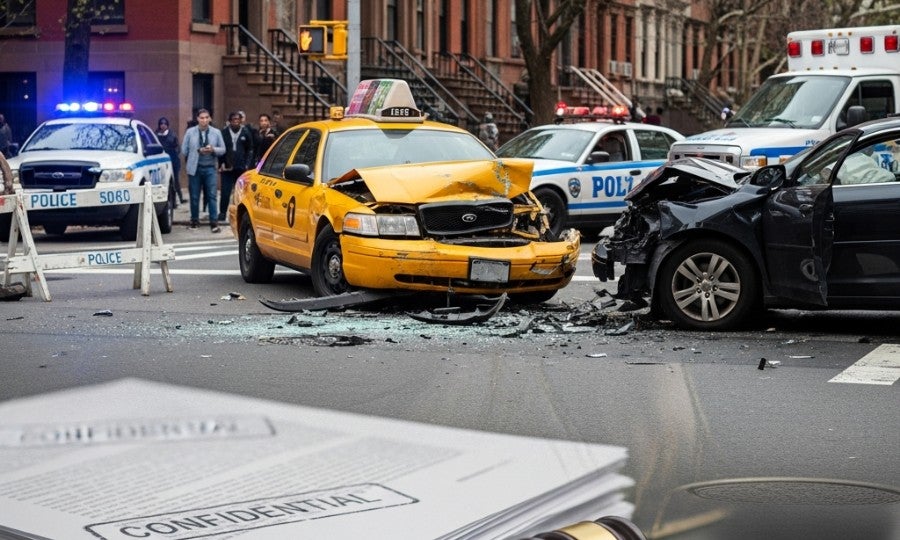
NYC DOT NYC Enhances Bike & Pedestrian Safety in Manhattan

The recent announcement by the NYC DOT NYC regarding significant bike network upgrades and pedestrian improvements in NoHo, East Village, and Union Square marks a crucial step toward creating safer urban environments. From a professional perspective, these initiatives are vital for protecting vulnerable road users, though they also underscore the persistent need for vigilance and legal awareness. What This Means for NYC Residents These enhancements, particularly in bustling Manhattan neighborhoods, promise a safer experience for both cyclists and pedestrians. Dedicated infrastructure, such as protected bike lanes and improved crosswalks, can significantly reduce the potential for collisions. For cyclists, especially the growing number of those using e-bikes in Manhattan, these upgrades are particularly welcome, offering a layer of protection that was previously lacking. While these measures aim to minimize risks, accidents can still occur, and it's essential for riders to understand their rights should they be involved in an incident. For guidance specific to electric bicycle incidents, RMFW Law provides expert representation, including for those needing a Manhattan E-Bike Accident Lawyer. Pedestrian improvements, including better visibility and clearer pathways, are equally important. However, even with enhanced infrastructure, pedestrians in all boroughs, including the Bronx, must remain alert to traffic, distracted drivers, and other hazards. If you or a loved one suffers an injury while walking, seeking advice from a legal professional is crucial to ensure your rights are protected. Our firm has extensive experience assisting those impacted, including offering support as a Bronx Pedestrian Accident Lawyer. While the NYC DOT NYC is making commendable efforts, the reality is that bicycle accidents can happen anywhere in the city, regardless of new installations. Whether you're cycling in the Bronx, Brooklyn, or Queens, improved lanes are a benefit, but they don't eliminate all dangers. Drivers, cyclists, and pedestrians share responsibility for road safety, and when that trust is broken due to negligence, the consequences can be severe. Our team is dedicated to supporting accident victims across the city, providing specialized legal services such as a Bronx Bicycle Accident Lawyer, Brooklyn Bicycle Accident Lawyer, and a Queens Bicycle Accident Lawyer. Key Takeaways Always remain vigilant as a pedestrian or cyclist, even in areas with improved infrastructure. Understand that while safety measures reduce risks, they don't eliminate the possibility of accidents caused by negligence. Familiarize yourself with local traffic laws and safety guidelines specific to cyclists and pedestrians. If you are involved in an accident, document the scene, seek medical attention, and consult with a personal injury attorney to understand your legal options. How do you think these new NYC DOT NYC initiatives will impact your daily commute and overall sense of safety on New York City streets? If you or a loved one was injured in an accident in New York City, contact Rosenberg, Minc, Falkoff & Wolff at (212) 344-1000 for a free consultation. Source: NYC.gov

Understanding the Serious Injury Threshold in NYC No-Fault Cases

Understanding the Serious Injury Threshold in NYC No-Fault Cases

New York's no-fault insurance system offers a crucial safety net for accident victims. However, recovering full compensation often depends on understanding the state's complex " serious injury " threshold. This legal standard determines when you can pursue a personal injury lawsuit for pain and suffering beyond basic medical bills and lost wages covered by no-fault. It is a critical distinction for anyone injured in a New York City car accident. Key Takeaways New York's no-fault system covers economic losses up to $50,000, but requires a 'serious injury' to sue for non-economic damages like pain and suffering. A 'serious injury' is legally defined, including fractures, significant disfigurement, permanent limitation of use, or an impairment preventing daily activities for at least 90 days out of 180 post-accident. Governor Hochul's proposed reforms could tighten the serious injury definition, potentially making it harder for accident victims to pursue pain and suffering claims in New York. Proper medical documentation, including objective findings and expert testimony, is critical for proving a serious injury and strengthening a personal injury claim. Successfully navigating the serious injury threshold NYC requires a clear grasp of the legal definitions involved. Many accident victims are unaware of this crucial requirement. Our firm understands these challenges and guides clients through the process. Understanding New York's No-Fault Law Basics New York operates under a no-fault insurance system. This means your own insurance company generally pays for your medical expenses and lost wages after a car accident, regardless of who caused the crash. This system aims to streamline injury claims and reduce litigation for minor accidents. However, no-fault insurance has limits. It covers economic losses like medical treatment, prescription costs, and up to 80% of lost earnings, typically capped at $50,000 per person. It does not cover non-economic damages, such as pain, suffering, emotional distress, or loss of enjoyment of life. To sue an at-fault driver for these non-economic damages, an injured person must prove they sustained a "serious injury" as defined by New York Insurance Law § 5102(d). This legal hurdle can be significant for many accident victims. Defining a Serious Injury Under New York Law The definition of a serious injury is precise and critical for car accident lawsuits New York. It is not enough to simply feel pain or discomfort. The law outlines several categories that qualify as a serious injury. These categories include fractures, significant disfigurement, permanent consequential limitation of use of a body organ or member, and significant limitation of use of a body function or system. Also, a total loss of a body part or a fetus also qualifies. Another category covers an injury or impairment preventing substantially all of the injured person's usual daily activities for at least 90 days during the 180 days immediately following the accident. This is known as the 90/180-day rule. Medical evidence is paramount in establishing a serious injury. Therefore, objective medical findings from doctors, imaging reports, and expert testimony are often necessary. Subjective complaints of pain alone are generally insufficient to meet this standard. How Proposed Reforms May Impact Your Rights Governor Kathy Hochul recently proposed reforms to New York's no-fault law. These proposals aim to address rising insurance premiums and potential fraud within the system. One key area of focus involves the serious injury threshold itself. The proposed changes could make it more challenging for accident victims to meet the criteria for a serious injury, potentially limiting their ability to sue for pain and suffering. For example, some proposals suggest tightening the definition of certain injury categories. Others might introduce stricter evidentiary requirements for proving impairment. These reforms, if enacted, could significantly alter how car accident claims are handled across New York. Many personal injury attorneys are closely monitoring these developments. Also, accident victims should understand the potential implications for their future claims. Our team keeps clients informed about these legislative changes. We believe in protecting the rights of injured individuals. Plus, we advocate for fair compensation, even as laws evolve. Navigating Pain and Suffering Claims NYC Once an accident victim meets the serious injury threshold, they can pursue a claim for pain and suffering. These non-economic damages are often a significant component of a personal injury lawsuit. They compensate for the physical discomfort, emotional distress, and reduced quality of life caused by an injury. Calculating pain and suffering damages involves several factors. These include the severity and permanence of the injury, the impact on daily activities, the duration of recovery, and the need for ongoing medical treatment. For example, a severe spinal injury that results in chronic pain and limits a person's ability to work or enjoy hobbies could lead to substantial pain and suffering compensation. In contrast, a minor sprain with a quick recovery might yield less. Experienced attorneys assess all aspects of an injury's impact. They compile comprehensive evidence to demonstrate the full extent of a client's suffering. This detailed approach is vital for maximizing recovery. The Role of Medical Documentation and Expert Testimony Proper and timely medical documentation is the cornerstone of any successful serious injury claim. From the moment of a car accident, every doctor's visit, diagnostic test, therapy session, and prescription should be meticulously recorded. This creates a clear timeline of treatment and establishes the medical necessity of care. For instance, an MRI showing a herniated disc after a Brooklyn car accident provides objective evidence. It corroborates a patient's complaints of severe back pain. Without such clear documentation, an insurance company or defense attorney might argue the injury is not serious or not directly related to the accident. Also, expert medical testimony often becomes crucial in complex cases. Doctors can explain the nature of an injury, its prognosis, and its long-term impact on a person's life. Their professional opinions carry significant weight in court and during settlement negotiations. We work with a network of trusted medical professionals to support our clients' claims fully. Examples of Serious Injuries in New York Accident Cases Consider a Queens resident involved in a rear-end collision. They suffer a comminuted fracture of the femur, requiring multiple surgeries and extensive physical therapy. This injury clearly falls under the "fracture" category of a serious injury. Therefore, the victim would likely meet the threshold to pursue a lawsuit for pain and suffering. In another scenario, a pedestrian struck by a vehicle in Manhattan sustains a severe traumatic brain injury. This leads to permanent cognitive deficits and an inability to return to their former employment. Such an injury constitutes a "permanent consequential limitation of use of a body organ or member" and a "significant disfigurement." This victim would also qualify to sue beyond no-fault benefits. Even less obvious injuries can qualify. For example, a Bronx resident develops chronic regional pain syndrome after a minor collision. This condition causes persistent, debilitating pain and swelling, severely limiting their daily life for more than 90 days. With proper medical diagnosis and documentation, this could satisfy the 90/180-day serious injury category. Each case presents unique facts, and a thorough evaluation is always necessary. Seeking Legal Guidance After an NYC Car Accident Dealing with the aftermath of a car accident in New York City can be overwhelming. Understanding the nuances of the serious injury threshold while focusing on recovery adds another layer of complexity. Insurance companies often try to minimize payouts or deny claims by arguing an injury does not meet the legal standard. Consequently, having a skilled NYC personal injury lawyer on your side is essential. An attorney can evaluate your medical records, gather necessary evidence, and determine if your injury qualifies as serious under New York law. They can also represent your interests against aggressive insurance adjusters. Also, they will ensure all legal deadlines are met. For instance, New York's statute of limitations for personal injury claims is generally three years from the date of the accident. Missing this deadline can permanently bar your right to compensation. Do not hesitate to seek professional legal advice. A consultation can provide clarity on your rights and options. It can also help you take confident next steps toward obtaining the compensation you deserve. Related Reading Maximizing Your Car Accident Claim: The New York Serious Injury Threshold Personal Injury Appeal NYC: Strategies for Success After Denial Scaffolding Accident Lawyer Brooklyn: Your Rights Under Labor Law 240 Frequently Asked Questions What specifically qualifies as a 'serious injury' under New York's no-fault law? A 'serious injury' includes fractures, significant disfigurement, permanent consequential limitation of a body part, significant limitation of a body function, or an injury preventing normal daily activities for 90 days within 180 days post-accident. Objective medical evidence is crucial for proving these conditions. How do Governor Hochul's proposed no-fault reforms affect my right to sue after an accident? Governor Hochul's proposed reforms may tighten the definition of a serious injury and introduce stricter evidentiary requirements. If enacted, these changes could make it more challenging for accident victims to meet the threshold necessary to sue for pain and suffering in New York. Can I recover compensation for pain and suffering if my injury is not a fracture or disfigurement? Yes, you can. If your injury causes a 'permanent consequential limitation' or a 'significant limitation' of a body function, or prevents you from performing substantially all your daily activities for at least 90 days out of the first 180 days post-accident, it may qualify as a serious injury, allowing you to sue for pain and suffering. What kind of medical evidence do I need to prove a serious injury in New York? You need comprehensive medical documentation, including diagnostic reports like X-rays or MRIs, detailed doctor's notes, therapy records, and possibly expert medical testimony. This evidence must objectively support the severity and impact of your injury according to the legal definitions. This article was drafted with AI assistance. Please verify all claims and information for accuracy. The content is for informational purposes only and does not constitute professional advice. Free Case Consultation Injured in an accident? Speak directly with an experienced NYC personal injury attorney at Rosenberg, Minc, Falkoff & Wolff. Your consultation is free, confidential, and risk-free. Start Your Free Case Review No obligation - No upfront fees - You don't pay unless we win Follow RMFW Law for legal insights and case results: Facebook Instagram X Pinterest Yelp YouTube Gary Silverstein Gary Silverstein has been a partner of Rosenberg, Minc, Falkoff & Wolff since 2001, and an associate of the firm since 1989. Mr. Silverstein graduated with a Bachelor of Science degree from State University of New York College at Oneonta in 1983. Mr. Silverstein holds a degree of Juris Doctor from the University of Miami School of Law, having graduated in 1988.

When to Contact a Pothole Accident Lawyer in NYC

When to Contact a Pothole Accident Lawyer in NYC

Navigating Pothole Damage Claims in New York City Your Legal Options New York City roads present unique challenges for drivers. Potholes are a common hazard, and they can cause significant vehicle damage. If your car sustained harm from an NYC pothole, you may wonder about your legal options. Filing an NYC pothole damage claim against the city or state is a complex process. It involves specific legal requirements and strict deadlines. Understanding these rules is crucial for protecting your right to seek compensation. Key Takeaways Pothole damage claims against New York City require a mandatory Notice of Claim filed within 90 days of the incident. New York City is generally only liable if it received prior written notice of the specific pothole before your vehicle was damaged. Vehicle repairs from pothole damage, such as tire blowouts or suspension issues, can easily cost hundreds or even thousands of dollars. Many initial claims against the city are denied due to the strict prior written notice law, making legal consultation critical. This guide explains the steps involved in pursuing a claim. We will discuss the vital "prior written notice law" and how it impacts your case. Our goal is to provide clear, authoritative guidance for injured New York drivers. You deserve to know how to confidently navigate this intricate legal landscape. The Harsh Reality of New York City Potholes Potholes are more than just an inconvenience. They represent a real danger to vehicles and sometimes even their occupants. A sudden impact with a deep pothole can lead to tire blowouts, bent rims, suspension damage, and even steering alignment issues. These repairs often cost hundreds or even thousands of dollars. Such unexpected expenses create a significant financial burden for New Yorkers. The city's vast network of roadways constantly battles wear and tear. Freezing temperatures, thawing cycles, and heavy traffic contribute to pothole formation. Maintaining these roads is a monumental task for city agencies. However, drivers should not bear the financial brunt of negligent road maintenance alone. Knowing your rights after a pothole incident is essential. Understanding the Prior Written Notice Law A critical component of any claim against New York City involves the "prior written notice law." This law states that the city is generally not liable for damages caused by a defective condition, like a pothole, unless it received actual written notice of that specific condition before the incident occurred. Also, the city must have failed to remedy the defect within a reasonable time after receiving notice. This legal requirement presents a significant hurdle for many claimants. It means that simply proving the pothole caused your New York vehicle damage is often not enough. You must also demonstrate that the city knew about the specific pothole and had an opportunity to fix it. This rule applies to claims against the City of New York. Different rules may apply for state roads managed by the New York State Department of Transportation. For example, if a resident reported a pothole on a particular street corner in Brooklyn last month, and the city failed to repair it, a driver who hits that same pothole today might have a stronger case. However, if no one reported the pothole, establishing liability becomes much more challenging. Therefore, verifying if prior notice exists is a crucial first step in any pothole damage claim. How to Report a Pothole in New York City Reporting potholes helps the city address road hazards. It also creates a record that could be vital for future claims. You can report potholes to the NYC Department of Transportation (DOT) or via the city's 311 service. Specifically, you can use the 311 website, mobile app, or call 311 directly. Always obtain a service request number or confirmation of your report. This documentation serves as proof that the city received notice of the condition. Remember, even if you did not report the pothole yourself, someone else might have. Your legal team can investigate these records. Consequently, timely reporting by any citizen benefits everyone on New York's roads. Gathering Evidence for Your Pothole Damage Claim Documenting the incident thoroughly strengthens your claim. Immediately after your vehicle strikes a pothole, if it is safe to do so, take clear photographs. Include pictures of the pothole itself, showing its depth and width. Also, photograph the surrounding area to establish location. Capture images of your vehicle's damage from multiple angles. Also, note the exact date, time, and location of the incident. This information helps pinpoint the specific pothole. Obtain contact information for any witnesses present. Their statements can corroborate your account. Keep all repair estimates and invoices for the damage. These documents provide concrete proof of your financial losses. Do not discard any damaged parts before your claim is fully resolved. Your documentation should create a comprehensive picture of what happened. This evidence package will form the foundation of your formal claim. A strong collection of evidence helps demonstrate the extent of your damages and the circumstances of the incident. Plus, it assists your legal team in building a compelling case. Filing a Claim Against New York City First, you must file a "Notice of Claim" within 90 days of the incident if suing a government entity. This is a mandatory first step. It informs the city of your intention to sue and outlines the nature of your claim, the time, place, and manner in which it arose, and the injuries or damages sustained. The Notice of Claim must be served upon the City of New York. You typically file it with the Comptroller's Office. Missing this 90-day deadline may significantly impact your claim. It is an extremely strict statutory requirement. Therefore, immediate action after a pothole incident is critical. Seek legal advice promptly to ensure compliance with all deadlines. After filing the Notice of Claim, the Comptroller's Office may schedule a "50-H hearing." This is a sworn testimony proceeding. During this hearing, you will answer questions about the incident and your damages. An attorney can represent you at this hearing. Subsequently, the city will investigate your claim. This investigation includes checking for prior written notice law records related to the specific pothole. What Happens if Your Claim is Denied? It is not uncommon for initial pothole damage claims against New York City to face denial. The "prior written notice law" often serves as a primary reason for rejection. However, a denial does not necessarily mean the end of your legal options. You still have the right to pursue a lawsuit. You must file this lawsuit within one year and 90 days of the incident if suing a government entity. This deadline applies after serving the Notice of Claim. If your claim is denied, it becomes even more important to consult with an experienced personal injury attorney. They can review the denial and assess the strength of your case. Your attorney can investigate whether the city truly lacked prior notice. Sometimes, notice exists in city records but was not initially found. They can also explore other theories of liability. Consequently, legal guidance is invaluable at this stage. A denial signifies that the city does not believe it is liable or wishes to avoid paying. Your lawyer can negotiate with the city on your behalf. They can also prepare for litigation if a settlement cannot be reached. Remember, pursuing a lawsuit is a formal legal action. It requires a deep understanding of New York municipal law and court procedures. Do not navigate this complex path alone. Seeking Legal Guidance from a Pothole Accident Lawyer in NYC Navigating a pothole damage claim against New York City requires specific legal expertise. An experienced pothole accident lawyer NYC understands the nuances of the "prior written notice law." They know how to investigate city records for evidence of prior notice. They also guide you through the Notice of Claim process and represent you at any required hearings. Our firm has extensive experience representing accident victims in New York City. We understand the frustration and financial strain caused by vehicle damage. We meticulously gather evidence, including photos, repair estimates, and witness statements. Also, we help you understand your rights and options. Our team works tirelessly to build a strong case on your behalf. Retaining legal counsel early can significantly improve your chances of success. Your lawyer handles all communication with the city. This allows you to focus on your vehicle repairs and recovery. We aim to secure the maximum compensation you deserve for your damages. This includes repair costs, towing fees, and rental car expenses. Do not let the complexity of the legal system deter you from seeking justice. Confident Next Steps for Your Pothole Damage Claim Dealing with vehicle damage from an NYC pothole can feel overwhelming. However, you have clear legal options available. The key is to act quickly and methodically. First, document everything immediately after the incident. Take photos, gather witness information, and secure repair estimates. These actions protect your claim. Second, prioritize filing your Notice of Claim within the strict 90-day deadline. This step is non-negotiable for pursuing compensation against the city. Finally, consult with a trusted New York City personal injury attorney. They can help you navigate the "prior written notice law" and the entire claims process. Our firm offers compassionate and authoritative guidance. We are here to help you file pothole claim NYC with confidence. Protect your rights and seek the compensation you deserve. Related Reading Maximizing Your Car Accident Claim: The New York Serious Injury Threshold Personal Injury Appeal NYC: Strategies for Success After Denial Scaffolding Accident Lawyer Brooklyn: Your Rights Under Labor Law 240 Frequently Asked Questions What is the deadline to file a pothole damage claim in NYC? You must file a Notice of Claim within 90 days of the incident. Missing this strict deadline often bars your right to pursue compensation against the city. How does New York's 'prior written notice law' affect my pothole claim? The city is only liable if it received written notice of the specific pothole before your incident. If no notice was filed, your claim faces significant challenges and is often denied. What kind of evidence do I need for a successful pothole damage claim? Gather clear photos of the pothole and vehicle damage, repair estimates, incident details, and any witness information. Document everything immediately after the event. Can I get reimbursed for tire damage from an NYC pothole? Yes, if your claim meets the 'prior written notice' requirement and you file within 90 days, you can seek reimbursement for tire damage and other related vehicle repairs. This article was drafted with AI assistance. Please verify all claims and information for accuracy. The content is for informational purposes only and does not constitute professional advice. Free Case Consultation Injured in an accident? Speak directly with an experienced NYC personal injury attorney at Rosenberg, Minc, Falkoff & Wolff. Your consultation is free, confidential, and risk-free. Start Your Free Case Review No obligation - No upfront fees - You don't pay unless we win Follow RMFW Law for legal insights and case results: Facebook Instagram X Pinterest Yelp YouTube Gary Silverstein Gary Silverstein has been a partner of Rosenberg, Minc, Falkoff & Wolff since 2001, and an associate of the firm since 1989. Mr. Silverstein graduated with a Bachelor of Science degree from State University of New York College at Oneonta in 1983. Mr. Silverstein holds a degree of Juris Doctor from the University of Miami School of Law, having graduated in 1988.
Impact of NYPD Policy on Car Accident Claims

Impact of NYPD Policy on Car Accident Claims

Recent shifts in NYPD accident reporting policies often leave New York City drivers confused. These changes particularly affect minor collisions. Understanding these new approaches is crucial for anyone involved in a traffic accident in NYC. Key Takeaways New York law requires reporting accidents with personal injury or property damage exceeding $1,000 within 10 days using an MV-104 form. NYPD officers may not respond to minor collisions, shifting the burden of evidence collection and reporting to New York City drivers. Proper documentation, including photos, witness details, and a timely self-report, is essential for securing insurance benefits and potential compensation, preventing up to 25% of claims from being delayed or denied. Our firm regularly sees accident victims struggle with documentation. These individuals face challenges when filing insurance claims. We want to clarify what these evolving policies mean for you. NYPD's Evolving Role in Minor Accident Reports For decades, New Yorkers expected police presence at most traffic accidents. However, the NYPD has significantly adjusted its response protocols. They now prioritize incidents involving serious injuries or substantial property damage. Consequently, officers may not respond to minor fender benders. This policy shift places a greater burden on drivers. They must gather evidence independently. For example, if you experience a minor collision in Queens with no apparent injuries, an officer might instruct you to exchange information and file a self-report. This situation requires immediate action from you. Defining a Minor Collision in New York New York law requires accident reporting under specific conditions. You must report any accident involving personal injury. Also, you must report property damage exceeding $1,000. Many minor incidents fall below this threshold. For instance, a small dent or scratched bumper might not meet the $1,000 property damage mark. Therefore, police involvement becomes less likely. However, what appears minor initially can develop into a more serious issue. Hidden injuries often emerge days after a crash. Consequently, documenting everything is vital. What to Do Immediately After a Minor NYC Accident The moments following an accident are critical. Even without police at the scene, you must take specific steps. These actions protect your legal rights and potential insurance claim. First, ensure everyone's safety. Move vehicles to a safe location if possible. Next, check for injuries among all parties involved. Then, start gathering information. This includes names, contact details, and insurance information from all drivers. Get license plate numbers as well. Also, take extensive photographs and videos. Document vehicle damage, road conditions, traffic signs, and any visible injuries. These visual records provide invaluable evidence. Collect witness contact information too. Their statements can corroborate your account. Finally, never admit fault at the scene. The Importance of Filing an Accident Report Yourself If the NYPD does not file an accident report, you must. New York Vehicle and Traffic Law Section 605 mandates self-reporting. You must file a report within 10 days if personal injury occurred or property damage exceeds $1,000. This document is known as an MV-104 form. You can obtain it from the DMV website. Completing this form accurately is essential for your insurance claim. Many insurance companies require an official report. They use it to process claims. Without one, you could face delays or even denial of benefits. Therefore, take this responsibility seriously. Our firm understands the complexities involved. We guide New Yorkers through this process every day. How This Impacts Your Insurance Claim An incomplete or missing accident report significantly impacts your insurance claim. Insurers rely on official documentation. This helps them determine fault and allocate benefits. Without a police report or a properly filed MV-104, your claim might lack crucial support. This could lead to a lower settlement offer. It could also result in a denied claim. Plus, New York is a no-fault state. Your Personal Injury Protection (PIP) insurance covers medical expenses regardless of fault. However, proper reporting ensures access to these benefits. For example, if you sustained whiplash in a Manhattan taxi collision, timely reporting supports your medical treatment. This applies even if an officer did not respond to the scene. When to Contact an NYC Personal Injury Lawyer Even minor accidents can lead to significant complications. This is especially true with evolving NYPD policies. Many victims find themselves overwhelmed by the legal and insurance processes. Our team recommends consulting an experienced NYC personal injury lawyer early. We can help you navigate these complex situations. We ensure proper documentation from the start. For instance, if you were involved in a bicycle accident in Brooklyn, and police did not respond, we can advise on evidence collection. We also help file the necessary reports. A lawyer protects your rights. We negotiate with insurance companies on your behalf. Our firm fights for the compensation you deserve. Common Pitfalls to Avoid Accident victims often make preventable mistakes. These errors can jeopardize their claims. Knowing what to avoid is as important as knowing what to do. Never delay seeking medical attention. Injuries might not seem severe at first. However, a doctor's diagnosis provides critical documentation. Do not communicate extensively with the other driver's insurance company. Their goal is to minimize payouts. Instead, direct inquiries to your own insurer or your lawyer. Also, avoid posting accident details on social media. These posts can be misinterpreted. They might even be used against your claim. Finally, do not sign any settlement agreements without legal review. An attorney ensures the offer truly covers your damages. Understanding Your Rights as an Accident Victim As an accident victim in New York City, you possess specific rights. You have the right to seek medical treatment. You also have the right to pursue compensation for your injuries and damages. This includes medical bills, lost wages, pain and suffering. It also covers property damage. Our firm tirelessly advocates for these rights. We understand the stress and confusion following an accident. We provide clear, authoritative guidance. Our goal is to secure justice for you. Whether you suffered injuries in a Bronx pedestrian accident or a Staten Island car crash, we are here to help. We offer a free consultation. This allows us to assess your case without obligation. Taking Your Confident Next Steps The NYPD's updated accident reporting policies require vigilance from NYC drivers. You must understand your responsibilities. You also need to know your rights. Proper documentation is the foundation of any successful claim. This includes photographs, witness statements, and timely self-reports (MV-104). Do not underestimate their importance. If you or a loved one sustained injuries in a New York City accident, do not face the aftermath alone. Contact an experienced NYC personal injury lawyer promptly. We offer the professional, compassionate support you need during this challenging time. Related Reading Maximizing Your Car Accident Claim: The New York Serious Injury Threshold Personal Injury Appeal NYC: Strategies for Success After Denial Scaffolding Accident Lawyer Brooklyn: Your Rights Under Labor Law 240 Frequently Asked Questions Does NYPD always respond to minor car accidents in NYC now? No, the NYPD now prioritizes accidents with serious injuries or substantial property damage. For minor collisions, officers may instruct drivers to exchange information and file a self-report, placing the responsibility on the individuals involved. What is the deadline for filing an accident report after a crash in New York? New York Vehicle and Traffic Law Section 605 mandates filing an MV-104 accident report within 10 days if the incident involved personal injury or property damage exceeding $1,000. Missing this deadline can jeopardize your insurance claim. What information should I collect at the scene of a minor accident if police do not respond? You should gather names, contact details, and insurance information from all parties, including license plate numbers. Additionally, take extensive photos and videos of vehicle damage, road conditions, and any visible injuries to support your claim. This article was drafted with AI assistance. Please verify all claims and information for accuracy. The content is for informational purposes only and does not constitute professional advice. Free Case Consultation Injured in an accident? Speak directly with an experienced NYC personal injury attorney at Rosenberg, Minc, Falkoff & Wolff. Your consultation is free, confidential, and risk-free. Start Your Free Case Review No obligation - No upfront fees - You don't pay unless we win Follow RMFW Law for legal insights and case results: Facebook Instagram X Pinterest Yelp YouTube Gary Silverstein Gary Silverstein has been a partner of Rosenberg, Minc, Falkoff & Wolff since 2001, and an associate of the firm since 1989. Mr. Silverstein graduated with a Bachelor of Science degree from State University of New York College at Oneonta in 1983. Mr. Silverstein holds a degree of Juris Doctor from the University of Miami School of Law, having graduated in 1988.

Contact Us

Fill out this form below and we'll contact you shortly
*Required Fields