Request Free Consultation

Please fill out the form below for your free consultation or call us at 646-480-0830.

Request Free Consultation

No Fee Unless We Win

Blog / Pedestrian Accidents

Blog

All Pedestrian Accidents Personal Injury Car Accidents Construction Accidents Personal Injury FAQs Legal Terminology Testimonials Truck Accidents Bus Accidents Premises Liability Bicycle Accidents Slip and Fall Workers' Compensation Wrongful Death Train Accidents Brain Injury Motorcycle Accidents Spinal Injuries Catastrophic Injuries Burn Injury Automobile Accident Injuries Elevator Accidents Premises Injuries Airplane Accidents Articles Firm News Resources Brooklyn Medical Malpractice Overview New York City Car Accident Statistics News Dog Bites Featured Testimonials Mass Transit Injuries - Bus/Train Accident Lawyers Scaffold Accidents Boating Accidents Products Liability Queens Medical Malpractice Overview The Bronx Medical Malpractice Overview Hazardous Materials Ski Accidents FAQs Serious Injuries Testimonials SideBar Burn Injuries Negligent Security Scholarship Truck Injuries
Brooklyn Sidewalk Injury Lawyer

Brooklyn Sidewalk Injury Lawyer: Guidance After a Fall

Understanding Side walk Fall s in Brooklyn and New York City Walking through Brooklyn should never lead to a emergency room visit. However, cracked pavement, uneven flags, and neglected walkways cause thousands of severe injuries across NYC every year. When you trip and fall on a broken walkway, finding out who is legally responsible can feel confusing. Key Takeaways NYC Administrative Code § 7-210 shifts primary sidewalk injury liability from the City directly to abutting commercial and residential property owners. Owner-occupied 1-to-3 family residential homes used exclusively for living are exempt under § 7-210(b). The 90-day Notice of Claim requirement comes from General Municipal Law § 50-e when suing the City, not as a direct requirement of § 7-210(b) itself. The New York Court of Appeals established in Xiang Fu He v. Troon Management, Inc. that landlords owe a non-delegable duty and remain liable for sidewalk defects regardless of tenant lease agreements. Many pedestrians assume the City of New York automatically covers public sidewalk injuries. Under NYC Administrative Code § 7-210, primary civil liability for personal injuries caused by unsafe sidewalk conditions shifted from the City directly to abutting real property owners, as detailed by Justia Law. Therefore, private commercial owners, corporate landlords, and multi-family residential building owners bear the legal responsibility to keep public walkways safe. As a top NYC personal injury lawyer, our firm helps injured pedestrians navigate these complex premises liability rules. Understanding who is liable for your Brooklyn sidewalk fall requires examining the specific property type, statutory exemptions, and municipal notice requirements. The Primary Rule of NYC Administrative Code § 7-210 Before 2003, injured pedestrians usually had to bring lawsuits against the municipal government for public walkway defects. Consequently, the City Council enacted § 7-210 to place maintenance duties directly on property owners whose land borders the walkway. This law mandates that abutting owners maintain walkways in a reasonably safe condition. As a result, property owners must clear hazards, fix broken concrete, and address dangerous weather conditions promptly. If an owner fails to maintain their walkway and a pedestrian gets hurt, the owner must compensate the injured victim for medical costs and lost wages. This legal framework protects Brooklyn residents by encouraging proper property upkeep across all five boroughs. The Essential Owner-Occupied Residential Exemption Important exceptions exist within the city code that change who you can hold legally responsible. Specifically, the liability-shifting rule in NYC Administrative Code § 7-210(b) explicitly exempts one-, two-, or three-family residential properties that are whole or partially owner-occupied and used exclusively for residential purposes, according to Justia Law. For example, if you trip outside a single-family house where the homeowner actually resides, the private homeowner is usually exempt from automatic civil liability under § 7-210. In these specific circumstances, primary legal responsibility remains with the City of New York. However, the property must meet both statutory conditions, meaning it must be owner-occupied and used solely for residential living. Also, property owners seeking summary judgment under the § 7-210(b) exemption bear the burden of proving actual owner-occupied status rather than mere ownership, as established by relevant case law. Therefore, an out-of-state landlord who owns a two-family Brooklyn brownstone but rents out both units cannot claim this legal exemption. What Specific Defects Require Sidewalk Repair Not every tiny imperfection on a walkway justifies a personal injury lawsuit. Under NYC Administrative Code § 19-152, physical defects that mandate repair by abutting property owners include vertical elevation differences of 1/2 inch or greater, cracked concrete with loose pieces, and unflush hardware, as documented by The Law Offices of Thomas J. Lavin. Plus, hardware like utility grates or metal doors must sit level with the concrete surface. In addition, property owners must fix structural hazards like sunken slabs, sloped flags, and missing concrete pieces. When property owners ignore these substantial physical defects, severe trip and fall accidents happen. Documenting the exact size and nature of the sidewalk flaw right after your fall creates critical evidence for your claim. Non-Delegable Duties and Out-of-Possession Landlords Commercial landlords often attempt to escape financial liability by blaming their commercial tenants or maintenance contractors. However, the New York Court of Appeals ruled that property owners owe a non-delegable legal duty to the public under § 7-210, meaning landlords remain primarily liable for injuries even if a commercial lease assigns sidewalk maintenance duties to a tenant, as decided in Xiang Fu He v. Troon Management, Inc. on October 24, 2019. Therefore, a commercial property owner cannot hide behind a lease agreement to escape an injury claim. Even if a lease requires a restaurant or retail shop to shovel snow or fix broken pavement, the property owner remains legally responsible to injured pedestrians. However, lease agreements can still create secondary disputes between property owners and commercial tenants. In Guzman v. Howe, the Appellate Division reinstated claims against a Brooklyn restaurant lessee, establishing that ambiguous lease terms regarding sidewalk maintenance obligations create triable issues of fact regarding landlord and tenant responsibilities. Consequently, an experienced Brooklyn sidewalk injury lawyer will evaluate both the building owner and commercial tenants to preserve all potential sources of financial recovery. Proving Negligence in a Brooklyn Sidewalk Injury Claim Holding a non-exempt property owner responsible requires proving specific legal elements under New York personal injury law. Under § 7-210, non-exempt property owners are liable for injuries caused by failure to maintain sidewalks in reasonably safe condition, without requiring proof of creation, notice, or special use. First, creating a defect occurs when an owner performs poor concrete repairs or installs improper driveway cuts. Second, actual notice means the owner received prior written complaints or official city violation notices about the hazard. Third, constructive notice means the structural defect existed long enough for a reasonable owner to discover and repair it. Finally, special use occurs when an owner uses the public walkway for a private benefit, such as installing a cellar door or delivery grate. Proving these elements requires gathering clear evidence quickly before the property owner attempts to fix the hazard or alter the scene. Filing Deadlines and the Notice of Claim Requirement Understanding time limitations is vital after suffering a sidewalk injury in New York City. Standard personal injury lawsuits against private landlords generally carry a three-year statute of limitations. However, when your injury occurs on property maintained by the municipality, strict short deadlines apply. When a fall occurs on a sidewalk still maintained by the City, such as adjacent to an exempt owner-occupied home, the injured party must serve a Notice of Claim on the City within 90 days under General Municipal Law § 50-e, as highlighted by The Newman Firm on August 3, 2026. Missing this crucial 90-day window can bar your legal right to compensation permanently. Because identifying the property owner and determining exemption status takes time, speaking with an attorney immediately after an accident is essential. Prompt action ensures your legal counsel can inspect the sidewalk, file required municipal notices, and protect your right to compensation. Steps to Take Immediately After a Sidewalk Fall Taking specific actions right after a fall can strengthen your premises liability claim significantly. Follow these essential steps if you suffer an injury on a New York sidewalk: Seek immediate medical attention: Visit an urgent care center or emergency room right away to document your physical injuries. Photograph the exact hazard: Take clear, close-up photos of the sidewalk defect, including elevation changes, cracks, loose concrete, or ice accumulation. Use a coin or ruler for scale if possible. Gather witness contact details: Obtain names, phone numbers, and addresses of anyone who saw you fall or witnessed the hazardous condition. Identify nearby commercial cameras: Look for security cameras on adjacent commercial properties that may have recorded your fall. Report the incident: Notify nearby property owners or store managers, but avoid signing written statements without legal advice. Consult a personal injury attorney: Speak with a qualified NYC personal injury lawyer who understands Administrative Code § 7-210 and local court rulings. How Legal Counsel Protects Your Recovery Navigating NYC premises liability claims requires extensive knowledge of municipal codes, appellate decisions, and insurance negotiation tactics. Our Queens car accident attorneys explain how insurance laws apply to multi-vehicle crashes, and similarly, our sidewalk injury team breaks down complex premises liability laws into plain English for accident victims. We perform thorough title searches to verify owner-occupied status, obtain surveillance footage, consult engineering experts, and interface directly with insurance adjusters. If you’ve been injured in a Brooklyn sidewalk fall or a construction accident, you may be entitled to compensation for your medical costs, lost income, and physical suffering. Contacting an experienced attorney immediately helps ensure your rights remain protected at every stage of your claim. Sources Justia Law, NYC Administrative Code § 7-210 Court of Appeals of New York, Xiang Fu He v. Troon Management, Inc. New York Appellate Division Second Department, Summary Judgment Ruling on § 7-210(b) Owner-Occupied Exemption This article was drafted with AI assistance. Please verify all claims and information for accuracy. The content is for informational purposes only and does not constitute professional advice. Free Case Consultation Injured in an accident? Speak directly with an experienced NYC personal injury attorney at Rosenberg, Minc, Falkoff & Wolff. Your consultation is free, confidential, and risk-free. Start Your Free Case Review No obligation - No upfront fees - You don't pay unless we win Follow RMFW Law for legal insights and case results: Facebook Instagram X Pinterest Yelp YouTube Gary Silverstein Gary Silverstein has been a partner of Rosenberg, Minc, Falkoff & Wolff since 2001, and an associate of the firm since 1989. Mr. Silverstein graduated with a Bachelor of Science degree from State University of New York College at Oneonta in 1983. Mr. Silverstein holds a degree of Juris Doctor from the University of Miami School of Law, having graduated in 1988.
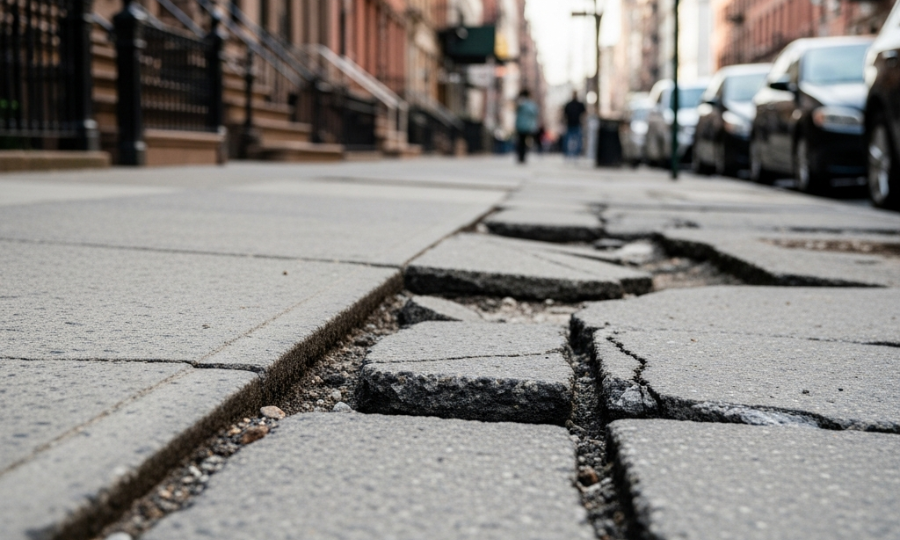

NYC Personal Injury Lawyer Explains Sidewalk Maintenance Rules

NYC Personal Injury Lawyer Explains Sidewalk Maintenance Rules

Understanding New York City Sidewalk Liability Law s Walking through Brooklyn or Manhattan should not lead to a trip to the emergency room. However, thousands of New Yorkers suffer injuries every year because of neglected concrete walkways. The NYC Comptroller's FY 2023 Annual Claims Report shows 2,350 sidewalk personal injury claims, but the specific settlement amount for sidewalk claims is not $53.5 million as stated. That figure does not even account for the high volume of claims filed against private building owners across the five boroughs. Key Takeaways Under NYC Administrative Code Section 7-210, commercial landlords and multi-family residential property owners carry legal liability for sidewalk maintenance and pedestrian falls. The New York Court of Appeals established in Xiang Fu He v. Troon Management, Inc. that a landlord's sidewalk safety duties are non-delegable regardless of tenant lease terms. The 90-day notice requirement under General Municipal Law Section 50-e applies when suing a public corporation, but injuries on sidewalks abutting exempt properties don't automatically require filing against the City. As an experienced NYC personal injury lawyer, I frequently explain to clients that local laws shifted sidewalk maintenance duties years ago. Specifically, New York City Administrative Code Section 7-210 changed how sidewalk accident claims work across the city. Under this statute, primary legal liability for sidewalk defects shifted away from the municipality and onto abutting private real property owners. Consequently, commercial property owners and multi-family residential landlords bear the financial responsibility when pedestrians fall on broken walkways in front of their buildings. Therefore, if you trip on a cracked sidewalk outside a storefront, your legal claim usually lies directly against the property owner. Understanding these legal rules helps accident victims take confident action after suffering a serious fall. The Core Provisions of New York City Administrative Code Section 7-210 In 2003, New York City enacted Administrative Code Section 7-210 to ensure property owners keep public walkways safe. Also, the statute mandates that abutting landowners must construct, repave, repair, and maintain adjoining sidewalks in a reasonably safe condition. As a result, property owners who fail to uphold this statutory duty face direct legal liability for injuries caused by their negligence. However, the law creates a specific exemption for small residential properties. Under New York City Administrative Code Section 7-210(b), one-family, two-family, and three-family residential properties are exempt from this strict liability shift. For this exemption to apply, the owner must occupy at least part of the residential property. Additionally, the property must serve exclusively residential purposes. When an injury occurs outside an exempt owner-occupied home, legal responsibility remains with the municipality rather than the homeowner. Meanwhile, commercial properties, apartment complexes, multi-family rental buildings, and corporate real estate remain fully subject to Administrative Code Section 7-210. Therefore, identifying property ownership constitutes one of the most critical first steps in any Brooklyn sidewalk injury investigation. Landlord Duties Are Non-Delegable Under New York Law Commercial landlords often attempt to escape financial responsibility by pointing to lease agreements. For example, a landlord might argue that a commercial tenant agreed to sweep, shovel, or repair the sidewalk. However, the New York Court of Appeals closed this defense in the milestone 2019 ruling Xiang Fu He v. Troon Management, Inc. In the Xiang Fu He v. Troon Management decision, New York's highest court established that a landlord's duty to maintain adjoining sidewalks under Section 7-210 is completely non-delegable. Consequently, commercial property owners retain primary legal liability to injured pedestrians regardless of what a tenant contract says. Although a landlord may pursue contractual indemnification from a commercial tenant in a separate agreement, the injured pedestrian still holds the property owner accountable in court. As a result, building owners cannot hide behind third-party maintenance contracts or commercial leases. Our Brooklyn construction accident and premises liability legal team uses this precedent to protect injured pedestrians when landlords try to shift the blame. Recognizing Actionable Sidewalk Defects Under City Rules Not every minor imperfection on a sidewalk justifies a lawsuit. Instead, local municipal codes establish clear standards for what constitutes a dangerous, actionable defect. Specifically, New York City Administrative Code Section 19-152 defines physical sidewalk defects that require property owner repair. Under Section 19-152, actionable defects include vertical height differentials between adjacent sidewalk flags or raised hardware. In addition, the code classifies cracked, loose, or rocking concrete slabs as hazardous conditions that property owners must correct. Other common actionable hazards include trip ledges, severely sloped flagstones, and structural holes. Plus, weather-related hazards involve distinct legal timelines. The four-hour rule has exceptions - when snow stops between 5:00 PM and 8:59 PM, property owners have 14 hours to clear sidewalks. However, property owner liability remains limited while a winter storm is actively falling under the long-standing storm-in-progress doctrine. Therefore, establishing the exact timing of weather conditions plays a pivotal role in ice slip and fall claims. Proving Landlord Negligence After a Brooklyn Sidewalk Fall Winning a personal injury claim requires more than showing that a sidewalk flag was broken. Also, New York law requires the injured party to demonstrate that the property owner acted negligently. To establish legal liability under Administrative Code Section 7-210, you must prove one of three legal elements. First, you can prove that the building owner or their agent created the hazardous condition through improper work. Second, you can show that the owner made a special use of the sidewalk flag for their own commercial benefit, such as installing a cellar doorway or delivery grate. Third, you can demonstrate that the owner had actual or constructive notice of the dangerous condition before your fall occurred. Constructive notice means that the defect existed for a sufficient length of time for a reasonable owner to discover and repair it. To build a compelling case, our legal team gathers timestamped photo evidence featuring measuring tools alongside weather records and property maintenance logs. Acting quickly helps preserve critical evidence before a landlord can patch over the hazardous defect. Special Rules and Deadlines for Claims Against the City of New York When a sidewalk fall happens outside an exempt owner-occupied home or near municipal property, different legal rules apply. For instance, sidewalks abutting public schools, parks, government buildings, and city-maintained roadways remain under municipal jurisdiction. In these cases, claims must proceed directly against the City of New York. However, bringing a claim against a municipal entity involves strict statutory deadlines and legal hurdles. Under New York General Municipal Law Section 50-e, an injured party must file a formal Notice of Claim with the City of New York within 90 days of the accident. Missing this 90-day window almost always forfeits your right to compensation permanently. In addition, New York state law requires proof of prior written notice for sidewalk claims against the city. Specifically, you must show that the city received written notice of the precise defect prior to your injury. Because these cases involve tight deadlines and rigorous proof standards, consulting a knowledgeable NYC personal injury lawyer immediately after a fall is essential. What to Do Immediately After Suffering a Sidewalk Injury The steps you take immediately following a sidewalk fall can directly impact your health and your legal recovery. First, seek medical attention right away, even if your injuries seem minor initially. Medical records provide vital proof that connects your injuries directly to the accident. Next, document the scene of the fall thoroughly if you are physically able to do so. Take clear photographs of the broken concrete slab, raised flagstone, or unaddressed ice from multiple angles. For example, placing a small object or ruler next to a vertical lip helps establish the height differential under Section 19-152. In addition, gather contact information from any eyewitnesses who saw your fall. Finally, avoid discussing the details of your fall with property owners or insurance adjusters before consulting a legal representative. Commercial insurance carriers often attempt to minimize payouts or blame pedestrians for failing to look down. An experienced attorney handles all communications with insurers, conducts property searches, and protects your legal rights from day one. Sources New York City Comptroller, Fiscal Year 2023 Annual Claims Report New York State Senate, New York General Municipal Law Section 50-e This article was drafted with AI assistance. Please verify all claims and information for accuracy. The content is for informational purposes only and does not constitute professional advice. Free Case Consultation Injured in an accident? Speak directly with an experienced NYC personal injury attorney at Rosenberg, Minc, Falkoff & Wolff. Your consultation is free, confidential, and risk-free. Start Your Free Case Review No obligation - No upfront fees - You don't pay unless we win Follow RMFW Law for legal insights and case results: Facebook Instagram X Pinterest Yelp YouTube Gary Silverstein Gary Silverstein has been a partner of Rosenberg, Minc, Falkoff & Wolff since 2001, and an associate of the firm since 1989. Mr. Silverstein graduated with a Bachelor of Science degree from State University of New York College at Oneonta in 1983. Mr. Silverstein holds a degree of Juris Doctor from the University of Miami School of Law, having graduated in 1988.
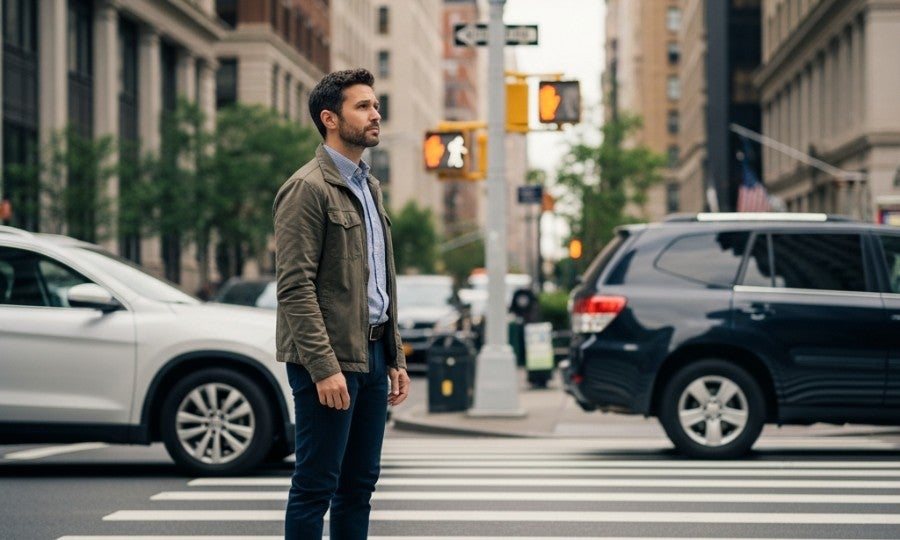
NYC Pedestrian Accident No-Fault

NYC Pedestrian Accident No-Fault: Your Essential Guide

Imagine you're walking across a busy New York City street, minding your own business, when suddenly, you're involved in an accident with a vehicle. It's a terrifying, disorienting experience, isn't it? Beyond the immediate shock and pain, your mind likely races with questions: How will I pay for medical treatment? What about lost wages if I can't work? This is where New York's unique No-Fault insurance system steps in, particularly for pedestrians. Understanding it can feel daunting, but it’s absolutely crucial to protecting your rights and ensuring you get the care you need. In New York, if you're a pedestrian injured in an accident involving a motor vehicle, you're generally entitled to "No-Fault" benefits, also known as Personal Injury Protection (PIP). This system is designed to provide prompt payment for your medical expenses and lost earnings, regardless of who was at fault for the accident. It sounds straightforward, but there are layers to peel back. We're going to walk you through exactly what No-Fault means for you after a pedestrian accident in NYC, covering what it covers, who pays, and the critical steps you need to take. What Exactly is NYC's No-Fault Insurance (PIP)? Here's the thing: New York State operates under a "No-Fault" insurance law, as outlined in Article 51 of the New York State Insurance Law. This means that if you're injured in a car accident – and this includes pedestrians hit by vehicles – your initial medical expenses and a portion of your lost wages are covered by an insurance policy, regardless of who caused the collision. It's a system designed to streamline the process, getting you essential benefits quickly without the immediate need to prove fault. For pedestrians, this typically means the No-Fault benefits will come from the insurance policy of the vehicle that struck you. If that vehicle was uninsured, or if you also own a car with New York insurance, your own policy might kick in. And if neither of those options apply, there's even a safety net through the Motor Vehicle Accident Indemnification Corporation (MVAIC) for qualified victims. This layered approach ensures that, in most cases, you won't be left without initial coverage for immediate needs. Who's Covered Under No-Fault in a Pedestrian Accident? You might wonder, "Am I actually covered as a pedestrian?" The answer is a resounding yes! New York's No-Fault law broadly defines "covered persons" to include pedestrians, passengers, and drivers. Specifically, if you're a pedestrian struck by a car, you are a "covered person" under the vehicle's No-Fault policy. This is a fundamental aspect of the law, designed to protect everyone on the road, not just those inside vehicles. The priority for coverage generally follows a specific order. First, it's the insurance policy of the vehicle that hit you. If that vehicle is uninsured or if you're struck by a hit-and-run driver and you own a car with New York insurance, your own policy would likely be the primary source. Should neither of these scenarios apply, and you meet certain residency and income requirements, MVAIC can serve as a payer of last resort. This intricate system, while sometimes confusing, ultimately aims to ensure that injured pedestrians have a pathway to essential benefits. What Does No-Fault Actually Cover? So, what does this No-Fault coverage actually provide? The basic Personal Injury Protection (PIP) in New York offers up to $50,000 in benefits for what are called "basic economic losses." This isn't just a generic number; it's specifically allocated to cover several key areas: Medical Expenses: This is the big one. No-Fault covers reasonable and necessary medical and rehabilitation expenses incurred as a result of the accident. Think hospital stays, doctor visits, physical therapy, chiropractic care, prescription medications, and even necessary medical equipment. They want you to get better, and this coverage helps facilitate that. Lost Wages: If your injuries prevent you from working, No-Fault can cover 80% of your lost earnings, up to a maximum of $2,000 per month, for up to three years from the date of the accident. This can be a huge relief when you're facing medical bills and can't earn a living. Other Reasonable Expenses: This category includes less obvious but equally important costs, such as transportation expenses to and from medical appointments, and even up to $25 per day for essential services you can no longer perform yourself (like household tasks) for up to a year. It's important to remember that the standard No-Fault policy provides a maximum of $50,000 for these combined benefits. While this sounds like a lot, serious injuries can quickly exhaust these funds. Some policies, however, carry optional additional PIP coverage, which can increase these limits. It's always a good idea to understand the full scope of the coverage available, whether from the striking vehicle's policy or your own. Navigating the "Serious Injury" Threshold You might be thinking, "This all sounds great for medical bills and lost wages, but what about my pain and suffering?" That's a very valid question, and it brings us to one of the most significant aspects of New York's No-Fault law: the "serious injury" threshold. Generally speaking, the No-Fault system restricts your ability to sue the at-fault driver for non-economic damages, like pain and suffering, unless your injuries meet a specific legal definition of "serious injury." This "serious injury" threshold, defined in New York Insurance Law § 5102(d), isn't just a casual term; it's a precise legal standard. It includes categories such as: Fracture Significant disfigurement Dismemberment Permanent loss of use of a body organ, member, function or system Permanent consequential limitation of use of a body organ or member Significant limitation of use of a body function or system A medically determined injury or impairment of a non-permanent nature which prevents the injured person from performing substantially all of the material acts which constitute such person's usual and customary daily activities for not less than 90 days during the 180 days immediately following the occurrence of the injury or impairment. As you can see, this isn't a low bar. A minor sprain, for example, might not meet this threshold, while a broken leg requiring surgery almost certainly would. Proving a "serious injury" often requires extensive medical documentation and expert testimony, which can feel like a complex legal hurdle, we know. This is why having experienced legal counsel is often invaluable; they can help evaluate your injuries against these criteria and advise on your eligibility to pursue a claim for pain and suffering. Your Crucial Steps After an NYC Pedestrian Accident If you find yourself in the unfortunate situation of a pedestrian accident, taking the right steps immediately can significantly impact your ability to receive the benefits you're entitled to. Don't delay; prompt action is key: 1. Seek Medical Attention Immediately Even if you feel fine, or your injuries seem minor, get checked out by a doctor or go to an emergency room. Adrenaline can mask pain, and some injuries, like concussions or internal bleeding, might not be immediately apparent. Medical documentation from the outset creates an official record of your injuries, which is absolutely critical for any insurance claim. This isn't just about your health; it's about establishing a clear link between the accident and your injuries. 2. Report the Accident to the Police Call 911. A police report provides an official, impartial account of the accident, including details like the date, time, location, involved parties, and any witness information. This report can be a vital piece of evidence for your No-Fault claim and any potential personal injury lawsuit. 3. Gather Information at the Scene If you're able, collect as much information as possible: The driver's name, address, phone number, and driver's license number. The vehicle's license plate number, make, model, and year. The driver's insurance company name and policy number. Contact information for any witnesses. Take photos or videos of the accident scene, vehicle damage, your injuries, and any relevant road conditions. (We know this can be tough when you're shaken up, but even a few details can make a big difference.) 4. Notify Insurance Companies Promptly (Crucial 30-Day Deadline!) This is perhaps the most critical step for No-Fault benefits. You must file a No-Fault application (NF-2 form) with the appropriate insurance company within 30 days of the accident. This is a strict deadline, and missing it can jeopardize your right to receive benefits. The application typically goes to the insurance company of the vehicle that struck you. If you're unsure which insurer to contact, an attorney can help identify the correct party. 5. Document Everything Keep meticulous records of all medical appointments, treatments, prescriptions, and out-of-pocket expenses. Maintain a log of your missed workdays and any communications with insurance companies. This comprehensive documentation will be invaluable when processing your claim and proving your losses. 6. Consider Legal Counsel Isn't it easier to just handle it myself? While you can file a No-Fault claim on your own, the process can be complex, especially if your injuries are serious or if there are disputes with the insurance company. An experienced personal injury attorney understands New York's No-Fault laws, can help ensure all deadlines are met, gather necessary evidence, and advocate on your behalf to maximize your benefits. They can also assess whether your injuries meet the "serious injury" threshold, allowing you to pursue a claim for pain and suffering. Common Pitfalls to Avoid Even with the best intentions, people sometimes make mistakes that can harm their No-Fault claims. Be mindful of these common pitfalls: Delaying Medical Treatment: As we mentioned, not seeking immediate care can make it harder to prove your injuries were directly caused by the accident. Missing Deadlines: The 30-day deadline for filing the No-Fault application is non-negotiable. Don't miss it! Giving Recorded Statements Without Advice: Insurance companies may try to get you to give a recorded statement. While you must cooperate with your own insurer, it's wise to consult with an attorney before providing any statements, especially to the at-fault driver's insurer. Not Understanding Your Coverage: Basic PIP might not be enough. Know your own policy's limits and any additional coverage you might have. While no one wants to imagine being in a pedestrian accident in a bustling city like New York, understanding your rights under No-Fault insurance is incredibly empowering. It provides a crucial safety net for your medical care and lost wages during a challenging time. By taking prompt, informed action and potentially seeking professional guidance, you can navigate the complexities of the system and focus on your recovery. Don't let confusion add to your stress; empower yourself with knowledge and proactive steps. We're here to help. This article was drafted with AI assistance. Please verify all claims and information for accuracy. The content is for informational purposes only and does not constitute professional advice. Free Case Consultation Injured in an accident? Speak directly with an experienced NYC personal injury attorney at Rosenberg, Minc, Falkoff & Wolff. Your consultation is free, confidential, and risk-free. Start Your Free Case Review → No obligation • No upfront fees • You don’t pay unless we win Follow RMFW Law for legal insights and case results: Facebook Instagram X Pinterest Yelp YouTube Gary Silverstein Gary Silverstein has been a partner of Rosenberg, Minc, Falkoff & Wolff since 2001, and an associate of the firm since 1989. Mr. Silverstein graduated with a Bachelor of Science degree from State University of New York College at Oneonta in 1983. Mr. Silverstein holds a degree of Juris Doctor from the University of Miami School of Law, having graduated in 1988.

NYC Pedestrian Accidents

NYC Pedestrian Accidents: Who Has the Right of Way?

Pedestrians do have a right of way in New York, but this right isn’t absolute and is governed by a detailed legal framework that places responsibilities on both drivers and pedestrians. The notion of a pedestrian’s right of way is one of the most critical aspects of New York’s traffic laws, given the state's densely populated urban centers. The legal system in New York is designed to protect pedestrians, who are the most vulnerable users of the roadways, and it has evolved over time to become even more protective, particularly within New York City. The Foundational Legal Framework: New York State Vehicle and Traffic Law The fundamental rules of the road for pedestrians in New York are laid out in the New York State Vehicle and Traffic Law (VTL). This body of law sets the baseline for pedestrian rights and duties across the entire state. The most important statutes that govern a pedestrian's right of way are found within this law. VTL § 1151 The first and most critical law is VTL § 1151, which grants pedestrians the right of way when in a crosswalk. This section of the law states that when a pedestrian is lawfully in a crosswalk and the "WALK" signal is lit, they have the right of way over any vehicles. Drivers must yield to the pedestrian and allow them to cross the street safely. This protection is not limited to marked crosswalks. The law applies to any intersection, even if the crosswalk lines are not painted on the pavement. The intent is to protect pedestrians who are crossing where they are expected to be. VTL § 1152 The law also addresses the responsibility of pedestrians, particularly in situations where they are not in a crosswalk. VTL § 1152 deals with pedestrians crossing a roadway at any point other than a crosswalk. In these situations, the law requires that the pedestrian yield the right of way to all vehicles on the roadway. This is often what people refer to as "jaywalking." While a pedestrian may be violating this statute by crossing in the middle of a block, it is a common misconception that this violation absolves the driver of all responsibility if an accident occurs. As we will see, that is not the case. VTL § 1146 Beyond these two core statutes, the VTL also outlines the fundamental duty of care that drivers must exercise. VTL § 1146 is a particularly important statute that requires a driver to exercise due care to avoid colliding with any pedestrian. This means that a driver, regardless of a pedestrian's actions, still has a legal obligation to take reasonable measures to avoid a collision. This is a vital legal principle because it creates a safety net for pedestrians and ensures that even if a pedestrian is technically violating a law, a driver cannot simply hit them without consequence if a collision could have been avoided. This "due care" provision is a cornerstone of pedestrian protection in New York. New York City's Enhanced Protections: Vision Zero While the state VTL provides the foundational legal framework, New York City, with its unique density and high volume of pedestrian traffic, has enacted its own additional laws to further protect pedestrians. These laws, a core component of the city's Vision Zero initiative, have fundamentally changed the legal landscape for drivers. The most significant of these is New York City's Right-of-Way Law (Local Law 29 of 2014). This law makes it a misdemeanor for a driver to fail to yield to a pedestrian or a cyclist who has the right of way, if that failure results in a collision that causes a physical injury. Previously, a driver who failed to yield might only face a traffic ticket. Now, a driver could face criminal charges, including jail time, and an investigation by the NYPD's Collision Investigation Squad. This law has created a powerful deterrent for drivers and a stronger legal foundation for injured pedestrians. The Vision Zero initiative also includes other measures that directly impact a pedestrian's safety and legal standing. These include: Lowered Speed Limits: The citywide speed limit was lowered from 30 mph to 25 mph, which has a direct and significant impact on pedestrian survival rates in a collision. Leading Pedestrian Intervals: At many intersections, the "WALK" signal comes on several seconds before the green light for vehicles, giving pedestrians a head start and making them more visible to turning drivers. Traffic Calming Measures: The city has implemented numerous physical design changes, such as pedestrian islands, curb extensions, and protected bike lanes, to create a safer environment and reinforce the idea that pedestrians are a priority. These local laws and initiatives are not just public safety programs; they are legal tools that a pedestrian's attorney can use to prove a driver's negligence and secure compensation. Applying the Law: Real-World Scenarios The rules surrounding a pedestrian's right of way can seem confusing, so let's apply them to some common real-world scenarios. At a Marked Crosswalk with a Signal: This is the clearest scenario. If you are in a marked crosswalk and the "WALK" signal is illuminated, you have the absolute right of way. Drivers are required to stop and yield to you. If a driver hits you in this situation, they are almost certainly liable for your injuries. At an Unmarked Intersection: This is where many people misunderstand the law. In New York, the law still treats an unmarked intersection as a crosswalk. If a driver is approaching an intersection and you are in the unmarked crosswalk, you have the right of way, and the driver must yield. This is a critical point that can be easily overlooked. When a Car is Turning: This is one of the most common causes of pedestrian accidents in New York City. A driver who is turning at an intersection must yield to any pedestrians who are in the crosswalk and have the "WALK" signal. Even if the driver has a green light, they cannot turn into a pedestrian who is lawfully crossing the street. Crossing Against the Light ("Jaywalking"): This is perhaps the most nuanced scenario. If you cross the street against the light or in the middle of a block (not in a crosswalk), you are technically violating VTL § 1152. However, this does not give a driver a free pass to hit you. Under New York's "due care" law, a driver is still required to take reasonable measures to avoid a collision. If a driver sees you from a block away and has plenty of time to slow down or stop, but hits you anyway, they can still be found negligent. The Role of Comparative Negligence Law The concept of pure comparative negligence is fundamental to a pedestrian accident case in New York. It is a legal doctrine that allows a plaintiff (the injured pedestrian) to recover damages even if they were partially at fault for the accident. The amount of their recovery is simply reduced by the percentage of fault assigned to them. For example, let's say you were crossing the street against the light, and a driver who was texting and driving hits you. A jury might decide that you were 20% at fault for crossing against the light, but the driver was 80% at fault for being distracted and failing to see you. In this case, you would still be able to recover 80% of your total damages. This system provides a fair way to compensate injured parties and ensures that a driver's negligence does not go unpunished just because a pedestrian made a mistake. This is a critical legal concept because it means that even if you feel you were partly to blame for an accident, you may still have a very strong case. An experienced New York pedestrian accident lawyer can navigate this principle and present evidence to a jury to minimize your percentage of fault and maximize your compensation. Responsibilities of Pedestrians: It's a Two-Way Street To be truly informed, it's important to understand that the right of way is not a free pass to ignore all traffic laws. Pedestrians also have legal responsibilities. Under the VTL, pedestrians must: Obey traffic signals: Just as drivers must obey traffic signals, pedestrians must also obey "WALK" and "DON'T WALK" signs. Use crosswalks when available: When a crosswalk is present, pedestrians are required to use it. Not leave a curb or safety zone suddenly: A pedestrian cannot suddenly dart into the path of a vehicle that is so close that it is impossible for the driver to yield. Violating these rules can be considered a form of negligence and can be used by the defense to argue for a higher percentage of comparative fault. While a driver is almost always at a higher legal standard of care due to the sheer destructive potential of their vehicle, a pedestrian's actions are still a factor in any legal analysis. Given the complexities of comparative negligence, the strict deadlines for filing claims, and the aggressive tactics of insurance companies, it is prudent to seek the counsel of a skilled New York pedestrian accident lawyer. They can help you prove liability of the negligent driver and fight for the highest possible compensation you may be entitled to. How Our NYC Pedestrian Accident Attorney Daniel Minc Will Prove the Negligent Driver Violated Your Right of Way and Caused Your Injuries Being struck by a vehicle in New York City is a life-altering experience. After the initial shock and injury, the legal battle begins, and in pedestrian accident cases, it usually starts with a simple but crucial question: "Who had the right of way?" While New York law provides strong protections for pedestrians, having the right of way and proving you had the right of way are two entirely different things. A negligent driver and their powerful insurance company will almost always try to shift the blame to you, claiming you darted into traffic or were distracted. It’s in this moment that the expertise of a top New York City pedestrian accident attorney becomes not just helpful, but absolutely essential. At Rosenberg, Minc, Falkoff & Wolff, LLP, our New York City pedestrian accident lawyer Daniel C. Minc knows that proving a pedestrian's right of way is a systematic, evidence-based process that helps build an undeniable case for damages. We understand the high-stakes game that is a pedestrian accident lawsuit in New York City, and our approach is designed to counter the defendant’s tactics and prove that the driver’s negligence, not your actions, was the sole cause of the accident. The Central Challenge: Your Word Against Theirs The first hurdle in any pedestrian accident case is overcoming the driver’s version of events. In almost every instance, a driver will claim you appeared out of nowhere, you were crossing outside of a crosswalk, or that you were walking against the light. Their insurance company will then use this claim to argue that you are at least partially responsible, and that any potential compensation should be reduced or eliminated entirely. This is why we don't rely on your testimony alone, no matter how truthful it is. We understand that a jury needs more than a he-said-she-said argument. We need concrete, irrefutable evidence that proves your position and the driver’s violation of the law. Daniel Minc and his investigative team immediately launch into a full-scale evidence collection process, designed to leave no stone unturned. The Investigative Playbook: Proving Your Right of Way in New York In the fast-paced environment of the five boroughs, evidence can vanish in a moment. Our team acts with urgency, leveraging our deep knowledge of the city's resources to secure and preserve the critical evidence that will prove you had the right of way. Securing and Analyzing Surveillance Footage: Our team immediately sends preservation letters to businesses, residential buildings, and the city’s Department of Transportation to secure any security camera or traffic camera footage of the accident. A video that shows the "WALK" signal in your favor, or a driver running a red light, is often the most powerful form of evidence. We also look for footage that shows the driver's vehicle in the moments leading up to the accident, which can reveal a pattern of reckless driving or distraction. Finding and Interviewing Eyewitnesses: A neutral third-party witness can be the key to winning your case. Our investigators canvass the area around the accident scene, speak with local business owners, and follow up on any leads from the police report to find people who saw the accident happen. We then take sworn statements from these witnesses to lock in their testimony and prevent the defense from trying to intimidate or mislead them later. Obtaining and Scrutinizing the Police Report: The NYPD police report is a key starting point for our investigation. While it may not contain a final determination of fault, it includes vital information like the driver's contact information, their insurance details, and, in some cases, the officer's own observations or a diagram of the accident scene. We diligently review this report for inconsistencies, omissions, or details that can support your claim. Leveraging Digital and Technical Data: Our investigation goes beyond simple witness testimony. We work to obtain data from the at-fault vehicle's Event Data Recorder (EDR), generally referred to as a "black box." This data can show the vehicle's speed, braking patterns, and steering input in the seconds before the crash. We also may subpoena data from the city's traffic light management system to prove exactly when the traffic signal was in your favor at the time of the accident. This technical evidence is almost impossible for the defense to refute. The Legal Strategy: Connecting Evidence to the Law Collecting evidence is only half the battle. The other half is using that evidence to build an airtight legal argument. Daniel Minc's expertise lies in taking this mountain of evidence and crafting a legal narrative that is both compelling and directly tied to New York's laws. The Power of NYC's "Right-of-Way Law": We use New York City's Local Law 29 of 2014, a key part of the Vision Zero initiative, to argue that the driver committed not just a traffic violation, but a criminal act. By showing that the driver failed to yield to you while you were in the crosswalk with a "WALK" sign, and that this failure caused your physical injury, we elevate the severity of their actions. This puts immense pressure on the driver's insurance company to settle, as they want to avoid a potentially devastating jury verdict. The "Due Care" Argument: Even in situations where you may have been crossing outside of a crosswalk, we use VTL § 1146, which requires a driver to exercise "due care" to avoid a collision. We argue that no matter where you were, a reasonable driver should have seen you and avoided hitting you. We use evidence like the driver's EDR data to show they were speeding or distracted, or surveillance footage to show that you were visible for a prolonged period of time. Rebutting Comparative Negligence Claims: The defendant will almost always try to use New York's pure comparative negligence law to reduce your compensation. Our strategy is to use our comprehensive evidence to minimize or completely eliminate any fault placed on you. We will argue that even if you were technically violating a minor traffic rule, the driver’s egregious negligence was the primary cause of the accident, thereby ensuring that your total compensation is not reduced. The Role of Expert Witnesses In some of the most complex cases, the use of expert witnesses becomes paramount to proving a right of way violation. Daniel Minc has a network of top professionals who can bring scientific and technical clarity to your case. For instance, an accident reconstructionist can use all the evidence we have collected to create a scientific recreation of the accident, showing the jury exactly how it happened. A traffic signal expert can provide sworn testimony to confirm the timing of a traffic signal at the moment of the crash. This expert testimony turns a he-said-she-said argument into a factual, evidence-based conclusion that is difficult for the defense to overcome. Get New York’s Best Pedestrian Accident Attorney on Your Side In a New York City pedestrian accident, simply having the right of way is not enough to win your case. You need a skilled and relentless attorney who knows how to prove it. The driver and their insurance company will fight fiercely to shift the blame and avoid paying you the compensation you are owed. Our NYC pedestrian accident lawyer Daniel Minc and the team at Rosenberg, Minc, Falkoff & Wolff, LLP, understand this battle and are prepared for it. By leveraging our systematic investigative approach, our deep knowledge of New York's laws, and our network of experts, we build a strong case that proves the driver's violation of your right of way, holds them accountable, and secures the maximum compensation you need to heal and move forward. To schedule your free consultation, call us at 212-344-1000 or contact us online. Daniel Minc Daniel C. Minc is a Member and Partner of the prominent New York City law firm of Rosenberg, Minc, Falkoff & Wolff, LLP. Mr. Minc holds a Bachelor’s Degree from Hofstra University, a Master of Arts Degree in Economics from the State University of New York at Stony Brook and a Juris Doctor Degree from Seton Hall University School of Law.

Distracted Walking NYC

Distracted Walking NYC: Understanding the Hidden Dangers

You're rushing down a crowded New York City street, maybe dodging a hot dog stand, an aggressive taxi, or a street performer. Your phone buzzes, and instinctively, your eyes drop. Just for a second. But that second? In a city that never stops, it's enough to change everything. We often talk about the dangers of distracted driving, and rightfully so. It's a critical issue that contributes to countless accidents on our roads. But what about the person on foot? Here's the thing: while drivers get most of the attention for their digital diversions, there's a quieter, yet equally perilous, epidemic unfolding on our sidewalks: distracted walking. In a city like New York, where millions navigate bustling streets daily, a moment's inattention can have serious consequences. We're not just talking about bumping into someone or missing your stop; we're talking about a significant contributor to pedestrian accidents, injuries, and even fatalities. It's a hidden danger that's becoming increasingly visible, and it's time we talked about it openly and honestly. The Alarming Rise of Pedestrian Incidents in NYC New York City is a marvel of pedestrian activity, but that vibrant energy comes with its own set of risks. The numbers, frankly, are a bit sobering. According to reports from the NYC Department of Transportation (DOT) and initiatives like Vision Zero, pedestrian fatalities and injuries remain a serious concern. While Vision Zero has made commendable strides in reducing traffic-related deaths, pedestrian safety, particularly concerning distracted behavior, continues to be a persistent challenge. For instance, Federal DOT agencies publish intersection safety statistics in various reports and fact sheets, but no recurring 'Annual Traffic Report' with this specific title was identified, often highlighting that a significant percentage of severe pedestrian injuries and fatalities occur at intersections, precisely where a momentary lapse in attention — from either a driver or a pedestrian — can be catastrophic. It's not just the big, dramatic collisions; it's also the near-misses, the trips, and the falls that could have been easily avoided if only our attention hadn't been elsewhere. What Exactly is "Distracted Walking"? You might wonder, 'What even counts as distracted walking?' It's more than just texting. Generally speaking, it's any activity that diverts a pedestrian's attention from their surroundings, their path, or traffic conditions. Of course, the most common culprit we see these days is the smartphone. People are engrossed in emails, social media feeds, or streaming videos, completely oblivious to the world around them. But it's not just screens. It could be listening to music at an excessively high volume, deep in conversation with a friend, or even navigating a complex map on a device. Anything that pulls your focus away from the immediate environment where you're moving – especially in a dynamic, unpredictable place like NYC – falls under this umbrella. We're talking about a fundamental shift in situational awareness, and it's something we're all guilty of doing at some point, aren't we? The Legal Landscape: Are There Laws Against This? This is where it gets a little nuanced. Unlike distracted driving, which is clearly defined and prohibited by New York State law (think cell phone use while driving), there isn't a specific statewide 'distracted walking' law. You won't get a ticket just for walking while texting, at least not directly for that action. However, that doesn't mean there are no legal implications. When an accident occurs, say a pedestrian walks into traffic and is struck by a vehicle, the legal concept of 'comparative negligence' often comes into play. New York follows a pure comparative negligence rule ( CPLR § 1411). This means that if you, as a pedestrian, are found to be partially at fault for an accident – perhaps because you were distracted and not paying attention – your ability to recover damages from a negligent driver could be reduced by your percentage of fault. For example, if a jury determines you were 30% at fault for stepping into traffic while looking at your phone, and a driver was 70% at fault for speeding, your compensation would be reduced by 30%. 2026 update: New York’s pure comparative negligence rule changed for motor vehicle accidents. Under CPLR § 1411(b) (effective May 27, 2026), a pedestrian struck by a motor vehicle whose fault is greater than the driver’s is now barred from recovering; at 50% or less they still recover, reduced by their fault percentage. It's a crucial point, because while the primary goal is safety, understanding the legal ramifications can sometimes be the wake-up call we need. Real-World Consequences: Beyond a Bumped Shoulder Let's get real about what this looks like on the ground. It's not always just a minor stumble. Consider a scenario: a tourist, navigating Midtown Manhattan near Times Square, is deeply engrossed in their phone, trying to find directions. They step off the curb against the light, completely missing the 'Don't Walk' signal and the yellow taxi making a legal turn. The result? A fender-bender for the cab, but a broken ankle and a concussion for the pedestrian. That's a week in the hospital, months of physical therapy, and a hefty medical bill. Or think about this: a local resident, walking home in Brooklyn, scrolling through TikTok, doesn't see the uneven sidewalk slab or the discarded construction debris. They trip, fall awkwardly, and break a wrist. A simple oversight, a momentary distraction, has now led to a painful injury, lost work days, and a significant disruption to their life. Can a text message truly be worth a trip to the emergency room, or worse? These aren't hypothetical; they're daily occurrences in a city as dense and dynamic as ours. We're seeing more reports of serious injuries, from head trauma to broken bones, directly linked to pedestrians failing to observe their surroundings. Taking Back Our Streets: Practical Solutions for Pedestrians So, what's the solution then? It's easy to feel frustrated by the constant pull of our devices, but we're not powerless. Reclaiming our awareness on the streets of NYC starts with simple, yet impactful, changes in habit. First, let's make a conscious effort to 'look up.' When you're crossing a street, waiting for a light, or navigating a crowded sidewalk, your phone can wait. That email, that text, that social media update – it's rarely as urgent as your personal safety. Second, be predictable. Walk defensively, just as you'd drive defensively. Make eye contact with drivers, even if you have the right of way. Assume they might not see you. Third, if you absolutely must use your phone, step off to the side, away from the flow of traffic and other pedestrians. Find a safe spot where you won't be a hazard to yourself or others. It sounds basic, I know, but sometimes the most effective solutions are the simplest. We're talking about building a new 'street smart' habit for the digital age. Technology's Role: Friend or Foe? It's a bit ironic, isn't it? The very technology that often distracts us also offers potential solutions. Many newer smartphones now include features like 'Heads-Up' or 'Screen Time' reports that can alert you to your usage while walking, or even encourage you to look up. Apple's iOS has a 'Walking Steadiness' feature which, while primarily for fall detection, can make you more aware of your posture and surroundings. While these are helpful tools, they're not a substitute for personal responsibility. The truth is, the fundamental choice rests with each of us. We have to decide if the momentary gratification of a notification is worth the potential risk to our safety and the safety of those around us. It's about finding that balance, where technology serves us, rather than dominates our attention, especially when we're out and about in a bustling environment like New York. Navigating New York City is an art form, a dance between millions of people, vehicles, and the constant hum of life. Distracted walking isn't just a minor annoyance; it's a genuine public safety issue that demands our attention. We're all part of the solution. By committing to being more present, more aware, and more responsible for our actions on foot, we can significantly reduce the risks for ourselves and for everyone else sharing our incredible city. So, the next time your phone buzzes on the street, take a moment. Look up. Take in the city. Your safety, and the safety of others, truly depends on it. Let's make our streets safer, one conscious step at a time. Free Case Consultation Injured in an accident? Contact Rosenberg, Minc, Falkoff & Wolff for a free and confidential case review with an experienced NYC personal injury attorney. Contact Us Follow RMFW Law for legal insights and case results: Facebook Instagram X (Twitter) Pinterest Yelp YouTube Gary Silverstein Gary Silverstein has been a partner of Rosenberg, Minc, Falkoff & Wolff since 2001, and an associate of the firm since 1989. Mr. Silverstein graduated with a Bachelor of Science degree from State University of New York College at Oneonta in 1983. Mr. Silverstein holds a degree of Juris Doctor from the University of Miami School of Law, having graduated in 1988.

NYC Street Design for Pedestrians

NYC Street Design for Pedestrians: Creating Safer Urban Spaces

Navigating New York City: The Evolution of Pedestrian Safety and Accessibility New York City, a vibrant metropolis, constantly evolves. Its streets, once primarily designed for vehicle flow, are undergoing a significant transformation. The NYC Department of Transportation (DOT) actively implements street design changes to enhance pedestrian safety, creating a more inclusive and secure urban environment for everyone. These upgrades are not just about convenience; they are about saving lives and improving the quality of life for millions of residents and visitors. At RMFW Law, we understand the critical importance of safe streets. We continually monitor these developments, advocating for pedestrians and ensuring their rights are protected. The city's commitment to modernizing its infrastructure directly impacts pedestrian well-being, a cause we champion vigorously. Expanded Pedestrian Spaces: More Room to Move One of the most visible changes involves expanding pedestrian spaces. The DOT recognizes that wider sidewalks and dedicated pedestrian plazas provide crucial benefits. They reduce overcrowding, minimize conflicts between pedestrians and vehicles, and create a more pleasant walking experience. For instance, initiatives to convert underutilized street space into pedestrian-only areas or widen existing sidewalks have gained momentum. These expanded zones offer more than just extra room; they foster a sense of community, encourage walking, and support local businesses by inviting more foot traffic. Suddenly, a chaotic intersection can become a vibrant public square, thanks to thoughtful urban planning. Intersection Safety Upgrades: Making Crossings Safer Intersections are often danger zones for pedestrians. The NYC DOT addresses this through comprehensive intersection safety upgrades. These improvements aim to reduce the likelihood of collisions and protect vulnerable road users. Shorter Crossings and Raised Crosswalks Many redesigns involve shortening pedestrian crossing distances. This reduces the time pedestrians spend in the street, directly lowering their exposure to traffic. Additionally, raised crosswalks are becoming more common. These act as speed bumps for vehicles, forcing drivers to slow down as they approach and cross pedestrian pathways. This simple yet effective design element significantly enhances safety. 'Daylighting' Intersections: Improving Visibility for Everyone Another crucial strategy is 'daylighting' intersections. This practice involves removing parking spaces or other obstructions within a specific distance (typically 20-30 feet) of a crosswalk. By clearing these zones, drivers gain an unobstructed view of pedestrians approaching or in the crosswalk, and pedestrians can see oncoming vehicles more clearly. Daylighting dramatically improves sightlines, especially for children or individuals using wheelchairs, preventing collisions that might occur due to blind spots. It's a proactive measure that prevents accidents before they happen. Accessibility Upgrades: Streets for All Commuters Beyond general safety, the NYC DOT is making significant strides in accessibility. These upgrades ensure that streets are safer and more navigable for all commuters, especially those with disabilities. True urban planning considers the needs of every individual, promoting independence and mobility. Accessible Pedestrian Signals (APS): Guiding the Way The installation of Accessible Pedestrian Signals (APS) represents a major leap forward. These specialized signals provide crucial information to visually and hearing-impaired pedestrians. APS units include audible tones, vibrating surfaces, and sometimes even spoken messages, indicating when it is safe to cross the street. This technology empowers individuals who might otherwise face significant challenges navigating busy intersections, ensuring they can cross confidently and safely. The deployment of APS across the city demonstrates a strong commitment to inclusive design. Bus Boarding Islands: A Safer Way to Board Bus boarding islands are another innovative accessibility feature. These raised platforms are built into the street, separating waiting bus passengers from moving traffic. Buses pull up directly to the island, allowing passengers to board and alight safely without stepping into the street. This design not only protects passengers but also improves bus efficiency by reducing dwell times and preventing vehicles from blocking the bus lane. For individuals with mobility challenges, these islands eliminate the dangerous step down from a curb into the street, making public transit more accessible and less hazardous. Curb Ramps and Detectable Warning Surfaces Complementing these larger initiatives are ongoing efforts to install and maintain compliant curb ramps at every intersection. These ramps provide smooth transitions from sidewalks to streets, essential for wheelchair users, parents with strollers, and individuals with walking aids. Paired with detectable warning surfaces (often textured, truncated domes), these features alert visually impaired pedestrians to the edge of the sidewalk and the presence of a street crossing. These seemingly small details collectively create a network of accessibility that transforms the urban landscape. The Impact on NYC Residents and the Role of RMFW Law These infrastructure and accessibility upgrades have a profound impact on the daily lives of New Yorkers. They contribute to a city where walking is safer, more enjoyable, and accessible to everyone, regardless of age or ability. Reduced pedestrian injuries and fatalities represent the ultimate goal, fostering a healthier and more connected community. However, even with the most advanced safety measures, accidents can still occur. When they do, the consequences for pedestrians can be devastating. At RMFW Law, we remain dedicated to representing victims of pedestrian accidents. Our team understands the complexities of New York City's traffic laws and the nuances of accident claims. We work tirelessly to ensure that injured pedestrians receive the compensation they deserve for medical expenses, lost wages, and pain and suffering. Knowing your rights is paramount in a city constantly striving for safer streets. If you or a loved one experiences a pedestrian accident, understanding your legal options can make a significant difference. We provide expert guidance, offering clarity and support during challenging times. Conclusion: A Future of Safer, More Accessible Streets The NYC Department of Transportation's initiatives—from expanding pedestrian spaces and daylighting intersections to installing Accessible Pedestrian Signals and bus boarding islands—demonstrate a clear commitment to pedestrian safety and accessibility. These upgrades are transforming New York City into a more walkable, equitable, and secure urban environment. While progress continues, vigilance and legal advocacy remain essential. RMFW Law stands ready to assist, ensuring that as the city evolves, the rights and safety of its pedestrians are always at the forefront. Free Case Consultation Injured in an accident? Contact Rosenberg, Minc, Falkoff & Wolff for a free and confidential case review with an experienced NYC personal injury attorney. Contact Us Follow RMFW Law for legal insights and case results: Facebook Instagram X (Twitter) Pinterest Yelp YouTube Gary Silverstein Gary Silverstein has been a partner of Rosenberg, Minc, Falkoff & Wolff since 2001, and an associate of the firm since 1989. Mr. Silverstein graduated with a Bachelor of Science degree from State University of New York College at Oneonta in 1983. Mr. Silverstein holds a degree of Juris Doctor from the University of Miami School of Law, having graduated in 1988.
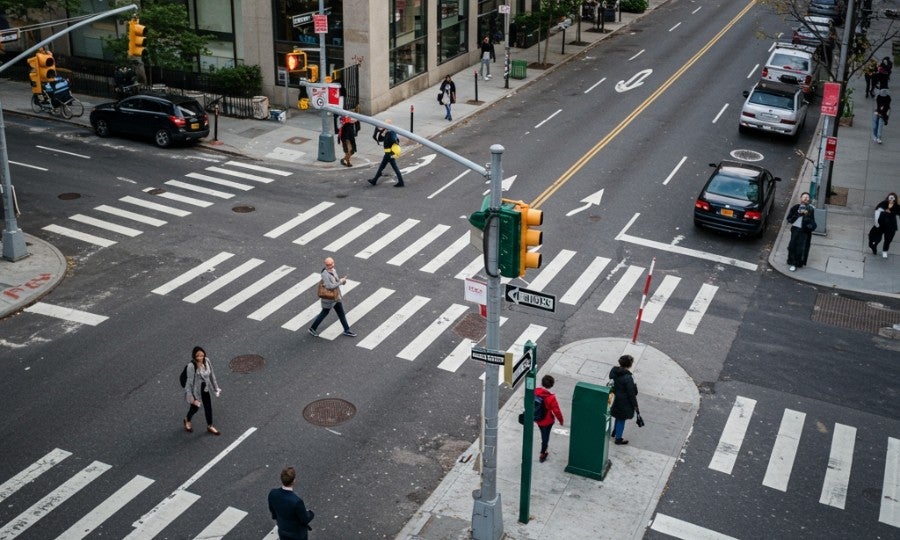
Unpacking the Leading NYC Pedestrian Accidents Causes

Unpacking the Leading NYC Pedestrian Accidents Causes

New York City pulsates with life. Its sidewalks are constantly bustling. Millions navigate its intricate grid daily. However, beneath this vibrant energy lies a stark reality: NYC is a dangerous place for pedestrians. While distracted driving often dominates headlines, it is merely one piece of a much larger, more complex puzzle. Many factors contribute to the alarming frequency of pedestrian accidents here. Understanding these multifaceted causes is crucial for preventing future tragedies and for advocating for safer streets. Beyond the Glare of Screens: Unpacking Diverse Threats Pedestrian safety in a dense urban environment like New York City requires constant vigilance. It demands a clear understanding of the risks. Our firm, RMFW Law, frequently represents individuals injured in these preventable incidents. We have observed patterns that extend far beyond a driver looking at their phone. Indeed, a combination of driver behaviors, vehicle design, and infrastructural shortcomings often converges to create hazardous conditions. Therefore, it is essential to examine these elements in detail. The Lethal Impact of Speeding Speeding remains a silent killer on city streets. Drivers often underestimate the dangers of exceeding posted limits, even by a few miles per hour. A vehicle traveling at higher speeds requires significantly more distance to stop. Consequently, a driver's reaction time diminishes drastically. Furthermore, the force of impact in a collision escalates exponentially with speed. A pedestrian struck at 40 mph faces a far greater risk of fatality than one hit at 20 mph. This critical difference highlights why speeding is so perilous in pedestrian-heavy areas. In addition, aggressive drivers may weave through traffic, increasing unpredictability for walkers. NYC streets, despite their density, can tempt drivers to accelerate. Some wider avenues, for instance, encourage higher speeds. This creates a dangerous paradox. Drivers seek to save time, yet they put lives at extreme risk. Our city's design often does not adequately deter this behavior. Thus, pedestrians must always remain alert, even when they have the right-of-way. Speeding is not just reckless; it is often deadly. Driver Inattention: More Than Just Phones Distracted driving is a broad term. It encompasses much more than texting while driving. While cell phone use is a significant problem, other forms of driver inattention are equally concerning. Drivers might be adjusting their GPS, engaging with passengers, eating, or simply daydreaming. Any activity that diverts a driver's focus from the road, even momentarily, can have catastrophic consequences for pedestrians. A second's glance away can mean failing to see a crossing pedestrian. This brief lapse can lead to serious injuries or worse. Moreover, the sheer volume of visual and auditory stimuli in NYC can overwhelm drivers, making it harder to concentrate fully on the road ahead. Therefore, vigilance is always key. The "look but don't see" phenomenon is particularly troubling. A driver's eyes may be on the road, but their mind is elsewhere. They might technically "see" a pedestrian, yet fail to register their presence as a threat. This cognitive distraction is insidious. It makes identifying negligent drivers challenging in some cases. However, the impact on the pedestrian is undeniably real. Consequently, even a seemingly minor lapse in attention can change a life forever. The Growing Threat of Larger Vehicles The increasing popularity of larger vehicles—SUVs, pickup trucks, and vans—presents a unique and growing danger to pedestrians. These vehicles are taller and heavier than traditional sedans. As a result, they have larger blind spots, particularly directly in front of the vehicle. This means a driver may not see a child or even a shorter adult directly in front of their grille. Furthermore, the higher impact point of these vehicles means that when a pedestrian is struck, they are often thrown further or dragged beneath the vehicle, leading to more severe injuries. In addition, the sheer mass of an SUV means it carries more kinetic energy. This translates to a greater force upon impact. Stopping distances are also longer for heavier vehicles, especially in wet conditions. Consequently, a driver in an SUV might have less time to react and stop safely. The sheer size of these vehicles can also intimidate pedestrians, making them feel less safe even when crossing legally. The trend towards bigger vehicles on our narrow, crowded city streets is a significant factor in the severity of pedestrian accidents today. Thus, their prevalence adds another layer of risk. Infrastructural Shortcomings: The City's Silent Contributors New York City's infrastructure, while iconic, also plays a critical role in pedestrian safety. Certain design flaws and maintenance issues contribute significantly to accidents. These issues often go unnoticed until a tragedy occurs. They are systemic problems requiring large-scale solutions. Indeed, the city's urban planning history has left some dangerous legacies. Dangerous Intersections Some intersections in NYC are inherently dangerous. They may have complex layouts, poor sightlines, or inadequate signage. For instance, intersections with multiple turning lanes or those where drivers are permitted to turn on red (though less common in NYC, still exist in some forms or where drivers disregard signs) create confusion. Pedestrians often face short crossing times, forcing them to rush. This is especially true for the elderly or those with mobility challenges. Consequently, they may be caught in the intersection as traffic lights change. Poorly synchronized traffic signals can also contribute to conflicts between vehicles and pedestrians. Moreover, unmarked crosswalks or faded lines make it difficult for both drivers and pedestrians to understand the right-of-way clearly. These design flaws are not mere inconveniences; they are accident catalysts. Wide Roadways and Lack of Safe Zones Wide, multi-lane roadways, while designed for vehicle throughput, can be extremely hazardous for pedestrians. They encourage higher vehicle speeds. They also require pedestrians to cross greater distances. This increases their exposure time in traffic. In addition, the lack of sufficient pedestrian islands or refuge areas leaves walkers stranded in the middle of busy streets. Similarly, inadequate lighting in certain areas at night reduces visibility for both drivers and pedestrians. This makes nighttime crossings particularly perilous. Furthermore, construction zones often force pedestrians into traffic lanes without proper barriers. These infrastructural elements, seemingly minor, combine to create a perilous environment for anyone on foot. They demand thoughtful urban planning solutions. The Perilous Convergence of Factors Ultimately, pedestrian accidents in New York City are rarely caused by a single factor. More often, they are the tragic result of multiple elements converging. Imagine a scenario: A driver, slightly distracted by their radio, is also traveling a few miles over the speed limit on a wide avenue. As they approach a complex, poorly lit intersection, a pedestrian, assuming they have enough time, begins to cross. If that vehicle is a large SUV with a significant blind spot, the stage is set for disaster. Each individual factor amplifies the risk. The combination creates a highly volatile situation. Thus, understanding this interplay is crucial for prevention. It also helps in establishing liability after an accident. Protecting Your Rights After an NYC Pedestrian Accident Being involved in a pedestrian accident is a traumatic experience. The injuries can be severe and life-altering, ranging from broken bones and head trauma to spinal cord injuries. Medical bills can quickly accumulate. Lost wages from time off work add further financial strain. Navigating the legal complexities of a personal injury claim can feel overwhelming, especially while recovering. Therefore, seeking experienced legal counsel is paramount. At RMFW Law, we understand the profound impact these accidents have on victims and their families. We possess extensive experience in handling complex pedestrian accident cases throughout New York City. Our team meticulously investigates every aspect of the incident. We work to identify all contributing factors, including driver negligence, vehicle issues, and even infrastructural flaws. Our goal is to build a strong case on your behalf. We aim to secure the maximum compensation you deserve for your medical expenses, lost wages, pain and suffering, and other damages. Do not face this challenge alone. We are here to help. Your recovery is our priority. If you or a loved one has been injured in a pedestrian accident in NYC, contact RMFW Law today for a free consultation. We can discuss your rights and options. Let us fight for justice while you focus on healing. Free Case Consultation Injured in an accident? Contact Rosenberg, Minc, Falkoff & Wolff for a free and confidential case review with an experienced NYC personal injury attorney. Contact Us Follow RMFW Law for legal insights and case results: Facebook Instagram X (Twitter) Pinterest Yelp YouTube Gary Silverstein Gary Silverstein has been a partner of Rosenberg, Minc, Falkoff & Wolff since 2001, and an associate of the firm since 1989. Mr. Silverstein graduated with a Bachelor of Science degree from State University of New York College at Oneonta in 1983. Mr. Silverstein holds a degree of Juris Doctor from the University of Miami School of Law, having graduated in 1988.
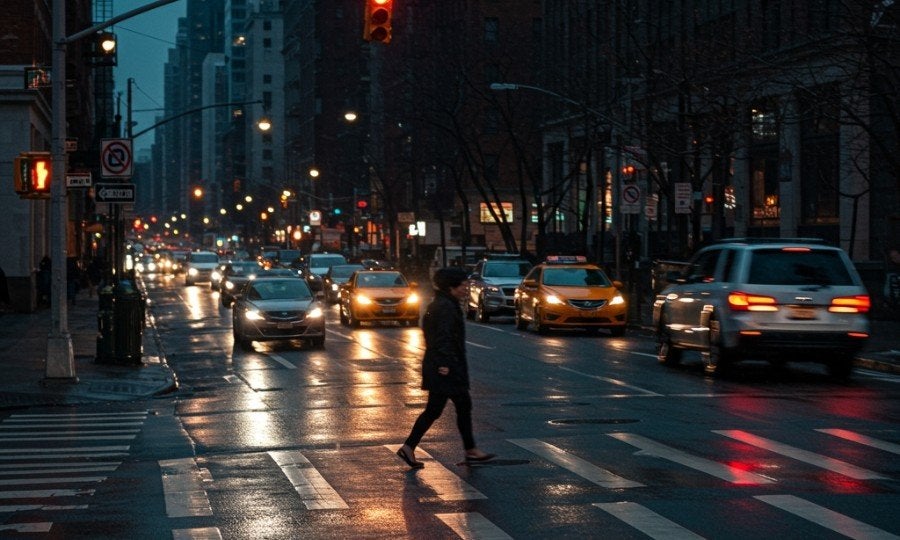
How to Calculate Pedestrian Injury Settlements – NYC Accident Attorney Advice

How to Calculate Pedestrian Injury Settlements – NYC Accident Attorney Advice

Pedestrian accidents in New York often result in severe injuries due to the vulnerability of those on foot when struck by motor vehicles. Determining the value of a settlement in these cases involves multiple legal and factual considerations. A robust and cordial New York City pedestrian accident lawyer can help you calculate the estimated settlement amount in your injury case that reflects the full extent of your injuries and losses. Key Factors Influencing Settlement Amounts Several critical factors determine the value of a pedestrian accident settlement, including: Severity and Type of Injuries The extent of a victim’s injuries plays a pivotal role in calculating compensation. Severe injuries like traumatic brain injuries, spinal cord damage, fractures, or permanent disabilities significantly increase settlement amounts. Example: A victim who sustains a severe spinal cord injury requiring lifelong medical care will likely receive higher compensation than someone with minor fractures. Medical Expenses Compensation includes the cost of past, present, and future medical treatment. Common expenses factored into a settlement include: Emergency room visits Surgeries Physical therapy and rehabilitation Prescription medications Assistive devices such as wheelchairs or prosthetics Loss of Income and Earning Capacity If a pedestrian’s injuries prevent them from working temporarily or permanently, they may recover compensation for: Lost wages during recovery Loss of future earning capacity if they cannot return to their previous occupation Pain and Suffering This category compensates victims for physical pain, emotional distress, and diminished quality of life. While challenging to quantify, New York courts consider factors such as: Severity and duration of the pain Impact on daily activities and mental health Loss of enjoyment in life Comparative Negligence New York follows a pure comparative negligence rule, which reduces a victim’s settlement proportionally to their percentage of fault. For example, if a pedestrian was 20% at fault for jaywalking, their total settlement will be reduced by 20%. Insurance Policy Limits The at-fault party's insurance policy limits often cap the amount a victim can recover. New York drivers are required to carry minimum liability coverage of: $25,000 for bodily injury per person $50,000 for bodily injury per accident Non-Economic and Punitive Damages In some cases, victims may recover damages for non-economic losses (e.g., emotional trauma) or punitive damages if the at-fault party acted with extreme negligence or recklessness, such as drunk driving. Steps to Calculate a Pedestrian Accident Settlement Step 1: Document Medical Expenses Collect and organize all medical records, bills, and receipts for treatment related to the accident. Include estimates for future medical care if ongoing treatment is required. Step 2: Calculate Economic Damages Add up all tangible financial losses, including medical expenses, lost wages, and property damage (e.g., damaged personal items). Step 3: Assess Non-Economic Damages Non-economic damages are typically calculated using one of two methods: Multiplier Method: Multiply the total economic damages by a factor between 1.5 and 5, depending on the severity of the injury. Per Diem Method: Assign a daily monetary value to the pain and suffering experienced and multiply it by the number of days the victim is expected to suffer. Step 4: Account for Comparative Negligence Adjust the total settlement amount by the victim's percentage of fault. Step 5: Consider Insurance Policy Limits Review the at-fault party’s insurance policy to ensure the calculated settlement does not exceed coverage limits. If it does, additional compensation may need to be pursued through personal assets or an underinsured motorist claim. Example NYC Pedestrian Accident Settlement Calculations Settlement values in pedestrian accident cases depend on the severity of injuries, economic losses, non-economic damages, and other factors such as comparative negligence and insurance limits. Here are hypothetical examples of settlement calculations for different scenarios: (a) Severe Injuries Scenario: A 35-year-old pedestrian is struck by a vehicle while crossing a street in a marked crosswalk. They sustain multiple fractures (arm and leg), requiring surgery, six months of physical therapy, and temporary inability to work. Damages: Medical Expenses: Emergency care: $15,000 Surgery (arm and leg fractures): $45,000 Physical therapy: $10,000 Total: $70,000 Lost Wages: Six months off work at $5,000/month: $30,000 Pain and Suffering (using a multiplier of 3 for moderate to severe pain): $70,000 (medical expenses) x 3 = $210,000 Total Settlement (before adjustments): Economic Damages: $100,000 Non-Economic Damages: $210,000 Total Amount of Damages: $310,000 Adjustment for Comparative Negligence: If the pedestrian is deemed 10% at fault for not checking for oncoming traffic, the total settlement would be reduced by 10%: $310,000 x 90% = $279,000 (b) Catastrophic Injuries Scenario: A 40-year-old pedestrian is struck by a speeding vehicle, sustaining a traumatic brain injury (TBI), spinal cord injury causing partial paralysis, and multiple fractures. They require extensive medical care, lifelong rehabilitation, and can no longer work in their previous profession. Damages: Medical Expenses: Emergency care and ICU stay: $100,000 Multiple surgeries: $200,000 Long-term rehabilitation and assistive devices: $150,000 Total: $450,000 Lost Wages and Future Earning Capacity: Pre-accident annual salary: $75,000 Loss of 20 years of work: $1,500,000 Pain and Suffering (using a multiplier of 5 for permanent, life-altering injuries): $450,000 (medical expenses) x 5 = $2,250,000 Total Settlement (before adjustments): Economic Damages: $1,950,000 Non-Economic Damages: $2,250,000 Total Amount of Damages: $4,200,000 Adjustment for Comparative Negligence: If the pedestrian is found 20% at fault for crossing outside a designated crosswalk, the total settlement would be reduced by 20%: $4,200,000 x 80% = $3,360,000 (c) Wrongful Death Scenario: A 28-year-old pedestrian is killed in a hit-and-run accident while walking on the sidewalk. They were earning $60,000 annually and supported a spouse and two children. Damages: Economic Damages: Funeral and burial expenses: $15,000 Loss of income (25 years of work): $1,500,000 Loss of household services and support: $200,000 Non-Economic Damages (grief and loss of companionship for the family): Spouse: $1,000,000 Each child: $500,000 Total: $2,000,000 Punitive Damages: If the driver was intoxicated or acted recklessly: $500,000 Total Settlement (before adjustments): Economic Damages: $1,715,000 Non-Economic Damages: $2,000,000 Punitive Damages: $500,000 Total Amount of Damages: $4,215,000 Adjustment for Comparative Negligence: If the pedestrian is found 10% at fault for being distracted (e.g., using a phone), the total settlement would be reduced by 10%: $4,215,000 x 90% = $3,793,500 Calculating Future Damages in a New York Pedestrian Accident Case Determining future medical expenses, loss of earning capacity, and pain and suffering in a pedestrian accident case involves a detailed, evidence-based approach that accounts for both current and anticipated impacts. Here is an overview of how each category is calculated in New York: 1. Future Medical Expenses Future medical expenses account for anticipated costs arising from ongoing or future treatment due to injuries sustained in the accident. These calculations require: Medical Evidence Expert Testimony: Physicians and specialists testify about the nature of the injuries, expected recovery trajectory, and necessary long-term treatments, such as surgeries, rehabilitation, medications, or assistive devices (e.g., wheelchairs). Medical Reports: Past treatment records and imaging results (e.g., MRIs, x-rays) establish the link between the accident and the required future care. Cost Estimation Health Care Inflation: Economists may be brought in to account for rising healthcare costs over time. Life Care Plans: Life care planners develop detailed reports outlining all necessary medical treatments and associated costs for the plaintiff’s life expectancy. Examples of Future Expenses: Physical therapy: $100/session for 5 years = ~$26,000 Lifelong medication: $500/month for 20 years = ~$120,000 Spinal surgery revision: $50,000 in 10 years Adjustments for Plaintiff's Life Expectancy Calculations consider the plaintiff’s age, overall health, and life expectancy to project the duration of future medical needs. 2. Future Wage Losses This category addresses the reduction or total loss of a plaintiff's ability to earn income due to the accident. Calculations include: Vocational Analysis Employment History: The plaintiff’s prior income and career trajectory establish a baseline. Expert Analysis: Vocational experts assess whether the plaintiff can return to their previous job, and take on modified duties, or is permanently disabled from working. Economic Calculations Lost Earnings: Example: A 35-year-old earning $60,000/year, with 30 working years remaining, loses all earning potential: $60,000 x 30 years = $1,800,000 Reduction for Partial Disability: If the plaintiff can only work part-time or in a lower-paying position, the difference in earning potential is calculated. Example: Prior salary: $60,000/year; New earning capacity: $30,000/year. Difference: $30,000/year x 30 years = $900,000 Considerations for Future Raises and Benefits Inflation and Raises: Adjustments for inflation and potential raises (e.g., cost-of-living adjustments, career promotions) are incorporated. Lost Benefits: Retirement contributions, healthcare, and other work-related perks are included. 3. Future Pain and Suffering New York courts consider non-economic damages like future pain and suffering separately from medical and financial losses. Factors Influencing Pain and Suffering Calculations Severity of Injuries: Catastrophic injuries like paralysis or traumatic brain injuries (TBIs) result in higher awards. Permanent Disabilities: The impact of physical or emotional limitations on daily life and relationships is heavily weighed. Quality of Life: Testimony from the plaintiff and family members highlights the ways injuries affect enjoyment of life. Valuation Methods Multiplier Method: Courts may use a multiplier based on the severity and permanence of the injuries to calculate non-economic damages. Example: Medical costs: $500,000; Multiplier: 3 = Future pain and suffering: $1,500,000 Per Diem Method: A daily dollar value is assigned for the duration of the plaintiff's suffering. Example: $300/day for 40 years (14,600 days) = $4,380,000 Key Considerations in Calculating Future Damages in New York Comparative Negligence: New York’s comparative negligence rule allows courts to reduce compensation based on the plaintiff’s share of fault in the accident. Statutory Caps: New York does not impose caps on non-economic damages in personal injury cases, unlike some other states. Expert Collaboration: Attorneys rely on medical experts, economists, and life care planners to substantiate claims for future damages. Discount Rate: Future damages may be discounted to their present value, reflecting the amount needed today to provide for future expenses. Example A 40-year-old plaintiff suffers a spinal cord injury causing partial paralysis. Hypothetical future damages could include: Medical Costs: $3,000,000 (e.g., surgeries, rehabilitation, lifelong care) Lost Earning Capacity: $1,500,000 (20 years of lost work) Pain and Suffering: $2,000,000 (permanent mobility issues and reduced quality of life) Total Future Damages: $6,500,000 For accurate calculations, victims should consult an experienced personal injury attorney to develop a comprehensive claim and maximize compensation. Common Challenges in Settlement Calculations in New York Disputes Over Liability: Insurance companies may argue the pedestrian was partially or fully at fault to reduce payouts. Underreported Injuries: Failing to document all injuries and their impact on life can lead to lower compensation. Lowball Offers: Insurers may offer settlements that do not fully reflect the victim’s damages. Statutes and Legal Considerations in New York No-Fault Insurance Rules New York is a no-fault state, meaning the victim’s own Personal Injury Protection (PIP) insurance covers initial medical expenses and lost wages regardless of fault. Moreover, PIP coverage is capped at $50,000. Serious Injury Threshold To pursue a claim beyond no-fault insurance, the victim must meet New York’s “serious injury” threshold, which includes: Bone fractures Significant disfigurement Permanent loss of a body function or system Death Statute of Limitations Pedestrian accident victims in New York generally have three years from the date of the accident to file a personal injury lawsuit. For wrongful death claims, the deadline is two years from the date of death. How a Pedestrian Accident Lawyer in New York Can Maximize Your Settlement Hiring an accomplished New York pedestrian accident attorney can significantly impact the outcome of your case. Attorneys can: Conduct thorough investigations to establish fault Collaborate with medical and economic experts to calculate damages accurately Negotiate aggressively with insurance companies Represent you in court if a fair settlement cannot be reached Sample Demand Letter from an NY Pedestrian Accident Attorney to the Insurance Company Re: Demand for Settlement – Pedestrian Accident Client: Sarah Thompson Claim Number: 1234567 Date of Accident: March 15, 2024 Dear , This firm represents Ms. Sarah Thompson, a 42-year-old graphic designer and mother of two, who was catastrophically injured on March 15, 2024, when your insured, Mr. John Carter, negligently struck her with his vehicle at the intersection of 5 th Avenue and Main Street in New York City. We are submitting this formal demand for settlement in the amount of $4.5 million to compensate Ms. Thompson for her economic and non-economic damages. Summary of the Accident On March 15, 2024, at approximately 8:15 am, Ms. Thompson was lawfully crossing the street in a marked crosswalk with the pedestrian signal in her favor when Mr. Carter, driving a 2020 Ford Explorer, ran a red light and struck her at approximately 35 mph. Eyewitness accounts, surveillance footage, and the NYPD traffic collision report unequivocally confirm Mr. Carter’s liability. Mr. Carter admitted at the scene that he was distracted by his phone. He was cited for failure to yield the right of way and distracted driving under New York Vehicle and Traffic Law §§ 1151 and 1225-d. Injuries Sustained The impact caused Ms. Thompson to be thrown approximately 15 feet, resulting in catastrophic injuries: Orthopedic Injuries: Compound fractures of the left femur and tibia, requiring emergency surgery with open reduction and internal fixation (ORIF). Fractures of the pelvis and left clavicle, necessitating subsequent surgeries and prolonged physical therapy. Traumatic Brain Injury (TBI): Concussion with post-concussive syndrome. Cognitive impairments, including memory loss, reduced executive function, and chronic headaches. Internal Injuries: Ruptured spleen requiring emergency splenectomy. Pulmonary contusions leading to ongoing respiratory issues. Emotional and Psychological Trauma: Post-Traumatic Stress Disorder (PTSD), depression, and anxiety, necessitating psychotherapy and medication. Damages Incurred 1. Economic Damages Medical Expenses: To date: $750,000 for surgeries, hospital stays, physical therapy, and ongoing care. Future medical care: Estimated at $1.2 million for additional surgeries, rehabilitation, medication, and assistive devices, as determined by her life care plan. Lost Income and Earning Capacity: Ms. Thompson has been unable to work since the accident and is permanently unable to resume her career as a graphic designer due to cognitive impairments and mobility limitations. Lifetime earnings loss: $1.1 million, based on her salary of $75,000/year and 15 remaining working years. 2. Non-Economic Damages Pain and Suffering: Ms. Thompson endures daily physical pain, emotional distress, and the loss of independence, significantly reducing her quality of life. She can no longer engage in activities she once enjoyed, such as jogging, gardening, and attending her children's school events. Loss of Enjoyment of Life: The permanent nature of her injuries deprives her of a fulfilling and active life. Demand for Settlement Based on the overwhelming evidence of liability, the extent of Ms. Thompson’s damages, and the devastating impact on her life, we demand a settlement of $4.5 million to resolve this matter. This figure is supported by the following: Past and Future Medical Expenses: $1.95 million Lost Wages and Earning Capacity: $1.1 million Pain and Suffering: $1.45 million Supporting Documentation Attached to this letter, please find the following supporting documents: Police accident report. Medical records and bills. Life care plan and future cost analysis by Dr. Emily Harper, Ph.D. (Certified Life Care Planner). Vocational analysis report by Mr. Daniel Owens, M.Ed., CRC. Statements from eyewitnesses and accident reconstruction expert Mr. James Blake, P.E. Conclusion and Deadline Ms. Thompson’s injuries, caused entirely by your insured’s reckless conduct, have irreparably altered her life. A settlement of $4.5 million reflects her tangible financial losses and the profound emotional and physical suffering she has endured. We request that you respond to this demand within 30 days of receipt. If we do not receive a satisfactory response by , we will have no choice but to pursue litigation to secure full compensation for Ms. Thompson’s damages. Should you have any questions or wish to discuss this matter further, please do not hesitate to contact me at or . Sincerely, Get High-Powered Legal Representation from Our New York Pedestrian Accident Attorneys At Rosenberg, Minc, Falkoff & Wolff, LLP, our legacy of success spans over four generations, making us one of New York City’s most trusted personal injury law firms. With over $1 billion recovered for injured New Yorkers and a 95% success rate, we have consistently delivered results that change lives. Recognized by the New York Law Journal and honored as a "Top Personal Injury Lawyer" by Martindale-Hubbell, our firm combines exceptional legal skill and resources with a relentless commitment to justice. If you or a loved one has suffered injuries in a pedestrian accident, let our winning legal team fight for the compensation you need. To schedule your free consultation, call us at 212-344-1000 or contact us online. Robert Wolff Robert H. Wolff is a member and partner of the prestigious New York City Personal Injury Law Firm of Rosenberg Minc, Falkoff, & Wolff, LLP. Mr. Wolff graduated from SUNY Albany, cum laude, in 1978 with a B.A. in Psychology and American History. Thereafter, he attended St. John’s University School of Law, where he was a member of the Moot Court Team and the Criminal Law Society, graduating in 1981 with a Juris Doctor’s degree.

Causes of Increasing Pedestrian Accidents And Deaths in New York City

Causes of Increasing Pedestrian Accidents And Deaths in New York City

New York has among the highest number of pedestrians on the streets. Pedestrian safety is a priority with millions of people thronging NYC streets each day. However, there were 121 pedestrian deaths in the city in 2019 even after plenty of walking space, awareness campaigns, and strict legislation. The number of vehicle accidents in New York City is reducing while pedestrian fatalities and injuries are on the rise. This is despite the city’s efforts to increase pedestrian safety in recent times. There is an increase in pedestrian plazas and bike lanes to make the roads safer. If the roads have become safer and there is a decrease in the number of car accidents, then why are pedestrian injuries and fatalities on the rise? Keep reading to learn more about the causes of increasing pedestrian accidents in New York. New York has among the highest number of pedestrians on the streets. Pedestrian safety is a priority with millions of people thronging NYC streets each day. However, there were 121 pedestrian deaths in the city in 2019 even after plenty of walking space, awareness campaigns, and strict legislation. The number of vehicle accidents in New York City is reducing while pedestrian fatalities and injuries are on the rise. This is despite the city’s efforts to increase pedestrian safety in recent times. There is an increase in pedestrian plazas and bike lanes to make the roads safer. If the roads have become safer and there is a decrease in the number of car accidents, then why are pedestrian injuries and fatalities on the rise? Keep reading to learn more about the causes of increasing pedestrian accidents in New York. Pedestrian Accidents because of Driver and Vehicle Related Factors 1. Incorrect perception of risk Drivers are often unaware of the risk of ramming into a pedestrian. In fact, they don’t realize that their driving behavior places pedestrians at risk. Familiarity with travel routes, alcohol, and cell phone usage impairs a driver’s ability to recognize the risk of colliding with a pedestrian. 2. Vehicle speed Speeding is a major contributor to pedestrian crashes. It increases the likelihood of a collision. In addition, faster vehicles are more difficult for drivers to manipulate. Even if they see the pedestrian in time, it may not be enough for them to hit the brakes and make the car come to a stop. High speeds don’t allow pedestrians and drivers enough time to avoid the crash. Faster moving vehicles can cause severe injuries to pedestrians. 3. Traffic volume Chances of hitting a pedestrian is greater when vehicle and pedestrian traffic on the streets is more. There has been a manifold increase in the number of cyclists, pedestrians, and vehicles on New York roads in recent times. This has led to an increase in injuries and deaths. 4. Vehicle type Likelihood of pedestrian death and severity of injury is influenced by the type of vehicle involved in the crash. There has been an increase in pedestrian injury profile with an increase in the number of LTVs (light truck vehicles) on the road. This is owing to their lower bumper heights that strikes a pedestrian’s legs and causes them to hit the windshield or hood of the car. LTVs hit pedestrians above the center of gravity propelling them forward. Risk of death in LTV related pedestrian accidents is 3.4 times higher as compared to standard passenger vehicles. 5. Distracted driving Distracted driving has become a major hazard, especially after the increase in cell phone usage. Distracted driver, in case of pedestrians, is similar to a runaway vehicle. Car drivers looking down at their smartphones may not be able to stop in time or abruptly to save a pedestrian running down the street. They may fail to check blind spots and mistakenly turn into a pedestrian. Drivers often run red lights and hit pedestrians on the crosswalk because of being distracted by their cell phones or something else. 6. Fewer consequences The New York Police Department has a responsibility to initiate criminal investigations against at-fault drivers that hit pedestrians and cause injuries because of negligent driving. However, the ground reality is that there are very few drivers that are charged or made to pay adequately after hitting or even killing pedestrians. The Accident Investigation Squad of the city is responsible for investigating only those pedestrian accidents that involve death or considerable injuries. Only those accidents and injuries usually result in significant compensation for the victims in New York, where highly capable and resourceful personal injury attorneys are involved to protect the victim’s rights. When offenders are not held accountable for their actions, it doesn’t deter them from repeating the mistake. The present approach doesn’t allow the public to feel safer on the roads as pedestrians. Pedestrian Accidents because of Physical Environment The physical layout of New York City and pedestrian transportation routes compels pedestrians to enter or cross roads in unsafe situations. These are a few physical factors that add to the increase in pedestrian accidents and deaths: 1. Inadequate pedestrian crossing devices Two purposes are served by pedestrian crossing devices – they regulate behavior and help people judge safety. “Don’t Walk” signal indicates that it is unsafe and possibly dangerous to cross the street at that time. Pedestrians find it difficult to judge the safety of a route or determine appropriate behavior without crossing devices, walking signs, and crosswalks. Lack of signals contributes to vehicle-pedestrian crashes resulting in fatalities and injuries. 2. Lack of midblock crosswalks Inconvenient intersection crossings may be avoided by pedestrians because they cause delays in the travel pace. Midblock crossing was found to be the major cause of fatality in 55% vehicle-pedestrian crashes. Pedestrians may find themselves safe if convenient midblock crosswalks are made available at high-traffic crossing points. 3. Road width It is far less likely for a pedestrian to attempt jaywalking when the distance is more. Narrower roads are a major cause for unsafe pedestrian behavior. However, wider roads may promote higher vehicular speeds, which may result in a possible trade-off in regards to pedestrian safety. 4. Poor timing Fast crossing signals are a major risk to certain groups of pedestrians, such as the elderly. Pedestrians are placed at risk when signals at crosswalks don’t allow enough time for them to cross over. This is true even when the law says that a pedestrian has the right of way while crossing a signal. Crosswalk times are usually set for the average pedestrian. Slower pedestrians, such as parents with children, the elderly, and people with movement restrictions may not be able to cross completely before the traffic starts again. Crash hotspots may develop in neighborhoods that has a large population of slow-moving pedestrians. This refers to areas where pedestrian-vehicle accident frequency is high. 5. Poor sidewalk conditions Pedestrians may overlook their safety because of poor sidewalk conditions. They may seek to find better conditions on the streets. Poor sidewalks are a major problem for runners and other similar groups, such as speed walkers that may prefer a smoother surface. Absence of curb cuts is a major component of deplorable sidewalk conditions. The street may be risky, but the sidewalks are almost impassable in several NY streets, especially among the boroughs. Obstructions around the sidewalks may prove to be difficult as well. Trees and bushes may overhang the sidewalks making passage problematic in residential areas. Snow and ice or leaf and plant litter are common obstructions seen on New York city streets. On top of this, there are several areas where congested or lack of parking lots force drivers to park across the sidewalk. This causes the pedestrians to walk on the street to get around the vehicle. 6. Absence of sidewalks There are certain travel paths that don’t have sidewalks at all. Pedestrians are forced to walk on roads with the absence of sidewalks. People with limited mobility may again choose walking on dirt, grass, and uneven terrain. 7. Sidewalk capacity On an average, everyone likes walking on wider sidewalks. However, it is difficult to allocate enough transportation space to vehicles and pedestrians in crowded cities, such as New York. Several back streets in central business districts, in response to greater vehicle volumes, have reduced sidewalk width. Further, sidewalk cafes and encroaching storefronts compel pedestrians to use the streets. This has led to an increase in crashes. Impact of Cabs, Buses, and Large Trucks A recent traffic safety study from the New York Department of Transportation (NYDOT) reports that the majority of pedestrian accidents are because of private vehicles. However, large trucks, buses, and cabs were stated to account for 20% NYC pedestrian fatalities. It is true that fewer crashes involving pedestrians are caused by delivery trucks, cabs and buses as compared to motor vehicles. However, the rate of accident of these vehicles are more than that of passenger cars. Buses account for 0.4% vehicle registrations in NYC. However, they are involved in over 3% of pedestrian accidents. This rate is almost 8 times greater than expected. Large trucks and cabs also have similarly higher rates. Overall, cabs account for 2% vehicle registrations while they cause 13% pedestrian accidents. Large trucks are 3.6% of vehicle registrations in New York, but are responsible for 4% pedestrian accidents. Larger vehicles like buses and trucks are three times more likely to result in serious injury or death as compared to passenger cars. According to the report, large cabs have a more prominent blind spot on the right side. This results in increased pedestrian crashes while making right turns. Consult with a Leading New York Pedestrian Accident Attorney Today Typically, pedestrians involved in traffic collisions sustain life-threatening and serious injuries. Lost income, medical costs, and overall decreased quality of life are a few potential damages that you may be entitled to recover as compensation following your accident with a vehicle. Rosenberg, Minc, Falkoff & Wolff, LLP have helped numerous pedestrian accident injury victims to secure adequate compensation for their injuries and losses. We offer free initial consultation to all our clients to better explain their legal options. You can improve your chances of obtaining maximum financial damages by working with our qualified accident lawyers in NYC. Speak to a capable and committed attorney today by calling at 212-344-1000 or complete this online form. Gary Silverstein Gary Silverstein has been a partner of Rosenberg, Minc, Falkoff & Wolff since 2001, and an associate of the firm since 1989. Mr. Silverstein graduated with a Bachelor of Science degree from State University of New York College at Oneonta in 1983. Mr. Silverstein holds a degree of Juris Doctor from the University of Miami School of Law, having graduated in 1988.

Pedestrian Accident Bone Fractures And The Impact on Victims

Pedestrian Accident Bone Fractures And The Impact on Victims

Pedestrians do not have the safety or protection of cars when involved in a car accident. In fact, they don’t have any protection at all, which is why pedestrian accidents have broken bones as the most common injury. 3,000 pounds of steel and other metal colliding into an unprotected human being can result in exceptionally serious injuries, especially in the hip and leg region. Pedestrians do not have the safety or protection of cars when involved in a car accident. In fact, they don’t have any protection at all, which is why pedestrian accidents have broken bones as the most common injury. 3,000 pounds of steel and other metal colliding into an unprotected human being can result in exceptionally serious injuries, especially in the hip and leg region. Injuries sustained may include broken hips, tibia, femur, knees, fibula, arms, ankles, wrists, and elbows. Often, pedestrians also suffer from brain and head injuries from the contact and the impact of being thrown on the ground or car. It is vital for victims and their loved ones to consult with a New York pedestrian accident attorney because of the inherent severity of injuries involved. This can help increase the likelihood of receiving compensation by hiring experienced representation. While no amount of money can every truly compensate for one’s pain and suffering, adequate compensation can go a long way in relieving the financial burden of exorbitant medical bills. Broken Bones May Result in Loss of Income Bone fractures are serious injuries and often require surgery for proper healing. It can take anywhere from weeks to months for bones to set properly. The healing period depends on a person’s age, general medical condition, and location and type of break. Almost everyone relies on their legs and arms to perform daily chores and tasks. Some may even require dexterity in their limbs, such as surgeons, or the ability to move and lift things, like construction workers. Broken bones can make it challenging to return to the same level of activity as before. In addition, mounting medical bills can make it more difficult to survive since the victim may have a loss of income. For instance, waiters, nurses, dentists, restaurant workers, retail workers, and other professionals may not be able to return to work till after their recovery period is over. Insurance companies are notorious for low-balling clients with significantly low settlement amounts. They rarely, if ever, offer reasonable compensation to cover loss of income and future medical expenses. Even if they do offer compensation for pain and suffering, their amount will be a token offer to prevent you from seeking legal help. Insurance companies in New York know that lawyers will do everything they possibly can to acquire the maximum compensation a victim is entitled to. Proper Diagnosis of Pedestrian Accident Victims is Vital Physicians always start by ensuring a proper diagnosis, especially when the victim of pedestrian accident suffered multiple injuries. X-rays may be reliable in diagnosing certain bone fractures, such as in femur and tibia. But, they are not the best tool for identifying other injuries associated with fractures. Your physician may want to employ an MRI or an ultrasound scan to determine the presence of other injuries or complications. Accident patients often have ruptured internal organs that may leak fluid into the abdominal cavity. Ultrasound scans can pick up such injuries while minimizing radiation. MRI may be required for patients with spinal and brain injuries. Research on Fracture Injuries Sustained by Pedestrian Accident Victims Significant traumatic injuries can occur in pedestrians that get hit by a car. This includes trauma to long bones in the legs, spinal cord, and abdominal organs. Polytrauma and wrongful death is also a possibility depending on the size and speed of the motor vehicle. Injuries get even more traumatic when pedestrians are thrown on the ground because of the impact. A study revealed that the patient’s age plays a major role in the status of their injuries after being involved in a car accident. The study involved patients that were injured between the years 1995 and 2006. Results revealed that of the 6,600 to be analyzed: Close to 20% had tibia fracture About 30% has femur or tibia fracture 7% had femur fracture 3% fractured both femur and tibia Mortality rate was found to be significantly higher in victims with fractures in the extremities. Close to 20% patients that had fractures in their femur and tibia passed away. Bone Fractures Severely Impact Mobility and Routine Activity Broken bones can prove to be disabling and debilitating where mobility is concerned in victims of pedestrian accidents. Mobility gets particularly restricted if the person broke his femur or tibia or the dominant arm. The pedestrian accident victim in New York may need to undergo surgery if the break is severe. Such injuries can leave a person feeling dejected and frustrated since they may be unable to perform normal functions, like cooking, cleaning, grooming, and bathing. Such restrictions can prove to be disabling for a long time till gradual recovery can allow for activities to be resumed. Broken bones can also impact a person’s ability to earn income. Severe restrictions and lack of mobility may cause extended absence from their place of employment during recovery. For instance, the victim may be restricted to crutches, walker, or a wheelchair. These restrictions can make it difficult for the accident victim to get to work, much less perform their job in the same capacity. In addition, the injured party may never be able to resume normal activities or return to their employment depending on the seriousness of the fractures and injuries. They may not be able to pick up any other similar type of work as well causing a gap in employment. Broken bones are among the most painful injuries sustained in a pedestrian-car collision. These injuries and corresponding pain tend to stay for a long time. Expenses Related to Broken Bones Broken bones suffered by pedestrian in car accidents can be anything from single fractures, to hairline and multiple fractures. It may also include compound and skill fractures. While most fractures can be treated with minimal care, certain bones require surgical intervention to set properly. The victim may need to be hospitalized during the recovery period. Generally, fracture surgeries require to be followed by physical therapy, orthopedic care, rehabilitation, and lengthy recovery period. This can quickly add to the medical bills required for necessary treatment. It can only be hoped that the injured party can have their medical bills and treatment costs covered by health insurance. Even so, there may be copays, deductibles, and out-of-pocket expenses to consider. In case you recover compensation, the health insurer may be entitled to repayment of costs associated with the injuries and liens resulting from the incident. Victims don’t just suffer pain from the accident and resulting trauma. When broken bones are involved, patients undergo massive pain during the surgical and rehabilitative period as well. Doctors manage this pain by prescribing strong pain medications. Still, recovery can be painful, expensive, and lengthy. There are three types of pains involved in bone fractures: Acute pain is immediate when the bone breaks Sub-acute pain persists for the first few days or weeks while the soft tissue and bone are healing Chronic pain continues even when the soft tissue and fracture has healed Recovery of Economic Damages for Covering Medical Expenses in New York Pedestrian victims always bear the maximum brunt of the impact when involved in an accident with a truck or a car. In most cases, injured party sustains catastrophic and significant injuries requiring extensive healthcare and medical treatment. This can lead to significant expenses in the form of medical bills and expenses. Injured pedestrians in New York may also suffer life altering physical impairments. These may restrict their ability to carry out their job duties resulting in a significant and immediate loss of earning capacity and income. Economic damages may be awarded for objectively verifiable monetary losses in order to compensate the victim financially. These damages can include loss of employment or business opportunities, loss of past and future earnings, costs of repair or replacement, past and future medical expenses, loss of use of property, and the economic value of domestic services. Compensation for Non-Economic Losses in New York Non-economic losses are also real, including mental anguish and pain suffering. These losses involve diminished quality of life and the inability to take part in favorite past-times and hobbies. Injuries can also affect the lives of loved ones and family members that shared those activities. Victims may be entitled to compensation for these non-monetary damages in addition to receiving compensation for lost income, medical expenses, and other economic damages. Non-economic damages are usually awarded to financially compensate non-monetary and subjective losses, such as emotional distress, loss of society, pain, suffering, loss of consortium, inconvenience, and loss of companionship. Consult with an Experienced Pedestrian Accidents Lawyer in NYC The lawyers at Rosenberg, Minc, Falkoff & Wolff, LLP have decades of experience representing victims of pedestrian accidents in New York. We have the experience, knowledge and skill that are acquired after dealing multiple cases over the years. You can count on us to see your case through settlement negotiations into a jury trial if needed. The dedicated attorneys at Rosenberg, Minc, Falkoff & Wolff, LLP are just a call away. Give us a call today at 212-344-1000 to schedule a free, no-obligation consultation and case review with an experienced and knowledgeable pedestrian accident attorney. Gary Silverstein Gary Silverstein has been a partner of Rosenberg, Minc, Falkoff & Wolff since 2001, and an associate of the firm since 1989. Mr. Silverstein graduated with a Bachelor of Science degree from State University of New York College at Oneonta in 1983. Mr. Silverstein holds a degree of Juris Doctor from the University of Miami School of Law, having graduated in 1988.
BROOKLYN: Andrew Esquivel Killed In Car Accident After Drunk Off-Duty Cop Crashed His SUV Onto Sidewalk By Bedford Avenue

NYPD MAY BE LIABLE FOR FATAL ACCIDENT BROOKLYN, NEW YORK (July 16, 2016) A 21-year-old man has died an three others were injured in a tragic car accident after a drunk off-duty cop crashed his SUV onto the sidewalk by Bedford Avenue, according to the NY Post. The off-duty police officer responsible for the accident has been charged with manslaughter. Prosecutors were able to identify the man that died as Andrew Esquivel. He has been identified as an MIT student. Authorities are saying that the collision took place in the early morning hours of Saturday after the drunk off-duty officer made a right turn from North Eight Street. Paramedics rushed Andrew Esquivel to the hospital where he was later pronounced dead. He appears to have been the only person that died in the fatal crash. Three other people were seriously injured, including one pedestrian who sustained a severed leg. One person was seriously hurt after the SUV pushed him against a fence. Prosecutors were able to identify the three other pedestrians that were injured in the crash as Divya Menezes, Sophia Tabachoun and James Balchaunas. At least three of the victims were Massachusetts Institute of Technology (MIT) graduates who were living in Williamsburg. They were heading home after getting off the L train. There was an outpouring of grief and anger on Facebook. One user by the name of Lisette Reyes wrote, " Oh my God! NYPD needs to address the high incidence of alcoholism in their ranks. Stop ignoring this problem, many NYPD I know drink and drive probably partially because they know they'll be afforded "professional courtesy" if they get caught but they're putting everyone, and their own careers, at risk." It's time that the law catches up to these rogue officers who think that they can rise above the law simply by flashing their badge. Saturday's accident is the latest in a long string of accidents involving drunken NYPD Police Officers. The NYPD is currently facing a lawsuit for 90 million dollars after a drunk off-duty cop randomly started shooting his service pistol at pedestrians and nearly killed a man. This accident may very well be indicative of a larger problem involving the Police Department's refusal to deal with alcohol within their own ranks. If this is the case, then the NYPD may very well be liable for the deadly crash on Saturday morning. There needs to be a thorough investigation into the NYPD and how they are dealing with officers who have problems with alcohol abuse. The Facebook profile belonging to the police officer in this instance showed him with alcohol in around a half dozen pictures. HELPING THOSE IN NEED BY RAISING AWARENESS If you or someone that you know has been affected by this accident, we will gladly help raise awareness of any gofundme campaign set up to support the victim or their family. We can link to it in this post which is then spread across our social media platforms. You can send your request to: gofundmerequest@gmail.com. Our staff at the RMFW Law Firm were shocked and heartbroken to learn about this fatal accident that left one person dead and injured so many. Our thoughts and prayers are with the family of  Andrew Esquivel as they cope with such an incredible loss. We also extend our good wishes to  Divya Menezes, Sophia Tabachoun and James Balchaunas as they begin the long road to recovery. If there is anything at all that we can do for the victims as they seek medical treatment or have questions about their rights, our phones are always on 212-344-1000. Robert Wolff Robert H. Wolff is a member and partner of the prestigious New York City Personal Injury Law Firm of Rosenberg Minc, Falkoff, & Wolff, LLP. Mr. Wolff graduated from SUNY Albany, cum laude, in 1978 with a B.A. in Psychology and American History. Thereafter, he attended St. John’s University School of Law, where he was a member of the Moot Court Team and the Criminal Law Society, graduating in 1981 with a Juris Doctor’s degree.

Contact Us

Fill out this form below and we'll contact you shortly
*Required Fields