Request Free Consultation

Please fill out the form below for your free consultation or call us at 646-480-0830.

Request Free Consultation

No Fee Unless We Win

Blog

All Personal Injury Car Accidents Construction Accidents Personal Injury FAQs Legal Terminology Testimonials Truck Accidents Bus Accidents Pedestrian Accidents Premises Liability Bicycle Accidents Slip and Fall Workers' Compensation Wrongful Death Train Accidents Brain Injury Motorcycle Accidents Spinal Injuries Catastrophic Injuries Burn Injury Automobile Accident Injuries Elevator Accidents Premises Injuries Airplane Accidents Articles Firm News Resources Brooklyn Medical Malpractice Overview New York City Car Accident Statistics News Dog Bites Featured Testimonials Mass Transit Injuries - Bus/Train Accident Lawyers Scaffold Accidents Boating Accidents Products Liability Queens Medical Malpractice Overview The Bronx Medical Malpractice Overview Hazardous Materials Ski Accidents FAQs Serious Injuries Testimonials SideBar Burn Injuries Negligent Security Scholarship Truck Injuries
Pre-Existing Conditions & Personal Injury Law in New York

Pre-Existing Conditions & Personal Injury Law in New York

When you've been injured in an accident in New York City, your focus should be on recovery. But then the questions start swirling: What about my medical bills? Who's going to pay for lost wages? And if you have a pre-existing condition, a common concern quickly arises: Will this complicate my personal injury claim? It's a valid worry, and frankly, it's something many people grapple with. The truth is, a pre-existing condition doesn't automatically sink your personal injury claim in NYC. In fact, with the right approach and meticulous documentation, you can often turn this potential challenge into a clear strength for your case. We're here to help you understand how. Dealing with an injury is tough enough without the added stress of navigating a complex legal system, especially when you're already managing a pre-existing health issue. Insurance companies, you see, are always looking for ways to minimize payouts. They might try to argue that your current injuries aren't new, but rather an exacerbation of an old problem, or even entirely unrelated to the accident. This is where understanding New York's legal landscape and preparing thoroughly becomes absolutely critical. You're not alone in this; we're going to walk through how to ensure your pre-existing conditions don't undermine your pursuit of fair compensation. Understanding the 'Eggshell Skull' Rule in New York Personal Injury Claims Have you ever heard of the "eggshell skull" rule? It sounds a little dramatic, I know, but it's a fundamental principle in New York personal injury law that's incredibly important for anyone with a pre-existing condition. Essentially, this rule states that a defendant must take their victim as they find them. What does that mean for you? It means if someone's negligence caused your injury, they're responsible for all the resulting damages, even if your pre-existing fragility (like an "eggshell skull") made you more susceptible to a severe injury than an average person might have been. For instance, if you had a degenerative disc disease before a car accident, and the accident caused a herniated disc requiring surgery, the responsible party can't simply say, "Well, you already had a bad back." They're liable for the aggravation of that condition. Here's the thing: while the eggshell skull rule protects you, it doesn't mean you get a free pass. You still need to prove that the accident caused a new injury or worsened your pre-existing condition. This isn't always straightforward, and it typically requires careful medical evidence. Imagine Sarah, who had mild arthritis in her knee. She slips on a wet floor in a grocery store, sustaining a fall that severely exacerbates her arthritis, leading to chronic pain and the need for extensive physical therapy. Without the fall, her arthritis might have remained manageable for years. The grocery store, if found negligent, would be responsible for the increased pain, medical costs, and diminished quality of life directly caused by the fall, even though she had arthritis previously. Meticulous Documentation: Your Best Defense In almost every personal injury case involving pre-existing conditions, the strength of your medical documentation is paramount. You simply can't overstate its importance. Think of your medical records as the narrative of your health, both before and after the accident. What exactly should you be doing? Full Disclosure to Medical Professionals: When you seek treatment after an accident, be completely honest and thorough with your doctors about your medical history, including all pre-existing conditions. Don't omit anything because you're worried it might hurt your case; that could actually damage your credibility later. Your doctors need the full picture to provide accurate treatment and, critically, to document how the accident impacted your pre-existing health. Detailed Records of Post-Accident Care: Every visit, every diagnosis, every prescription, every therapy session – ensure it's all accurately recorded. Your medical records should clearly link your current symptoms and treatments to the accident. If your doctor notes that your lower back pain, which was previously a 2 on a scale of 10, is now an 8 after a rear-end collision, that's powerful evidence of aggravation. Before-and-After Comparison: This is where the real work happens. Your legal team will want to compare your medical records from before the accident with those from after. This helps establish a baseline and clearly illustrate the changes and worsening symptoms attributable to the incident. For example, if MRI scans before an accident showed mild disc degeneration, but post-accident scans reveal a new herniation at the same level, that's a strong indicator that the accident caused or significantly worsened the condition. Consider David, who suffered from occasional migraines. After a construction site accident where he sustained a head injury, his migraines became debilitating, occurring daily and with increased severity. His prior medical records, detailing the infrequency and lesser intensity of his migraines, combined with new neurological reports, would be crucial in demonstrating that the accident significantly aggravated his pre-existing condition. Working with Medical Experts and Legal Counsel It's one thing to have medical records; it's another to present them effectively in a legal context. This is where the expertise of medical professionals and experienced personal injury attorney s in NYC truly shines. Your attorney will often work with medical experts (like orthopedic surgeons, neurologists, or pain management specialists) who can review your entire medical history. These experts can provide professional opinions, often in the form of written reports or testimony, explaining how the accident either caused a new injury or exacerbated your pre-existing condition. They can differentiate between the natural progression of a condition and the acute impact of trauma. You might be thinking, "This sounds like a lot of work!" And honestly, it can be. But it's essential work if you want to maximize your chances of a successful claim. A skilled attorney understands the tactics insurance companies use to downplay injuries related to pre-existing conditions. They know how to counter arguments that try to attribute all your current pain to an old injury. They'll also help you gather the necessary documentation, manage deadlines, and negotiate on your behalf. Proving Causation: The 'But For' Test At the heart of any personal injury claim, especially one involving pre-existing conditions, is proving causation. In New York, we often use the "but for" test: "But for" the defendant's negligence, would you have suffered this injury or aggravation? If the answer is no, then causation is established. This is why the detailed medical documentation and expert opinions are so vital. They bridge the gap between your accident and your current state of health, directly linking the two. For example, if Maria had a history of rotator cuff tendonitis, but an accident involving a fall down poorly maintained stairs led to a full rotator cuff tear requiring surgery, her legal team would argue that "but for" the fall, the tear would not have occurred. Her pre-existing tendonitis might have made her shoulder more vulnerable, but it wasn't the direct cause of the tear. It's about demonstrating that the accident was a significant contributing factor, not necessarily the sole cause. Turning Challenges into Strengths Navigating a personal injury claim with a pre-existing condition in NYC can feel daunting, but it doesn't have to be a roadblock. By understanding your rights under the "eggshell skull" rule, meticulously documenting your medical history, seeking comprehensive post-accident care, and partnering with experienced legal and medical professionals, you can effectively present your case. Your pre-existing condition isn't a weakness; it's a part of your medical history that, when properly understood and presented, can clearly illustrate the full extent of the harm you've suffered. Don't let an insurer convince you otherwise. We believe everyone deserves fair compensation for injuries caused by another's negligence. If you've been hurt in an accident in New York City and have concerns about a pre-existing condition, don't hesitate to seek professional legal advice. It's the first crucial step toward turning a challenge into a successfully resolved claim. This article was drafted with AI assistance. Please verify all claims and information for accuracy. The content is for informational purposes only and does not constitute professional advice. Free Case Consultation Injured in an accident? Speak directly with an experienced NYC personal injury attorney at Rosenberg, Minc, Falkoff & Wolff. Your consultation is free, confidential, and risk-free. Start Your Free Case Review No obligation - No upfront fees - You don't pay unless we win Follow RMFW Law for legal insights and case results: Facebook Instagram X Pinterest Yelp YouTube Gary Silverstein Gary Silverstein has been a partner of Rosenberg, Minc, Falkoff & Wolff since 2001, and an associate of the firm since 1989. Mr. Silverstein graduated with a Bachelor of Science degree from State University of New York College at Oneonta in 1983. Mr. Silverstein holds a degree of Juris Doctor from the University of Miami School of Law, having graduated in 1988.

Immediate Steps After a Pothole Car Accident in NYC

Immediate Steps After a Pothole Car Accident in NYC: Your Checklist

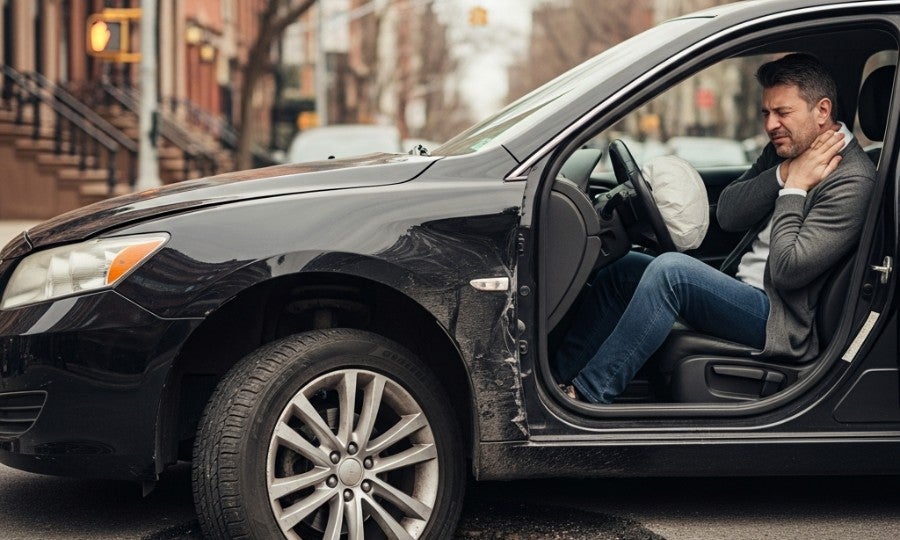
Ever felt that sudden jolt, that heart-stopping thud, as your car slams into a New York City pothole? It's a truly jarring experience, isn't it? Beyond the immediate shock, a pothole incident can lead to significant vehicle damage, from bent rims and tire blowouts to more serious suspension issues. While you can't always avoid every crater on NYC's sprawling streets, knowing the immediate steps after a pothole car accident in NYC is absolutely crucial. This isn't just about fixing your car; it's about protecting your rights and ensuring you have the documentation needed for any potential claims down the line. We're going to walk you through an essential checklist, designed to help you navigate the moments right after impact with professional clarity and confidence. Prioritize Safety: Your First Move After a Pothole Incident Your safety, and the safety of your passengers and other motorists, is always the top priority. After the initial impact, your mind might be racing, but you've got to take a deep breath. Can you safely pull your vehicle over to the side of the road, away from traffic? If so, do it immediately. Turn on your hazard lights to alert other drivers to your presence. We know this feels overwhelming, especially in the fast-paced environment of New York City, but taking these few seconds to secure your immediate surroundings can prevent further incidents. Check yourself and your passengers for any injuries, even minor ones. If anyone is hurt, or if you suspect significant damage to your vehicle that makes it unsafe to move, call 911 right away. Don't hesitate. It's better to be safe than sorry, and emergency services are there to help. Securing the Scene and Assessing Immediate Damage Once you're in a safe spot, take a moment to assess your vehicle. Is a tire flat? Is there visible damage to the rim or undercarriage? You'll want to get a preliminary idea of the impact. While you shouldn't attempt any complex repairs on the roadside (that's for the professionals!), understanding the extent of the damage will inform your next steps. For instance, if you have a spare tire and feel confident changing it safely, that's an option. Otherwise, you'll need to arrange for roadside assistance. Remember, documenting everything starts now, so even these initial observations are important to keep in mind. Document Everything: Building Your Case This is where you become your own best advocate. Comprehensive documentation is the backbone of any potential claim for pothole damage in New York City. You can't just say you hit a pothole; you've got to prove it. Start by taking clear, detailed photographs and videos. Capture the pothole itself, making sure to include identifiable landmarks like street signs, building numbers, or distinctive storefronts that pinpoint its exact location. Get wide shots and close-ups, and if possible, use an object like a coin or a water bottle to show the pothole's depth and size. You'd be surprised how helpful this visual evidence can be later on. Capturing Vehicle Damage and Incident Details Next, meticulously photograph all the damage to your vehicle. Don't just snap one picture of a flat tire; get multiple angles. Show the damage to the rim, the tire sidewall, and any visible undercarriage damage. Did the impact cause other issues, like a deployed airbag or a cracked windshield? Document those too. Write down the exact date, time, and specific location of the incident (street name, cross streets, borough). If there were any witnesses, ask for their contact information. Their testimony could be invaluable. Even if you don't think you'll file a claim, having this information on hand is always a smart move. You never know when you'll need it. Reporting the Incident: Why NYC 311 is Key Once you've safely documented the scene, your next critical step is to report the pothole to NYC 311. This isn't just a suggestion; it's an essential part of the process if you ever hope to seek reimbursement for damages. The City of New York requires official notification of the defect (the pothole) before they can be held liable for damages. You can report it online via the NYC 311 website, through their mobile app, or by calling 311 directly. When you report, be specific about the pothole's location and provide as many details as you can. You'll receive a service request number – keep this number safe! It's your official record that you've notified the city, and it's a piece of evidence you'll absolutely need if you decide to file a claim. Understanding the Notice Requirement for NYC Claims Here's the thing about filing a claim against the City of New York: there's a legal concept called "prior written notice." Generally speaking, the city needs to have been notified about a dangerous condition, like a pothole, and had a reasonable opportunity to fix it, before they can be held responsible for damages it causes. A 311 report does not serve as the legally required Notice of Claim under NYC law. If you don't report the pothole, it becomes significantly harder to prove that the city was aware of the hazard. So, even if you're not sure you'll pursue a claim, making that 311 report is a proactive step that protects your options. It's a small investment of time that could save you a lot of frustration and money later on. Understanding Your Options: Repair & Reimbursement After a pothole car accident in NYC, you're likely wondering about getting your vehicle fixed and who's going to pay for it. First, get professional estimates for the repairs. Don't just go with the cheapest option; choose a reputable mechanic who can provide a detailed assessment of the damage. Keep all receipts and repair invoices. When it comes to reimbursement, you typically have two main avenues: your own car insurance or filing a claim against the City of New York. Most drivers will go through their collision coverage if they have it, paying their deductible. Your insurance company might then pursue subrogation against the city, but that's usually behind the scenes. If you don't have collision coverage, or prefer not to use it, you can file a direct claim with the NYC Comptroller's Office. Filing a Claim with the NYC Comptroller's Office Filing a claim with the Comptroller's Office is a formal process. You'll need to submit a Notice of Claim, typically within 90 days of the incident. This is why all that documentation – photos, videos, the 311 service request number, repair estimates, and receipts – is so vital. The Comptroller's Office will review your claim, and they'll definitely check if the pothole was reported to 311 prior to your incident. Be prepared for the process to take some time, and there's no guarantee of success. However, by following these essential steps after a pothole car accident in NYC, you're significantly improving your chances. It's a bureaucratic process, yes, but one that's navigable with the right preparation. Preventative Measures: Driving Smart in the Urban Jungle While this article focuses on what to do after an incident, let's briefly touch on prevention. Can you truly avoid every single pothole in NYC? Probably not, but you can certainly reduce your risk. Stay alert, especially after heavy rains or during winter thaw cycles when potholes tend to proliferate. Maintain a safe following distance so you have more time to react and swerve (safely!) if you spot a hazard. Keep your tires properly inflated, as correctly inflated tires are less susceptible to pothole damage. Regular vehicle inspections can also catch potential weaknesses before they become major problems. I believe a proactive approach, combined with knowing your emergency checklist, gives you the best defense against the unpredictable nature of urban driving. Dealing with a pothole car accident in NYC is frustrating, but it doesn't have to be a complete disaster. By prioritizing safety, meticulously documenting the scene, reporting the pothole to 311, and understanding your repair and reimbursement options, you're empowering yourself. You're not just reacting; you're taking control of a challenging situation. Keep this checklist handy, and drive safely out there! This article was drafted with AI assistance. Please verify all claims and information for accuracy. The content is for informational purposes only and does not constitute professional advice. Free Case Consultation Injured in an accident? Speak directly with an experienced NYC personal injury attorney at Rosenberg, Minc, Falkoff & Wolff. Your consultation is free, confidential, and risk-free. Start Your Free Case Review No obligation - No upfront fees - You don't pay unless we win Follow RMFW Law for legal insights and case results: Facebook Instagram X Pinterest Yelp YouTube Gary Silverstein Gary Silverstein has been a partner of Rosenberg, Minc, Falkoff & Wolff since 2001, and an associate of the firm since 1989. Mr. Silverstein graduated with a Bachelor of Science degree from State University of New York College at Oneonta in 1983. Mr. Silverstein holds a degree of Juris Doctor from the University of Miami School of Law, having graduated in 1988.
Vehicle Crash Report NYPD

Vehicle Crash Report NYPD: Essential Steps for NYC Drivers

So, you've been in a motor vehicle collision in New York City. First, take a deep breath; we know how disorienting and frustrating that experience can be. Amidst checking for injuries, exchanging insurance information, and dealing with the immediate aftermath, you're probably thinking, "What's next?" One of the most critical steps after an accident involving the NYPD is obtaining your official Motor Vehicle Collision Report. This document isn't just a piece of paper; it's the official record of what transpired, and you'll definitely need it for almost everything that follows. But how exactly do you get your hands on it? You might be wondering if it's a complicated maze of bureaucracy. Well, it doesn't have to be. We're here to provide a clear, step-by-step breakdown to make the process as straightforward as possible. Why Your NYPD Collision Report is Crucial (and What It Contains) Let's be honest: after an accident, your mind is racing. You're probably concerned about vehicle damage, insurance claims, and maybe even potential legal implications. That's where the NYPD collision report comes in. It's an indispensable tool, serving as the official narrative of the incident. Think of it as the foundation for all subsequent actions. Why is it so crucial? For starters, your insurance company will absolutely require it to process any claim, whether it's for vehicle damage or personal injury. Without it, you'll likely face significant delays or even outright rejection of your claim. Plus, if you're pursuing a personal injury lawsuit or need to defend yourself against one, this report provides key evidence, documenting details like the date, time, location, involved parties, vehicle information, and often, an officer's preliminary assessment of the accident's cause. It also identifies the reporting officer and precinct, which can be vital if further follow-up is necessary. So, while it feels like just another hurdle, getting this report is truly about protecting your interests and ensuring a smoother recovery process. When Can You Request Your Report? Understanding the Timeline You can't just walk into a precinct five minutes after an accident and expect to pick up your report. There's a processing period, and understanding this timeline can save you a lot of unnecessary trips and frustration. Generally speaking, police accident reports, including those filed by the NYPD, aren't immediately available. Officers need time to complete their documentation, and then the report has to be reviewed and entered into the system. This usually takes anywhere from 3 to 10 business days, sometimes a bit longer depending on the complexity of the accident or departmental workload. Don't worry, this waiting period is completely normal. Once it's processed, the report is typically identified by a specific Incident Report Number or Complaint Number. If the responding officer provided you with a card or document at the scene, it might contain this number – hold onto it! It'll be your golden ticket when you go to request the report. If you don't have it, don't fret; you can still usually find it using other identifying information, which we'll cover next. Step-by-Step: Requesting Your Report Online (The Easiest Way) In most cases, the quickest and most convenient method for obtaining your NYPD collision report is online. New York City has made significant strides in digitizing these processes, and for that, we're all a little relieved, aren't we? You won't have to battle traffic or find parking just to get a form. Here’s how you can usually do it: Visit the Official NYC Website: You'll want to navigate to the NYC Police Accident Report Request page, which is typically found on the official NYC.gov portal or a related NYPD service page. A quick search for "NYPD accident report request" should point you in the right direction. Gather Your Information: Before you start, make sure you have as much detail as possible about the accident. This includes the date, time, exact location (street names, cross streets), the precinct involved (if you know it), and ideally, the Incident Report Number. Even if you don't have the report number, providing accurate date and location details can often help the system locate your report. Complete the Online Form: The website will prompt you to enter the necessary information. Be meticulous here; accuracy is key to a successful search. Pay the Fee (If Applicable): There's usually a nominal fee associated with obtaining a copy of the report. This can vary, but it's typically a small administrative charge. You'll generally pay this online using a credit or debit card. Receive Your Report: Once processed and paid, you'll usually be able to download a digital copy of your report immediately or within a short period. Sometimes, they'll email it to you. Let's imagine you're Mark, who had a minor collision on Fifth Avenue last week. Mark didn't get a report number at the scene, but he remembered the date, time, and the cross street. By carefully entering this into the online portal, he was able to locate and download his report within minutes. It's truly designed to be that straightforward. Alternative Methods: Requesting by Mail or In Person While the online method is often preferred, sometimes it's not an option, or you might just prefer a more traditional approach. Don't worry, you've still got avenues to explore. Requesting by Mail If you prefer to send a request by mail, you'll need to: Obtain the Correct Form: You'll typically need to submit a written request or a specific form provided by the NYPD for accident reports. Check the NYC.gov website for downloadable forms or instructions. Provide Detailed Information: Just like online, you'll need the date, time, location, and any incident numbers. Include your contact information clearly. Include Payment: Most mailed requests require a check or money order for the administrative fee. Never send cash through the mail! Mail to the Correct Address: The NYPD has a central records division that handles these requests. The specific mailing address will be provided on the official forms or website. Keep in mind that requesting by mail will naturally take longer due to postal delivery times and processing. You're looking at several weeks, usually, before you receive your report. Requesting In Person For those who prefer a face-to-face interaction or need the report urgently (and can't get it online), visiting in person is an option. However, be prepared for potential wait times and ensure you have all your ducks in a row. Identify the Correct Location: In most cases, you'll need to go to the precinct where the accident occurred, or to a central NYPD records division. It's always a good idea to call ahead to confirm hours of operation and the specific department that handles accident reports. Bring Identification and Information: You'll need a valid photo ID (like a driver's license), the date, time, and location of the accident, and any incident numbers you have. Be Prepared to Wait: While some precincts are efficient, others can have long lines. Plan accordingly. Pay the Fee: You'll likely pay the administrative fee at the counter, usually by cash, check, or money order (credit/debit availability varies by location). You might be thinking, "What if I go in person and they can't find it?" It's a valid concern! This is why having as much precise information as possible, especially the incident number, is incredibly helpful. If your report isn't in the system yet, they'll usually advise you to check back in a few more days. Common Pitfalls and How to Avoid Them Even with a clear process, people sometimes hit a snag. We've seen it happen, and we want to help you avoid those frustrating moments. Not Waiting Long Enough: The most common issue is trying to request the report too soon. Remember that 3-10 business day window? Patience really is a virtue here. Incorrect or Incomplete Information: Double-check all dates, times, and locations. A small typo can make it impossible for the system to find your report. If you're unsure about the exact cross street, try to provide two nearby major intersections. Missing the Incident Number: While not always mandatory for a search, having the incident number (sometimes called a 'complaint number' or 'aided number') significantly speeds up the process. Always ask the responding officer for this if they don't offer it. Sending Cash by Mail: We've said it before, but it bears repeating – never send cash! Use a check or money order for mailed requests. Going to the Wrong Precinct: If you opt for an in-person visit, make sure you're going to the precinct that handled your specific accident. A quick call can confirm this. It's easy to feel overwhelmed after an accident, and these administrative tasks just add to the stress. But by being prepared and following these steps, you're setting yourself up for success. We believe that understanding the process empowers you, turning what seems like a daunting task into a manageable one. Your Next Steps for Obtaining Your Collision Report Getting your NYPD motor vehicle collision report doesn't have to be a source of additional stress after an already stressful event. By knowing the proper channels, understanding the timeline, and having your information ready, you can navigate this process with confidence. Don't let the paperwork intimidate you. Here’s what you should do: Confirm the Waiting Period: Give it at least 3-5 business days from the date of the accident before attempting to retrieve your report. Gather Your Details: Collect the exact date, time, location, and any incident numbers you might have. Opt for Online First: Head to the official NYC.gov portal to search for your report online. It's usually the fastest method. Keep Records: Once you have your report, save multiple copies – digital and physical – for your insurance company, legal counsel, and personal records. Remember, this report is a vital piece of your post-accident recovery. Stay calm, follow these steps, and you'll have that important document in hand before you know it. You've got this! This article was drafted with AI assistance. Please verify all claims and information for accuracy. The content is for informational purposes only and does not constitute professional advice. Free Case Consultation Injured in an accident? Speak directly with an experienced NYC personal injury attorney at Rosenberg, Minc, Falkoff & Wolff. Your consultation is free, confidential, and risk-free. Start Your Free Case Review No obligation - No upfront fees - You don't pay unless we win Follow RMFW Law for legal insights and case results: Facebook Instagram X Pinterest Yelp YouTube Gary Silverstein Gary Silverstein has been a partner of Rosenberg, Minc, Falkoff & Wolff since 2001, and an associate of the firm since 1989. Mr. Silverstein graduated with a Bachelor of Science degree from State University of New York College at Oneonta in 1983. Mr. Silverstein holds a degree of Juris Doctor from the University of Miami School of Law, having graduated in 1988.
NYC Pedestrian Accident No-Fault

NYC Pedestrian Accident No-Fault: Your Essential Guide

Imagine you're walking across a busy New York City street, minding your own business, when suddenly, you're involved in an accident with a vehicle. It's a terrifying, disorienting experience, isn't it? Beyond the immediate shock and pain, your mind likely races with questions: How will I pay for medical treatment? What about lost wages if I can't work? This is where New York's unique No-Fault insurance system steps in, particularly for pedestrians. Understanding it can feel daunting, but it’s absolutely crucial to protecting your rights and ensuring you get the care you need. In New York, if you're a pedestrian injured in an accident involving a motor vehicle, you're generally entitled to "No-Fault" benefits, also known as Personal Injury Protection (PIP). This system is designed to provide prompt payment for your medical expenses and lost earnings, regardless of who was at fault for the accident. It sounds straightforward, but there are layers to peel back. We're going to walk you through exactly what No-Fault means for you after a pedestrian accident in NYC, covering what it covers, who pays, and the critical steps you need to take. What Exactly is NYC's No-Fault Insurance (PIP)? Here's the thing: New York State operates under a "No-Fault" insurance law, as outlined in Article 51 of the New York State Insurance Law. This means that if you're injured in a car accident – and this includes pedestrians hit by vehicles – your initial medical expenses and a portion of your lost wages are covered by an insurance policy, regardless of who caused the collision. It's a system designed to streamline the process, getting you essential benefits quickly without the immediate need to prove fault. For pedestrians, this typically means the No-Fault benefits will come from the insurance policy of the vehicle that struck you. If that vehicle was uninsured, or if you also own a car with New York insurance, your own policy might kick in. And if neither of those options apply, there's even a safety net through the Motor Vehicle Accident Indemnification Corporation (MVAIC) for qualified victims. This layered approach ensures that, in most cases, you won't be left without initial coverage for immediate needs. Who's Covered Under No-Fault in a Pedestrian Accident? You might wonder, "Am I actually covered as a pedestrian?" The answer is a resounding yes! New York's No-Fault law broadly defines "covered persons" to include pedestrians, passengers, and drivers. Specifically, if you're a pedestrian struck by a car, you are a "covered person" under the vehicle's No-Fault policy. This is a fundamental aspect of the law, designed to protect everyone on the road, not just those inside vehicles. The priority for coverage generally follows a specific order. First, it's the insurance policy of the vehicle that hit you. If that vehicle is uninsured or if you're struck by a hit-and-run driver and you own a car with New York insurance, your own policy would likely be the primary source. Should neither of these scenarios apply, and you meet certain residency and income requirements, MVAIC can serve as a payer of last resort. This intricate system, while sometimes confusing, ultimately aims to ensure that injured pedestrians have a pathway to essential benefits. What Does No-Fault Actually Cover? So, what does this No-Fault coverage actually provide? The basic Personal Injury Protection (PIP) in New York offers up to $50,000 in benefits for what are called "basic economic losses." This isn't just a generic number; it's specifically allocated to cover several key areas: Medical Expenses: This is the big one. No-Fault covers reasonable and necessary medical and rehabilitation expenses incurred as a result of the accident. Think hospital stays, doctor visits, physical therapy, chiropractic care, prescription medications, and even necessary medical equipment. They want you to get better, and this coverage helps facilitate that. Lost Wages: If your injuries prevent you from working, No-Fault can cover 80% of your lost earnings, up to a maximum of $2,000 per month, for up to three years from the date of the accident. This can be a huge relief when you're facing medical bills and can't earn a living. Other Reasonable Expenses: This category includes less obvious but equally important costs, such as transportation expenses to and from medical appointments, and even up to $25 per day for essential services you can no longer perform yourself (like household tasks) for up to a year. It's important to remember that the standard No-Fault policy provides a maximum of $50,000 for these combined benefits. While this sounds like a lot, serious injuries can quickly exhaust these funds. Some policies, however, carry optional additional PIP coverage, which can increase these limits. It's always a good idea to understand the full scope of the coverage available, whether from the striking vehicle's policy or your own. Navigating the "Serious Injury" Threshold You might be thinking, "This all sounds great for medical bills and lost wages, but what about my pain and suffering?" That's a very valid question, and it brings us to one of the most significant aspects of New York's No-Fault law: the "serious injury" threshold. Generally speaking, the No-Fault system restricts your ability to sue the at-fault driver for non-economic damages, like pain and suffering, unless your injuries meet a specific legal definition of "serious injury." This "serious injury" threshold, defined in New York Insurance Law § 5102(d), isn't just a casual term; it's a precise legal standard. It includes categories such as: Fracture Significant disfigurement Dismemberment Permanent loss of use of a body organ, member, function or system Permanent consequential limitation of use of a body organ or member Significant limitation of use of a body function or system A medically determined injury or impairment of a non-permanent nature which prevents the injured person from performing substantially all of the material acts which constitute such person's usual and customary daily activities for not less than 90 days during the 180 days immediately following the occurrence of the injury or impairment. As you can see, this isn't a low bar. A minor sprain, for example, might not meet this threshold, while a broken leg requiring surgery almost certainly would. Proving a "serious injury" often requires extensive medical documentation and expert testimony, which can feel like a complex legal hurdle, we know. This is why having experienced legal counsel is often invaluable; they can help evaluate your injuries against these criteria and advise on your eligibility to pursue a claim for pain and suffering. Your Crucial Steps After an NYC Pedestrian Accident If you find yourself in the unfortunate situation of a pedestrian accident, taking the right steps immediately can significantly impact your ability to receive the benefits you're entitled to. Don't delay; prompt action is key: 1. Seek Medical Attention Immediately Even if you feel fine, or your injuries seem minor, get checked out by a doctor or go to an emergency room. Adrenaline can mask pain, and some injuries, like concussions or internal bleeding, might not be immediately apparent. Medical documentation from the outset creates an official record of your injuries, which is absolutely critical for any insurance claim. This isn't just about your health; it's about establishing a clear link between the accident and your injuries. 2. Report the Accident to the Police Call 911. A police report provides an official, impartial account of the accident, including details like the date, time, location, involved parties, and any witness information. This report can be a vital piece of evidence for your No-Fault claim and any potential personal injury lawsuit. 3. Gather Information at the Scene If you're able, collect as much information as possible: The driver's name, address, phone number, and driver's license number. The vehicle's license plate number, make, model, and year. The driver's insurance company name and policy number. Contact information for any witnesses. Take photos or videos of the accident scene, vehicle damage, your injuries, and any relevant road conditions. (We know this can be tough when you're shaken up, but even a few details can make a big difference.) 4. Notify Insurance Companies Promptly (Crucial 30-Day Deadline!) This is perhaps the most critical step for No-Fault benefits. You must file a No-Fault application (NF-2 form) with the appropriate insurance company within 30 days of the accident. This is a strict deadline, and missing it can jeopardize your right to receive benefits. The application typically goes to the insurance company of the vehicle that struck you. If you're unsure which insurer to contact, an attorney can help identify the correct party. 5. Document Everything Keep meticulous records of all medical appointments, treatments, prescriptions, and out-of-pocket expenses. Maintain a log of your missed workdays and any communications with insurance companies. This comprehensive documentation will be invaluable when processing your claim and proving your losses. 6. Consider Legal Counsel Isn't it easier to just handle it myself? While you can file a No-Fault claim on your own, the process can be complex, especially if your injuries are serious or if there are disputes with the insurance company. An experienced personal injury attorney understands New York's No-Fault laws, can help ensure all deadlines are met, gather necessary evidence, and advocate on your behalf to maximize your benefits. They can also assess whether your injuries meet the "serious injury" threshold, allowing you to pursue a claim for pain and suffering. Common Pitfalls to Avoid Even with the best intentions, people sometimes make mistakes that can harm their No-Fault claims. Be mindful of these common pitfalls: Delaying Medical Treatment: As we mentioned, not seeking immediate care can make it harder to prove your injuries were directly caused by the accident. Missing Deadlines: The 30-day deadline for filing the No-Fault application is non-negotiable. Don't miss it! Giving Recorded Statements Without Advice: Insurance companies may try to get you to give a recorded statement. While you must cooperate with your own insurer, it's wise to consult with an attorney before providing any statements, especially to the at-fault driver's insurer. Not Understanding Your Coverage: Basic PIP might not be enough. Know your own policy's limits and any additional coverage you might have. While no one wants to imagine being in a pedestrian accident in a bustling city like New York, understanding your rights under No-Fault insurance is incredibly empowering. It provides a crucial safety net for your medical care and lost wages during a challenging time. By taking prompt, informed action and potentially seeking professional guidance, you can navigate the complexities of the system and focus on your recovery. Don't let confusion add to your stress; empower yourself with knowledge and proactive steps. We're here to help. This article was drafted with AI assistance. Please verify all claims and information for accuracy. The content is for informational purposes only and does not constitute professional advice. Free Case Consultation Injured in an accident? Speak directly with an experienced NYC personal injury attorney at Rosenberg, Minc, Falkoff & Wolff. Your consultation is free, confidential, and risk-free. Start Your Free Case Review → No obligation • No upfront fees • You don’t pay unless we win Follow RMFW Law for legal insights and case results: Facebook Instagram X Pinterest Yelp YouTube Gary Silverstein Gary Silverstein has been a partner of Rosenberg, Minc, Falkoff & Wolff since 2001, and an associate of the firm since 1989. Mr. Silverstein graduated with a Bachelor of Science degree from State University of New York College at Oneonta in 1983. Mr. Silverstein holds a degree of Juris Doctor from the University of Miami School of Law, having graduated in 1988.

Brooklyn Cellphone Driving Laws: What Every Driver Must Know

Brooklyn Cellphone Driving Laws: What Every Driver Must Know

Ever felt that sudden jolt of panic when you glance down at your phone for just a second, only to spot flashing blue lights in your rearview mirror? Or maybe you've just heard the rumblings about New York City's escalating crackdown on distracted driving and thought, "Here we go again." Well, for Brooklyn drivers, those rumblings are about to become a very real roar, especially as we head into 2025. With 'Operation Hang Up' intensifying and new regulations taking hold, understanding these updated laws isn't just about avoiding a ticket; it's about keeping our bustling streets safer for everyone. We know it can feel overwhelming to keep up with every tweak to traffic laws, but ignoring these changes could cost you a lot more than just a headache. We're talking significant fines, points on your license, and even potential insurance hikes. So, let's cut through the noise and get you up to speed on what these new NYC distracted driving laws mean for you. Understanding New York's Distracted Driving Landscape (Before the 2025 Updates) Before we dive into what's new, it's helpful to remember the foundation we're building on. For years, New York State has been pretty clear about cellphone use behind the wheel. Generally speaking, it's illegal to talk on a handheld mobile phone while driving. Texting while driving is prohibited with narrow exceptions for emergency calls. This isn't just a suggestion; it's law, backed by the New York State Vehicle and Traffic Law. Section 1225-c defines mobile telephones and Section 1225-d defines portable electronic devices as separate categories while prohibiting their use while operating a motor vehicle. What exactly does "use" mean? It's broader than you might think. It's not just actively texting or making a call. It includes holding a portable electronic device, viewing, transmitting, or inputting data, or even reaching for it in a way that distracts you. A first offense for using a handheld device typically carries a fine of $50 to $200 and five points on your license. Those points, as you probably know, can quickly add up and impact your insurance premiums. But here's the kicker: these penalties are about to get even steeper. The Game Changer: What's New for NYC Drivers in 2025? The biggest shift for 2025 centers around a ramped-up enforcement strategy. Operation Hang Up is a recurring annual enforcement effort, not a new 2025 initiative, and potentially an expansion of what's considered a "distraction." While specific legislative text for new laws explicitly redefining "distracted" is always evolving, the enforcement is undeniably tightening. Law enforcement agencies, like the NYPD, are deploying more resources and conducting targeted patrols to catch drivers in the act. They're not just looking for obvious texters; they're observing behavior, like drivers looking down repeatedly or swerving slightly. You might wonder, "Is even holding my phone problematic if I'm not actively using it?" The truth is, in the eyes of an officer trained in spotting distracted behaviors, simply having your phone in your hand could be enough to warrant a stop and further investigation. The emphasis is shifting from just the specific action to the broader concept of any activity that takes your attention away from the road, even momentarily. This isn't just about statistics; it's about the very real human cost of distracted driving, which NHTSA identifies distracted driving as a significant factor in crashes, accounting for about 8% of fatal crashes. The Impact on Your Wallet and Your License Let's talk brass tacks: what's this going to cost you? While baseline fines for a first offense might remain in the $50-$200 range, we're seeing increased judicial scrutiny and a higher likelihood of receiving the maximum penalty, especially with repeat offenses. Plus, the focus on 'Operation Hang Up' means more tickets are being issued, increasing your chances of racking up points quickly. Consider this scenario: a Brooklyn delivery driver, trying to navigate a new route, glances at their phone for GPS. An officer, part of an 'Operation Hang Up' detail, spots them. Even if they weren't texting, that momentary distraction could lead to a ticket, five points, and a spike in their commercial insurance rates. Repeat offenders face fines up to $450 and even possible license suspension. Beyond the Phone: Other Forms of Distracted Driving Here's the thing many drivers overlook: distracted driving isn't solely about your cellphone. While mobile devices are a primary concern, the law broadly covers anything that diverts your attention. Are you eating a bagel while driving down Flatbush Avenue? Trying to adjust your makeup at a red light? Engaging in an intense conversation with passengers, or even dealing with an unrestrained pet? All these activities can fall under the umbrella of distracted driving if they impair your ability to safely operate your vehicle. The legal standard often revolves around what a "reasonable and prudent" driver would do. A quick glance at a dashboard control is generally acceptable, but prolonged engagement with anything other than the road ahead is not. It's about maintaining full mental and physical focus. I believe personal responsibility plays a huge role here; it's easy to rationalize a quick diversion, but the consequences can be devastating. Real-World Scenarios and How to Stay Compliant Let's look at some common situations: Using GPS: Many of us rely on navigation apps. The key here is to set your destination before you start driving. If you need to make an adjustment mid-route, pull over to a safe location. Using a hands-free mount is essential, but even then, don't interact with the device while moving. Taking a Call: If you absolutely must take a call, use a Bluetooth headset or your car's integrated system. Never hold the phone to your ear. For longer or more complex conversations, it's always safer to pull over. A Quick Text at a Red Light: This is a common trap. Many think a red light makes it okay. It doesn't. You're still considered to be operating the vehicle, and texting or interacting with your phone is illegal. Just wait. Proactive Steps for Brooklyn Drivers: Staying Safe and Legal So, what's a conscientious Brooklyn driver to do? The answer is simple: cultivate habits that prioritize focus and safety. Here are some actionable steps: Hands-Free All The Way: Invest in a good quality phone mount and a reliable Bluetooth headset or ensure your car's system is paired. This isn't just a convenience; it's a legal necessity. Silence Notifications: Put your phone on "Do Not Disturb" or silent mode while driving. Out of sight, out of mind. The text or email can wait. Pre-Drive Setup: Before you even put the car in drive, set your GPS, choose your music, and make any urgent calls or texts. Pull Over: For anything that requires your full attention – an urgent call, a complex text, or even just adjusting something on your phone – find a safe place to pull over. Educate Passengers: Let your passengers know your rules. They can be a great help by handling your phone if something absolutely can't wait. Navigating NYC's busy streets is already challenging enough without the added risk and penalty of distracted driving. The new laws and intensified enforcement, particularly 'Operation Hang Up,' aren't just about generating revenue; they're a vital push to make our roads safer. By understanding these updates and adopting proactive, responsible driving habits, you're not only protecting your license and your wallet, but more importantly, you're contributing to a safer community for everyone. Drive smart, Brooklyn! Free Case Consultation Injured in an accident? Contact Rosenberg, Minc, Falkoff & Wolff for a free and confidential case review with an experienced NYC personal injury attorney. Contact Us Follow RMFW Law for legal insights and case results: Facebook Instagram X (Twitter) Pinterest Yelp YouTube Gary Silverstein Gary Silverstein has been a partner of Rosenberg, Minc, Falkoff & Wolff since 2001, and an associate of the firm since 1989. Mr. Silverstein graduated with a Bachelor of Science degree from State University of New York College at Oneonta in 1983. Mr. Silverstein holds a degree of Juris Doctor from the University of Miami School of Law, having graduated in 1988.
NYC Has One of the Highest Slip and Fall Rates

Why NYC Has One of the Highest Slip and Fall Rates | RMFW Law

New York City, known for its diverse neighborhoods, iconic skyscrapers, and bustling streets, is a place where millions walk, work, and live every day. While its energy is infectious, the sheer volume of pedestrian traffic, combined with unique environmental and infrastructural challenges, creates a disproportionately high risk for slip and fall accidents. These incidents, generally dismissed as minor tumbles, can lead to devastating injuries, significant financial strain, and profound changes in a victim's life. The Pervasive Nature of Slip and Falls in NYC’s Urban Environment Slip and fall accidents are not mere clumsiness; they are often the direct result of hazardous conditions caused by negligence. In a city as dense and dynamic as New York, these hazards are ever-present. While precise city-specific, comprehensive real-time statistics can be elusive due to the nature of reporting and data aggregation, broader New York State and national data underscore the severity of the issue, with New York City being a major contributor to these numbers. For instance, national statistics indicate that falls account for a significant percentage of emergency department visits and hospitalizations, and in New York City, older adults (65+) alone experience approximately 30,500 emergency department visits, 16,600 hospitalizations, and 300 deaths each year due to falls. These figures hint at the scale of the problem across all age groups and locations within the city. Local Factors Contributing to High Slip and Fall Rates in New York City Several interconnected factors contribute to New York City's elevated slip and fall rates: Deteriorating Infrastructure and Uneven Surfaces New York City's infrastructure, while iconic, is also aging and constantly undergoing stress from heavy usage and environmental factors. Cracked and Uneven Sidewalks: From Manhattan's bustling avenues to the quieter residential streets of Brooklyn and Queens, cracked, buckled, and uneven sidewalks are a pervasive sight. Tree roots, utility work, age, and constant pedestrian traffic all contribute to these hazards. NYC Administrative Code §7-210 places the responsibility for maintaining sidewalks in safe condition primarily on the adjacent property owners, making them liable for injuries caused by their failure to do so. With that said, ensuring consistent compliance across millions of properties is a monumental task. Damaged Stairs and Steps: Many of the city's pre-war buildings, brownstones, and even newer commercial establishments feature numerous staircases. Worn, broken, or uneven steps, coupled with loose or missing handrails, create treacherous conditions, especially in dimly lit stairwells. Building codes dictate specific requirements for stair construction and maintenance, but violations are unfortunately common. Potholes and Street Defects: While primarily a concern for vehicles, pedestrians are also vulnerable to potholes and other street defects when crossing streets or navigating poorly maintained parking lots, especially in outer boroughs. Subway and Public Transit Hubs: New York's vast subway system, bus terminals, and train stations are high-traffic areas where aging infrastructure, crowded platforms, and rushed commuters converge. Loose tiles, wet floors from leaks or spills, and poorly maintained stairs or escalators within these public transit areas frequently lead to falls. The Metropolitan Transportation Authority (MTA) often faces lawsuits stemming from such incidents, highlighting the persistent maintenance challenges. Extreme and Variable Weather Conditions New York City experiences all four seasons, and its harsh winters and humid summers significantly impact surface conditions. Snow and Ice Accumulation: The city's winters are notorious for heavy snowfall and freezing temperatures. While property owners are legally required to clear snow and ice from adjacent sidewalks within specific timeframes (e.g., within 4 hours after snow stops falling, or by 9 am if it falls overnight), compliance varies. The freeze-thaw cycle is particularly insidious, creating "black ice" – a nearly invisible, extremely slick layer of ice that forms when melted snow refreezes. This is a major cause of severe slip and fall injuries during the winter months. Rain and Wet Surfaces: Frequent rain, especially during spring and fall, leads to slick sidewalks, building entrances, and polished indoor floors. Water tracked into buildings from outside creates immediate slip hazards, particularly in retail stores, office lobbies, and residential building entrances that lack adequate mats or proper warning signs. Poor drainage systems on properties can exacerbate the issue, leading to persistent puddles. Humidity and Condensation: High summer humidity can also lead to condensation on smooth indoor surfaces, making them unexpectedly slippery. High Density and Overcrowding The sheer number of people in New York City, particularly in commercial districts, transportation hubs, and popular attractions, amplifies the risk. Reduced Visibility of Hazards: In crowded environments, it's harder for pedestrians to see potential hazards on the ground, whether it's a spill, an uneven surface, or debris. Rushing and Impatience: The fast-paced New York lifestyle often leads to people rushing, which can decrease their awareness of their surroundings and increase the likelihood of missteps on hazardous surfaces. Collisions with Others: In packed spaces, a stumble can easily turn into a fall if a person bumps into others, losing balance. Commercial Property Negligence and Poor Maintenance Businesses, landlords, and property management companies have a legal duty to maintain their premises in a reasonably safe condition for visitors. Based on this, negligence often occurs. Unaddressed Spills and Debris: In supermarkets, restaurants, retail stores, and office buildings, spills (liquid, food items, grease), discarded packaging, or debris can create immediate and dangerous slip hazards if not promptly cleaned up or cordoned off with warning signs. Improper Cleaning Practices: Floors that are improperly mopped, waxed, or polished can become excessively slippery. Failing to use proper "wet floor" signs or allowing floors to remain wet after cleaning can constitute negligence. Worn or Damaged Flooring: Loose tiles, torn carpets, bulging linoleum, or worn-down anti-slip surfaces can all contribute to falls. Inadequate Lighting: Poor lighting in stairwells, hallways, parking garages, and even store aisles can obscure hazards, making it difficult for individuals to see and avoid dangerous conditions. This is a common issue in older buildings or poorly managed properties. Lack of Mats or Warning Signs: Entrances and exits, especially during inclement weather, require appropriate non-slip mats and clear warning signs for wet floors. Failure to provide these can directly lead to falls. Construction Activity and Debris New York City is in a constant state of construction and renovation. While essential for growth, construction sites often pose significant slip and fall risks. Construction Debris: Materials, tools, wires, and waste left haphazardly on sidewalks or within construction zones can create tripping hazards. Uneven Temporary Surfaces: Pedestrians are often rerouted onto temporary pathways that may be uneven, poorly lit, or inadequately maintained. Wet or Muddy Conditions: Construction sites can become muddy or wet, especially after rain, leading to slippery surfaces that extend beyond the immediate work zone. New York Labor Laws (e.g., Labor Law 240/241): While often associated with falls from heights, New York Labor Law also has provisions that can apply to certain slip and fall accidents on construction sites, particularly if they are related to gravity-related risks or specific safety standards not being met. This specialized area of law can provide additional avenues for recovery for injured workers. Premises Liability Laws in New York New York's premises liability laws are complex, requiring victims to prove that the property owner or responsible party was negligent. This typically involves demonstrating that the owner either: Created the dangerous condition. Had actual knowledge of the dangerous condition but failed to address it. Should have known about the dangerous condition (constructive knowledge) through reasonable inspection and failed to address it. The concept of "constructive knowledge" requires the plaintiffs to show that the hazard existed for a sufficient period of time that a reasonably diligent property owner would have discovered and rectified it. This can be challenging to prove and requires thorough investigation and evidence gathering. New York also follows a comparative negligence rule, meaning that if an injured party is found to be partially at fault for their fall (e.g., by being distracted or wearing inappropriate footwear), their compensation may be reduced proportionally. The Human Cost: Common Injuries from Slip and Falls The injuries sustained in a slip and fall accident in New York City can be severe and life-altering, particularly for older adults. Common injuries include: Fractures and Broken Bones: Wrists, arms, hips (especially in the elderly), ankles, and kneecaps are frequently fractured. Head Injuries: Concussions, traumatic brain injuries (TBIs), and contusions can result from hitting one's head, even on seemingly soft surfaces. Sprains and Strains: Ligament and muscle damage to ankles, knees, wrists, and shoulders are common. Back and Spinal Cord Injuries: Herniated discs, slipped discs, and more severe spinal cord damage can lead to chronic pain, mobility issues, or even paralysis. Soft Tissue Injuries: Bruises, lacerations, and contusions. These injuries require extensive medical treatment, rehabilitation, and can lead to long-term disability, lost income, and a diminished quality of life. Get Legal Representation from Our NYC Slip and Fall Injury Lawyers A slip and fall accident in New York City is rarely "just an accident." More often than not, it is the direct result of a property owner's negligence or failure to uphold their legal duty to maintain a safe environment. When you've suffered a serious injury due to someone else's carelessness, the intricate legal landscape of premises liability in New York State and New York City can be overwhelming. This is why you need the experienced, top-rated, and dedicated NYC slip and fall injury lawyers at Rosenberg, Minc, Falkoff & Wolff, LLP. Here's why our law firm stands as your high-powered advocate: Thorough Knowledge of New York Premises Liability Law For four generations, since 1922, Rosenberg, Minc, Falkoff & Wolff, LLP has been at the forefront of personal injury claims in New York City. Our firm possesses a deep and nuanced understanding of all relevant New York State and City laws, including NYC Administrative Code §7-210, which governs sidewalk maintenance, as well as the broader principles of premises liability. We know the specific building codes, municipal ordinances, and case precedents that apply to various types of slip and fall hazards – be it an icy sidewalk in Midtown, a wet floor in a Queens supermarket, a broken step in a Brooklyn brownstone, or debris at a Manhattan construction site. This specialized knowledge is critical for building a robust case and proving the property owner's negligence. A Proven Legacy of Success: Over $1 Billion Recovered Our track record speaks for itself. We have successfully recovered over $1 billion for injured New Yorkers, a testament to our relentless advocacy and legal prowess. Our success rate for injured clients stands at over 95%. When you choose Rosenberg, Minc, Falkoff & Wolff, LLP, you are aligning with a firm that consistently secures substantial verdicts and settlements, demonstrating our ability to maximize compensation for victims of serious slip and fall injuries. Our New York City slip and fall accident attorneys understand the true financial, physical, and emotional toll these accidents take, and we fight tirelessly to ensure you receive full and fair compensation for your medical expenses, lost wages, pain and suffering, and other damages. Aggressive Trial Lawyers Who Aren't Afraid to Fight Many personal injury firms focus solely on quick settlements. At Rosenberg, Minc, Falkoff & Wolff, LLP, we are trial lawyers. We diligently prepare every case as if it will go to trial, leaving no stone unturned in our investigation. This includes: Thorough Scene Investigation: Documenting the hazardous condition with photos and videos, obtaining incident reports, and seeking out witness statements. Expert Witness Collaboration: Consulting with safety engineers, weather experts (for icy conditions), and medical professionals to establish the hazardous nature of the condition and the extent of your injuries. Legal Research and Discovery: Uncovering property maintenance records, inspection logs, and prior complaints to demonstrate the owner's actual or constructive knowledge of the hazard. Our comprehensive preparation may compel insurance companies to offer fair settlements, knowing we are fully prepared to take your case before a judge and jury if necessary. Our partner, Daniel C. Minc, is widely recognized for his formidable trial skills, ensuring that your case will be presented with power and conviction in court. Well-versed with Complex Liability Claims Slip and fall cases in New York City are met with vigorous defenses, where property owners may attempt to argue "lack of notice" or "open and obvious condition," or even blame the victim through comparative negligence. Our NYC slip and fall accident lawyers are skilled at: Establishing Notice: We know how to gather evidence that demonstrates the property owner created the hazard, or had actual knowledge of it, or should have known about it through reasonable inspection and maintenance. Countering "Open and Obvious": We challenge claims that the hazard was so obvious you should have seen and avoided it, especially in crowded or dimly lit environments. Minimizing Comparative Negligence: If there’s any argument about your partial fault, we work strategically to minimize your attributed share, thereby protecting your right to maximum compensation under New York's comparative negligence rules. Comprehensive Damages Assessment for Maximum Recovery A serious slip and fall injury can lead to lifelong consequences. Our firm goes beyond immediate medical bills to calculate the full spectrum of your damages, ensuring you are compensated for: Past and Future Medical Treatment: Hospitalization, surgeries, physical therapy, medications, and long-term care needs. Lost Wages and Earning Capacity: Compensation for income lost due to time off work and the potential impact on your future ability to earn a living. Pain and Suffering: Significant damages for the physical agony, emotional distress, mental anguish, and loss of enjoyment of life that you endure. Disfigurement and Permanent Impairment: If your injuries result in lasting physical changes or limitations. Household Services and Other Economic Losses: Costs for help around the house, assistive devices, or other expenses directly related to your injury. Client-Centric Approach: Your Recovery is Our Priority We understand the immense stress and physical challenges you face after a slip and fall accident. Our firm is dedicated to making the legal process as seamless as possible for you. We handle all aspects of your claim, from initial investigation to negotiations and litigation, allowing you to focus on your recovery. Our philosophy emphasizes strong, healthy, and ongoing communication. Our slip and fall accident attorneys in New York City are always ready to answer your questions, address your concerns, and keep you informed every step of the way. Contingency Fee Basis: No Win, No Fee At Rosenberg, Minc, Falkoff & Wolff, LLP, we operate on a contingency fee basis. This means you owe no attorneys' fees unless we successfully recover compensation for you. This ensures that financial concerns do not prevent you from accessing the top-tier legal representation you need. In a city as dynamic and sometimes hazardous as New York, slip and fall accidents are an unfortunate reality. When negligence causes serious injury, you need a legal team with the experience, resources, and dedication to fight for your rights. Choose the NYC slip and fall injury lawyers at Rosenberg, Minc, Falkoff & Wolff, LLP to recover the maximum compensation for your injuries and losses. To schedule your free consultation, call us at 212-344-1000 or contact us online. Robert Wolff Robert H. Wolff is a member and partner of the prestigious New York City Personal Injury Law Firm of Rosenberg Minc, Falkoff, & Wolff, LLP. Mr. Wolff graduated from SUNY Albany, cum laude, in 1978 with a B.A. in Psychology and American History. Thereafter, he attended St. John’s University School of Law, where he was a member of the Moot Court Team and the Criminal Law Society, graduating in 1981 with a Juris Doctor’s degree.

NYC Pedestrian Accidents

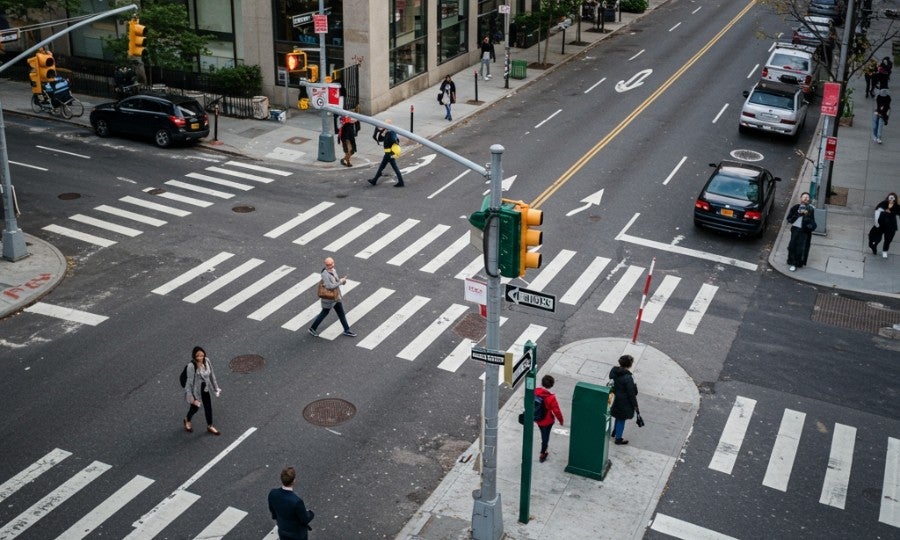
NYC Pedestrian Accidents: Who Has the Right of Way?

Pedestrians do have a right of way in New York, but this right isn’t absolute and is governed by a detailed legal framework that places responsibilities on both drivers and pedestrians. The notion of a pedestrian’s right of way is one of the most critical aspects of New York’s traffic laws, given the state's densely populated urban centers. The legal system in New York is designed to protect pedestrians, who are the most vulnerable users of the roadways, and it has evolved over time to become even more protective, particularly within New York City. The Foundational Legal Framework: New York State Vehicle and Traffic Law The fundamental rules of the road for pedestrians in New York are laid out in the New York State Vehicle and Traffic Law (VTL). This body of law sets the baseline for pedestrian rights and duties across the entire state. The most important statutes that govern a pedestrian's right of way are found within this law. VTL § 1151 The first and most critical law is VTL § 1151, which grants pedestrians the right of way when in a crosswalk. This section of the law states that when a pedestrian is lawfully in a crosswalk and the "WALK" signal is lit, they have the right of way over any vehicles. Drivers must yield to the pedestrian and allow them to cross the street safely. This protection is not limited to marked crosswalks. The law applies to any intersection, even if the crosswalk lines are not painted on the pavement. The intent is to protect pedestrians who are crossing where they are expected to be. VTL § 1152 The law also addresses the responsibility of pedestrians, particularly in situations where they are not in a crosswalk. VTL § 1152 deals with pedestrians crossing a roadway at any point other than a crosswalk. In these situations, the law requires that the pedestrian yield the right of way to all vehicles on the roadway. This is often what people refer to as "jaywalking." While a pedestrian may be violating this statute by crossing in the middle of a block, it is a common misconception that this violation absolves the driver of all responsibility if an accident occurs. As we will see, that is not the case. VTL § 1146 Beyond these two core statutes, the VTL also outlines the fundamental duty of care that drivers must exercise. VTL § 1146 is a particularly important statute that requires a driver to exercise due care to avoid colliding with any pedestrian. This means that a driver, regardless of a pedestrian's actions, still has a legal obligation to take reasonable measures to avoid a collision. This is a vital legal principle because it creates a safety net for pedestrians and ensures that even if a pedestrian is technically violating a law, a driver cannot simply hit them without consequence if a collision could have been avoided. This "due care" provision is a cornerstone of pedestrian protection in New York. New York City's Enhanced Protections: Vision Zero While the state VTL provides the foundational legal framework, New York City, with its unique density and high volume of pedestrian traffic, has enacted its own additional laws to further protect pedestrians. These laws, a core component of the city's Vision Zero initiative, have fundamentally changed the legal landscape for drivers. The most significant of these is New York City's Right-of-Way Law (Local Law 29 of 2014). This law makes it a misdemeanor for a driver to fail to yield to a pedestrian or a cyclist who has the right of way, if that failure results in a collision that causes a physical injury. Previously, a driver who failed to yield might only face a traffic ticket. Now, a driver could face criminal charges, including jail time, and an investigation by the NYPD's Collision Investigation Squad. This law has created a powerful deterrent for drivers and a stronger legal foundation for injured pedestrians. The Vision Zero initiative also includes other measures that directly impact a pedestrian's safety and legal standing. These include: Lowered Speed Limits: The citywide speed limit was lowered from 30 mph to 25 mph, which has a direct and significant impact on pedestrian survival rates in a collision. Leading Pedestrian Intervals: At many intersections, the "WALK" signal comes on several seconds before the green light for vehicles, giving pedestrians a head start and making them more visible to turning drivers. Traffic Calming Measures: The city has implemented numerous physical design changes, such as pedestrian islands, curb extensions, and protected bike lanes, to create a safer environment and reinforce the idea that pedestrians are a priority. These local laws and initiatives are not just public safety programs; they are legal tools that a pedestrian's attorney can use to prove a driver's negligence and secure compensation. Applying the Law: Real-World Scenarios The rules surrounding a pedestrian's right of way can seem confusing, so let's apply them to some common real-world scenarios. At a Marked Crosswalk with a Signal: This is the clearest scenario. If you are in a marked crosswalk and the "WALK" signal is illuminated, you have the absolute right of way. Drivers are required to stop and yield to you. If a driver hits you in this situation, they are almost certainly liable for your injuries. At an Unmarked Intersection: This is where many people misunderstand the law. In New York, the law still treats an unmarked intersection as a crosswalk. If a driver is approaching an intersection and you are in the unmarked crosswalk, you have the right of way, and the driver must yield. This is a critical point that can be easily overlooked. When a Car is Turning: This is one of the most common causes of pedestrian accidents in New York City. A driver who is turning at an intersection must yield to any pedestrians who are in the crosswalk and have the "WALK" signal. Even if the driver has a green light, they cannot turn into a pedestrian who is lawfully crossing the street. Crossing Against the Light ("Jaywalking"): This is perhaps the most nuanced scenario. If you cross the street against the light or in the middle of a block (not in a crosswalk), you are technically violating VTL § 1152. However, this does not give a driver a free pass to hit you. Under New York's "due care" law, a driver is still required to take reasonable measures to avoid a collision. If a driver sees you from a block away and has plenty of time to slow down or stop, but hits you anyway, they can still be found negligent. The Role of Comparative Negligence Law The concept of pure comparative negligence is fundamental to a pedestrian accident case in New York. It is a legal doctrine that allows a plaintiff (the injured pedestrian) to recover damages even if they were partially at fault for the accident. The amount of their recovery is simply reduced by the percentage of fault assigned to them. For example, let's say you were crossing the street against the light, and a driver who was texting and driving hits you. A jury might decide that you were 20% at fault for crossing against the light, but the driver was 80% at fault for being distracted and failing to see you. In this case, you would still be able to recover 80% of your total damages. This system provides a fair way to compensate injured parties and ensures that a driver's negligence does not go unpunished just because a pedestrian made a mistake. This is a critical legal concept because it means that even if you feel you were partly to blame for an accident, you may still have a very strong case. An experienced New York pedestrian accident lawyer can navigate this principle and present evidence to a jury to minimize your percentage of fault and maximize your compensation. Responsibilities of Pedestrians: It's a Two-Way Street To be truly informed, it's important to understand that the right of way is not a free pass to ignore all traffic laws. Pedestrians also have legal responsibilities. Under the VTL, pedestrians must: Obey traffic signals: Just as drivers must obey traffic signals, pedestrians must also obey "WALK" and "DON'T WALK" signs. Use crosswalks when available: When a crosswalk is present, pedestrians are required to use it. Not leave a curb or safety zone suddenly: A pedestrian cannot suddenly dart into the path of a vehicle that is so close that it is impossible for the driver to yield. Violating these rules can be considered a form of negligence and can be used by the defense to argue for a higher percentage of comparative fault. While a driver is almost always at a higher legal standard of care due to the sheer destructive potential of their vehicle, a pedestrian's actions are still a factor in any legal analysis. Given the complexities of comparative negligence, the strict deadlines for filing claims, and the aggressive tactics of insurance companies, it is prudent to seek the counsel of a skilled New York pedestrian accident lawyer. They can help you prove liability of the negligent driver and fight for the highest possible compensation you may be entitled to. How Our NYC Pedestrian Accident Attorney Daniel Minc Will Prove the Negligent Driver Violated Your Right of Way and Caused Your Injuries Being struck by a vehicle in New York City is a life-altering experience. After the initial shock and injury, the legal battle begins, and in pedestrian accident cases, it usually starts with a simple but crucial question: "Who had the right of way?" While New York law provides strong protections for pedestrians, having the right of way and proving you had the right of way are two entirely different things. A negligent driver and their powerful insurance company will almost always try to shift the blame to you, claiming you darted into traffic or were distracted. It’s in this moment that the expertise of a top New York City pedestrian accident attorney becomes not just helpful, but absolutely essential. At Rosenberg, Minc, Falkoff & Wolff, LLP, our New York City pedestrian accident lawyer Daniel C. Minc knows that proving a pedestrian's right of way is a systematic, evidence-based process that helps build an undeniable case for damages. We understand the high-stakes game that is a pedestrian accident lawsuit in New York City, and our approach is designed to counter the defendant’s tactics and prove that the driver’s negligence, not your actions, was the sole cause of the accident. The Central Challenge: Your Word Against Theirs The first hurdle in any pedestrian accident case is overcoming the driver’s version of events. In almost every instance, a driver will claim you appeared out of nowhere, you were crossing outside of a crosswalk, or that you were walking against the light. Their insurance company will then use this claim to argue that you are at least partially responsible, and that any potential compensation should be reduced or eliminated entirely. This is why we don't rely on your testimony alone, no matter how truthful it is. We understand that a jury needs more than a he-said-she-said argument. We need concrete, irrefutable evidence that proves your position and the driver’s violation of the law. Daniel Minc and his investigative team immediately launch into a full-scale evidence collection process, designed to leave no stone unturned. The Investigative Playbook: Proving Your Right of Way in New York In the fast-paced environment of the five boroughs, evidence can vanish in a moment. Our team acts with urgency, leveraging our deep knowledge of the city's resources to secure and preserve the critical evidence that will prove you had the right of way. Securing and Analyzing Surveillance Footage: Our team immediately sends preservation letters to businesses, residential buildings, and the city’s Department of Transportation to secure any security camera or traffic camera footage of the accident. A video that shows the "WALK" signal in your favor, or a driver running a red light, is often the most powerful form of evidence. We also look for footage that shows the driver's vehicle in the moments leading up to the accident, which can reveal a pattern of reckless driving or distraction. Finding and Interviewing Eyewitnesses: A neutral third-party witness can be the key to winning your case. Our investigators canvass the area around the accident scene, speak with local business owners, and follow up on any leads from the police report to find people who saw the accident happen. We then take sworn statements from these witnesses to lock in their testimony and prevent the defense from trying to intimidate or mislead them later. Obtaining and Scrutinizing the Police Report: The NYPD police report is a key starting point for our investigation. While it may not contain a final determination of fault, it includes vital information like the driver's contact information, their insurance details, and, in some cases, the officer's own observations or a diagram of the accident scene. We diligently review this report for inconsistencies, omissions, or details that can support your claim. Leveraging Digital and Technical Data: Our investigation goes beyond simple witness testimony. We work to obtain data from the at-fault vehicle's Event Data Recorder (EDR), generally referred to as a "black box." This data can show the vehicle's speed, braking patterns, and steering input in the seconds before the crash. We also may subpoena data from the city's traffic light management system to prove exactly when the traffic signal was in your favor at the time of the accident. This technical evidence is almost impossible for the defense to refute. The Legal Strategy: Connecting Evidence to the Law Collecting evidence is only half the battle. The other half is using that evidence to build an airtight legal argument. Daniel Minc's expertise lies in taking this mountain of evidence and crafting a legal narrative that is both compelling and directly tied to New York's laws. The Power of NYC's "Right-of-Way Law": We use New York City's Local Law 29 of 2014, a key part of the Vision Zero initiative, to argue that the driver committed not just a traffic violation, but a criminal act. By showing that the driver failed to yield to you while you were in the crosswalk with a "WALK" sign, and that this failure caused your physical injury, we elevate the severity of their actions. This puts immense pressure on the driver's insurance company to settle, as they want to avoid a potentially devastating jury verdict. The "Due Care" Argument: Even in situations where you may have been crossing outside of a crosswalk, we use VTL § 1146, which requires a driver to exercise "due care" to avoid a collision. We argue that no matter where you were, a reasonable driver should have seen you and avoided hitting you. We use evidence like the driver's EDR data to show they were speeding or distracted, or surveillance footage to show that you were visible for a prolonged period of time. Rebutting Comparative Negligence Claims: The defendant will almost always try to use New York's pure comparative negligence law to reduce your compensation. Our strategy is to use our comprehensive evidence to minimize or completely eliminate any fault placed on you. We will argue that even if you were technically violating a minor traffic rule, the driver’s egregious negligence was the primary cause of the accident, thereby ensuring that your total compensation is not reduced. The Role of Expert Witnesses In some of the most complex cases, the use of expert witnesses becomes paramount to proving a right of way violation. Daniel Minc has a network of top professionals who can bring scientific and technical clarity to your case. For instance, an accident reconstructionist can use all the evidence we have collected to create a scientific recreation of the accident, showing the jury exactly how it happened. A traffic signal expert can provide sworn testimony to confirm the timing of a traffic signal at the moment of the crash. This expert testimony turns a he-said-she-said argument into a factual, evidence-based conclusion that is difficult for the defense to overcome. Get New York’s Best Pedestrian Accident Attorney on Your Side In a New York City pedestrian accident, simply having the right of way is not enough to win your case. You need a skilled and relentless attorney who knows how to prove it. The driver and their insurance company will fight fiercely to shift the blame and avoid paying you the compensation you are owed. Our NYC pedestrian accident lawyer Daniel Minc and the team at Rosenberg, Minc, Falkoff & Wolff, LLP, understand this battle and are prepared for it. By leveraging our systematic investigative approach, our deep knowledge of New York's laws, and our network of experts, we build a strong case that proves the driver's violation of your right of way, holds them accountable, and secures the maximum compensation you need to heal and move forward. To schedule your free consultation, call us at 212-344-1000 or contact us online. Daniel Minc Daniel C. Minc is a Member and Partner of the prominent New York City law firm of Rosenberg, Minc, Falkoff & Wolff, LLP. Mr. Minc holds a Bachelor’s Degree from Hofstra University, a Master of Arts Degree in Economics from the State University of New York at Stony Brook and a Juris Doctor Degree from Seton Hall University School of Law.

Distracted Walking NYC

Distracted Walking NYC: Understanding the Hidden Dangers

You're rushing down a crowded New York City street, maybe dodging a hot dog stand, an aggressive taxi, or a street performer. Your phone buzzes, and instinctively, your eyes drop. Just for a second. But that second? In a city that never stops, it's enough to change everything. We often talk about the dangers of distracted driving, and rightfully so. It's a critical issue that contributes to countless accidents on our roads. But what about the person on foot? Here's the thing: while drivers get most of the attention for their digital diversions, there's a quieter, yet equally perilous, epidemic unfolding on our sidewalks: distracted walking. In a city like New York, where millions navigate bustling streets daily, a moment's inattention can have serious consequences. We're not just talking about bumping into someone or missing your stop; we're talking about a significant contributor to pedestrian accidents, injuries, and even fatalities. It's a hidden danger that's becoming increasingly visible, and it's time we talked about it openly and honestly. The Alarming Rise of Pedestrian Incidents in NYC New York City is a marvel of pedestrian activity, but that vibrant energy comes with its own set of risks. The numbers, frankly, are a bit sobering. According to reports from the NYC Department of Transportation (DOT) and initiatives like Vision Zero, pedestrian fatalities and injuries remain a serious concern. While Vision Zero has made commendable strides in reducing traffic-related deaths, pedestrian safety, particularly concerning distracted behavior, continues to be a persistent challenge. For instance, Federal DOT agencies publish intersection safety statistics in various reports and fact sheets, but no recurring 'Annual Traffic Report' with this specific title was identified, often highlighting that a significant percentage of severe pedestrian injuries and fatalities occur at intersections, precisely where a momentary lapse in attention — from either a driver or a pedestrian — can be catastrophic. It's not just the big, dramatic collisions; it's also the near-misses, the trips, and the falls that could have been easily avoided if only our attention hadn't been elsewhere. What Exactly is "Distracted Walking"? You might wonder, 'What even counts as distracted walking?' It's more than just texting. Generally speaking, it's any activity that diverts a pedestrian's attention from their surroundings, their path, or traffic conditions. Of course, the most common culprit we see these days is the smartphone. People are engrossed in emails, social media feeds, or streaming videos, completely oblivious to the world around them. But it's not just screens. It could be listening to music at an excessively high volume, deep in conversation with a friend, or even navigating a complex map on a device. Anything that pulls your focus away from the immediate environment where you're moving – especially in a dynamic, unpredictable place like NYC – falls under this umbrella. We're talking about a fundamental shift in situational awareness, and it's something we're all guilty of doing at some point, aren't we? The Legal Landscape: Are There Laws Against This? This is where it gets a little nuanced. Unlike distracted driving, which is clearly defined and prohibited by New York State law (think cell phone use while driving), there isn't a specific statewide 'distracted walking' law. You won't get a ticket just for walking while texting, at least not directly for that action. However, that doesn't mean there are no legal implications. When an accident occurs, say a pedestrian walks into traffic and is struck by a vehicle, the legal concept of 'comparative negligence' often comes into play. New York follows a pure comparative negligence rule ( CPLR § 1411). This means that if you, as a pedestrian, are found to be partially at fault for an accident – perhaps because you were distracted and not paying attention – your ability to recover damages from a negligent driver could be reduced by your percentage of fault. For example, if a jury determines you were 30% at fault for stepping into traffic while looking at your phone, and a driver was 70% at fault for speeding, your compensation would be reduced by 30%. 2026 update: New York’s pure comparative negligence rule changed for motor vehicle accidents. Under CPLR § 1411(b) (effective May 27, 2026), a pedestrian struck by a motor vehicle whose fault is greater than the driver’s is now barred from recovering; at 50% or less they still recover, reduced by their fault percentage. It's a crucial point, because while the primary goal is safety, understanding the legal ramifications can sometimes be the wake-up call we need. Real-World Consequences: Beyond a Bumped Shoulder Let's get real about what this looks like on the ground. It's not always just a minor stumble. Consider a scenario: a tourist, navigating Midtown Manhattan near Times Square, is deeply engrossed in their phone, trying to find directions. They step off the curb against the light, completely missing the 'Don't Walk' signal and the yellow taxi making a legal turn. The result? A fender-bender for the cab, but a broken ankle and a concussion for the pedestrian. That's a week in the hospital, months of physical therapy, and a hefty medical bill. Or think about this: a local resident, walking home in Brooklyn, scrolling through TikTok, doesn't see the uneven sidewalk slab or the discarded construction debris. They trip, fall awkwardly, and break a wrist. A simple oversight, a momentary distraction, has now led to a painful injury, lost work days, and a significant disruption to their life. Can a text message truly be worth a trip to the emergency room, or worse? These aren't hypothetical; they're daily occurrences in a city as dense and dynamic as ours. We're seeing more reports of serious injuries, from head trauma to broken bones, directly linked to pedestrians failing to observe their surroundings. Taking Back Our Streets: Practical Solutions for Pedestrians So, what's the solution then? It's easy to feel frustrated by the constant pull of our devices, but we're not powerless. Reclaiming our awareness on the streets of NYC starts with simple, yet impactful, changes in habit. First, let's make a conscious effort to 'look up.' When you're crossing a street, waiting for a light, or navigating a crowded sidewalk, your phone can wait. That email, that text, that social media update – it's rarely as urgent as your personal safety. Second, be predictable. Walk defensively, just as you'd drive defensively. Make eye contact with drivers, even if you have the right of way. Assume they might not see you. Third, if you absolutely must use your phone, step off to the side, away from the flow of traffic and other pedestrians. Find a safe spot where you won't be a hazard to yourself or others. It sounds basic, I know, but sometimes the most effective solutions are the simplest. We're talking about building a new 'street smart' habit for the digital age. Technology's Role: Friend or Foe? It's a bit ironic, isn't it? The very technology that often distracts us also offers potential solutions. Many newer smartphones now include features like 'Heads-Up' or 'Screen Time' reports that can alert you to your usage while walking, or even encourage you to look up. Apple's iOS has a 'Walking Steadiness' feature which, while primarily for fall detection, can make you more aware of your posture and surroundings. While these are helpful tools, they're not a substitute for personal responsibility. The truth is, the fundamental choice rests with each of us. We have to decide if the momentary gratification of a notification is worth the potential risk to our safety and the safety of those around us. It's about finding that balance, where technology serves us, rather than dominates our attention, especially when we're out and about in a bustling environment like New York. Navigating New York City is an art form, a dance between millions of people, vehicles, and the constant hum of life. Distracted walking isn't just a minor annoyance; it's a genuine public safety issue that demands our attention. We're all part of the solution. By committing to being more present, more aware, and more responsible for our actions on foot, we can significantly reduce the risks for ourselves and for everyone else sharing our incredible city. So, the next time your phone buzzes on the street, take a moment. Look up. Take in the city. Your safety, and the safety of others, truly depends on it. Let's make our streets safer, one conscious step at a time. Free Case Consultation Injured in an accident? Contact Rosenberg, Minc, Falkoff & Wolff for a free and confidential case review with an experienced NYC personal injury attorney. Contact Us Follow RMFW Law for legal insights and case results: Facebook Instagram X (Twitter) Pinterest Yelp YouTube Gary Silverstein Gary Silverstein has been a partner of Rosenberg, Minc, Falkoff & Wolff since 2001, and an associate of the firm since 1989. Mr. Silverstein graduated with a Bachelor of Science degree from State University of New York College at Oneonta in 1983. Mr. Silverstein holds a degree of Juris Doctor from the University of Miami School of Law, having graduated in 1988.

Understanding NYC E-Scooter Liability After a Collision

Understanding NYC E-Scooter Liability After a Collision

Ever feel like New York City streets are buzzing more than ever? It's not just your imagination; the explosion of e-scooters and e-bikes has transformed our daily commutes and deliveries. While these nimble machines offer undeniable convenience and efficiency, they've also brought a sharp rise in accidents, creating a complex and often perilous landscape for riders, pedestrians, and motorists alike. We're talking about more than just fender benders; serious injuries are becoming alarmingly common. So, how do you navigate this evolving legal maze when an accident inevitably happens? The Rise of E-Mobility in NYC: A Double-Edged Sword The scene is familiar: a delivery rider zipping past, a commuter effortlessly gliding through traffic, or tourists exploring on rented scooters. E-mobility has truly taken hold here in New York, offering a fast, eco-friendly way to get around our bustling city. The convenience is undeniable, particularly for the essential services that keep NYC running. But here's the thing: with great accessibility often comes new risks, and the data paints a stark picture. According to the New York City Department of Transportation (DOT), incidents involving e-bikes and e-scooters have seen a significant uptick. While exact numbers can fluctuate, the trend is clear: more devices mean more interactions, and unfortunately, more collisions. This isn't just about statistics; it's about real people facing real injuries and the profound questions of who's responsible when things go wrong. Understanding the Accident Surge: What's Happening on NYC Streets? Why are we seeing this surge in accidents? It's a confluence of factors, really. Many e-bikes and e-scooters can reach impressive speeds, sometimes exceeding 20 mph, which can be challenging to control in dense urban environments. Infrastructure often hasn't caught up, leaving riders to contend with potholes, uneven surfaces, and a lack of dedicated lanes. Then there's the human element: inexperienced riders, distracted pedestrians (we've all been guilty of looking at our phones while walking, haven't we?), and drivers who simply aren't accustomed to the rapid movements of these smaller vehicles. We're seeing everything from "dooring" incidents (where a car door opens into an unsuspecting rider) to collisions at intersections and even bikes mounting sidewalks. It's a chaotic mix, and frankly, it leaves many feeling frustrated and vulnerable, whether they're on two wheels or two feet. Navigating Liability: Who's Responsible When Accidents Happen? When an accident occurs involving an e-scooter or e-bike, the question of liability isn't always straightforward. New York operates under a "pure comparative negligence" system. What does that mean for you? Essentially, if you're found partially at fault for an accident, your ability to recover damages isn't entirely barred; instead, your compensation would be reduced by your percentage of fault. For example, if you sustained $100,000 in damages but were deemed 20% responsible, you could still recover $80,000. This system is designed to be fair, but it also means that establishing fault requires meticulous investigation. 2026 update: If your claim is against a motor vehicle (for example, an e-scooter or e-bike rider struck by a car), CPLR § 1411(b) (effective May 27, 2026) now bars recovery when your share of fault is greater than the driver’s. For accidents that do not involve a motor vehicle, New York’s pure comparative negligence rule still applies. Consider these common scenarios: E-Scooter Rider vs. Pedestrian: If a rider injures a pedestrian, the rider's personal liability insurance (if they have it, which is often a big "if") or even homeowner's/renter's insurance might come into play. However, if the pedestrian darted out suddenly, their own comparative negligence could reduce their claim. E-Bike Rider vs. Car: This is often the most complex. A driver's auto insurance policy will typically cover damages if the driver is at fault. But what if the e-bike rider ran a red light? Then it becomes a battle of percentages, and personal injury protection (PIP) benefits from the car's policy might still apply to the rider's medical expenses, regardless of fault, under New York's no-fault law – a critical detail many don't realize. Rental E-Scooter Incidents: What about those shared e-scooters you rent via an app? Liability can get murky here. The rental company's terms of service often try to shift all responsibility to the rider, but depending on the specific circumstances – like a poorly maintained scooter or a defect – the company itself might bear some blame. It's a legal gray area that's still being defined in courtrooms. The truth is, determining who's at fault requires an in-depth look at traffic laws, right-of-way, driver/rider conduct, and sometimes even vehicle maintenance records. It's incredibly challenging to navigate these waters alone, especially when you're recovering from an injury. Insurance Realities for E-Bikes and E-Scooters You might be thinking, "Does my regular insurance cover this?" And that's a really good question, because the answer often depends. Unlike traditional motorcycles, e-bikes and e-scooters generally aren't considered "motor vehicles" in the same way, which can leave a frustrating gap in coverage. Your standard auto insurance usually won't cover your e-bike if you're riding it, unless it's explicitly added or meets very specific criteria. Sometimes, a homeowner's or renter's policy might offer limited liability coverage if you're found at fault for injuring someone, but it rarely covers damage to your own device or your medical bills. This lack of clear, consistent coverage is a major concern for many riders and can leave victims of accidents with substantial out-of-pocket expenses. It's definitely something to look into before you need it. Priscilla's Law and Beyond: Proposed Regulations Shaping the Future Recognizing the growing safety concerns, New York City and State lawmakers are actively working to adapt the legal framework. One significant example, often discussed in the context of improving safety for pedestrians and other road users, is "Priscilla's Law." While the specifics of such legislation can evolve rapidly (and it's always wise to check current legal statuses), a proposed law like Priscilla's often aims to address critical gaps. Typically, it might propose stricter regulations on e-bike and e-scooter operation, such as mandatory speed governors for certain models, improved lighting requirements, or even new licensing or registration processes. The intent is clear: to enhance accountability and reduce the risk of serious injury. For instance, such a law could: Mandate Safety Features: Requiring certain reflective gear, brighter lights, or audible warnings could make riders more visible and prevent nighttime collisions. Implement Speed Restrictions: Capping speeds in certain zones, particularly in high-pedestrian areas, could significantly reduce the severity of impacts. Clarify Parking and Operation Zones: Designating clear areas for e-scooter and e-bike use and parking could reduce sidewalk clutter and pedestrian hazards. These proposed regulations, like Priscilla's Law, aren't just about penalizing riders; they're about creating a safer environment for everyone sharing our crowded streets. They reflect a growing understanding that our existing traffic laws, designed for cars and traditional bicycles, don't always fit the unique challenges posed by e-mobility. It's a complex balancing act, ensuring convenience isn't sacrificed for safety. What You Can Do: Protecting Yourself on NYC Streets Given this dynamic environment, what steps can you take to protect yourself? For Riders: Always wear a helmet (it's the law for many e-bikes and e-scooters, depending on speed and classification!), obey traffic signals, and be predictable. Assume drivers and pedestrians don't see you. Defensive riding isn't just a suggestion; it's a necessity. Consider personal liability insurance specifically designed for e-vehicles, as your homeowner's policy might not be enough. For Pedestrians: Stay alert. Avoid distractions. While you have the right-of-way in many situations, vigilance is your best defense. If you're involved in an incident, document everything: take photos, get contact information, and seek medical attention immediately, even if you feel fine. After an Accident: Regardless of whether you're a rider, pedestrian, or driver, if an accident involves an e-bike or e-scooter, it's crucial to gather evidence. Exchange information, get witness statements, and call the police if there are injuries or significant property damage. Most importantly, don't admit fault. The evolving legal landscape surrounding e-scooter and e-bike accidents in New York City is undeniably complex, and it can feel incredibly overwhelming, especially when you're facing recovery from an injury. From determining fault under comparative negligence to navigating inadequate insurance coverages and understanding new regulations like Priscilla's Law, there are many layers to peel back. You don't have to face these challenges alone. Understanding your rights and the nuances of these laws is paramount to protecting your well-being and securing fair compensation. If you or someone you know has been involved in an e-mobility accident, seeking professional legal counsel isn't just a good idea; it's often the most critical step you can take to ensure your interests are fully protected. Don't let the legal complexities prevent you from pursuing the justice you deserve. Free Case Consultation Injured in an accident? Contact Rosenberg, Minc, Falkoff & Wolff for a free and confidential case review with an experienced NYC personal injury attorney. Contact Us Follow RMFW Law for legal insights and case results: Facebook Instagram X (Twitter) Pinterest Yelp YouTube Robert Wolff Robert H. Wolff is a member and partner of the prestigious New York City Personal Injury Law Firm of Rosenberg Minc, Falkoff, & Wolff, LLP. Mr. Wolff graduated from SUNY Albany, cum laude, in 1978 with a B.A. in Psychology and American History. Thereafter, he attended St. John’s University School of Law, where he was a member of the Moot Court Team and the Criminal Law Society, graduating in 1981 with a Juris Doctor’s degree.

NYC Street Design for Pedestrians

NYC Street Design for Pedestrians: Creating Safer Urban Spaces

Navigating New York City: The Evolution of Pedestrian Safety and Accessibility New York City, a vibrant metropolis, constantly evolves. Its streets, once primarily designed for vehicle flow, are undergoing a significant transformation. The NYC Department of Transportation (DOT) actively implements street design changes to enhance pedestrian safety, creating a more inclusive and secure urban environment for everyone. These upgrades are not just about convenience; they are about saving lives and improving the quality of life for millions of residents and visitors. At RMFW Law, we understand the critical importance of safe streets. We continually monitor these developments, advocating for pedestrians and ensuring their rights are protected. The city's commitment to modernizing its infrastructure directly impacts pedestrian well-being, a cause we champion vigorously. Expanded Pedestrian Spaces: More Room to Move One of the most visible changes involves expanding pedestrian spaces. The DOT recognizes that wider sidewalks and dedicated pedestrian plazas provide crucial benefits. They reduce overcrowding, minimize conflicts between pedestrians and vehicles, and create a more pleasant walking experience. For instance, initiatives to convert underutilized street space into pedestrian-only areas or widen existing sidewalks have gained momentum. These expanded zones offer more than just extra room; they foster a sense of community, encourage walking, and support local businesses by inviting more foot traffic. Suddenly, a chaotic intersection can become a vibrant public square, thanks to thoughtful urban planning. Intersection Safety Upgrades: Making Crossings Safer Intersections are often danger zones for pedestrians. The NYC DOT addresses this through comprehensive intersection safety upgrades. These improvements aim to reduce the likelihood of collisions and protect vulnerable road users. Shorter Crossings and Raised Crosswalks Many redesigns involve shortening pedestrian crossing distances. This reduces the time pedestrians spend in the street, directly lowering their exposure to traffic. Additionally, raised crosswalks are becoming more common. These act as speed bumps for vehicles, forcing drivers to slow down as they approach and cross pedestrian pathways. This simple yet effective design element significantly enhances safety. 'Daylighting' Intersections: Improving Visibility for Everyone Another crucial strategy is 'daylighting' intersections. This practice involves removing parking spaces or other obstructions within a specific distance (typically 20-30 feet) of a crosswalk. By clearing these zones, drivers gain an unobstructed view of pedestrians approaching or in the crosswalk, and pedestrians can see oncoming vehicles more clearly. Daylighting dramatically improves sightlines, especially for children or individuals using wheelchairs, preventing collisions that might occur due to blind spots. It's a proactive measure that prevents accidents before they happen. Accessibility Upgrades: Streets for All Commuters Beyond general safety, the NYC DOT is making significant strides in accessibility. These upgrades ensure that streets are safer and more navigable for all commuters, especially those with disabilities. True urban planning considers the needs of every individual, promoting independence and mobility. Accessible Pedestrian Signals (APS): Guiding the Way The installation of Accessible Pedestrian Signals (APS) represents a major leap forward. These specialized signals provide crucial information to visually and hearing-impaired pedestrians. APS units include audible tones, vibrating surfaces, and sometimes even spoken messages, indicating when it is safe to cross the street. This technology empowers individuals who might otherwise face significant challenges navigating busy intersections, ensuring they can cross confidently and safely. The deployment of APS across the city demonstrates a strong commitment to inclusive design. Bus Boarding Islands: A Safer Way to Board Bus boarding islands are another innovative accessibility feature. These raised platforms are built into the street, separating waiting bus passengers from moving traffic. Buses pull up directly to the island, allowing passengers to board and alight safely without stepping into the street. This design not only protects passengers but also improves bus efficiency by reducing dwell times and preventing vehicles from blocking the bus lane. For individuals with mobility challenges, these islands eliminate the dangerous step down from a curb into the street, making public transit more accessible and less hazardous. Curb Ramps and Detectable Warning Surfaces Complementing these larger initiatives are ongoing efforts to install and maintain compliant curb ramps at every intersection. These ramps provide smooth transitions from sidewalks to streets, essential for wheelchair users, parents with strollers, and individuals with walking aids. Paired with detectable warning surfaces (often textured, truncated domes), these features alert visually impaired pedestrians to the edge of the sidewalk and the presence of a street crossing. These seemingly small details collectively create a network of accessibility that transforms the urban landscape. The Impact on NYC Residents and the Role of RMFW Law These infrastructure and accessibility upgrades have a profound impact on the daily lives of New Yorkers. They contribute to a city where walking is safer, more enjoyable, and accessible to everyone, regardless of age or ability. Reduced pedestrian injuries and fatalities represent the ultimate goal, fostering a healthier and more connected community. However, even with the most advanced safety measures, accidents can still occur. When they do, the consequences for pedestrians can be devastating. At RMFW Law, we remain dedicated to representing victims of pedestrian accidents. Our team understands the complexities of New York City's traffic laws and the nuances of accident claims. We work tirelessly to ensure that injured pedestrians receive the compensation they deserve for medical expenses, lost wages, and pain and suffering. Knowing your rights is paramount in a city constantly striving for safer streets. If you or a loved one experiences a pedestrian accident, understanding your legal options can make a significant difference. We provide expert guidance, offering clarity and support during challenging times. Conclusion: A Future of Safer, More Accessible Streets The NYC Department of Transportation's initiatives—from expanding pedestrian spaces and daylighting intersections to installing Accessible Pedestrian Signals and bus boarding islands—demonstrate a clear commitment to pedestrian safety and accessibility. These upgrades are transforming New York City into a more walkable, equitable, and secure urban environment. While progress continues, vigilance and legal advocacy remain essential. RMFW Law stands ready to assist, ensuring that as the city evolves, the rights and safety of its pedestrians are always at the forefront. Free Case Consultation Injured in an accident? Contact Rosenberg, Minc, Falkoff & Wolff for a free and confidential case review with an experienced NYC personal injury attorney. Contact Us Follow RMFW Law for legal insights and case results: Facebook Instagram X (Twitter) Pinterest Yelp YouTube Gary Silverstein Gary Silverstein has been a partner of Rosenberg, Minc, Falkoff & Wolff since 2001, and an associate of the firm since 1989. Mr. Silverstein graduated with a Bachelor of Science degree from State University of New York College at Oneonta in 1983. Mr. Silverstein holds a degree of Juris Doctor from the University of Miami School of Law, having graduated in 1988.

NYC MTA Slip and Fall Lawyer

NYC MTA Slip and Fall Lawyer | RMFW Law

New York City's Metropolitan Transportation Authority (MTA) operates one of the most extensive public transit systems in the world. Millions of commuters and tourists rely on its subways, buses, and commuter rail lines daily. While convenient, this vast network also presents inherent risks. Slip and fall accidents, unfortunately, are a significant source of injury for many individuals navigating platforms, stairs, and even the vehicles themselves. These incidents lead to severe physical, emotional, and financial burdens for victims. At RMFW Law, we understand the unique legal challenges involved when pursuing claims against a public authority like the MTA. Our team possesses the expertise necessary to guide you through the complexities of New York's specific notice requirements and strict deadlines, ensuring your rights remain protected. If you suffered an injury in an MTA-related slip and fall, we are here to help. The Unseen Dangers of NYC's MTA System MTA properties, including subway stations, bus stops, and train interiors, are bustling environments. Consequently, hazards can develop quickly and unexpectedly. Many factors contribute to slip and fall accidents within this intricate system, often catching passengers off guard. Understanding these common risks is crucial for both prevention and for building a strong legal case. Common Causes of MTA Slip and Fall Accidents: Slippery Surfaces: Water, spilled beverages, oil, or even recently mopped floors without adequate warning signs create extremely hazardous conditions. Rain and snow frequently track into stations and onto vehicles, making surfaces slick. Debris and Obstructions: Litter, discarded food, broken glass, or other foreign objects on platforms, stairs, or within train cars can easily cause someone to lose their footing. The MTA must regularly inspect and clean these areas. Uneven or Damaged Surfaces: Cracked or broken platform edges, potholes in bus lanes, loose flooring, or worn-out stair treads pose significant tripping hazards. A sudden change in elevation can lead to a severe fall. Poor Lighting: Inadequate lighting in stairwells, on platforms, or within dimly lit train cars can obscure dangerous conditions, preventing passengers from seeing potential obstacles or slippery spots. Sudden Movements: Abrupt stops, starts, or sudden lurches of trains and buses can throw passengers off balance, especially if they are standing or preparing to exit. While some movement is expected, excessively violent maneuvers may indicate negligence. Overcrowding: Extremely crowded conditions, particularly during rush hour, limit visibility and make it difficult to navigate safely, increasing the risk of being jostled or falling. These hazards, individually or in combination, can lead to serious injuries, dramatically impacting a victim's life. Navigating the Legal Maze: Suing the MTA for Slip and Fall Injuries Suing a government entity, such as the MTA, differs significantly from filing a claim against a private individual or company. New York law imposes specific procedural requirements and tighter deadlines for claims against public authorities. Failing to adhere to these rules can result in the dismissal of your case, regardless of its merits. Therefore, engaging an experienced legal team early is paramount. The Critical Requirement: Filing a Notice of Claim The most crucial initial step in any personal injury claim against the MTA is filing a formal document called a Notice of Claim. This document officially notifies the MTA of your intent to sue and provides essential details about the accident, your injuries, and the alleged negligence. The MTA is governed by Public Authorities Law § 1276, which mandates this requirement. Strict Deadline: You must file the Notice of Claim within 90 days of the date of your accident. This deadline is strictly enforced. Missing it almost always bars your ability to pursue compensation. Contents of the Notice: The Notice of Claim must include your name and address, the nature of your claim, the time, place, and manner in which the claim arose, and the injuries sustained. Purpose: The Notice allows the MTA to investigate the incident promptly while evidence is fresh and witnesses are available. Properly preparing and filing this document requires precision and a thorough understanding of legal requirements. RMFW Law meticulously handles this process for our clients, protecting their right to seek justice. Statute of Limitations Beyond the 90-day Notice of Claim, you also face a specific statute of limitations for filing a lawsuit. For most personal injury cases against the MTA, you generally have one year and ninety days from the date of the accident to commence a lawsuit. However, exceptions and nuances exist, making legal counsel indispensable. Proving Negligence Against the MTA To succeed in an MTA slip and fall case, you must prove that the MTA acted negligently and that this negligence directly caused your injuries. This involves demonstrating several key elements: Duty of Care: The MTA owes a duty to its passengers and the public to maintain its premises and vehicles in a reasonably safe condition. Breach of Duty: The MTA breached this duty by failing to repair a dangerous condition, failing to warn of a hazard, or failing to properly maintain its property. For example, leaving a wet spill uncleaned for an unreasonable amount of time constitutes a breach. Causation: The MTA's breach of duty may have directly caused your slip and fall accident and resulting injuries. Your injuries must be a foreseeable consequence of their negligence. Damages: You suffered actual damages, such as medical expenses, lost wages, pain and suffering, or other financial losses due to your injuries. Actual vs. Constructive Notice A critical aspect of proving negligence against the MTA involves demonstrating that they had 'notice' of the dangerous condition. This can be: Actual Notice: The MTA directly knew about the hazard (e.g., an employee saw the spill and did nothing, or a report was filed). Constructive Notice: The dangerous condition existed for a sufficient length of time that the MTA, in the exercise of reasonable care, should have discovered and remedied it. For instance, a broken stair step present for days might constitute constructive notice. Gathering evidence to establish notice is often challenging but essential for a successful claim. Our attorneys at RMFW Law diligently investigate these details. What to Do Immediately After an MTA Slip and Fall Accident Your actions immediately following an accident can significantly impact your legal claim. Therefore, take these steps seriously: Seek Medical Attention: Your health is paramount. Even if you feel fine initially, consult a doctor. Some injuries, especially head or internal injuries, may not manifest symptoms immediately. Medical records also provide crucial evidence for your claim. Report the Incident: Notify MTA personnel (e.g., station agent, bus driver, conductor) about your fall immediately. Ask for an incident report and obtain a copy if possible. Document Everything: If safe to do so, take photos and videos of the accident scene. Capture the specific hazard that caused your fall, the surrounding area, and any visible injuries. Note the date, time, and location precisely. Gather Witness Information: If anyone saw your fall, ask for their names and contact information. Their testimony can be invaluable. Do NOT Give Recorded Statements: The MTA or its representatives may contact you. Politely decline to give any recorded statements or sign any documents without consulting with your attorney first. Contact a Personal Injury Lawyer: As soon as possible, speak with an attorney experienced in MTA slip and fall cases. They will advise you on your rights and ensure you meet all critical deadlines, especially the 90-day Notice of Claim. Common Injuries from MTA Slip and Fall Accidents Slip and fall incidents on the MTA can result in a wide range of injuries, from minor to life-altering. These may include: Fractures (wrists, ankles, hips, legs) Sprains and strains (ankles, knees, back) Head injuries, including concussions and traumatic brain injuries (TBIs) Spinal cord injuries (herniated discs, nerve damage) Soft tissue damage (ligament and tendon tears) Cuts, bruises, and lacerations These injuries often require extensive medical treatment, rehabilitation, and can lead to significant time away from work, resulting in substantial financial losses and emotional distress. How RMFW Law Protects Your Rights After an MTA Slip and Fall Dealing with the aftermath of an injury is overwhelming enough. Navigating a complex legal claim against a powerful entity like the MTA adds another layer of stress. RMFW Law stands ready to be your advocate. Expertise in MTA Cases: We possess a deep understanding of the unique laws and procedures governing claims against the MTA. We know what it takes to build a strong case. Timely Notice of Claim Filing: We ensure your Notice of Claim is prepared accurately and filed within the strict 90-day deadline, safeguarding your legal rights from the outset. Thorough Investigation: Our team meticulously investigates your accident, gathering critical evidence such as surveillance footage, maintenance records, witness statements, and expert testimony. Aggressive Representation: We negotiate fiercely with the MTA's legal team and, if necessary, litigate your case in court to pursue the maximum compensation you deserve for your medical bills, lost wages, pain and suffering, and other damages. Client-Centered Approach: We provide compassionate and personalized legal guidance, keeping you informed at every stage and addressing all your concerns. Do not face the Metropolitan Transportation Authority alone. Their legal resources are vast, but with RMFW Law by your side, you gain a powerful ally. We are committed to holding negligent parties accountable and helping you secure the justice and financial recovery you need to move forward. Contact RMFW Law today for a free, no-obligation consultation to discuss your MTA slip and fall accident. Free Case Consultation Injured in an accident? Contact Rosenberg, Minc, Falkoff & Wolff for a free and confidential case review with an experienced NYC personal injury attorney. Contact Us Follow RMFW Law for legal insights and case results: Facebook Instagram X (Twitter) Pinterest Yelp YouTube Gary Silverstein Gary Silverstein has been a partner of Rosenberg, Minc, Falkoff & Wolff since 2001, and an associate of the firm since 1989. Mr. Silverstein graduated with a Bachelor of Science degree from State University of New York College at Oneonta in 1983. Mr. Silverstein holds a degree of Juris Doctor from the University of Miami School of Law, having graduated in 1988.
Navigating New York City Playground Injuries

Navigating New York City Playground Injuries: Your Legal Rights

New York City offers incredible vibrancy and countless opportunities for families. In fact, its many parks and playgrounds stand as cherished havens for children to explore, learn, and grow. These spaces, however, also carry inherent risks. Unfortunately, playground accidents can happen, sometimes leading to serious injuries. As a trusted NYC personal injury law firm, RMFW Law understands the profound impact such incidents can have on families. Consequently, we believe in empowering parents and caregivers with vital information to prevent these occurrences. This comprehensive guide will therefore explore critical playground safety guidelines, helping ensure our children's play remains both joyful and secure. Ensuring the safety of our youngest New Yorkers is a shared responsibility. We must all understand the key elements that contribute to a safe play environment. From the ground beneath their feet to the equipment they climb on, every detail matters. Moreover, active adult involvement plays an indispensable role. Let's delve into the specifics, providing clear, actionable insights for every parent, guardian, and community member. The Foundation of Safety: Appropriate Playground Surfacing One of the most crucial elements of playground safety lies directly beneath a child's feet: the surfacing material. Falls are the leading cause of playground injuries, therefore, proper shock-absorbing surfaces are non-negotiable. Hard surfaces like asphalt, concrete, or packed earth offer no protection. Consequently, they greatly increase the risk of severe head injuries, fractures, and other critical harm. NYC playgrounds typically utilize various types of safety surfacing. For instance, you might encounter wood chips, shredded rubber, sand, or synthetic turf. Each material has specific requirements for depth and maintenance to be effective. For example, wood chips or sand should be at least 12 inches deep for equipment up to 8 feet high. Similarly, rubber mats or poured-in-place rubber surfaces offer excellent shock absorption. However, they must meet specific critical fall height attenuation standards. Always check for adequate depth and consistency in these materials. Uneven spots or thin areas can quickly become dangerous. Furthermore, inspect the area around swings and slides particularly closely. High-traffic zones tend to wear down faster. This creates depressions or exposes the hard ground underneath. A well-maintained surface significantly reduces the severity of injuries from falls. Parents should also look for proper drainage. Standing water can create slippery spots or even harbor mold and bacteria. Therefore, a dry, well-maintained surface is always safer. Vigilance is Key: Regular Equipment Inspection Playground equipment endures constant exposure to weather, wear, and tear. Therefore, consistent and thorough inspection is paramount. Many different entities maintain playgrounds in NYC, including the Department of Parks & Recreation, schools, and private organizations. Regardless of who owns it, parents and caregivers should always perform a quick visual check before allowing their children to play. What should you look for during your inspection? First, check for any broken parts, such as cracked plastic, splintered wood, or bent metal. These can create sharp edges or unstable structures. Second, inspect for rust, especially on metal components like chains, bolts, or support beams. Rust weakens the equipment and can also cause tetanus if it scratches a child. Third, look for loose bolts, screws, or connections. Loose parts can cause equipment to collapse or create pinch points. Furthermore, ensure that all S-hooks on swings are fully closed. Open S-hooks can easily snag clothing or skin, leading to serious injury. Similarly, check for any protruding bolts or sharp edges on slides or climbing structures. These can easily cut or scrape. Additionally, be aware of potential entanglement hazards. Ropes, nets, or even loose clothing can become caught, posing a strangulation risk. Report any identified hazards immediately to the appropriate authorities, such as NYC Parks by calling 311. Your quick action can prevent a future accident. The Power of Presence: Importance of Adult Supervision Even the safest playground equipment and surfacing cannot replace attentive adult supervision. Active supervision is not merely being present; it means constantly watching children, understanding their abilities, and intervening when necessary. For instance, avoid distractions like cell phones or conversations that take your attention away from the playing children. Their safety depends on your focused engagement. Children, especially younger ones, often lack a full understanding of consequences. They may attempt stunts beyond their physical capabilities or wander into dangerous areas. Consequently, adults must guide them. Teach children about safe play practices, such as waiting their turn, not pushing, and using equipment appropriately. For example, instruct them to always sit down on slides and go feet first. Never allow them to climb up the slide itself. Moreover, supervise children for age-appropriateness. Equipment designed for older children may pose hazards for toddlers. Conversely, older children might use equipment designed for younger kids in ways that make it unsafe. Always ensure your child is playing on structures suitable for their age and size. Furthermore, intervene if you see roughhousing or dangerous behavior among children, even if they are not your own. Everyone shares responsibility for playground safety. Your proactive approach can prevent many common playground injuries. Navigating Environmental Hazards in NYC Playgrounds Beyond equipment and supervision, environmental factors present significant risks, particularly in a dense urban environment like New York City. Awareness of these dangers can help prevent unexpected injuries. Extreme Heat on Play Surfaces One often-overlooked hazard is the extreme heat certain playground surfaces can reach, especially during NYC's hot summer months. Dark-colored rubber surfacing, metal slides, and dark plastic can absorb sunlight and become dangerously hot. These surfaces can cause severe burns, particularly to young children with more delicate skin. Before allowing a child to play, always touch the surface first with your hand. If it feels too hot for your hand, it's too hot for a child's skin. Consider visiting playgrounds during cooler parts of the day or choosing those with shaded areas and lighter-colored materials. Pinch Points and Entrapment Hazards Playgrounds have many moving parts and gaps. These can create pinch points where fingers or limbs can get caught. For instance, look for gaps between moving components on swings or merry-go-rounds. Additionally, check for entrapment hazards. These are openings where a child's head could get stuck but their body could slip through, leading to strangulation. Common culprits include gaps in guardrails, ladder rungs, or decorative elements. The U.S. Consumer Product Safety Commission (CPSC) provides specific guidelines for safe opening sizes. Therefore, any opening between 3.5 inches and 9 inches is potentially hazardous for head entrapment. Weather Conditions and Debris NYC weather can change rapidly. Consequently, rain or ice can make surfaces incredibly slippery, turning a fun play space into a treacherous one. Always check conditions before allowing play. Furthermore, urban environments sometimes present unexpected debris. Broken glass, discarded needles, sharp metal objects, or even animal waste can pose serious health and safety risks. Perform a quick visual scan of the entire play area before letting children roam freely. Teach children not to pick up unknown objects. Immediately report any dangerous litter to park staff or 311. What to Do If an Accident Happens Despite all precautions, accidents can still occur. If your child suffers an injury on an NYC playground, knowing what steps to take immediately can be crucial, both for their well-being and any potential legal claim. First and foremost, attend to your child's immediate medical needs. Provide first aid or seek emergency medical attention if necessary. Always prioritize their health. Second, if possible and appropriate, document the scene. Take photos or videos of the equipment, the surrounding area, and your child's injuries. Note the time, date, and any witnesses present. Gather contact information from witnesses. Third, report the incident to the appropriate authorities, whether it's NYC Parks staff, school officials, or the private owner of the playground. Obtain a copy of any incident report they create. Finally, consider contacting an experienced New York City personal injury lawyer. At RMFW Law, we understand the complexities of playground injury cases. We can help you understand your rights, determine if negligence played a role, and pursue the compensation your child deserves for medical bills, pain, and suffering. We offer compassionate, clear guidance during a challenging time. Remember, you don't have to navigate this alone. Our team is here to help you every step of the way. Taking Confident Next Steps Playgrounds are essential for children's development, offering spaces for physical activity, social interaction, and imaginative play. By understanding and adhering to critical safety guidelines, we can collectively work towards making NYC playgrounds safer for everyone. Remember the importance of appropriate surfacing, diligent equipment inspection, active adult supervision, and awareness of environmental hazards. Your vigilance makes a difference. Ultimately, your child's safety is our highest priority. If you have questions about playground safety or if your child has been injured on a playground in New York City, please do not hesitate to reach out to RMFW Law. We are here to provide the warm, clear, and compassionate legal guidance you need. We can help you protect your family's future. Free Case Consultation Injured in an accident? Contact Rosenberg, Minc, Falkoff & Wolff for a free and confidential case review with an experienced NYC personal injury attorney. Contact Us Follow RMFW Law for legal insights and case results: Facebook Instagram X (Twitter) Pinterest Yelp YouTube This article was drafted with AI assistance. Please verify all claims and information for accuracy. The content is for informational purposes only and does not constitute professional advice. Robert Wolff Robert H. Wolff is a member and partner of the prestigious New York City Personal Injury Law Firm of Rosenberg Minc, Falkoff, & Wolff, LLP. Mr. Wolff graduated from SUNY Albany, cum laude, in 1978 with a B.A. in Psychology and American History. Thereafter, he attended St. John’s University School of Law, where he was a member of the Moot Court Team and the Criminal Law Society, graduating in 1981 with a Juris Doctor’s degree.

Contact Us

Fill out this form below and we'll contact you shortly
*Required Fields