Request Free Consultation

Please fill out the form below for your free consultation or call us at 646-480-0830.

Request Free Consultation

No Fee Unless We Win

Blog / Construction Accidents

Enhanced NYC Site Safety Requirements: What You Need to Know

Enhanced NYC Site Safety Requirements

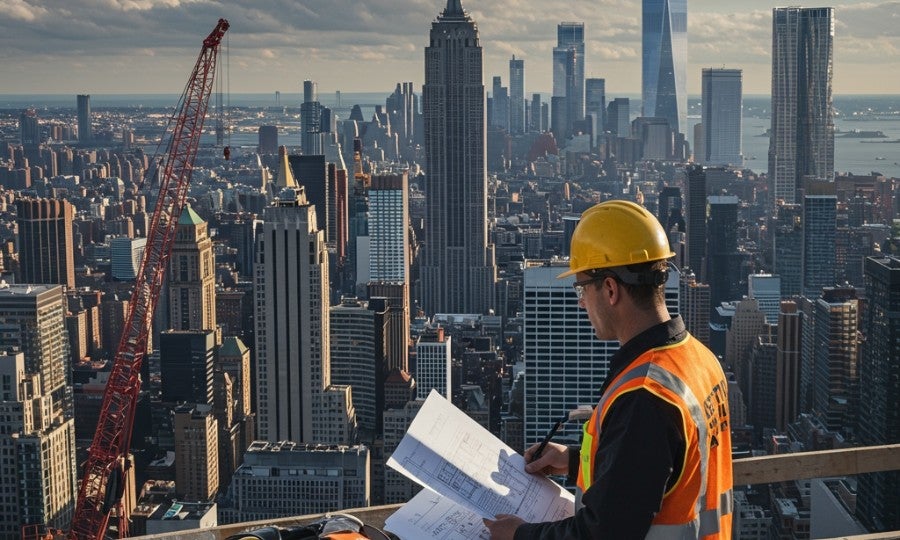
Hello from RMFW Law. As your trusted New York City personal injury lawyers, we always prioritize your safety. Construction sites in our bustling city are dynamic places, yet they absolutely must be safe for every worker and passerby. Consequently, staying informed about the latest safety regulations is crucial for everyone involved. We want to bring your attention to significant updates to the NYC Building Code, set to take effect very soon. These changes aim to enhance safety standards across the five boroughs, fundamentally impacting how construction projects are managed. Ultimately, these new rules mean greater protection for workers and the public alike.

The Evolving Definition of a ‘Major Building’

Effective December 11, 2024, the NYC Building Code will redefine what constitutes a "Major Building." Previously, this designation typically applied only to the largest, tallest structures. However, the new rules expand this definition significantly. Now, any building that is seven stories or more in height, or measures 75 feet or more from grade to the highest point, will be classified as a "Major Building." This alteration is not merely semantic; it carries profound implications for construction safety throughout the city. This revised definition means that a much broader range of projects will now fall under stricter safety oversight. Consequently, more construction sites will be subject to rigorous safety protocols, which is excellent news for worker protection and public well-being. Furthermore, this change reflects a deeper commitment to comprehensive safety standards across all relevant projects.

Expanded Site Safety Requirements: A New Era of Oversight

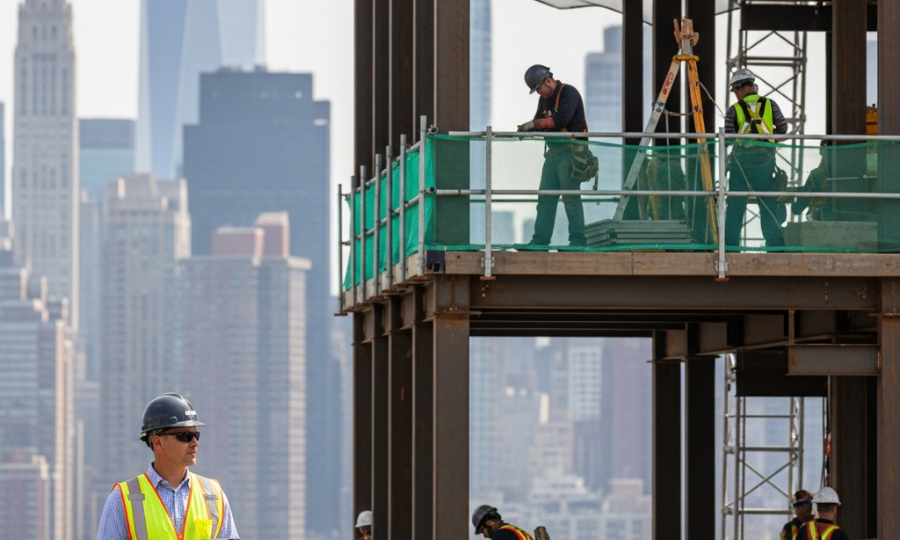
With the expanded "Major Building" definition comes a necessary increase in site safety requirements. Projects now categorized as "Major Buildings" must adhere to significantly more stringent regulations. Firstly, they will require a detailed Site Safety Plan. This comprehensive plan outlines specific safety procedures, crucial emergency protocols, and vital risk mitigation strategies tailored to the unique challenges of each construction site. Moreover, it ensures that potential hazards are identified and addressed before work even begins.

Secondly, these sites must designate a Site Safety Manager or Coordinator. A Site Safety Manager is required for new buildings 10 stories or more, or existing buildings 15 stories or more undergoing alteration or demolition. For other "Major Buildings" that don't meet these height thresholds but still fall under the new definition, a Site Safety Coordinator will be necessary. These individuals possess specialized training and are responsible for overseeing the implementation of the Site Safety Plan daily. They ensure compliance with all safety regulations, conduct regular inspections, and address potential hazards promptly. Therefore, their presence significantly enhances site safety. Additionally, all workers on these newly defined "Major Building" sites will need additional Site Safety Training (SST). This enhanced training ensures that every individual on such a project understands best practices for working safely and recognizes potential dangers. Ultimately, this comprehensive approach creates a safer work environment for everyone.

New Rules for Construction Superintendents: Increased Accountability

Beyond the "Major Building" redefinition, the NYC Building Code introduces new rules specifically targeting licensed Construction Superintendents. These critical changes become effective on January 1, 2025. Construction Superintendents play a vital role in day-to-day site operations and overall safety. The updated regulations significantly increase the specificity of their duties and inspection requirements. For example, superintendents will now have more clearly defined responsibilities regarding daily safety checks. They must also ensure compliance with approved plans and promptly report any unsafe conditions they observe. Furthermore, they must conduct more frequent and thorough inspections of ongoing work, critical equipment, and safety measures. This increased accountability aims to create a more proactive safety environment on construction sites. By strengthening the role of the Construction Superintendent, the city aims to prevent accidents before they happen. Consequently, this protects workers and the public more effectively. These new rules underscore the city's commitment to robust safety oversight.

Why These Changes Matter for Worker Safety and Public Well-being

These comprehensive updates to the NYC Building Code are not just bureaucratic adjustments; they represent a significant step forward for worker safety. By redefining "Major Buildings," the city ensures that more projects receive the highest level of safety oversight. Moreover, requiring detailed site safety plans and dedicated safety personnel means that hazards are identified and addressed proactively. This proactive approach saves lives and prevents serious injuries. The enhanced training for workers, coupled with increased accountability for Construction Superintendents, fosters a strong culture of safety from the top down. Ultimately, these measures are designed to reduce the number of construction accidents, injuries, and fatalities that occur in New York City. They establish a clearer framework for responsibility and empower workers with better knowledge and training. Indeed, these regulations offer a new layer of protection for everyone interacting with construction zones.

Understanding Your Rights After a Construction Accident

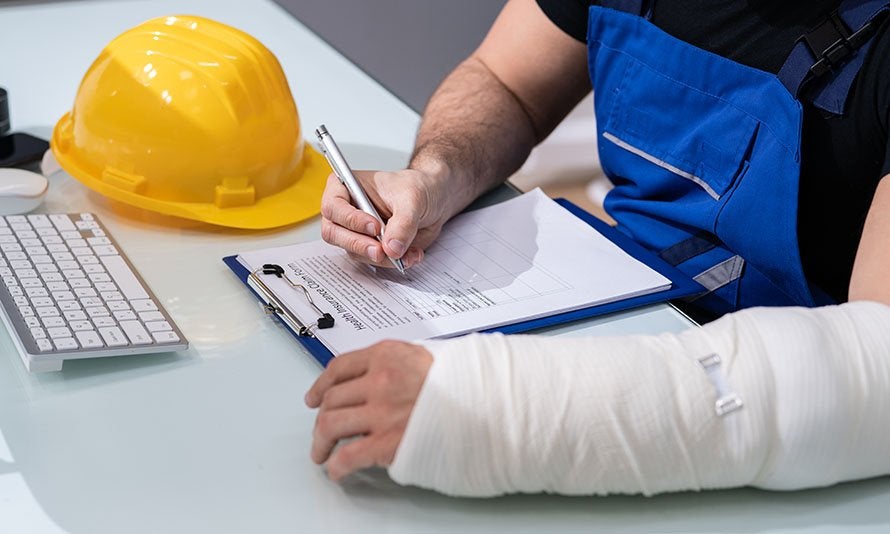
Despite these important new regulations, accidents can unfortunately still happen. Even with the strictest safety protocols, unforeseen circumstances or negligence can lead to serious injuries. If you or a loved one are involved in a construction accident in New York City, it is crucial to understand your rights immediately. You may be entitled to significant compensation for medical expenses, lost wages, and pain and suffering. Furthermore, construction accidents often fall under specific laws, like New York's Labor Law sections 240 and 241, which provide strong protections for injured workers. These laws often hold property owners and general contractors strictly liable for certain types of gravity-related injuries, regardless of individual fault. For instance, if you fall from a height because of inadequate safety equipment, the property owner or general contractor might be held liable. Similarly, if falling debris causes injury due to insufficient overhead protection, the same parties could be responsible. These laws are designed to protect workers who face inherent dangers on construction sites.

How RMFW Law Can Help You

Navigating the legal complexities after a construction accident can be incredibly overwhelming, especially when you are recovering from serious injuries. That is precisely where RMFW Law steps in. We are here to help you understand your options, gather crucial evidence, and tirelessly fight for the justice you deserve. We will investigate the accident thoroughly, determining who is responsible for your injuries. Then, we will build a strong, compelling case on your behalf. Our compassionate team will guide you through every step of the legal process, ensuring your voice is heard loudly and clearly. Moreover, we will protect your rights rigorously throughout the entire process. We understand the physical, emotional, and financial toll an accident can take. Therefore, we strive to make the legal journey as smooth and stress-free as possible for you. You do not have to face this challenge alone; we are here to support you.

Take Confident Next Steps

At RMFW Law, we firmly believe that every worker deserves a safe workplace. The upcoming NYC Building Code changes are a profoundly positive development, promising enhanced safety for construction sites across our vibrant city. We remain committed to holding negligent parties accountable when safety standards are breached, ensuring justice for our clients. If you have been injured in a construction accident, please do not hesitate to reach out to us. We offer free, no-obligation consultations, allowing you to discuss your case without any financial commitment. Furthermore, we work on a contingency fee basis, meaning you pay nothing unless we successfully win your case. Let us be your trusted advocates, helping you on your path to recovery and justice. Your well-being is truly our priority, and we are ready to stand by you.


Free Case Consultation

Injured in an accident? Contact Rosenberg, Minc, Falkoff & Wolff for a free and confidential case review with an experienced NYC personal injury attorney.

Contact Us

Follow RMFW Law for legal insights and case results:

This article was drafted with AI assistance. Please verify all claims and information for accuracy. The content is for informational purposes only and does not constitute professional advice.


Robert Wolff

Robert H. Wolff is a member and partner of the prestigious New York City Personal Injury Law Firm of Rosenberg Minc, Falkoff, & Wolff, LLP. Mr. Wolff graduated from SUNY Albany, cum laude, in 1978 with a B.A. in Psychology and American History. Thereafter, he attended St. John’s University School of Law, where he was a member of the Moot Court Team and the Criminal Law Society, graduating in 1981 with a Juris Doctor’s degree.
Posted in:

Related Posts

New York City Construction Site Safety Regulations 2026

New York City Construction Site Safety Regulations 2026

Construction site s across New York City are dynamic, bustling environments, yet they also present significant risks to workers and the public. In response to ongoing safety concerns, the city implemented a crucial new regulation designed to enhance direct supervision: the "one-job rule" for construction superintendents. This change, effective January 1, 2026, represents a significant step toward elevating accountability and reducing accident risks on construction sites throughout the five boroughs. Key Takeaways Effective January 1, 2026, New York City's Local Law 149 of 2021 mandates that primary construction superintendents can oversee only one active project at a time. This "one-job rule" aims to enhance direct supervision, improve accountability, and reduce accident risks on NYC construction sites. Construction workers in New York City were more than six times as likely to suffer a fatal workplace incident than the average worker citywide in 2024, according to NYCOSH data. Injured construction workers in NYC have strong legal protections, including New York Labor Law Section 240, known as the "Scaffold Law." Understanding the New Superintendent Rule for NYC Construction Safety New York City's Department of Buildings (DOB) introduced the "one-job rule" through Local Law 149 of 2021, also known as Int. No. 2276-A. This landmark regulation fundamentally alters how primary construction superintendents manage projects. Starting January 1, 2026, each primary construction superintendent may oversee only one active job at a time, regardless of whether it is classified as a major or non-major building project. Previously, superintendents could manage multiple projects simultaneously. For example, before this reform, a superintendent could oversee up to 10 projects since 2017. Local Law 149 phased in stricter limits over time. By June 1, 2022, the maximum was reduced to a limited number of active jobs per superintendent. Further, by January 1, 2024, this limit was further reduced. The DOB began enforcing this cap by rejecting permits if a superintendent already had multiple active designations. The final phase, effective January 1, 2026, brings the limit for construction superintendents under Local Law 149 down to a single primary project. A transition period is in place for superintendents who were already overseeing multiple non-major jobs as of December 31, 2025. These individuals may continue with those specific existing jobs. However, they cannot take on any new primary job designations after January 1, 2026. As each of these preexisting jobs concludes, the superintendent cannot replace it with another primary designation. This allowance for multiple preexisting jobs will fully end on January 1, 2027. At that point, any superintendent still holding multiple non-major building jobs from December 31, 2025, must reduce their assignments to only one job. This rule aims to improve accountability and ensure greater on-site focus. It also strengthens safety oversight across New York City's construction sites. The Critical Role of a Construction Superintendent A construction superintendent plays a vital role in maintaining safety and compliance on a building site. Their responsibilities are extensive, encompassing various aspects of project oversight. For instance, superintendents must actively maintain a safe job site. They ensure all work adheres to approved construction documents. Also, they are responsible for enforcing both OSHA and NYC Department of Buildings regulations at all times. This includes conducting daily safety inspections. They must also document site conditions in a required DOB logbook. When unsafe practices or hazards are identified, superintendents must immediately stop them. They also verify that all site workers possess the necessary OSHA and Site Safety Training (SST) certifications. Proper display of all required permits and safety postings on site falls under their purview as well. It is important to distinguish between a Construction Superintendent and a Site Safety Manager (SSM) in New York City. A Construction Superintendent typically oversees overall project operations on smaller projects. Generally, these are buildings under seven stories. In contrast, a Site Safety Manager is mandated for major building projects. The NYC Building Code defines a major building as any structure that is seven or more stories, 75 feet or more in height, or has a building footprint of at least 100,000 square feet. The new rule reinforces the importance of this direct supervision. It helps prevent oversight gaps that can lead to accidents and injuries. Through 2026, a superintendent may still designate a "competent person" to oversee a construction site. However, this is only allowed if the superintendent holds one primary job. This allowance for a competent person will also end on January 1, 2027. After this date, superintendents will generally need to be physically present on site whenever construction work is taking place, with limited exceptions. Why Enhanced Supervision Matters: Addressing NYC Construction Accidents The construction industry in New York City is undeniably hazardous. Despite ongoing efforts, accidents continue to occur, sometimes with tragic consequences. The New York City Department of Buildings (DOB) tracks construction injuries and fatalities at sites across the five boroughs. In 2025, the DOB recorded a number of construction-related incidents, resulting in hundreds of injuries and worker fatalities. This marked a decrease in incidents and injuries from 2024, when the DOB reported 638 incidents and 482 injuries. However, fatalities increased from 7 in 2024 to 10 in 2025. Falls consistently remain the leading cause of construction-related injuries and fatalities across all boroughs. Looking at a broader scope, the New York Committee for Occupational Safety and Health (NYCOSH) publishes its "Deadly Skyline" report. This report utilizes data from the Bureau of Labor Statistics, the New York State Department of Labor, and the Occupational Safety and Health Administration (OSHA). NYCOSH reported 55 construction worker deaths across New York State in 2024. In New York City specifically, a number of construction workers died in 2024. This figure was down from 30 fatalities in 2023. Between 2015 and 2024, New York City averaged approximately mid- to high-teens fatalities per year. The data reveals a stark reality: construction workers in New York City were more than six times as likely to suffer a fatal workplace incident compared to the average worker citywide in 2024. The construction fatality rate in the city was significantly higher than the overall worker fatality rate. Many of these incidents are preventable. NYCOSH analyzed a number of OSHA-investigated construction fatality cases in New York State in 2024. They found that 77% of worksites where a worker died also had OSHA violations identified during the inspection. Fall protection has, in fact, topped OSHA's list of violations for 15 consecutive years. This persistent issue underscores the critical need for stronger on-site supervision and adherence to safety protocols. Challenges in Enforcement and the Need for Vigilance Despite the clear dangers, enforcement efforts have faced challenges. OSHA inspections in New York State have seen changes over time. This reduction in aggressive enforcement can allow contractors to take greater chances with safety. Also, the average OSHA fine for a construction fatality has varied. Such lower fines may not adequately deter contractors from cutting corners to save money. The NYC Department of Buildings itself has faced staffing issues. The DOB carried a staff vacancy rate of 12.6% as of April 2026. This rate is more than double the citywide agency average. Fewer investigators naturally limit the capacity for proactive inspections. These systemic factors highlight why robust internal oversight, like that mandated by the new "one-job rule," is more crucial than ever. For example, in a Brooklyn construction accident, a lack of consistent supervision could easily lead to overlooked hazards. A superintendent stretched across multiple sites might miss critical safety lapses. This could include inadequate fall protection or improperly secured equipment. These are common causes of serious injuries. The new rule aims to close these gaps. It demands a dedicated presence focused solely on the safety of one project. This singular focus can make a significant difference in preventing tragedies. Navigating a Construction Accident Claim in New York City When a construction accident occurs, the consequences can be devastating for injured workers and their families. Medical bills, lost wages, and long-term disability can create immense financial and emotional strain. If you or a loved one has been injured on a New York City construction site, understanding your legal rights is the first confident step toward recovery. New York has specific laws designed to protect construction workers, and our construction injury practice page explains them in plain language. For instance, New York Labor Law Section 240, often called the "Scaffold Law," imposes absolute liability on property owners and general contractors for gravity-related injuries. This includes falls from heights and injuries caused by falling objects. This means an injured worker may not need to prove negligence in the traditional sense. This law provides strong legal footing for those hurt in such incidents. Taking immediate action after an injury is important. First, seek prompt medical attention. Document everything related to your injury and the accident. This includes photos of the scene, your injuries, and any equipment involved. Obtain contact information for witnesses. Do not speak with insurance company representatives or sign any documents without consulting an experienced NYC personal injury lawyer. Insurance companies often aim to minimize payouts. Your attorney will protect your rights and ensure you receive fair compensation. Our firm has helped countless accident victims navigate complex construction accident claims in New York City. We understand the nuances of local regulations, including the new superintendent rule. Our Queens car accident attorneys and Bronx construction accident lawyers are well-versed in New York's complex construction laws. We know how to identify every party responsible for your injuries. We work diligently to secure the compensation you deserve, covering medical expenses, lost income, pain and suffering, and other damages. The Path Forward for Safer NYC Construction Sites The new "one-job rule" for construction superintendents is a critical regulatory update. It reflects New York City's commitment to worker safety. This rule emphasizes direct, focused supervision on construction sites. It is intended to reduce the risk of accidents and elevate accountability. For injured construction workers, this increased focus on safety means a potentially safer work environment. However, when accidents do occur, the legal landscape remains complex. Having a dedicated advocate is essential. If you have suffered an injury on a construction site in New York City, do not face the aftermath alone. Contact an experienced personal injury lawyer today. We offer free consultations. We will review your case, explain your rights, and guide you through the legal process with care and authority. Taking this confident next step ensures your voice is heard and your future is protected. Sources NYC.gov — NYC Construction Superintendent Rule Now in Effect to Improve Site Safety Related Reading Tax Implications of New York Personal Injury Settlements NYC Personal Injury Lawyer: Spotting True Trial Readiness Queens Brooklyn Spinal Cord Injury Attorney Guidance Frequently Asked Questions What is the new NYC construction superintendent rule? The new NYC construction superintendent rule, Local Law 149 of 2021, limits primary construction superintendents to overseeing only one active job at a time. This regulation became effective on January 1, 2026. When did the 'one-job rule' for superintendents take effect in NYC? The "one-job rule" for construction superintendents in New York City officially took effect on January 1, 2026. This marked the final phase of Local Law 149 of 2021, which gradually reduced the number of projects a superintendent could manage. How common are construction accidents in New York City? Construction accidents remain a significant concern in New York City. The NYC Department of Buildings reported 432 construction-related incidents, 320 injuries, and 10 fatalities in 2025. Furthermore, NYCOSH reported 19 construction worker deaths in NYC in 2024. What are the key responsibilities of a construction superintendent in NYC? A construction superintendent in NYC is responsible for maintaining site safety, ensuring work complies with approved documents, enforcing safety regulations, conducting daily inspections, and documenting conditions. They must also stop unsafe practices immediately. This article was drafted with AI assistance. Please verify all claims and information for accuracy. The content is for informational purposes only and does not constitute professional advice. Free Case Consultation Injured in an accident? Speak directly with an experienced NYC personal injury attorney at Rosenberg, Minc, Falkoff & Wolff. Your consultation is free, confidential, and risk-free. Start Your Free Case Review No obligation - No upfront fees - You don't pay unless we win Follow RMFW Law for legal insights and case results: Facebook Instagram X Pinterest Yelp YouTube Gary Silverstein Gary Silverstein has been a partner of Rosenberg, Minc, Falkoff & Wolff since 2001, and an associate of the firm since 1989. Mr. Silverstein graduated with a Bachelor of Science degree from State University of New York College at Oneonta in 1983. Mr. Silverstein holds a degree of Juris Doctor from the University of Miami School of Law, having graduated in 1988.

How to Calculate a Construction Accident Injury

How to Calculate a Construction Accident Injury Settlement in New York?

Construction is one of the most dangerous professions in New York, with workers facing significant risks daily. Despite extensive safety regulations, construction accidents occur frequently, leading to severe injuries or even fatalities. Victims of construction accidents may be entitled to compensation, but calculating a fair settlement can be complex due to a number of factors. A skilled and capable New York City construction accident lawyer can calculate your full damages and recover the highest possible compensation from the liable parties for your injuries and losses. Key Factors in Calculating Construction Accident Settlements When determining the settlement amount for a construction accident injury, several critical factors come into play. Each of these factors influences the overall value of a claim, which typically includes compensation for medical bills, lost wages, and other financial and emotional damages. Here are the main elements that impact settlement calculations: Medical Expenses One of the most significant components of any construction accident settlement is the cost of medical treatment. These expenses cover everything from emergency care at the time of the accident to ongoing treatments like surgeries, physical therapy, medications, and any required medical devices (e.g., crutches, wheelchairs, etc.). To calculate the compensation for medical expenses, it’s crucial to include: Emergency treatment at the accident scene or hospital. Doctor consultations and follow-up visits. Surgeries and hospital stays. Rehabilitation and physical therapy for recovery. Prescription medications and medical devices. Future medical expenses for long-term injuries. If the injury results in a need for ongoing care, this will increase the settlement amount. Medical experts may be consulted to estimate future medical costs, especially if the injury leads to permanent disability. Lost Wages and Reduced Earning Capacity Construction workers who are injured on the job often miss significant time at work. A settlement typically compensates for any lost wages during recovery. If the injury prevents the worker from returning to their previous job or any job at all, compensation for loss of future earning capacity is also calculated. To estimate this amount, factors such as: Total time off work during recovery. The injured worker’s current salary or hourly wage. Potential bonuses or overtime pay that could have been earned. Future lost income if the injury prevents the worker from working in the same capacity or at all. In more severe cases, vocational experts may be needed to assess whether the injured worker can pursue a new career or if their ability to earn has been permanently diminished. Compensation for reduced earning capacity is typically calculated by projecting the lost income over the worker’s remaining years in the workforce. Pain and Suffering In addition to the tangible financial losses, construction accident settlements often include compensation for pain and suffering. This refers to the physical pain and emotional distress the worker has experienced due to the injury. Pain and suffering are more difficult to quantify, as they do not have a direct monetary value. Factors that affect pain and suffering damages include: The severity of the injury: More severe or permanent injuries typically result in higher compensation. Duration of recovery: If the injury leads to a long or painful recovery process, it increases the pain and suffering compensation. Impact on quality of life: If the injury limits the worker’s ability to enjoy life or perform normal activities (e.g., hobbies, family interactions), this will increase the settlement. Permanent disability or disfigurement: If the injury causes lasting or irreversible effects, pain and suffering damages will be significantly higher. In New York, courts use a variety of methods to estimate pain and suffering compensation, including the multiplier method, where the economic damages (medical expenses, lost wages) may be multiplied by a number between 1.5 and 5 depending on the severity of the injury. Disability and Long-Term Care Needs If the construction accident results in a permanent disability, the settlement will include compensation for: Home modifications to accommodate a disability (e.g., ramps, modified bathrooms). Long-term care costs, including in-home healthcare or assisted living. Ongoing medical treatments for chronic conditions resulting from the injury. The extent of disability and the need for long-term care can substantially raise the value of the settlement. Expert testimony from medical professionals and life-care planners can help calculate the projected costs of lifelong care. Liability and Comparative Negligence Liability plays a crucial role in construction accident settlements. New York’s Labor Laws, specifically Labor Law 240 (Scaffold Law) and Labor Law 241, hold property owners and contractors strictly liable for certain types of construction accidents, particularly those involving falls from heights. These laws often result in substantial settlements for injured workers, as they minimize the defenses available to negligent parties. New York also follows a comparative negligence rule. This means that if the injured worker is found to be partially responsible for the accident, their settlement may be reduced by their percentage of fault. For example, if the worker is deemed 20% responsible for the accident, their settlement would be reduced by 20%. The more liability is attributed to the worker, the lower the final settlement. Workers' Compensation vs. Third-Party Claims In most construction accidents, injured workers are eligible for workers’ compensation benefits, which cover medical expenses and a portion of lost wages. However, these benefits typically do not cover pain and suffering or full lost wages. Workers’ compensation may limit the potential settlement amount unless a third-party claim is also filed. In New York, injured workers can pursue third-party claims against parties other than their employer, such as: General contractors or subcontractors. Property owners. Manufacturers of defective equipment. Third-party claims open the door to additional compensation beyond workers’ compensation, including damages for pain and suffering and full lost wages. A construction accident attorney will often pursue both a workers' compensation claim and a third-party liability claim to maximize the injured worker's recovery. Punitive Damages In rare cases, punitive damages may be awarded if the responsible party’s conduct was particularly reckless or egregious. Punitive damages are designed to punish the defendant and serve as a deterrent to prevent similar behavior in the future. For instance, if a property owner or contractor willfully ignored safety regulations or failed to provide necessary safety equipment, resulting in a serious injury, punitive damages may be awarded. While punitive damages are not common, they can dramatically increase the total value of a settlement. Legal Representation and Attorney Fees The choice of legal representation also affects the settlement value. Experienced NYC construction accident attorneys at Rosenberg, Minc, Falkoff & Wolff, LLP, understand how to build a strong case and negotiate effectively with insurance companies and third parties. They are familiar with the intricacies of New York construction law and can help obtain the highest possible compensation. Most construction accident attorneys in New York work on a contingency fee basis, which means they will only get paid when they win the case. Sample Demand Letter Your New York Construction Injury Lawyers Will Send to the Insurers to Initiate Negotiations Re: Demand for Settlement – Construction Accident Claim of Robert Smith Claim No: 4450678932 Dear Mr. Steve Cohen, I represent Robert Smith, who sustained serious and permanent injuries in a construction accident on May 12, 2024, while working at a job site located at a construction site in the Bronx, New York. This letter serves as a formal demand for settlement in the amount of $3,500,000 for Mr. Smith’s injuries, medical expenses, lost earnings, pain, and suffering, and other related damages resulting from the negligence of your insured, ABC Construction Corp., and its subcontractors. Facts of the Incident On the morning of May 12, 2024, Mr. Smith, a 38-year-old construction worker employed by Pro Laborers, Inc. was assigned to perform duties on the third floor of an active construction project. The site was under the control and supervision of ABC Construction Corp. During the course of his work, Mr. Smith was directed to use an unsecured ladder to access a raised platform. The ladder was not properly anchored and did not meet OSHA safety standards. While ascending the ladder, it suddenly shifted and collapsed, causing Mr. Smith to fall from a height of approximately 15 feet. He landed on a concrete surface, suffering severe injuries. These injuries were a direct result of the dangerous work conditions and failure by ABC Construction Corp. to ensure a safe work environment, in violation of New York Labor Law §§ 240 and 241(6). Injuries Sustained As a result of this fall, Mr. Smith sustained multiple serious injuries, including but not limited to: Fractured vertebrae (T12 and L1): Mr. Smith underwent surgery to stabilize his spine, which included the insertion of metal rods. Fractured right femur: His leg was surgically repaired with internal fixation, and he is undergoing extensive physical therapy. Head trauma with a mild traumatic brain injury (TBI): He experienced cognitive impairments, memory loss, and frequent headaches. Torn rotator cuff in the right shoulder: This will require an additional surgery, pending recovery from his other injuries. Permanent scarring and disfigurement: Resulting from the surgeries and injuries sustained. These injuries have left Mr. Smith with significant physical limitations and permanent impairment, affecting his ability to work and engage in daily activities. His treating physicians have indicated that he will require ongoing medical care and may never regain full mobility or function. Medical Expenses To date, Mr. Smith has incurred medical expenses totaling $175,000, which includes the following: Emergency treatment and surgery at Bronx Medical Center Follow-up surgeries and hospitalization Physical therapy and rehabilitation Prescription medications Ongoing cognitive therapy for his TBI Future medical expenses are expected to exceed $300,000, based on his need for further surgeries, extended rehabilitation, and lifetime management of his injuries. Lost Wages and Earning Capacity At the time of the accident, Mr. Smith was earning $75,000 annually as a skilled laborer. Since the incident, he has been unable to work and has lost approximately $40,000 in wages to date. His doctors have confirmed that he is unlikely to return to work in any capacity for at least 12 to 18 months, if ever. This loss of future earning capacity is projected to be over $1,000,000 based on his age, employment history, and anticipated lifelong limitations. Pain and Suffering Mr. Smith has endured tremendous physical pain, mental anguish, and emotional suffering as a result of this accident. His injuries have left him permanently scarred and physically impaired. He can no longer participate in the activities he once enjoyed, including playing sports with his children and performing basic household tasks. Hope all is well, the psychological trauma of the accident has led to symptoms of anxiety and depression, for which he is seeking counseling. Given the extent of Mr. Smith's injuries, the permanent nature of his disability, and the ongoing impact on his quality of life, we are seeking $2,000,000 in damages for pain and suffering. Settlement Demand Based on the totality of Mr. Smith's injuries, current and future medical expenses, lost earnings, and pain and suffering, we hereby demand a settlement of $3,500,000 to resolve this claim. This demand is supported by New York Labor Law, which holds general contractors and property owners strictly liable for failing to provide adequate safety devices to protect workers from falls, as clearly demonstrated in Mr. Smith’s case. Conclusion We request that you respond to this settlement demand within 30 days of receipt of this letter. Should we not receive a timely response, we are fully prepared to proceed with litigation to secure the compensation that Mr. Smith deserves for the injuries and losses he has suffered. Please do not hesitate to contact me directly if you require any additional information or documentation related to this claim. Sincerely, Our New York Construction Accident Lawyers Will Fight to Maximize Your Injury Settlement If you have been injured on a construction site, don’t settle for less than the aggressive legal representation you deserve. At Rosenberg, Minc, Falkoff & Wolff, LLP, our NYC construction accident attorneys have a proven track record of securing multi-million dollar settlements and verdicts for workers like you. With legal victories like $5.4 million for a construction site burn victim and $7.5 million for an injured construction worker, we know what it takes to hold negligent contractors and property owners accountable. We don’t back down, and we will fight relentlessly to get you the maximum compensation for your injuries and losses. Don’t wait—your future depends on it. To schedule your free consultation, call us at 212-344-1000 or contact us online. Gary Silverstein Gary Silverstein has been a partner of Rosenberg, Minc, Falkoff & Wolff since 2001, and an associate of the firm since 1989. Mr. Silverstein graduated with a Bachelor of Science degree from State University of New York College at Oneonta in 1983. Mr. Silverstein holds a degree of Juris Doctor from the University of Miami School of Law, having graduated in 1988.

NYC Construction Injury Attorneys

NYC Construction Injury Attorneys: How Much is a Construction Accident Settlement?

Construction sites in New York are fraught with inherent dangers, and catastrophic injuries or fatalities can occur at an alarming rate. The nature of construction work often involves heavy machinery, elevated heights, and hazardous materials, which increases the risk of severe accidents. Common causes of catastrophic injuries include falls from scaffolding, equipment malfunctions, and accidents involving cranes or other lifting devices. Such incidents can lead to life-altering injuries, including traumatic brain injuries, spinal cord damage, and amputations, significantly impacting victims' lives and livelihoods. In the worst-case scenarios, these accidents can result in fatalities, leaving families devastated and without essential financial support. You should get high-powered legal representation from a proven New York City construction accident lawyer to take on large construction contractors and insurance companies and recover the maximum compensation for your injuries and losses. What is the Average Settlement for a Construction Accident in New York? The average settlement for a construction accident in New York can vary significantly based on the circumstances of the case, including the severity of the injuries, the extent of medical treatment required, and the degree of negligence involved. Generally, settlements for construction accidents can range from $100,000 to over $5 million. For instance, cases involving severe injuries such as spinal cord damage or traumatic brain injuries may yield higher settlements, sometimes exceeding $1 million, while less severe injuries may settle for amounts closer to the lower end of the spectrum. Ultimately, the facts of each case, along with the skill and experience of the NYC construction accident attorney that represents the injured victim will make a key difference to the final settlement amount. The Quality of Legal Representation is a Determining Factor in Construction Accident Settlement Amounts in New York City Proven Track Record of Success A New York construction accident attorney with a proven track record of success can significantly influence the outcome of your case. This history of achieving favorable settlements and verdicts demonstrates the attorney's ability to navigate the complexities of construction accident claims effectively. When insurance companies see that an attorney has a history of winning cases, they are often more willing to offer a fair settlement upfront, knowing that the attorney will not hesitate to take the case to trial if necessary. This proven success can serve as leverage during negotiations, encouraging insurers to provide a more substantial offer to avoid the risks of litigation. Aggressive Negotiation Skills Effective negotiation is a critical component in maximizing settlements for construction accident victims. A skilled attorney knows how to communicate the strengths of your case to the insurance company and counter any tactics they may use to downplay your injuries or reduce the payout. Attorneys with extensive experience in construction accident cases understand the common strategies employed by insurers, such as offering low initial settlements or disputing liability. With sharp and aggressively negotiation skills, they can advocate fiercely on your behalf, ensuring that your medical expenses, lost wages, pain and suffering, and future care needs are fully considered in the settlement discussions. Their ability to build a compelling case can persuade insurers to provide a fair and just settlement. Thorough Trial Preparation While many cases settle out of court, being prepared for trial can significantly impact the negotiation process. A New York construction accident attorney who meticulously prepares each case for trial sends a strong message to the opposing side that you are serious about pursuing justice. This preparation includes gathering evidence, obtaining expert testimony, and building a compelling narrative about how the accident has affected your life. When insurers know that your attorney is fully prepared to take your case to trial, they are often more inclined to offer a higher settlement to avoid the uncertainties and expenses associated with litigation. Trial preparation not only strengthens your position during negotiations but also enhances the overall quality of your case, making it more likely to secure a favorable outcome, whether through settlement or in court. Well-versed With Construction Industry Safety Standards A knowledgeable NY construction accident attorney understands the specific safety regulations and standards that govern the construction industry. This insight allows them to identify violations that may have contributed to your accident, which can be crucial in establishing liability. By leveraging their knowledge of industry practices, attorneys can build a more robust case that demonstrates how negligence led to your injuries. This expertise also helps them articulate the full extent of your damages, ensuring that all aspects of your suffering are accounted for in the settlement discussions. Types of Damages Your Construction Accident Lawyer in NYC Can Recover as Part of Your Injury Settlement If you have been injured in a construction accident in New York City, you should be aware of the different types of damages your lawyer can pursue on your behalf. These damages fall into various categories, each addressing specific aspects of your injuries and losses. Here’s a look at the types of damages your construction accident lawyer in NYC can recover for you: Medical Expenses One of the most critical aspects of your compensation will cover your medical expenses, which can quickly escalate due to the high cost of healthcare. The liable party or their insurance company is responsible for reimbursing a wide range of medical-related costs, which may include: Cost of Surgeries: Any surgical procedures required to treat your injuries. Cost of Imaging Studies and Tests: Expenses for necessary diagnostic tests, such as X-rays, MRIs, or CT scans. Cost of Advanced Treatments: This includes specialized treatments like advanced laser therapy or other innovative medical procedures. Fees of Doctors and Specialists: Payments for consultations and services from various healthcare professionals involved in your recovery. Nursing Team Costs: Expenses associated with in-home nursing care or rehabilitation services. Cost of Your Hospital Stay: Charges incurred for hospitalization, including room and board, surgical fees, and other related costs. Mental Health Counseling: Therapy or counseling services needed to address emotional and psychological impacts resulting from the accident. Physical or Occupational Therapy: Costs for rehabilitation services aimed at restoring function or improving skills. Ongoing Medical Treatment: Future medical care that may be required as a result of your injuries. Medical Devices and Equipment: Expenses for prosthetics, wheelchairs, or any other devices that aid in recovery. Home Accommodations: Modifications to your home that are necessary due to your injuries, such as ramps or handrails. Prescription Drugs: Costs of any medications prescribed to manage pain or treat injuries. Over-the-Counter Medications: Expenses for non-prescription medications needed for recovery. Co-Pays: Out-of-pocket expenses associated with medical visits and treatments. Transportation Fees: Costs incurred for transportation to medical appointments. Ambulance Bills: Charges for emergency transport to the hospital. Income Losses Your NY construction accident lawyer can pursue compensation for income losses if your injuries affect your ability to work. The liable party should compensate you for the following: Loss of Employer Health Insurance: If you lose your job and with it your health insurance coverage. Lost Income, Tips, and Wages: All earnings you miss out on during your recovery period. Loss of Employer Contributions to Your 401(k): Future contributions to your retirement account that you would have received if not for the accident. Loss of Future Potential Earnings: Compensation for the long-term impact on your ability to earn, particularly if your injuries lead to permanent disability. Lost Sick Time, Vacation Pay, or Other Paid Time Off: Any benefits you lose because of your inability to work. Pain and Suffering In addition to tangible medical expenses and income losses, compensation for pain and suffering is vital in construction accident claims. This category addresses the physical and emotional anguish you endure due to your injuries and the trauma of the accident. Examples of damages related to pain and suffering include: Physical Chronic Pain: Ongoing discomfort or pain resulting from the accident. Skin Scarring or Disfigurement: Any permanent changes to your appearance as a result of injuries. Loss of Consortium: Damages related to the impact of your injuries on your relationships, including with your spouse or family. Reduced Quality of Life: Compensation for the diminished enjoyment of life and activities you once loved. Mental Anguish: Emotional distress caused by the accident and your resulting injuries. Embarrassment: Feelings of shame or humiliation due to physical limitations or disfigurement. Indignity: The loss of dignity you experience because of your injuries. Inconvenience: The everyday challenges and disruptions caused by your recovery process. Fear or Apprehension: Anxiety related to your injuries and the impact on your future. You should have a seasoned New York City construction accident attorney on your side who can ensure that all aspects of your injuries and losses are taken into account and aggressively negotiate the highest possible settlement with the insurance company on your behalf. How Much is the Average Settlement for Different Types of Construction Accidents in New York? Here are a few common accidents and injuries occurring on New York construction sites and their corresponding average settlement figures in New York. Fall from Height Leading to Traumatic Brain Injury (TBI) Average Settlement Amount: $500,000 to $4 million Falls from heights are among the most prevalent and dangerous accidents in the construction industry. Workers can fall from ladders, scaffolding, or rooftops, resulting in traumatic brain injuries (TBIs). A TBI may occur due to a direct impact, leading to symptoms like headaches, confusion, memory loss, and in severe cases, permanent disability. In New York, the average settlement for a construction accident resulting in a TBI can range from $500,000 to $4 million. Factors influencing this figure include the severity of the injury, the extent of medical treatment required, lost wages, and the impact on the victim’s quality of life. Malfunction of Heavy Construction Equipment Resulting in Spinal Cord Injury Average Settlement Amount: $750,000 to $3 million Heavy machinery, such as cranes, bulldozers, and forklifts, is essential for construction but can pose significant risks if not properly maintained or operated. Malfunctions or operator errors can lead to serious accidents, resulting in spinal cord injuries. These injuries can lead to partial or complete paralysis, requiring extensive medical care and rehabilitation. The average settlement for cases involving spinal cord injuries from heavy equipment accidents typically ranges from $750,000 to $3 million. The compensation amount is determined by the degree of paralysis, ongoing medical needs, and the overall impact on the victim's life, including their ability to work and engage in daily activities. Wrongful Death by Electrocution on a Construction Site Average Settlement Amount: $1 million to $10 million Electrocution is a leading cause of fatalities in the construction industry, often resulting from improper wiring, failure to follow safety protocols, or lack of protective equipment. Victims of electrocution may suffer severe burns, cardiac arrest, or death. When an electrocution accident results in a fatality, the victim’s family may pursue a wrongful death claim. In New York, average settlements for wrongful death cases due to electrocution can range from $1 million to $10 million. Factors influencing the settlement include the victim's age, earning potential, the pain and suffering endured prior to death, and the emotional and financial impact on the surviving family members. Hit by an Object on a Construction Site, Leading to Broken Bones and Eye Damage Average Settlement Amount: $250,000 to $1.5 million Construction sites often have numerous hazards, including falling objects. Workers can be injured by tools, materials, or equipment that fall from heights or are improperly secured. Such accidents can lead to broken bones and serious eye injuries, which may require surgery or lead to permanent vision impairment. The average settlement for a construction accident involving being hit by an object, resulting in broken bones and eye damage, typically falls between $250,000 and $1.5 million. The specific compensation amount is influenced by factors such as the severity of the injuries, medical expenses, rehabilitation costs, and the victim’s loss of income during recovery. Sample Demand Letter Your NYC Construction Accident Attorney Will Send to the Insurer Rosenberg, Minc, Falkoff & Wolff, LLP October 21, 2024 Michael Johnson ABC Construction Company 456 Construction Way Brooklyn, NY 11201 Re: Demand for Settlement – Construction Accident Claim on behalf of John Smith Dear Mr. Johnson, We hope this letter finds you well. We represent John Smith in connection with the serious injuries he sustained due to a construction accident that occurred on September 15, 2024, at the Brooklyn High Rise Project, which is under your supervision and management. On the day of the incident, Mr. Smith was performing his duties as a Construction Foreman when he was struck by a falling steel beam that had not been properly secured by your team. This catastrophic incident resulted in multiple severe injuries, including a traumatic brain injury (TBI) and spinal cord damage. The circumstances of the accident clearly indicate negligence on the part of ABC Construction Company, including failure to provide adequate safety measures, insufficient training for personnel, and lack of proper site supervision. As a result of the accident, Mr. Smith has suffered significant physical, emotional, and financial consequences, including the following: Medical Expenses: Emergency room visit: $15,000 Surgery (craniotomy and spinal stabilization): $200,000 Rehabilitation therapy (estimated for the next 12 months): $50,000 Ongoing medical treatment and medications: $30,000 Home accommodations to accommodate his injuries (e.g., wheelchair access modifications): $25,000 Transportation expenses for medical appointments: $5,000 Pain and Suffering: Given the severity of his condition, we believe a fair compensation for pain and suffering is approximately $1,750,000. Lost Wages: Due to his inability to work, Mr. Smith has incurred lost wages totaling approximately $120,000 for the past year, with an anticipated future loss of earnings of $1,250,000 due to a diminished capacity to work. Based on these calculations, Mr. Smith’s total damages amount to $3.5 million: Medical Expenses Total: $300,000 Pain and Suffering: $1,750,000 Lost Wages Total: $1,370,000 Total: $3,500,000 We believe this demand is reasonable given the circumstances surrounding the accident and the extensive damages Mr. Smith has incurred as a direct result of ABC Construction Company's negligence. We hope to resolve this matter amicably without the need for litigation and request a response to this demand within 30 days so that we may discuss a settlement that reflects the full extent of Mr. Smith's damages. Please be advised that if we do not receive a response or if we are unable to reach an acceptable agreement, we are prepared to initiate legal proceedings to seek the compensation Mr. Smith rightfully deserves. We would prefer to avoid this route and trust that we can come to a resolution quickly and efficiently. Thank you for your attention to this serious matter. We look forward to your prompt response. Sincerely, Daniel C. Minc, Esq. Rosenberg, Minc, Falkoff & Wolff, LLP Attorney for John Smith Choose the Leading Construction Accident Attorneys in New York City If you or a loved one has been injured in a construction accident, you need aggressive legal representation in order to receive the compensation you are entitled to. At Rosenberg, Minc, Falkoff & Wolff, LLP, our accomplished New York City construction accident attorney, Daniel C. Minc, has a proven track record of fighting for the rights of injured workers. With multi-million dollar settlements and verdicts—including $5.4 million recovered for a construction burn victim and $7.5 million recovered for an injured construction worker—Daniel Minc is strongly positioned to pursue the largest possible damages from the defendants. Daniel Minc brings decades of experience and a wealth of legal knowledge to every case he handles. He understands the tactics used by insurance companies to minimize payouts and is ready to counter them with compelling evidence, powerful negotiation strategies, and trial readiness. Don’t wait until it is too late—time is of the essence when pursuing your claim. Daniel Minc and his dedicated team are here to listen, guide you, and advocate fiercely on your behalf. To schedule your free consultation, call us at 212-344-1000 or contact us online. Gary Silverstein Gary Silverstein has been a partner of Rosenberg, Minc, Falkoff & Wolff since 2001, and an associate of the firm since 1989. Mr. Silverstein graduated with a Bachelor of Science degree from State University of New York College at Oneonta in 1983. Mr. Silverstein holds a degree of Juris Doctor from the University of Miami School of Law, having graduated in 1988.