Request Free Consultation

Please fill out the form below for your free consultation or call us at 646-480-0830.

Request Free Consultation

No Fee Unless We Win

Blog / Car Accidents

Blog

All Car Accidents Personal Injury Construction Accidents Personal Injury FAQs Legal Terminology Testimonials Truck Accidents Bus Accidents Pedestrian Accidents Premises Liability Bicycle Accidents Slip and Fall Workers' Compensation Wrongful Death Train Accidents Brain Injury Motorcycle Accidents Spinal Injuries Catastrophic Injuries Burn Injury Automobile Accident Injuries Elevator Accidents Premises Injuries Airplane Accidents Articles Firm News Resources Brooklyn Medical Malpractice Overview New York City Car Accident Statistics News Dog Bites Featured Testimonials Mass Transit Injuries - Bus/Train Accident Lawyers Scaffold Accidents Boating Accidents Products Liability Queens Medical Malpractice Overview The Bronx Medical Malpractice Overview Hazardous Materials Ski Accidents FAQs Serious Injuries Testimonials SideBar Burn Injuries Negligent Security Scholarship Truck Injuries
Immediate Steps After a Pothole Car Accident in NYC

Immediate Steps After a Pothole Car Accident in NYC: Your Checklist

Ever felt that sudden jolt, that heart-stopping thud, as your car slams into a New York City pothole? It's a truly jarring experience, isn't it? Beyond the immediate shock, a pothole incident can lead to significant vehicle damage, from bent rims and tire blowouts to more serious suspension issues. While you can't always avoid every crater on NYC's sprawling streets, knowing the immediate steps after a pothole car accident in NYC is absolutely crucial. This isn't just about fixing your car; it's about protecting your rights and ensuring you have the documentation needed for any potential claims down the line. We're going to walk you through an essential checklist, designed to help you navigate the moments right after impact with professional clarity and confidence. Prioritize Safety: Your First Move After a Pothole Incident Your safety, and the safety of your passengers and other motorists, is always the top priority. After the initial impact, your mind might be racing, but you've got to take a deep breath. Can you safely pull your vehicle over to the side of the road, away from traffic? If so, do it immediately. Turn on your hazard lights to alert other drivers to your presence. We know this feels overwhelming, especially in the fast-paced environment of New York City, but taking these few seconds to secure your immediate surroundings can prevent further incidents. Check yourself and your passengers for any injuries, even minor ones. If anyone is hurt, or if you suspect significant damage to your vehicle that makes it unsafe to move, call 911 right away. Don't hesitate. It's better to be safe than sorry, and emergency services are there to help. Securing the Scene and Assessing Immediate Damage Once you're in a safe spot, take a moment to assess your vehicle. Is a tire flat? Is there visible damage to the rim or undercarriage? You'll want to get a preliminary idea of the impact. While you shouldn't attempt any complex repairs on the roadside (that's for the professionals!), understanding the extent of the damage will inform your next steps. For instance, if you have a spare tire and feel confident changing it safely, that's an option. Otherwise, you'll need to arrange for roadside assistance. Remember, documenting everything starts now, so even these initial observations are important to keep in mind. Document Everything: Building Your Case This is where you become your own best advocate. Comprehensive documentation is the backbone of any potential claim for pothole damage in New York City. You can't just say you hit a pothole; you've got to prove it. Start by taking clear, detailed photographs and videos. Capture the pothole itself, making sure to include identifiable landmarks like street signs, building numbers, or distinctive storefronts that pinpoint its exact location. Get wide shots and close-ups, and if possible, use an object like a coin or a water bottle to show the pothole's depth and size. You'd be surprised how helpful this visual evidence can be later on. Capturing Vehicle Damage and Incident Details Next, meticulously photograph all the damage to your vehicle. Don't just snap one picture of a flat tire; get multiple angles. Show the damage to the rim, the tire sidewall, and any visible undercarriage damage. Did the impact cause other issues, like a deployed airbag or a cracked windshield? Document those too. Write down the exact date, time, and specific location of the incident (street name, cross streets, borough). If there were any witnesses, ask for their contact information. Their testimony could be invaluable. Even if you don't think you'll file a claim, having this information on hand is always a smart move. You never know when you'll need it. Reporting the Incident: Why NYC 311 is Key Once you've safely documented the scene, your next critical step is to report the pothole to NYC 311. This isn't just a suggestion; it's an essential part of the process if you ever hope to seek reimbursement for damages. The City of New York requires official notification of the defect (the pothole) before they can be held liable for damages. You can report it online via the NYC 311 website, through their mobile app, or by calling 311 directly. When you report, be specific about the pothole's location and provide as many details as you can. You'll receive a service request number – keep this number safe! It's your official record that you've notified the city, and it's a piece of evidence you'll absolutely need if you decide to file a claim. Understanding the Notice Requirement for NYC Claims Here's the thing about filing a claim against the City of New York: there's a legal concept called "prior written notice." Generally speaking, the city needs to have been notified about a dangerous condition, like a pothole, and had a reasonable opportunity to fix it, before they can be held responsible for damages it causes. A 311 report does not serve as the legally required Notice of Claim under NYC law. If you don't report the pothole, it becomes significantly harder to prove that the city was aware of the hazard. So, even if you're not sure you'll pursue a claim, making that 311 report is a proactive step that protects your options. It's a small investment of time that could save you a lot of frustration and money later on. Understanding Your Options: Repair & Reimbursement After a pothole car accident in NYC, you're likely wondering about getting your vehicle fixed and who's going to pay for it. First, get professional estimates for the repairs. Don't just go with the cheapest option; choose a reputable mechanic who can provide a detailed assessment of the damage. Keep all receipts and repair invoices. When it comes to reimbursement, you typically have two main avenues: your own car insurance or filing a claim against the City of New York. Most drivers will go through their collision coverage if they have it, paying their deductible. Your insurance company might then pursue subrogation against the city, but that's usually behind the scenes. If you don't have collision coverage, or prefer not to use it, you can file a direct claim with the NYC Comptroller's Office. Filing a Claim with the NYC Comptroller's Office Filing a claim with the Comptroller's Office is a formal process. You'll need to submit a Notice of Claim, typically within 90 days of the incident. This is why all that documentation – photos, videos, the 311 service request number, repair estimates, and receipts – is so vital. The Comptroller's Office will review your claim, and they'll definitely check if the pothole was reported to 311 prior to your incident. Be prepared for the process to take some time, and there's no guarantee of success. However, by following these essential steps after a pothole car accident in NYC, you're significantly improving your chances. It's a bureaucratic process, yes, but one that's navigable with the right preparation. Preventative Measures: Driving Smart in the Urban Jungle While this article focuses on what to do after an incident, let's briefly touch on prevention. Can you truly avoid every single pothole in NYC? Probably not, but you can certainly reduce your risk. Stay alert, especially after heavy rains or during winter thaw cycles when potholes tend to proliferate. Maintain a safe following distance so you have more time to react and swerve (safely!) if you spot a hazard. Keep your tires properly inflated, as correctly inflated tires are less susceptible to pothole damage. Regular vehicle inspections can also catch potential weaknesses before they become major problems. I believe a proactive approach, combined with knowing your emergency checklist, gives you the best defense against the unpredictable nature of urban driving. Dealing with a pothole car accident in NYC is frustrating, but it doesn't have to be a complete disaster. By prioritizing safety, meticulously documenting the scene, reporting the pothole to 311, and understanding your repair and reimbursement options, you're empowering yourself. You're not just reacting; you're taking control of a challenging situation. Keep this checklist handy, and drive safely out there! This article was drafted with AI assistance. Please verify all claims and information for accuracy. The content is for informational purposes only and does not constitute professional advice. Free Case Consultation Injured in an accident? Speak directly with an experienced NYC personal injury attorney at Rosenberg, Minc, Falkoff & Wolff. Your consultation is free, confidential, and risk-free. Start Your Free Case Review No obligation - No upfront fees - You don't pay unless we win Follow RMFW Law for legal insights and case results: Facebook Instagram X Pinterest Yelp YouTube Gary Silverstein Gary Silverstein has been a partner of Rosenberg, Minc, Falkoff & Wolff since 2001, and an associate of the firm since 1989. Mr. Silverstein graduated with a Bachelor of Science degree from State University of New York College at Oneonta in 1983. Mr. Silverstein holds a degree of Juris Doctor from the University of Miami School of Law, having graduated in 1988.
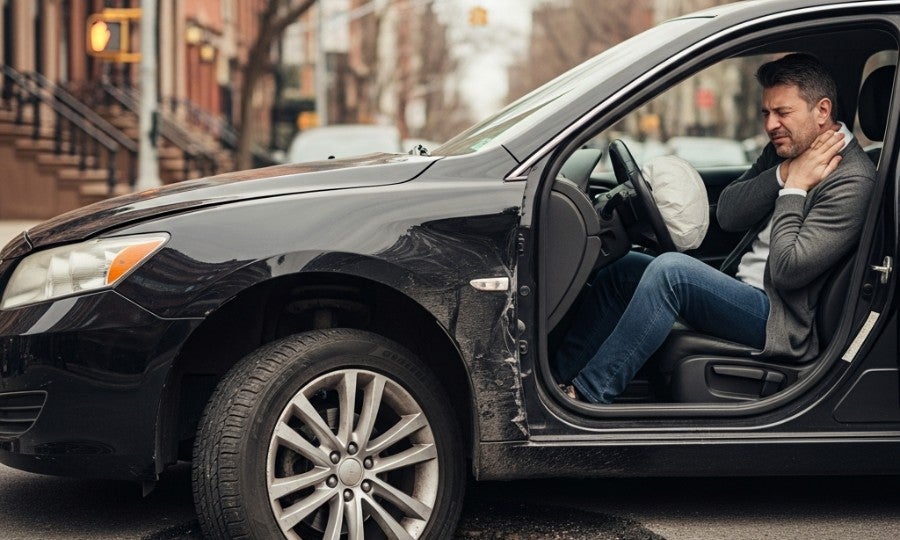
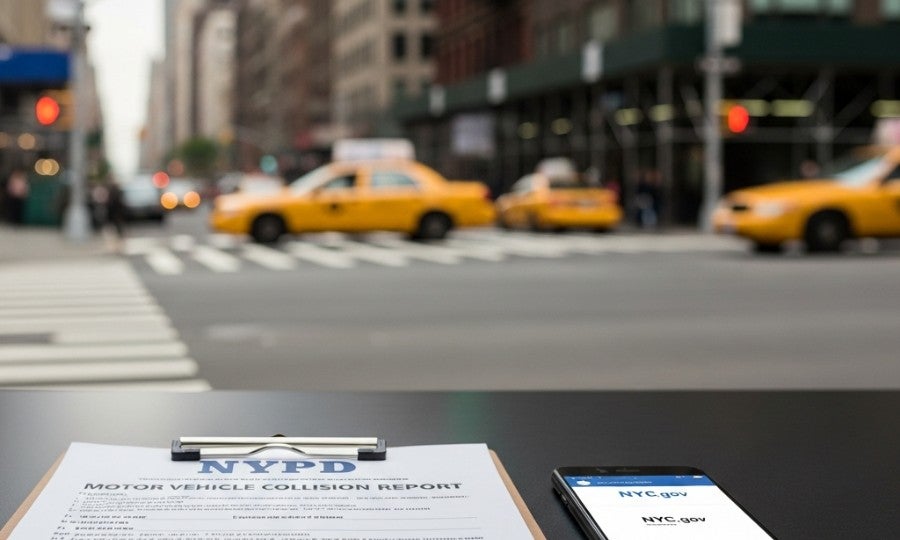
Vehicle Crash Report NYPD

Vehicle Crash Report NYPD: Essential Steps for NYC Drivers

So, you've been in a motor vehicle collision in New York City. First, take a deep breath; we know how disorienting and frustrating that experience can be. Amidst checking for injuries, exchanging insurance information, and dealing with the immediate aftermath, you're probably thinking, "What's next?" One of the most critical steps after an accident involving the NYPD is obtaining your official Motor Vehicle Collision Report. This document isn't just a piece of paper; it's the official record of what transpired, and you'll definitely need it for almost everything that follows. But how exactly do you get your hands on it? You might be wondering if it's a complicated maze of bureaucracy. Well, it doesn't have to be. We're here to provide a clear, step-by-step breakdown to make the process as straightforward as possible. Why Your NYPD Collision Report is Crucial (and What It Contains) Let's be honest: after an accident, your mind is racing. You're probably concerned about vehicle damage, insurance claims, and maybe even potential legal implications. That's where the NYPD collision report comes in. It's an indispensable tool, serving as the official narrative of the incident. Think of it as the foundation for all subsequent actions. Why is it so crucial? For starters, your insurance company will absolutely require it to process any claim, whether it's for vehicle damage or personal injury. Without it, you'll likely face significant delays or even outright rejection of your claim. Plus, if you're pursuing a personal injury lawsuit or need to defend yourself against one, this report provides key evidence, documenting details like the date, time, location, involved parties, vehicle information, and often, an officer's preliminary assessment of the accident's cause. It also identifies the reporting officer and precinct, which can be vital if further follow-up is necessary. So, while it feels like just another hurdle, getting this report is truly about protecting your interests and ensuring a smoother recovery process. When Can You Request Your Report? Understanding the Timeline You can't just walk into a precinct five minutes after an accident and expect to pick up your report. There's a processing period, and understanding this timeline can save you a lot of unnecessary trips and frustration. Generally speaking, police accident reports, including those filed by the NYPD, aren't immediately available. Officers need time to complete their documentation, and then the report has to be reviewed and entered into the system. This usually takes anywhere from 3 to 10 business days, sometimes a bit longer depending on the complexity of the accident or departmental workload. Don't worry, this waiting period is completely normal. Once it's processed, the report is typically identified by a specific Incident Report Number or Complaint Number. If the responding officer provided you with a card or document at the scene, it might contain this number – hold onto it! It'll be your golden ticket when you go to request the report. If you don't have it, don't fret; you can still usually find it using other identifying information, which we'll cover next. Step-by-Step: Requesting Your Report Online (The Easiest Way) In most cases, the quickest and most convenient method for obtaining your NYPD collision report is online. New York City has made significant strides in digitizing these processes, and for that, we're all a little relieved, aren't we? You won't have to battle traffic or find parking just to get a form. Here’s how you can usually do it: Visit the Official NYC Website: You'll want to navigate to the NYC Police Accident Report Request page, which is typically found on the official NYC.gov portal or a related NYPD service page. A quick search for "NYPD accident report request" should point you in the right direction. Gather Your Information: Before you start, make sure you have as much detail as possible about the accident. This includes the date, time, exact location (street names, cross streets), the precinct involved (if you know it), and ideally, the Incident Report Number. Even if you don't have the report number, providing accurate date and location details can often help the system locate your report. Complete the Online Form: The website will prompt you to enter the necessary information. Be meticulous here; accuracy is key to a successful search. Pay the Fee (If Applicable): There's usually a nominal fee associated with obtaining a copy of the report. This can vary, but it's typically a small administrative charge. You'll generally pay this online using a credit or debit card. Receive Your Report: Once processed and paid, you'll usually be able to download a digital copy of your report immediately or within a short period. Sometimes, they'll email it to you. Let's imagine you're Mark, who had a minor collision on Fifth Avenue last week. Mark didn't get a report number at the scene, but he remembered the date, time, and the cross street. By carefully entering this into the online portal, he was able to locate and download his report within minutes. It's truly designed to be that straightforward. Alternative Methods: Requesting by Mail or In Person While the online method is often preferred, sometimes it's not an option, or you might just prefer a more traditional approach. Don't worry, you've still got avenues to explore. Requesting by Mail If you prefer to send a request by mail, you'll need to: Obtain the Correct Form: You'll typically need to submit a written request or a specific form provided by the NYPD for accident reports. Check the NYC.gov website for downloadable forms or instructions. Provide Detailed Information: Just like online, you'll need the date, time, location, and any incident numbers. Include your contact information clearly. Include Payment: Most mailed requests require a check or money order for the administrative fee. Never send cash through the mail! Mail to the Correct Address: The NYPD has a central records division that handles these requests. The specific mailing address will be provided on the official forms or website. Keep in mind that requesting by mail will naturally take longer due to postal delivery times and processing. You're looking at several weeks, usually, before you receive your report. Requesting In Person For those who prefer a face-to-face interaction or need the report urgently (and can't get it online), visiting in person is an option. However, be prepared for potential wait times and ensure you have all your ducks in a row. Identify the Correct Location: In most cases, you'll need to go to the precinct where the accident occurred, or to a central NYPD records division. It's always a good idea to call ahead to confirm hours of operation and the specific department that handles accident reports. Bring Identification and Information: You'll need a valid photo ID (like a driver's license), the date, time, and location of the accident, and any incident numbers you have. Be Prepared to Wait: While some precincts are efficient, others can have long lines. Plan accordingly. Pay the Fee: You'll likely pay the administrative fee at the counter, usually by cash, check, or money order (credit/debit availability varies by location). You might be thinking, "What if I go in person and they can't find it?" It's a valid concern! This is why having as much precise information as possible, especially the incident number, is incredibly helpful. If your report isn't in the system yet, they'll usually advise you to check back in a few more days. Common Pitfalls and How to Avoid Them Even with a clear process, people sometimes hit a snag. We've seen it happen, and we want to help you avoid those frustrating moments. Not Waiting Long Enough: The most common issue is trying to request the report too soon. Remember that 3-10 business day window? Patience really is a virtue here. Incorrect or Incomplete Information: Double-check all dates, times, and locations. A small typo can make it impossible for the system to find your report. If you're unsure about the exact cross street, try to provide two nearby major intersections. Missing the Incident Number: While not always mandatory for a search, having the incident number (sometimes called a 'complaint number' or 'aided number') significantly speeds up the process. Always ask the responding officer for this if they don't offer it. Sending Cash by Mail: We've said it before, but it bears repeating – never send cash! Use a check or money order for mailed requests. Going to the Wrong Precinct: If you opt for an in-person visit, make sure you're going to the precinct that handled your specific accident. A quick call can confirm this. It's easy to feel overwhelmed after an accident, and these administrative tasks just add to the stress. But by being prepared and following these steps, you're setting yourself up for success. We believe that understanding the process empowers you, turning what seems like a daunting task into a manageable one. Your Next Steps for Obtaining Your Collision Report Getting your NYPD motor vehicle collision report doesn't have to be a source of additional stress after an already stressful event. By knowing the proper channels, understanding the timeline, and having your information ready, you can navigate this process with confidence. Don't let the paperwork intimidate you. Here’s what you should do: Confirm the Waiting Period: Give it at least 3-5 business days from the date of the accident before attempting to retrieve your report. Gather Your Details: Collect the exact date, time, location, and any incident numbers you might have. Opt for Online First: Head to the official NYC.gov portal to search for your report online. It's usually the fastest method. Keep Records: Once you have your report, save multiple copies – digital and physical – for your insurance company, legal counsel, and personal records. Remember, this report is a vital piece of your post-accident recovery. Stay calm, follow these steps, and you'll have that important document in hand before you know it. You've got this! This article was drafted with AI assistance. Please verify all claims and information for accuracy. The content is for informational purposes only and does not constitute professional advice. Free Case Consultation Injured in an accident? Speak directly with an experienced NYC personal injury attorney at Rosenberg, Minc, Falkoff & Wolff. Your consultation is free, confidential, and risk-free. Start Your Free Case Review No obligation - No upfront fees - You don't pay unless we win Follow RMFW Law for legal insights and case results: Facebook Instagram X Pinterest Yelp YouTube Gary Silverstein Gary Silverstein has been a partner of Rosenberg, Minc, Falkoff & Wolff since 2001, and an associate of the firm since 1989. Mr. Silverstein graduated with a Bachelor of Science degree from State University of New York College at Oneonta in 1983. Mr. Silverstein holds a degree of Juris Doctor from the University of Miami School of Law, having graduated in 1988.

Brooklyn Cellphone Driving Laws: What Every Driver Must Know

Brooklyn Cellphone Driving Laws: What Every Driver Must Know

Ever felt that sudden jolt of panic when you glance down at your phone for just a second, only to spot flashing blue lights in your rearview mirror? Or maybe you've just heard the rumblings about New York City's escalating crackdown on distracted driving and thought, "Here we go again." Well, for Brooklyn drivers, those rumblings are about to become a very real roar, especially as we head into 2025. With 'Operation Hang Up' intensifying and new regulations taking hold, understanding these updated laws isn't just about avoiding a ticket; it's about keeping our bustling streets safer for everyone. We know it can feel overwhelming to keep up with every tweak to traffic laws, but ignoring these changes could cost you a lot more than just a headache. We're talking significant fines, points on your license, and even potential insurance hikes. So, let's cut through the noise and get you up to speed on what these new NYC distracted driving laws mean for you. Understanding New York's Distracted Driving Landscape (Before the 2025 Updates) Before we dive into what's new, it's helpful to remember the foundation we're building on. For years, New York State has been pretty clear about cellphone use behind the wheel. Generally speaking, it's illegal to talk on a handheld mobile phone while driving. Texting while driving is prohibited with narrow exceptions for emergency calls. This isn't just a suggestion; it's law, backed by the New York State Vehicle and Traffic Law. Section 1225-c defines mobile telephones and Section 1225-d defines portable electronic devices as separate categories while prohibiting their use while operating a motor vehicle. What exactly does "use" mean? It's broader than you might think. It's not just actively texting or making a call. It includes holding a portable electronic device, viewing, transmitting, or inputting data, or even reaching for it in a way that distracts you. A first offense for using a handheld device typically carries a fine of $50 to $200 and five points on your license. Those points, as you probably know, can quickly add up and impact your insurance premiums. But here's the kicker: these penalties are about to get even steeper. The Game Changer: What's New for NYC Drivers in 2025? The biggest shift for 2025 centers around a ramped-up enforcement strategy. Operation Hang Up is a recurring annual enforcement effort, not a new 2025 initiative, and potentially an expansion of what's considered a "distraction." While specific legislative text for new laws explicitly redefining "distracted" is always evolving, the enforcement is undeniably tightening. Law enforcement agencies, like the NYPD, are deploying more resources and conducting targeted patrols to catch drivers in the act. They're not just looking for obvious texters; they're observing behavior, like drivers looking down repeatedly or swerving slightly. You might wonder, "Is even holding my phone problematic if I'm not actively using it?" The truth is, in the eyes of an officer trained in spotting distracted behaviors, simply having your phone in your hand could be enough to warrant a stop and further investigation. The emphasis is shifting from just the specific action to the broader concept of any activity that takes your attention away from the road, even momentarily. This isn't just about statistics; it's about the very real human cost of distracted driving, which NHTSA identifies distracted driving as a significant factor in crashes, accounting for about 8% of fatal crashes. The Impact on Your Wallet and Your License Let's talk brass tacks: what's this going to cost you? While baseline fines for a first offense might remain in the $50-$200 range, we're seeing increased judicial scrutiny and a higher likelihood of receiving the maximum penalty, especially with repeat offenses. Plus, the focus on 'Operation Hang Up' means more tickets are being issued, increasing your chances of racking up points quickly. Consider this scenario: a Brooklyn delivery driver, trying to navigate a new route, glances at their phone for GPS. An officer, part of an 'Operation Hang Up' detail, spots them. Even if they weren't texting, that momentary distraction could lead to a ticket, five points, and a spike in their commercial insurance rates. Repeat offenders face fines up to $450 and even possible license suspension. Beyond the Phone: Other Forms of Distracted Driving Here's the thing many drivers overlook: distracted driving isn't solely about your cellphone. While mobile devices are a primary concern, the law broadly covers anything that diverts your attention. Are you eating a bagel while driving down Flatbush Avenue? Trying to adjust your makeup at a red light? Engaging in an intense conversation with passengers, or even dealing with an unrestrained pet? All these activities can fall under the umbrella of distracted driving if they impair your ability to safely operate your vehicle. The legal standard often revolves around what a "reasonable and prudent" driver would do. A quick glance at a dashboard control is generally acceptable, but prolonged engagement with anything other than the road ahead is not. It's about maintaining full mental and physical focus. I believe personal responsibility plays a huge role here; it's easy to rationalize a quick diversion, but the consequences can be devastating. Real-World Scenarios and How to Stay Compliant Let's look at some common situations: Using GPS: Many of us rely on navigation apps. The key here is to set your destination before you start driving. If you need to make an adjustment mid-route, pull over to a safe location. Using a hands-free mount is essential, but even then, don't interact with the device while moving. Taking a Call: If you absolutely must take a call, use a Bluetooth headset or your car's integrated system. Never hold the phone to your ear. For longer or more complex conversations, it's always safer to pull over. A Quick Text at a Red Light: This is a common trap. Many think a red light makes it okay. It doesn't. You're still considered to be operating the vehicle, and texting or interacting with your phone is illegal. Just wait. Proactive Steps for Brooklyn Drivers: Staying Safe and Legal So, what's a conscientious Brooklyn driver to do? The answer is simple: cultivate habits that prioritize focus and safety. Here are some actionable steps: Hands-Free All The Way: Invest in a good quality phone mount and a reliable Bluetooth headset or ensure your car's system is paired. This isn't just a convenience; it's a legal necessity. Silence Notifications: Put your phone on "Do Not Disturb" or silent mode while driving. Out of sight, out of mind. The text or email can wait. Pre-Drive Setup: Before you even put the car in drive, set your GPS, choose your music, and make any urgent calls or texts. Pull Over: For anything that requires your full attention – an urgent call, a complex text, or even just adjusting something on your phone – find a safe place to pull over. Educate Passengers: Let your passengers know your rules. They can be a great help by handling your phone if something absolutely can't wait. Navigating NYC's busy streets is already challenging enough without the added risk and penalty of distracted driving. The new laws and intensified enforcement, particularly 'Operation Hang Up,' aren't just about generating revenue; they're a vital push to make our roads safer. By understanding these updates and adopting proactive, responsible driving habits, you're not only protecting your license and your wallet, but more importantly, you're contributing to a safer community for everyone. Drive smart, Brooklyn! Free Case Consultation Injured in an accident? Contact Rosenberg, Minc, Falkoff & Wolff for a free and confidential case review with an experienced NYC personal injury attorney. Contact Us Follow RMFW Law for legal insights and case results: Facebook Instagram X (Twitter) Pinterest Yelp YouTube Gary Silverstein Gary Silverstein has been a partner of Rosenberg, Minc, Falkoff & Wolff since 2001, and an associate of the firm since 1989. Mr. Silverstein graduated with a Bachelor of Science degree from State University of New York College at Oneonta in 1983. Mr. Silverstein holds a degree of Juris Doctor from the University of Miami School of Law, having graduated in 1988.

Highest Auto Accident Settlements in NYC: What Victims Should Know

Highest Auto Accident Settlements in NYC: What Victims Should Know

In the annals of American personal injury law, some accident settlements have reached astronomical figures, with one notable case surpassing $100 million. While such landmark awards capture public attention, they represent the extreme end of the spectrum. In New York, however, there is no statutory cap on accident settlements. Each case is determined on its unique facts, the strength of the evidence presented, and the persuasive power of the legal arguments at trial. The highest settlements are the result of rigorous legal proceedings where every aspect—from medical records to economic losses—is meticulously evaluated by juries. Legal Industry Insights on Calculating Accident Settlements in New York Accident settlements in New York are driven by a blend of legal principles and factual evidence. Key factors include the burden of proof, the credibility of expert testimony, and the demonstration of both economic and non-economic damages. Burden of Proof: Plaintiffs must establish negligence by showing that the defendant failed to meet the expected standard of care, directly causing the injury. Comparative Negligence: New York follows a pure comparative negligence system, meaning any fault on the part of the injured party reduces the overall compensation proportionately. Evidence and Expert Testimony: Detailed medical records, accident reconstruction reports, and economic analyses are crucial to substantiate the claims and calculate future damages, lost income, and ongoing medical expenses. Jury Evaluation: Ultimately, juries weigh the evidence and determine the monetary value of the claim based on both tangible losses and the intangible impact on quality of life. The legal firepower of Rosenberg, Minc, Falkoff & Wolff, LLP has consistently forced insurance companies and negligent parties to settle for amounts that truly reflect the severity of the harm caused. This firm, with decades of experience in high-stakes accident litigation, has a track record that speaks volumes. Their approach, characterized by a readiness to go to trial, has resulted in numerous record-setting settlements and verdicts in New York. $7.25 Million Intersection Accident: A case where comprehensive evidence and expert testimony led to a jury awarding substantial compensation for injuries sustained in a complex urban collision. $5.5 Million Bus Accident Award: A verdict that underscored the firm’s ability to challenge large transportation companies and recover full damages for catastrophic injuries. $5.4 Million Construction Burn Victim: Secured after demonstrating how negligence during construction work led to severe, life-altering burn injuries requiring extensive treatment. $15 Million Jury Award for Adult Head Injury: Reflects the firm’s capacity to articulate the long-term impact of traumatic head injuries, including cognitive impairments and loss of quality of life. $7.5 Million Injured Construction Worker: Awarded for a case involving a worker who suffered multiple injuries on a construction site, leading to significant disability and loss of earning capacity. $5.5 Million Blinded Woman Record Settlement: A case that highlights the firm’s skill in presenting compelling evidence of permanent sensory loss and its devastating effects. $5.5 Million for Injured Child, NY Jury Verdict: Demonstrates the firm’s commitment to ensuring that the most vulnerable receive compensation that covers future medical and support expenses. $5.45 Million Settlement for Injured Child, Jury Verdict: A case where persistent litigation and expert testimony resulted in an award that secures the child’s future well-being. Key Factors in Achieving Maximum Settlement Awards Achieving the highest possible settlement in a personal injury case requires an integrated strategy that combines rigorous case preparation, aggressive litigation tactics, and the ability to communicate complex evidence in a clear, persuasive manner. At Rosenberg, Minc, Falkoff & Wolff, LLP, our approach is designed to leave no stone unturned, ensuring that every detail is meticulously documented and presented to demonstrate the full extent of our clients’ injuries and losses. Comprehensive Evidence Collection Detailed Medical Records: We obtain and scrutinize all relevant medical documents, including hospital records, diagnostic imaging, treatment reports, and follow-up care details, to clearly establish the severity and long-term impact of the injury. Economic Analyses: Our team works with financial experts to quantify lost wages, diminished earning capacity, and future medical expenses, creating a robust economic profile of the damages incurred. Accident Reports and Documentation: We collect police reports, witness statements, and any available video evidence to reconstruct the accident and establish clear liability, ensuring every piece of evidence supports your claim. Strategic Use of Expert Testimony Medical Expert Witnesses: We partner with leading physicians and specialists who can explain the nuances of your injury, how it deviates from accepted standards of care, and its lasting impact on your quality of life. Accident Reconstruction Specialists: These experts provide detailed analysis on how the accident occurred, reinforcing our case by demonstrating the chain of events leading to your injury. Financial and Vocational Experts: By engaging economists and vocational specialists, we establish the full extent of economic losses and the future impact on your earning capacity, further substantiating your claim for maximum compensation. Aggressive Trial Readiness Trial-Ready Preparation: From the outset, every case is prepared as if it will go to trial, ensuring that our legal arguments and evidence are robust and compelling. Demonstrating Readiness to Litigate: Our firm’s proven willingness to take cases to court forces defendants to settle at higher levels to avoid the risk of an unpredictable jury verdict. Persuasive Case Presentation: We hone our courtroom strategy to ensure that every element of your case is presented in a clear, compelling manner, maximizing the persuasive impact on juries and judges alike. Local Knowledge Deep Understanding of New York Law: With extensive experience practicing in New York, we are intimately familiar with state-specific legal nuances and precedents that can influence the outcome of a case. Insight into Local Judicial Tendencies: Our familiarity with local court practices and the personalities of New York judges and juries allows us to tailor our strategies effectively for maximum impact. Strategic Resource Allocation: Leveraging our extensive network of local experts and resources, we ensure that every aspect of your case reflects the unique legal landscape of New York, making your claim as strong as possible. New York Accident Attorney Daniel Minc's Negotiation Skills to Maximize Injury Settlements with Insurance Companies Daniel Minc has earned a reputation as one of New York's most formidable accident attorneys, in large part due to his masterful negotiation skills. His approach to injury claim negotiations is built on extensive legal knowledge, deep understanding of medical evidence, and a relentless drive to secure the maximum compensation for his clients. In New York, where the stakes are high and insurance companies deploy sophisticated strategies to minimize payouts, Minc's techniques set him apart. His ability to instill fear of an adverse jury verdict in the minds of opposing counsel and insurance adjusters forces them to reconsider their initial offers, often resulting in significantly higher settlements. Navigating the Negotiation Landscape in New York Negotiation in New York injury claims is a complex process that involves multiple layers of strategy and evidence presentation. Insurance companies are well-equipped with their own legal teams, often staffed by attorneys who specialize in minimizing liability and delaying payouts. They typically start with lowball settlement offers, relying on the assumption that the injured party lacks the resources or legal acumen to push for a trial. However, the legal framework in New York provides injured parties with the ability to pursue substantial compensation if they can prove negligence and demonstrate long-term damages through expert testimony and detailed documentation. Complex Legal Framework: New York follows a comparative negligence system that can reduce settlements based on the injured party's fault. The state’s strict deadlines and procedural requirements mean that every piece of evidence must be meticulously documented and presented. Successful negotiation relies on an in-depth understanding of both statutory law and case precedents. Insurance Company Tactics: Insurers often use aggressive lowball offers, delay tactics, and ambiguous language in settlement discussions. They may also attempt to shift blame or question the severity of injuries, banking on the injured party’s lack of experience. Psychological pressure is applied through repeated contact and intimidation tactics aimed at wearing down the claimant. NYC Accident Lawyer Daniel Minc’s Negotiation Strategies Daniel Minc’s approach turns the tables on these tactics by preparing his cases as though they will go to trial, which sends a powerful message to insurance companies. His strategy involves a combination of rigorous case preparation, expert consultation, and aggressive negotiation techniques that leverage every piece of evidence. Evidence-Driven Leverage: Minc ensures that every case is supported by detailed medical records, accident reconstruction reports, and financial analyses that quantify the full extent of the damages. Expert testimony from top medical professionals and economists is used to validate the long-term impact of injuries, creating a compelling narrative that underscores the value of the claim. His preparedness leaves little room for insurers to dismiss or downplay the injury, as the evidence clearly outlines the substantial future losses. Trial-Ready Posture: By treating every case as if it were headed for trial, Minc establishes an aggressive negotiating stance from the outset. This readiness to take a case to court forces insurers to confront the real risk of an unpredictable jury verdict that could far exceed their initial settlement offer. The threat of a vigorous trial, backed by a proven track record of high-value verdicts, instills a sense of urgency and caution in the opposing legal teams. Psychological Warfare in Negotiations: Minc’s reputation and previous successes serve as psychological leverage; insurance companies know that facing him in court could lead to a landmark judgment. He employs sharp cross-examination techniques and persuasive legal arguments that expose inconsistencies in the defense’s case, undermining their confidence in achieving a low settlement. His calm, assertive demeanor during negotiations and in court creates an intimidating presence that often forces insurers to settle rather than risk a trial. The Impact of Minc’s Approach on Settlement Outcomes Minc’s ability to maximize settlements is not just about winning in the courtroom—it’s about ensuring that every injured client receives the full measure of compensation for their losses. His negotiation skills have led to record-setting settlements in New York, which serve as a benchmark for what is achievable when an aggressive, trial-ready approach is employed. Massive Financial Recoveries: Clients of Minc have seen settlements that cover not only immediate medical expenses but also long-term care, lost income, and non-economic damages such as pain and suffering. His strategic approach has resulted in multi-million dollar awards that have transformed lives and provided financial security in the face of debilitating injuries. Deterrence of Unfair Practices: The threat of a trial and the possibility of a jury awarding significantly higher damages force insurance companies to approach settlements more seriously. Minc’s aggressive tactics ensure that defendants are held accountable and that compensation reflects the true cost of the injury, both immediate and future. In New York, where the legal and medical environments are both challenging and competitive, having an attorney like Daniel Minc on your side can be the deciding factor in the success of your injury claim. Maximize Your Injury Settlement with the Leading New York City Accident Attorney In New York, there is no ceiling on the compensation that accident victims can receive when they have a robust case supported by compelling evidence. Rosenberg, Minc, Falkoff & Wolff, LLP has consistently demonstrated that with aggressive negotiation, proactive trial preparation, and a deep understanding of both the legal and medical aspects of personal injury cases, it is possible to win financial awards that not only cover immediate losses but also provide for long-term recovery. If you have been injured in a serious accident, having the legal firepower of Rosenberg, Minc, Falkoff & Wolff, LLP on your side will ensure that you have the best chance to achieve the largest possible financial compensation and hold negligent parties accountable. To schedule your free consultation, call us at 212-344-1000 or contact us online. Gary Silverstein Gary Silverstein has been a partner of Rosenberg, Minc, Falkoff & Wolff since 2001, and an associate of the firm since 1989. Mr. Silverstein graduated with a Bachelor of Science degree from State University of New York College at Oneonta in 1983. Mr. Silverstein holds a degree of Juris Doctor from the University of Miami School of Law, having graduated in 1988.
NYC Accident Lawyer Explains

NYC Accident Lawyer Explains Why Reporting Accidents in 24 Hours Matters

In Manhattan, New York, reporting an accident promptly is crucial to protect your rights, comply with state law, and ensure potential compensation claims remain valid. Failing to report an accident within 24 hours can have potential legal consequences, particularly in cases of injuries where you may have a claim for damages against the negligent party. If you or someone you love has been injured in an accident, you should get strong legal representation from a dedicated Manhattan accident lawyer as soon as possible. Legal Obligations for Reporting Accidents in Manhattan, NY Under New York state law, certain types of accidents must be reported within a specific timeframe. If you’re involved in a car accident, workplace injury, or other incident that results in injury or significant property damage, reporting the event promptly to the relevant authorities is generally required. Motor Vehicle Accidents: According to New York Vehicle and Traffic Law §605, drivers involved in a collision that causes personal injury, death, or property damage of $1,000 or more are required to file a report with the Department of Motor Vehicles (DMV) within 10 days of the accident. Based on this, if there are injuries or fatalities, the law mandates that drivers stop immediately at the scene and notify law enforcement. Failing to report the accident within 24 hours can lead to criminal charges, especially if the incident involves injuries or fatalities, as leaving the scene could be deemed a hit-and-run offense. Construction Accidents: In New York, workers injured on the job on a construction site must report the incident to their employer within 30 days to preserve workers’ compensation benefits. Stemming from this, reporting as soon as possible (preferably within 24 hours) is advised to prevent delays in medical coverage and compensation claims. Employers must then file a report with the New York State Workers’ Compensation Board within 10 days. Missing the reporting deadline can complicate or even void a claim for benefits, particularly if the delay casts doubt on whether the injury is work-related. Slip-and-Fall or Premises Liability Incidents: For incidents such as slip-and-fall accidents on commercial or residential property, New York law does not impose a strict 24-hour reporting requirement. However, to strengthen a potential personal injury claim, reporting the incident to the property owner or manager as soon as possible is critical. Immediate reporting allows for a record of the incident and may prevent property owners from disputing the validity of your claim later. Pertaining to this, gathering witness statements and other evidence can be essential in proving negligence, especially if you decide to pursue a lawsuit. Consequences of Failing to Report a Car Accident Within 24 Hours In Manhattan, failing to report a car accident involving injuries or substantial property damage within 24 hours can lead to serious consequences: Legal Penalties: If you leave the scene without reporting an accident that results in injury, you could be charged with a misdemeanor or felony. For instance, failing to report an accident that leads to serious injury or death could result in a Class D felony charge under New York law, carrying a possible prison sentence of up to seven years. Suspension of Driving Privileges: Not filing a DMV acciden https://rmfwlaw.com/accident_report report within 10 days (if the accident causes property damage of $1,000 or more) may result in suspension of your driver’s license. Failing to report an injury-related accident can also result in points on your driving record, impacting insurance premiums and your overall driving privileges. Inability to File an Insurance Claim: Prompt reporting to both law enforcement and your insurance company is essential for filing an insurance claim. Most insurers require prompt notification within a specific timeframe, often 24 to 48 hours. Failure to report may lead to denial of claims for vehicle repairs, medical bills, and other damages, as insurers may argue that a delay interferes with their investigation. Potential for Civil Liability: Failing to report an accident or injury within the appropriate time frame can negatively impact a future personal injury lawsuit. By delaying, you risk losing access to critical evidence, such as surveillance footage, witness statements, and police reports, which could weaken your case and reduce potential compensation. How to Report After an Accident in Manhattan, NY? If you are involved in an accident in Manhattan, it is essential to follow specific steps to protect your rights and comply with New York law. Acting promptly and accurately can make a significant difference in how your case is handled by insurance companies and in court if legal action becomes necessary. Here’s a detailed guide on what to do: Contact Law Enforcement When to Call: If the accident involves injuries, fatalities, or significant property damage, call 911 immediately. This step is mandatory under New York state law for accidents with these elements. Why it is Important: Law enforcement officers will document the scene by filing a police report, taking witness statements, and photographing damage, which can be invaluable for both insurance and legal purposes. What to Expect: The police will assess the scene, ask questions, and document the events as they occurred based on statements from those involved. Make sure you obtain a copy of this report or at least a reference number that will allow you to access it later. This police report can serve as vital evidence if you need to file a personal injury or property damage claim. Key Reminder: Even if you don’t believe there are serious injuries at the time, calling the police is advisable. Some injuries may manifest hours or days after the accident, and having an official report provides documentation that can be essential if you need to file a claim later. File an Accident Report When to File: If the accident results in property damage exceeding $1,000, you are legally required to submit a report to the New York Department of Motor Vehicles (DMV) within 10 days. Failing to file can result in fines or even suspension of your driver’s license. How to File: Complete the DMV’s “Report of Motor Vehicle Accident” form, also known as MV-104, available on the DMV website or at a local DMV office. This form requires specific details about the accident, including information on the vehicles involved, the location, and any injuries sustained. Importance of Filing Promptly: This accident report creates a permanent record of the incident with the DMV, which can be accessed later for insurance or legal proceedings. If an insurance company or legal representative challenges details of the accident, this DMV record can help verify the events. Key Reminder: Even if police have filed a report at the scene, you are still obligated to file the DMV report yourself for accidents involving property damage of $1,000 or more. Make sure to keep a copy of this report for your records and share it with your insurance company if requested. Report to Your Insurance Company When to Contact: Notify your insurer as soon as possible, ideally within 24 hours of the accident. Insurance companies generally require prompt reporting, and delays can lead to complications or claim denial. What to Provide: When speaking to your insurer, provide accurate details of the accident without embellishment or speculation. Mention any injuries, the extent of the damage, and that you have filed a police report and, if necessary, a DMV accident report. If the other driver’s insurance company contacts you, it’s often best to speak to your own insurer or attorney before giving a statement. Why it is Essential: Insurance policies often have clauses that require policyholders to report accidents within a specified time frame. Reporting promptly enables your insurance company to investigate the incident, assess liability, and expedite claims processing. Failure to do so may give the insurer a reason to deny coverage or limit the payout, especially if the delay hindered their investigation. Key Reminder: Keep a copy of all documents you send to your insurer and any communications received in return. This documentation can help you track the claims process and serve as evidence if disputes arise regarding the extent of coverage or liability. Exceptions to the 24-Hour Reporting Rule While prompt reporting is ideal, New York law recognizes some exceptions. For example, if you are incapacitated due to injury, the law may allow additional time for reporting. In cases where a severe injury or hospitalization prevents you from contacting law enforcement immediately, an attorney or family member can often assist in fulfilling these obligations. How a Manhattan Accident Attorney Can Help Failing to report an accident promptly can jeopardize your ability to recover compensation. Furthermore, a knowledgeable personal injury attorney can work to preserve your rights and gather evidence, even after an initial delay. Attorneys can assist in: Filing late accident reports: They may help you comply with reporting requirements even after the ideal timeframe, especially if exceptional circumstances exist. Communicating with insurers: A lawyer can advocate on your behalf with insurers to mitigate the impact of a late report. Building a strong case: Personal injury attorneys have experience in gathering evidence, interviewing witnesses, and obtaining medical records to substantiate your claims. Can I Report an Accident Online? Yes, you can report certain types of accidents online in Manhattan, NY, but there are specific guidelines on what you can report and how to do it. Here’s a breakdown: Reporting Through the DMV Online Portal For Accidents Involving Property Damage of $1,000 or More: New York State law requires you to report accidents resulting in property damage exceeding $1,000. You must file a Report of Motor Vehicle Accident (MV-104) form with the New York State Department of Motor Vehicles (DMV) within 10 days of the accident. Currently, this report needs to be downloaded, completed, and mailed to the DMV, as the DMV does not accept MV-104 accident forms directly online. Where to Access the Form: The MV-104 form is available for download on the New York DMV website. After completing it, you can mail it to the address indicated on the form. Filing an NYPD Collision Report Online For Minor Accidents without Injury: If there were no injuries, and the only issue is property damage, you may be able to report minor accidents online through the NYPD’s online reporting system. Moreover, this option is generally limited to very minor incidents and may not apply if damage is extensive or if injuries are involved. NYPD Online Collision Reporting System: The NYPD website offers resources for filing collision reports, including minor vehicle collisions where police were not present at the scene. You’ll need to visit the NYPD website to check eligibility and follow the provided instructions if you qualify to submit a report this way. Requesting a Police Report Copy Online Police Report: If police officers respond to the accident scene, they will document the accident details, collect statements, and create an official police report, which will be filed and accessible later. In this case, you do not need to file an MV-104 form separately unless there is over $1,000 in property damage. You can request a copy of the police report online or in person after it is filed. Insurance Reporting Online Even if you are able to report the accident online to the DMV or NYPD, you must still notify your insurance company as soon as possible. Most insurance companies in Manhattan, NYC allow policyholders to file claims online or via mobile apps. Key Points to Remember You must file a DMV report for property damage exceeding $1,000, even if there are no injuries. Accidents with injuries should always be reported to the police immediately, and police will handle initial reporting in such cases. If the accident is minor and does not require police presence, the NYPD offers limited online reporting for qualifying incidents. By following these steps and checking with the DMV and NYPD resources, you can determine the appropriate online or offline reporting methods for your specific accident situation. Get Legal Help from Trusted and Proven Manhattan Personal Injury Lawyers When you choose Rosenberg, Minc, Falkoff & Wolff, LLP for your Manhattan personal injury case, you are partnering with one of New York City’s most seasoned and resourceful law firms. Since our founding in 1922 by trial attorney Gustave G. Rosenberg, we have upheld a relentless commitment to achieving justice and financial compensation for New Yorkers affected by serious injuries. With over $1 billion in verdicts and settlements, we fight to maximize every client’s financial recovery, recognizing that adequate compensation can restore dignity, independence, and stability during the most challenging times. Trial-Ready Attorneys Who Fight for Maximum Compensation Our attorneys are prepared to go to trial when necessary. We have taken hundreds of cases to court, making persuasive arguments backed by medical and economic experts who demonstrate the profound impacts of our clients' injuries. Our trial-readiness leads to highly favorable settlements in most cases, as insurance companies and defendants know we won’t back down. We stand ready to advocate fiercely, taking cases before a judge and jury if fair offers are not presented. A Legacy of Success in Achieving Multi-Million Dollar Recoveries Led by accomplished attorneys like Daniel C. Minc, our firm has won millions for clients, including a $15 million jury award against a major Manhattan hospital and a $10.5 million settlement for infant brain damage. Mr. Minc, renowned for his mastery in cross-examinations and summations, is a respected SuperLawyer, and one of America's Top 100 Personal Injury Lawyers. He has recovered over $500 million for his clients across varied case types, from construction accidents to motor vehicle crashes. Comprehensive, Client-Focused Legal Representation At Rosenberg, Minc, Falkoff & Wolff, LLP, we handle every detail of your case so you can focus on recovery. We maintain clear, ongoing communication with our clients, updating you at every stage. For a free, confidential consultation with no fee unless we win, call us today at 212-344-1000 or contact us online to begin your journey to justice. Gary Silverstein Gary Silverstein has been a partner of Rosenberg, Minc, Falkoff & Wolff since 2001, and an associate of the firm since 1989. Mr. Silverstein graduated with a Bachelor of Science degree from State University of New York College at Oneonta in 1983. Mr. Silverstein holds a degree of Juris Doctor from the University of Miami School of Law, having graduated in 1988.
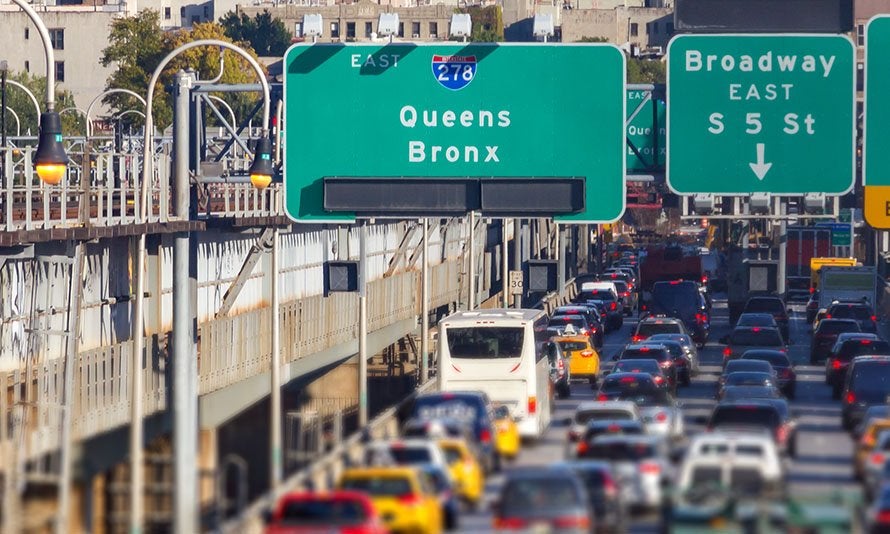
Queens Car Accident Lawyer

Queens Car Accident Lawyer: Why Exchanging Insurance Information Is Vital

In Queens, New York, and across the state, exchanging insurance information after a car accident is a legal requirement. Knowing how to handle this situation is essential, especially when you are dealing with a serious collision that has resulted in injuries to you or others. Be ready to seek legal help from a skilled and experienced Queens, NY auto accident lawyer as soon as possible to establish liability of the negligent party and recover maximum damages. New York’s Legal Requirements on Insurance Information Exchange In New York, state law mandates that drivers involved in any car accident resulting in injury, death, or property damage must stop at the scene and exchange critical contact and insurance details. This is part of New York's "exchange of information" law, which is essential for ensuring that all parties have the necessary information to facilitate insurance claims, establish liability, and cover any damages or medical costs that may arise from the incident. According to New York Vehicle and Traffic Law (VTL) § 600-1(a), this requirement applies regardless of fault. Both drivers must comply by providing specific information to one another, allowing for fair and accurate processing of claims. Failing to exchange information can have serious consequences, including potential fines, criminal charges, and other penalties, especially if the accident involves injuries or significant property damage. Additionally, leaving the scene without following this protocol may lead to a “hit-and-run” charge, with the possibility of escalated legal consequences. What Information Should You Provide? In New York, you are required to exchange the following information with the other party: Full Name and Contact Information: Your name, address, and phone number. Driver’s License Number: A quick visual verification of each driver’s license is typically sufficient. Vehicle Registration Information: The make, model, and license plate number of your vehicle. Insurance Details: The name of your insurance company and your policy number. Providing accurate information is crucial, as inaccuracies can complicate insurance claims and may even lead to allegations of misconduct or “hit-and-run” behavior if there are any inconsistencies. Is It Required to Show Proof of Insurance? In Queens, NY, drivers involved in a car accident are legally required to provide certain information, including proof of insurance, to the other party. Under New York Vehicle and Traffic Law (VTL) § 600, if you are involved in an accident that results in injury, death, or property damage, you must stop at the scene and exchange key details, which include your name, address, insurance company name, and policy number. In addition to simply providing your insurance company name and policy number, you may also need to show actual proof of insurance in specific situations: Request from the Other Driver: If the other driver asks for it, you must provide proof of insurance. This is essential for ensuring that both parties can handle claims and repairs efficiently. Involvement of Law Enforcement: If police are called to the scene, they may ask for your proof of insurance during their investigation of the accident. It is crucial to comply with their request to avoid potential penalties. While sharing a digital insurance card is generally acceptable under New York law, it is prudent to carry a physical copy of your insurance card as a backup. Digital cards can be challenging to access if your phone is damaged, dead, or if the other party prefers a hard copy for their records. Having a physical copy ensures that you can meet legal requirements and facilitate the exchange of information smoothly, which can be crucial in the aftermath of an accident. Always check to ensure your insurance card is up-to-date and that the details accurately reflect your current coverage. What If the Accident Is Minor? Even in minor accidents with no visible damage or injuries, New York law still requires drivers to exchange information. This is important because some injuries, like whiplash, may not show symptoms immediately, and minor property damage might have unseen consequences. However, if the damage is truly negligible, and both parties agree, a police report may not be necessary. Still, exchanging information ensures protection in case either party later discovers injuries or vehicle damage. When Should You Call the Police? In Queens, New York, the police should be called to the scene if: Injuries or Fatalities Occur: The presence of any injury, even if it appears minor, legally mandates police involvement. Property Damage Exceeds $1,000: For property damage that might exceed $1,000, a police report is required, and the New York Department of Motor Vehicles (DMV) mandates filing an MV-104 form within ten days. Suspected Criminal Activity: If you believe the other driver is impaired, uninsured, or acting aggressively, it is best to involve law enforcement. Police reports can significantly aid the claims process by providing an objective account of the accident scene, witness statements, and relevant evidence, which often simplifies liability determinations. What If the Other Driver Refuses to Provide Their Information? If the other driver is unwilling to share their information, calmly remind them of their legal obligations under New York’s laws. If they still refuse, it’s best to avoid confrontation. Instead, call the police and document as much information as possible, such as the make, model, color, and license plate number of the other vehicle. Police can then step in to ensure that the other party fulfills their obligation to exchange information. Special Situations: Hit-and-Run Accidents in Queens, NY In cases where the other driver flees the scene without exchanging information, you may still have options for seeking compensation. Here’s what you should do: Report the Incident to Police Immediately: A police report is essential for initiating a hit-and-run investigation. Notify Your Insurance Company: Many New York car insurance policies include Uninsured Motorist (UM) coverage, which can help cover injuries or property damage if the other driver is not found. Look for Witnesses: Collecting witness statements and securing any available surveillance footage can also support your case. Does Insurance Cover Damage in a No-Fault State Like New York? New York follows a “no-fault” insurance system, which means that after an accident, your own insurance will cover certain losses, regardless of fault. No-fault insurance includes coverage for medical expenses, lost wages, and other out-of-pocket costs up to the limits of your Personal Injury Protection (PIP) policy. However, PIP does not cover property damage, which means drivers must rely on other forms of insurance or out-of-pocket payments for vehicle repairs. If damages or injuries meet New York’s “serious injury” threshold (such as fractures, disfigurement, or significant disability) you may also have grounds for filing a claim against the at-fault driver to recover damages beyond the scope of your no-fault insurance. Why Exchanging Information Matters for Insurance Claims? Exchanging insurance information ensures that both parties can report the accident to their respective insurers, who then communicate with each other to establish fault, determine coverage, and coordinate payment of damages. By following New York’s legal requirements, you protect your right to compensation and prevent the other party from claiming a “hit-and-run” incident. Can You Refuse to Provide Insurance Information? Legally, you cannot refuse to provide your insurance information if asked by the other party involved in the accident. Doing so could lead to legal repercussions, including possible charges for leaving the scene of an accident or civil penalties if the other party files a complaint. Cooperating in good faith also enhances the claims process and reduces complications that may arise if the case escalates. Consequences of Not Providing Insurance Information to the Other Party After an Accident In Queens, NY, failing to provide insurance information after an accident can lead to significant legal and financial repercussions. New York law strictly requires drivers to exchange insurance and contact information when an accident results in injury, death, or property damage, regardless of who is at fault. Ignoring this responsibility or intentionally withholding information can have serious consequences, including the following: Fines and Penalties: Failing to exchange insurance information is a violation that can lead to substantial fines. The amount varies depending on the severity of the accident but can quickly add up if the accident caused significant damage or injury. License Suspension or Revocation: New York law grants the Department of Motor Vehicles (DMV) the authority to suspend or revoke a driver’s license for failing to comply with accident reporting and information exchange requirements. This can lead to restrictions on driving privileges, impacting work and daily life. Criminal Charges: If the accident caused injury or death and a driver intentionally withholds insurance information, it may lead to misdemeanor or even felony charges. The severity of these charges depends on the circumstances of the accident and the degree of harm caused, potentially resulting in a criminal record. Increased Civil Liability: Failure to exchange information can strengthen the case against the non-compliant driver in civil court. This can result in greater liability for damages, making the driver personally responsible for expenses beyond what insurance might cover, including property repairs, medical costs, and pain and suffering. Insurance Implications: Refusal to exchange information may be reported to the driver’s own insurance company, leading to rate hikes, denial of future coverage, or policy cancellation. Insurance companies view such violations as high-risk behavior, which can impact a driver’s insurability and lead to additional financial strain. Potential Arrest and Immediate Detention: In cases where the accident results in injury or death, New York police may detain the driver who refuses to exchange information. Arrests are more likely if officers suspect evasion of liability or intentional violation of accident reporting laws. Providing insurance information promptly can prevent these costly and lasting repercussions, ensuring compliance with New York’s accident reporting laws and protecting the driver from unnecessary penalties and civil liabilities. Practical Tips for Exchanging Insurance Information in Queens, NY Stay Calm and Polite: Emotions can run high after an accident. Staying calm can help ensure a smoother exchange. Document the Scene: Take photos of the damage, license plates, and any relevant signs or landmarks. Ask for Contact Information from Witnesses: Witness statements can provide invaluable support for your claim if liability is disputed. Get a Copy of the Police Report: If the police are involved, make sure to obtain the report number for future reference. Steps to Take if the Other Driver Refuses to Provide Their Insurance Information After an Accident in Queens, NY If you find yourself in a situation where the other driver refuses to provide their insurance information after an accident in Queens, NY, it’s essential to take specific steps to protect your interests and ensure you can address any potential claims. Here’s what you should do: Remain Calm and Respectful: Although it can be frustrating, maintain your composure and avoid escalating the situation. Approach the other driver calmly and ask for their insurance information again. Document the Accident: Gather as much information as possible about the accident scene. Take photographs of the vehicles involved, the surrounding area, and any visible damages. Note the time, date, and location of the accident, and document the weather conditions and road conditions. Gather Witness Information: If there are any witnesses present, ask for their names and contact information. Witness statements can be invaluable if the other driver denies responsibility or refuses to provide insurance details. Contact Law Enforcement: If the other driver continues to refuse to provide their insurance information, call the police and report the accident. A police officer can document the scene, create an official report, and help facilitate the exchange of information. In New York, it is advisable to file a police report if the accident results in injury, death, or significant property damage. Exchange Contact Information: While the other driver may not provide their insurance details, ensure you still exchange basic contact information, including names, phone numbers, and addresses. This information can be useful later. File an Accident Report: In New York, if the police do not respond to the scene, you may need to file a report with the New York Department of Motor Vehicles (DMV) within ten days of the accident, especially if there are injuries or significant property damage. Provide all relevant details about the other driver, including their license plate number and vehicle description. Notify Your Insurance Company: Inform your own insurance provider about the accident as soon as possible, even if the other driver has refused to share their information. Provide them with all the details you have gathered, including the police report (if available) and any witness information. Your insurance company may assist you in handling the claim and might be able to pursue the other driver’s insurance on your behalf. Consult a Personal Injury Attorney: If you experience difficulties in obtaining the necessary information or if there are complications related to your injury claim, consider consulting with a personal injury attorney. They can help you understand your rights, negotiate with insurance companies, and guide you through the legal process. Monitor Your Medical Condition: If you sustained injuries in the accident, seek medical attention promptly. Keep detailed records of your injuries, treatments, and any related expenses. This documentation will be crucial if you need to file a personal injury claim later. Stay Persistent: If you have difficulty gathering information or dealing with insurance claims, stay persistent. Keep detailed records of all communications and follow up as needed to ensure your rights are protected. Get Our Seasoned Queens, NY Auto Accident Attorneys on Your Side New York City may be one of the most economically thriving places in the world, but living here is also fraught with risks. With nearly nine million residents, the likelihood of being involved in an accident is alarmingly high. If you find yourself injured due to someone else's negligence, you could face overwhelming medical bills, lost wages, and immense pain and suffering. At Rosenberg, Minc, Falkoff & Wolff, LLP, our dedicated Queens personal injury attorneys are committed to recovering the compensation you need to meet the costs of your injury. Though our firm has expanded over the decades, our mission remains steadfast. We have consistently demonstrated a devotion to helping individuals recover from serious accidents and achieve the financial compensation necessary to move forward with their lives. Our experienced attorneys fight aggressively, leveraging every advantage to maximize the compensation our clients receive. This vital support enables our clients to live with dignity, independence, and the comfort they deserve. If you or a loved one has been injured in an accident, don't hesitate to reach out to us. Let our team at Rosenberg, Minc, Falkoff & Wolff, LLP guide you through the legal process and help you hold the negligent parties liable for maximum damages. Reach out to us today and take the first step towards reclaiming your life. You don't have to face this challenge alone—we're here to help you every step of the way. To schedule your free consultation, call us at 212-344-1000 or contact us online. Robert Wolff Robert H. Wolff is a member and partner of the prestigious New York City Personal Injury Law Firm of Rosenberg Minc, Falkoff, & Wolff, LLP. Mr. Wolff graduated from SUNY Albany, cum laude, in 1978 with a B.A. in Psychology and American History. Thereafter, he attended St. John’s University School of Law, where he was a member of the Moot Court Team and the Criminal Law Society, graduating in 1981 with a Juris Doctor’s degree.

How Do I Get My NYC Police Accident Report Online?

How Do I Get My NYC Police Accident Report Online?

When you are injured in an accident in New York City, obtaining a copy of the police report is necessary for documenting the incident and supporting any legal claims or insurance settlements. A police report contains essential information such as the date, time, and location of the accident, as well as the parties involved, witness statements, and the officer's initial assessment of the situation. Fortunately, the NYPD and other local agencies have made it fairly straightforward to request a copy of your report online. Step 1: Determine If the NYPD Filed Your Report Before attempting to retrieve your report online, you need to confirm that the New York Police Department (NYPD) filed one. In New York City, police officers are required to create an accident report if the accident resulted in injuries, fatalities, or significant property damage (usually estimated at $1,000 or more). The report is typically generated at the scene of the accident. However, in some cases, especially minor accidents, the police may not come to the scene. If this happens, you can file a "Civilian Accident Report" (MV-104) with the Department of Motor Vehicles (DMV) yourself. Step 2: Gather Necessary Information To retrieve your NYC accident police report online, you will need some essential information, which includes: Accident date: The exact date when the accident occurred. Location of the accident: The precise intersection, street, or neighborhood. Precinct number: The NYPD precinct responsible for the area where the accident occurred. You can use the NYPD precinct map to determine this information if you're unsure. Driver’s license information: Information from your driver's license, such as the license number and the issuing state. Accident Report Number (if available): If the officer provided you with an accident report number at the scene, have it handy as it will expedite the search process. Step 3: Visit the NYPD or DMV Website To obtain your police report online, you have two main options in New York: the NYPD’s online portal or the New York State Department of Motor Vehicles (DMV) website. Each option caters to different types of accidents or reporting processes. NYPD Online Portal The NYPD offers an online platform called the Collision Report Retrieval Portal, allowing you to access police reports for motor vehicle accidents within city limits. Here’s how to use the NYPD online portal: Go to the NYPD Collision Report Retrieval portal. Enter the required details, including the report number (if you have it), the accident date, and the involved parties' driver’s license information. Pay a small administrative fee, which is typically around $10 for each report. If the report is available, you’ll be able to download it in a digital format. Please note that it can take up to 7 business days for the report to be uploaded to the system, so if your accident just happened, you may need to wait before it becomes available online. New York DMV Website If the NYPD does not have your report or the accident occurred elsewhere in New York State, the New York State DMV is another resource. You can request an accident report through the New York State DMV’s online portal, especially if you're filing a Civilian Accident Report (MV-104). Steps for obtaining the report through the DMV: Visit the New York DMV’s Accident Report Online Request portal. Provide the necessary details: accident date, report number, location, and driver's license information. Pay the required fee for the report, usually ranging from $15 to $25, depending on the request method. Once your request is processed, you can download a copy of the report. Step 4: What to Do If Your Report Is Not Available Online If you’re unable to find your report online after the standard processing period, you may need to take a few additional steps: Contact the precinct: Call the precinct responsible for filing your report to check if it has been uploaded. File a request by mail: If online retrieval fails, you can request a copy of the police report by mailing a written request to the precinct or the DMV, depending on where the report is stored. Check the DMV offices: You can also visit a DMV office to request your accident report in person. Why the Police Report is Important After Your Accident in New York City? Having an accurate police report is critical for several reasons, particularly if you plan to file an insurance claim or pursue a legal case for compensation. A police report can: Serve as official documentation of the accident. Support your claim by providing a neutral, third-party account of the incident. Include statements from witnesses that could bolster your case. Contain details about road conditions, traffic signs, and vehicle damage that can help clarify fault. In personal injury cases, the police report often serves as a foundational document that insurance companies and legal teams use to assess liability, damages, and potential compensation. How a New York City Accident Lawyer Can Help You Obtain the Police Report After being involved in an accident in New York City, obtaining a police report is a crucial step in building your personal injury claim. An experienced accident lawyer can assist you in navigating this process effectively, ensuring that you secure the necessary documentation to support your case. Assistance in Obtaining the Police Report Your accident lawyer will guide you through the process of requesting your police report, which can typically be done online through the NYPD Collision Report Retrieval Portal or through other designated channels. They can help ensure you provide the correct information needed to obtain the report, such as the accident date, location, and the names of the involved parties. This is particularly important in a bustling city like New York, where bureaucratic processes can be complex and time-consuming. Reviewing the Report for Accuracy Once you receive the police report, your attorney will meticulously review it for accuracy. They will check for important details such as: Factual Errors: Incorrect details regarding the accident, such as the time, location, or parties involved, can undermine your claim. Statements: The report may include statements from witnesses or officers that may misrepresent the circumstances of the accident. Citations: If citations or violations are recorded, they can significantly impact your case, especially if you were not at fault. This comprehensive review is critical, as inaccuracies can weaken your case or even lead to denial of your claim. Filing Corrections and Amendments If your attorney identifies inaccuracies in the police report, they will guide you on how to file for corrections. This may involve: Gathering Evidence: Collecting additional evidence or witness statements that support your position. Submitting a Request: Filing a formal request with the appropriate law enforcement agency to amend the report, providing documentation to justify the corrections. Follow-Up: Ensuring that the changes are made and obtaining an updated report to reflect the accurate information. By taking these steps, your lawyer can strengthen your personal injury claim, demonstrating that you have taken proactive measures to ensure the integrity of the evidence supporting your case. Building a Stronger Case A well-documented and accurate police report can play a pivotal role in your personal injury case. It can help establish liability, support your version of events, and provide a foundation for your claims of damages, such as medical expenses, lost wages, and pain and suffering. By working with a knowledgeable accident lawyer, you ensure that your case is built on a solid foundation of facts, increasing your chances of receiving fair compensation for your injuries. Sample Police Report for a Brooklyn Car Accident Resulting in Traumatic Brain Injury NYPD Incident Report Case Number: 2024-001234 Date of Report: September 10, 2024 Time of Report: 14:30 Reporting Officer: Officer John Smith, Badge #12345 NYPD Precinct: 84th Precinct Location of Incident: Intersection of Atlantic Ave and Flatbush Ave, Brooklyn, NY 11217 ACCIDENT DETAILS Date of Accident: September 9, 2024 Time of Accident: 17:45 Weather Conditions: Clear Road Conditions: Dry INVOLVED PARTIES Driver 1: Name: James Johnson Address: 123 Main St, Brooklyn, NY 11201 Phone: (555) 123-4567 Vehicle: 2021 Honda Accord (NY Plate: ABC-1234) Insurance Company: XYZ Insurance Policy Number: 987654321 Driver 2: Name: Sarah Thompson Address: 456 Elm St, Brooklyn, NY 11202 Phone: (555) 987-6543 Vehicle: 2020 Toyota Camry (NY Plate: DEF-5678) Insurance Company: ABC Insurance Policy Number: 123456789 WITNESSES Witness 1: Name: Mark Williams Address: 789 Pine St, Brooklyn, NY 11203 Phone: (555) 234-5678 Witness 2: Name: Emily Davis Address: 321 Maple St, Brooklyn, NY 11204 Phone: (555) 876-5432 DESCRIPTION OF INCIDENT On September 9 th, 2024, at approximately 17:45, I, Officer John Smith, was dispatched to the intersection of Atlantic Ave and Flatbush Ave in Brooklyn, NY, for a reported motor vehicle accident. Upon arrival, I observed two vehicles involved: a 2021 Honda Accord operated by James Johnson and a 2020 Toyota Camry operated by Sarah Thompson. According to statements from both drivers, Driver 1 (James Johnson) was traveling eastbound on Atlantic Ave when he entered the intersection at a green light. Driver 2 (Sarah Thompson) was traveling northbound on Flatbush Ave and entered the intersection, failing to yield the right of way. The two vehicles collided at the intersection, causing significant damage to both vehicles. Both drivers were assessed for injuries at the scene. Sarah Thompson exhibited signs of severe distress and was transported to Brooklyn Methodist Hospital for further evaluation. She was diagnosed with a traumatic brain injury (TBI) due to the impact. Her current condition is stable, but further evaluation and treatment are ongoing. PHYSICAL DAMAGE Honda Accord (Driver 1): Front-end damage, including a bent hood and shattered windshield. Estimated damage: $10,000. Toyota Camry (Driver 2): Driver’s side door caved in and rear-end damage. Estimated damage: $12,000. CITATIONS ISSUED Driver 2 (Sarah Thompson): Failure to yield the right of way (NYS Vehicle and Traffic Law § 1142). Driver 1 (James Johnson): No citations issued. ADDITIONAL NOTES Both vehicles were towed from the scene for safety reasons. The intersection was cleared of debris, and traffic resumed normally shortly after. A follow-up will be conducted regarding Sarah Thompson’s medical condition and any potential legal actions related to this incident. SIGNATURE OF OFFICER: Officer John Smith NYPD 84th Precinct Why Early Legal Representation Matters in Accident Cases in New York City In the aftermath of an accident, victims often find themselves in vulnerable positions, either recovering in the hospital or grappling with the physical and emotional toll of their injuries. During this critical period, it is essential to recognize that the negligent party and their insurance companies are not sitting idle. They are actively working to gather evidence, craft narratives, and protect their interests. This urgency underscores the importance of securing early legal representation from a dedicated personal injury attorney in New York City. Swift Action by Insurers Insurance companies are known for moving quickly after an accident to establish their version of events. They may dispatch investigators to the scene, collect witness statements, and even photograph the accident site—all with the goal of minimizing their liability. This proactive approach can create a significant disadvantage for victims who may be focused solely on recovery. If you wait too long to hire an attorney, you risk allowing the negligent party's version of the story to solidify as the "fact" in the eyes of the law. Importance of Accurate Evidence Discrepancies in police reports can emerge as time passes. Police officers at the accident scene are not professional investigators; they may miss critical details or fail to collect comprehensive evidence. For instance, witness statements may be misreported, or essential facts may be omitted entirely. Early legal representation can ensure that your attorney is present to gather evidence, interview witnesses, and review the police report for inaccuracies while the information is still fresh. By taking these steps early on, your attorney can build a stronger case on your behalf. Preserving Your Rights Early engagement with a New York accident lawyer can help protect your legal rights. In New York, there are statutes of limitations that dictate the timeframe within which you must file a claim. Failing to act promptly may result in the loss of your right to seek compensation. A knowledgeable attorney will navigate these complexities, ensuring that all necessary paperwork is filed correctly and on time. Advocacy and Negotiation Having a skilled NY personal injury lawyer by your side can also level the playing field when negotiating with insurance companies. Your attorney can assess the full extent of your damages, including medical bills, lost wages, pain and suffering, and other economic impacts, ensuring that you are not shortchanged in any settlement discussions. Get Legal Help for Your Accident Claim from Proven NYC Personal Injury Lawyers If you have been injured in an accident, you need a trusted ally in your corner. At Rosenberg, Minc, Falkoff & Wolff, LLP, our seasoned personal injury attorneys in New York understand the complexities of New York's legal landscape and are committed to fighting for your rights. Since 1922, we have been dedicated to helping clients navigate the aftermath of serious accidents, ensuring they receive the compensation necessary to rebuild their lives. Our tenacious legal team utilizes every resource at our disposal to maximize your financial recovery, so you can focus on healing. Let us take on the powerful interests that may stand in your way—together, we can achieve justice and create a safer environment for everyone. Reach out to us today, and let us help you on the path to recovery. To schedule your free consultation, call us at 212-344-1000 or contact us online. Gary Silverstein Gary Silverstein has been a partner of Rosenberg, Minc, Falkoff & Wolff since 2001, and an associate of the firm since 1989. Mr. Silverstein graduated with a Bachelor of Science degree from State University of New York College at Oneonta in 1983. Mr. Silverstein holds a degree of Juris Doctor from the University of Miami School of Law, having graduated in 1988.
Manhattan Auto Accident Lawyer

Manhattan Auto Accident Lawyer: How to Fill an Accident Report Form?

Filling out an accident report form accurately and thoroughly is necessary to ensure proper documentation and facilitate any subsequent legal or insurance processes. In New York, specific procedures and requirements must be followed when reporting a motor vehicle accident. Get legal assistance from a proven and accomplished Manhattan auto accident attorney to accomplish the procedures accurately and protect your right to compensation from the negligent driver that caused your accident. Step-by-Step Guide to Filling Out an Accident Report Form in New York Step 1: Gather Necessary Information Before you start filling out the form, ensure you have all the necessary information: Personal Details: Full names, addresses, and contact information of all drivers, passengers, and witnesses involved in the accident. Vehicle Information: Make, model, year, and license plate numbers of all vehicles involved. Insurance Information: Insurance company names and policy numbers for all drivers. Accident Details: Date, time, and exact location of the accident. Note any relevant road conditions, weather conditions, and traffic signals. Step 2: Obtain the Correct Form In New York, the form required for reporting a motor vehicle accident is the MV-104 form. This form must be completed and submitted to the New York State Department of Motor Vehicles (DMV) within 10 days if the accident results in: Death Personal injury Property damage exceeding $1,000 You can obtain the MV-104 form from the New York DMV website or at any DMV office. Step 3: Complete the MV-104 Form The MV-104 form is divided into several sections. Here’s how to fill out each section: Section 1: Accident Information Date and Time of Accident: Fill in the exact date and time the accident occurred. Location: Provide detailed information about the location, including the street name, intersection, and city. Section 2: Your Information Driver Information: Enter your name, address, date of birth, and driver's license number. Vehicle Information: Include your vehicle’s make, model, year, color, and license plate number. Insurance Information: Provide the name of your insurance company and your policy number. Section 3: Other Driver(s) Information Driver Information: Include the same details for the other driver(s) involved in the accident. Vehicle Information: Provide the make, model, year, color, and license plate number of the other vehicle(s). Insurance Information: Enter the insurance company name and policy number for the other driver(s). Section 4: Accident Description Narrative: Describe the accident in detail, explaining how it occurred. Be clear and concise. Diagram: Draw a diagram of the accident scene. Include the positions of all vehicles before and after the accident, the direction of travel, and any relevant road features like traffic signals or stop signs. Section 5: Injuries and Damage Injuries: List any injuries sustained by drivers, passengers, or pedestrians. Include names and a brief description of the injuries. Damage: Describe the damage to all vehicles involved. Be specific about the location and extent of the damage. Section 6: Witnesses Witness Information: Provide the names, addresses, and contact information of any witnesses to the accident. Step 4: Review and Sign Review: Carefully review all the information you have entered to ensure it is accurate and complete. Sign: Sign and date the form. Your signature certifies that the information provided is true and accurate to the best of your knowledge. Step 5: Submit the Form Submission: Submit the completed MV-104 form to the New York DMV within the specified timeframe (10 days from the date of the accident). Copy: Keep a copy of the completed form for your records. Additional Tips Accuracy: Ensure all information is accurate and complete to avoid delays or complications in the processing of your report. Timeliness: Submit the form within the required timeframe to comply with New York State laws. Legal Advice: If you are unsure about any part of the form or the reporting process, consider seeking legal advice to ensure proper compliance and protection of your rights. Sample MV-104 Auto Accident Report Form to Submit for a Car Crash in Manhattan Here is an example of a completed accident report form prepared by skilled auto accident attorneys in Manhattan for your understanding: Accident Information Date and Time of Accident: June 15, 2024, at 3:45 pm Location: Intersection of 5th Avenue and 42nd Street, Manhattan, NY Your Information Name: John A. Doe Address: 123 East 45th Street, Apartment 4B, New York, NY 10017 Date of Birth: January 1, 1980 Driver’s License Number: NY1234567 Vehicle Make/Model/Year: Toyota Camry 2020 Vehicle Color: Blue License Plate Number: ABC1234 Insurance Company: New York Mutual Insurance Co. Policy Number: NYMI-789456 Other Driver’s Information Name: Jane B. Smith Address: 456 West 34th Street, Apartment 7C, New York, NY 10001 Date of Birth: March 5, 1985 Driver’s License Number: NY7654321 Vehicle Make/Model/Year: Honda Accord 2018 Vehicle Color: Red License Plate Number: XYZ5678 Insurance Company: Empire State Insurance Policy Number: ESI-123789 Accident Description Narrative: I was traveling southbound on 5th Avenue and entered the intersection at 42nd Street on a green light. The other vehicle, a red Honda Accord driven by Jane B. Smith, was traveling eastbound on 42nd Street and ran a red light, colliding with the passenger side of my vehicle. Diagram: Injuries and Damage Injuries: John A. Doe: Minor cuts on the arm, neck pain. Jane B. Smith: Bruised knee, slight concussion. Passenger in John’s car (Anna Doe): Whiplash, minor head injury. Damage: Toyota Camry: Significant damage to the passenger side doors and front bumper. Honda Accord: Front end damage, including the hood and headlights. Witnesses Witness 1: Name: Robert C. Johnson Address: 789 East 53rd Street, New York, NY 10022 Contact Information: (212) 555-6789 Witness 2: Name: Emily L. Brown Address: 321 West 23rd Street, New York, NY 10011 Contact Information: (646) 555-1234 Review and Sign Review: I have reviewed all the information provided and confirm its accuracy. Signature: John A. Doe Date: June 16, 2024 Submission Submission Method: Form submitted online via the New York DMV website on June 16, 2024. Copy: Retained a digital copy for personal records. Steps to Correct Mistakes on Your Submitted Auto Accident Form If you made any mistake in the auto accident form and submitted to the New York DMV already, it is possible to have the error rectified either directly or with help from your car accident lawyer in Manhattan. Here are the steps to follow in this case: Gather Correct Information: Before you proceed, make sure you have all the correct information that needs to be updated or corrected on your accident form. Contact the DMV: Visit a local DMV office in person or call the New York State Department of Motor Vehicles. You can find the contact information and locations on the New York DMV website. Explain the situation to the representative. Inform them that you have submitted an MV-104 Auto Accident Report and need to correct some information. Request Instructions: Ask the DMV representative for specific instructions on how to correct the errors. They may provide a form or direct you to write a letter explaining the mistakes and the correct information. Prepare a Corrective Statement: If instructed to write a letter, include the following details: Your full name and contact information. Your driver’s license number. The date of the accident. A clear statement identifying the errors in the original report and the correct information. Any supporting documentation that verifies the correct information. Submit Corrective Documentation: Submit the corrective statement or form to the DMV as instructed. This may be done in person, by mail, or online, depending on the DMV’s procedures. Retain Copies: Keep copies of all correspondence and documents you submit to the DMV for your records. This will help you track the correction process and provide evidence if needed. Example of a Corrective Statement Letter New York State Department of Motor Vehicles Dear Sir/Madam, I am writing to request a correction to my previously submitted MV-104 Auto Accident Report for the accident that occurred on June 15, 2024, at the intersection of 5th Avenue and 42nd Street in Manhattan, NY. My driver’s license number is NY1234567. The original report contains the following errors: Error: Incorrect license plate number for my vehicle. Correction: The correct license plate number is ABC1234. Error: Incorrect date of birth for the other driver. Correction: The correct date of birth for Jane B. Smith is March 5, 1985. I have enclosed copies of the corrected information and any supporting documents. Please update the accident report to reflect these corrections. Thank you for your assistance in this matter. Sincerely, Follow-Up After submitting the correction, follow up with the DMV to ensure the changes have been made. Monitor your records to confirm that the corrected information is accurately reflected. By following these steps, you can ensure that your accident report is accurate and up-to-date, helping to avoid any potential complications related to the errors in your initial submission. Importance of an Accurately Completed Accident Report Form for Your Car Accident in Manhattan The Role of the Accident Report Form Official Documentation: The accident report serves as an official document that details the circumstances of the accident. It provides a comprehensive account of what happened, including the time, location, and parties involved. This official record is crucial for both insurance companies and legal proceedings. Evidence for Liability: An accurately completed report can establish who was at fault in the accident. It includes statements from the involved parties, witness accounts, and sometimes even preliminary assessments by law enforcement officers. This evidence is vital in proving negligence and liability in your personal injury claim. Verification of Injuries and Damages: The report can document the immediate aftermath of the accident, including any visible injuries or damages to vehicles. This documentation helps to verify the extent of injuries and damages, which is essential for calculating compensation. Impact on Your Personal Injury Claim Strengthening Your Case: An accurate accident report strengthens your personal injury claim by providing clear evidence of the accident and its impact. This can be crucial in negotiations with insurance companies or in court. Facilitating Insurance Claims: Insurance companies rely on accident reports to assess claims. A detailed and accurate report can expedite the claims process and help ensure that you receive fair compensation for your injuries and damages. Supporting Legal Action: If your case goes to court, the accident report will be a key piece of evidence. A well-documented report can support your claims and help your attorney build a strong case against the negligent driver. Avoiding Disputes: Inaccuracies or omissions in the accident report can lead to disputes over fault and damages. By ensuring that the report is accurate and comprehensive, you reduce the risk of such disputes and strengthen your position in the claim process. Our Skilled and Resourceful Manhattan, NY Motor Vehicle Accident Lawyers Will Recover the Largest Compensation for You If you have been injured in an automobile accident in Manhattan, don't settle for less. With over $1 billion won for injured New Yorkers and a proven success rate of over 95%, Rosenberg, Minc, Falkoff & Wolff, LLP is your top-rated Manhattan auto accident law firm. For four generations, our legal team has been relentless in securing the maximum compensation for our clients. Whether you are facing catastrophic injuries or dealing with a wrongful death claim, trust our top-tier Manhattan car accident lawyers to fight aggressively on your behalf. Reach out to us today and let our winning team turn your case into a victory. To schedule your free consultation, call us at 212-344-1000 or contact us online. Robert Wolff Robert H. Wolff is a member and partner of the prestigious New York City Personal Injury Law Firm of Rosenberg Minc, Falkoff, & Wolff, LLP. Mr. Wolff graduated from SUNY Albany, cum laude, in 1978 with a B.A. in Psychology and American History. Thereafter, he attended St. John’s University School of Law, where he was a member of the Moot Court Team and the Criminal Law Society, graduating in 1981 with a Juris Doctor’s degree.

Brooklyn Car Accident Lawyer: Whiplash Injury Claims in NY

Brooklyn Car Accident Lawyer: Whiplash Injury Claims in NY

Whiplash injuries are a common consequence of car accidents, occurring when the head suddenly jerks backward and then forward, straining the neck's muscles and ligaments. In New York, individuals who suffer whiplash in accidents caused by another party's negligence are eligible to file a personal injury lawsuit to seek financial compensation for their injuries and losses. Make sure you have a fantastic and dependable Brooklyn, NY car accident lawyer on your side that can aggressively represent you during settlement negotiations with the insurance company or take your case to trial, if necessary to obtain compensation. What are Whiplash Injuries? Whiplash is typically associated with rear-end collisions but can occur in various types of accidents where sudden acceleration or deceleration forces the neck into an unnatural position. Symptoms of whiplash may include neck pain and stiffness, headaches, shoulder pain, and sometimes dizziness or numbness. While whiplash injuries are generally not life-threatening, they can lead to significant pain and discomfort, requiring medical treatment, rehabilitation, and time off work for recovery. Legal Basis for a Whiplash Lawsuit in New York To pursue a personal injury lawsuit for whiplash in New York, the injured party (plaintiff) must establish the following legal elements. You will probably need the services of a skilled car accident attorney in Brooklyn to meet this burden of proof. Negligence: The plaintiff must prove that the defendant (the person or entity being sued) owed a duty of care, breached that duty through negligent actions (such as reckless driving or failure to follow traffic laws), and that this breach directly caused the accident and subsequent whiplash injury. Damages: The plaintiff must demonstrate specific damages resulting from the whiplash injury, such as medical expenses, lost wages from missed work, pain and suffering, and any other related losses. Types of Negligent Actions of Other Motorists That May Cause Your Whiplash Injuries in Brooklyn, NY In Brooklyn, NY, several types of negligent actions by other motorists can cause whiplash injuries and potentially make you eligible to sue them for compensation. Here are some common scenarios in the experience of leading Brooklyn, New York car accident lawyers. Rear-End Collisions: One of the most frequent causes of whiplash injuries, rear-end collisions occur when a driver fails to maintain a safe following distance or brakes abruptly. The impact from behind can forcefully jerk the occupants' heads forward and backward, causing whiplash. Failure to Yield: Motorists who fail to yield the right of way at intersections or when merging onto highways can cause accidents. These collisions may involve side impacts or T-bone crashes, where the sudden impact from the side can result in whiplash injuries. Speeding: Excessive speed reduces a driver's reaction time and increases the force of impact in a collision. High-speed accidents can lead to severe whiplash injuries due to the violent acceleration and deceleration forces involved. Distracted Driving: Drivers distracted by texting, talking on the phone, eating, or adjusting navigation systems are less likely to react promptly to traffic conditions. This negligence can lead to rear-end collisions or other accidents that cause whiplash injuries. Driving Under the Influence (DUI): Operating a vehicle under the influence of alcohol or drugs impairs judgment, coordination, and reaction times. Drunk or drugged driving accidents often result in high-impact collisions that can cause severe whiplash injuries. Reckless or Aggressive Driving: Actions such as tailgating, weaving in and out of traffic, or disregarding traffic signals and signs constitute reckless driving. These behaviors increase the risk of accidents that can cause whiplash injuries to other motorists. Fatigued Driving: Drivers who operate vehicles while fatigued or drowsy are at risk of impaired judgment and delayed reactions, similar to those of intoxicated drivers. Fatigued driving accidents can lead to serious collisions resulting in whiplash injuries. Unsafe Lane Changes: Abrupt or unsafe lane changes without signaling or checking blind spots can cause collisions. Side-swipe accidents resulting from unsafe lane changes can lead to whiplash injuries, especially if the impact is sudden and unexpected. Improper Turns: Failing to signal turns, making sharp turns at high speeds, or turning into oncoming traffic can cause accidents. These collisions may result in whiplash injuries due to the sudden and forceful impact from the side or rear. How an Accident Reconstructionist Hired by Your Brooklyn Car Accident Lawyer will Prove Your Whiplash Injury Occurred Due to the Other Motorist's Negligence? When an accident reconstructionist is hired by your Brooklyn, NY car accident attorney to prove that your whiplash injury occurred due to another motorist's negligence, several crucial steps and methodologies are involved in their investigation and analysis. Here's how they approach proving your case: Scene Investigation and Documentation The accident reconstructionist will visit the scene of the accident to gather evidence firsthand. They will document skid marks, debris patterns, road conditions, traffic signals, and any other relevant factors that could have contributed to the accident. Detailed measurements and photographs are taken to recreate the sequence of events leading to the collision. Vehicle Damage Analysis Examining the vehicles involved in the accident is necessary. The reconstructionist will assess the extent and location of damage on both vehicles to determine the point of impact and the forces involved. This analysis helps in reconstructing the dynamics of the collision and understanding how the forces transmitted through the vehicles could have caused your whiplash injury. Analysis of Medical Records and Expert Consultation Accident reconstructionists work closely with medical experts, particularly those specializing in whiplash injuries. They review your medical records, diagnostic tests, and treatment plans to establish a clear link between the accident and your injuries. Medical experts can provide insights into the mechanism of injury and the expected symptoms and recovery process for whiplash. Reconstruction and Simulation Using specialized software and knowledge of physics and engineering principles, the reconstructionist creates a detailed reconstruction of the accident. This simulation considers factors such as vehicle speeds, angles of impact, friction coefficients of the road surface, and vehicle weights. By inputting these variables, they can simulate how the collision likely occurred and the forces exerted on occupants, including yourself. Expert Testimony and Reports Based on their investigation and reconstruction, the accident reconstructionist prepares a comprehensive report detailing their findings, analysis, and conclusions. This report forms a crucial piece of evidence in your personal injury claim. They may also provide expert testimony in court, explaining their methodologies and conclusions to demonstrate how the other motorist's negligence led to the accident and your resulting whiplash injury. Sample Accident Reconstruction Report for Whiplash Injury Accident Reconstruction Report Case Number: 2024-AR-001 Introduction This report presents the findings of the accident reconstruction conducted regarding the motor vehicle collision involving Ms. Jane Doe and Mr. John Smith on May 15 th, 2024, in Brooklyn, NY. The purpose of this reconstruction is to determine the sequence of events leading to the collision and to assess the factors contributing to Ms. Doe's whiplash injury. The analysis was conducted based on physical evidence, witness statements, medical records, and principles of accident reconstruction. Investigation Details Date and Time of Accident: May 15 th, 2024, at approximately 3:30 pm Location: Intersection of Main Street and Elm Avenue, Brooklyn, NY Weather Conditions: Clear skies, dry road surface Roadway Conditions: Intersection controlled by traffic lights Vehicles Involved Vehicle 1 (V1): 2018 Honda Accord, driven by Ms. Jane Doe Vehicle 2 (V2): 2019 Toyota Camry, driven by Mr. John Smith Sequence of Events Based on the investigation and witness statements, the sequence of events leading to the collision is as follows: Ms. Doe was traveling southbound on Main Street approaching the intersection with Elm Avenue. Mr. Smith was traveling westbound on Elm Avenue and approached the intersection controlled by a traffic light. The traffic light for Ms. Doe's direction turned yellow as she entered the intersection. Ms. Doe proceeded through the intersection on the yellow light. Mr. Smith, misjudging the timing of the light change, entered the intersection on a red light. V2 (Mr. Smith's vehicle) collided with the passenger side of V1 (Ms. Doe's vehicle) at an angle of approximately 30 degrees. Vehicle Damage Analysis V1 sustained significant damage to the passenger side front fender and door, indicating an impact from the side. V2 sustained moderate damage to the front bumper and driver side headlight, consistent with a broadside collision. Accident Reconstruction Analysis Using Crash Zone software and principles of physics, the following parameters were analyzed: Vehicle Speeds: Based on the final resting positions and damage analysis, V1 was estimated to be traveling at approximately 30 mph, while V2 was estimated at 35 mph. Collision Dynamics: The collision resulted in a delta-V of approximately 25 mph for V1 and 30 mph for V2, indicating a moderate impact. Occupant Dynamics: Analysis of the collision dynamics indicated that the impact forces caused rapid acceleration and deceleration, contributing to the whiplash injury sustained by Ms. Doe. Injury Analysis Based on medical records and expert consultation with Dr. Sarah Johnson, a specialist in orthopedic injuries, Ms. Doe sustained a Grade II whiplash injury. Symptoms included neck pain, stiffness, and headaches, consistent with rapid acceleration-deceleration forces observed in rear-end collisions. Conclusion The accident reconstruction findings support the conclusion that Mr. Smith's failure to yield the right of way and enter the intersection on a red light caused the collision with Ms. Doe's vehicle. The impact forces generated during the collision were sufficient to cause Ms. Doe's whiplash injury. The reconstructionist's analysis aligns with medical evidence and principles of physics, demonstrating a causal link between the collision dynamics and Ms. Doe's injury. Recommendations It’s recommended that Ms. Doe pursue compensation for medical expenses, pain and suffering, and lost wages resulting from the whiplash injury sustained in the collision. The reconstruction findings provide a clear basis for legal action against Mr. Smith for negligence in causing the accident. Prepared By: John Williams, Accident Reconstructionist Rosenberg, Minc, Falkoff & Wolff, LLP Date: June 17, 2024 Sample Medical Report for Whiplash Injury Medical Report Patient Information Name: Jane Doe Date of Birth: January 1 st, 1980 Address: 123 Main Street, Brooklyn, NY Date of Examination: May 25 th, 2024 Chief Complaint Ms. Jane Doe presents with complaints of neck pain, stiffness, and headaches following a motor vehicle collision on May 15 th, 2024. History of Present Illness Ms. Doe was involved in a motor vehicle collision where her vehicle was struck on the passenger side by another vehicle that ran a red light. She reports immediate onset of neck pain and stiffness, as well as headaches in the days following the accident. She describes the pain as dull and achy, worsened with movement, and occasionally accompanied by radiating pain into both shoulders. She denies any loss of consciousness or other injuries. Past Medical History No history of significant prior neck injuries or surgeries No chronic medical conditions Physical Examination General: Alert and oriented x3, in no acute distress Neurological: Cranial nerves II-XII intact. Motor strength and sensation normal in all extremities. Musculoskeletal: Decreased range of motion in the cervical spine. Positive findings for tenderness and muscle spasm in the paraspinal muscles of the neck. No signs of overt swelling or deformity. Other Systems: Cardiovascular, respiratory, and abdominal examinations unremarkable. Diagnostic Testing X-ray of Cervical Spine: Mild degenerative changes noted, but no acute fractures or dislocations. MRI of Cervical Spine: Disc bulging at C5-C6 level with mild central canal stenosis. No evidence of acute injury or herniation. Assessment Whiplash Injury: Grade II whiplash injury consistent with rapid acceleration-deceleration forces. Cervical Strain: Muscular and ligamentous strain of the cervical spine due to trauma. Treatment Plan Pain Management: Nonsteroidal anti-inflammatory drugs (NSAIDs) prescribed for pain relief. Physical Therapy: Referral to physical therapy for cervical spine mobilization, stretching exercises, and strengthening exercises. Activity Modification: Advised to avoid strenuous activities and heavy lifting until symptoms improve. Follow-Up: Scheduled for a follow-up visit in 4 weeks to reassess symptoms and response to treatment. Prognosis Ms. Doe's prognosis for recovery from whiplash injury is favorable with appropriate conservative management. The expected duration of symptoms is several weeks to months, with gradual improvement in pain and function. Conclusion This medical report documents Ms. Doe's presentation, examination findings, diagnostic testing results, assessment, and treatment plan following a motor vehicle collision resulting in whiplash injury. The findings support the diagnosis of whiplash injury based on clinical symptoms and objective imaging studies. Prepared By: Dr. Sarah Johnson, MD Board-Certified Orthopedic Surgeon Date: May 25, 2024 Get Strong Legal Representation from Seasoned Car Accident Lawyers in Brooklyn, New York If you have suffered a whiplash injury in Brooklyn due to a car accident or any other incident, Rosenberg, Minc, Falkoff & Wolff, LLP is here to help you seek the compensation you deserve. Our experienced team of Brooklyn whiplash injury attorneys understands the complexities of such cases and will diligently advocate for your rights. We offer personalized legal guidance and aggressive representation to ensure your voice is heard and your interests are protected. Remember, you don't pay unless we win your case. Reach out to us and we will fight for the justice and compensation you are entitled to. To schedule your free consultation, call us at 212-344-1000 or contact us online. Gary Silverstein Gary Silverstein has been a partner of Rosenberg, Minc, Falkoff & Wolff since 2001, and an associate of the firm since 1989. Mr. Silverstein graduated with a Bachelor of Science degree from State University of New York College at Oneonta in 1983. Mr. Silverstein holds a degree of Juris Doctor from the University of Miami School of Law, having graduated in 1988.

New York’s Deadliest Auto Accidents

New York's Deadliest Auto Accidents: A Historical Overview of Tragic Traffic Incidents

New York has witnessed several catastrophic automobile accidents throughout its history, each leaving a profound impact on the city and its residents. Here's an overview of some of the worst traffic accidents in New York's history: Car Accidents The 2001 Queens Midtown Tunnel Crash In September 2001, a devastating crash occurred in the Queens Midtown Tunnel connecting Manhattan and Queens. A collision between multiple vehicles during rush hour led to a fire that engulfed several cars, resulting in multiple fatalities and injuries. The tunnel, a critical artery for commuters between boroughs, was closed for several hours as emergency responders worked to extinguish the blaze and clear the wreckage. The incident underscored the risks of high-speed collisions in enclosed spaces and prompted discussions on tunnel safety protocols to prevent similar accidents in New York City's busy transportation network. The 2018 Schoharie Limousine Crash On October 6 th, 2018, a devastating limousine crash in Schoharie, New York, claimed the lives of 20 people, making it one of the deadliest transportation accidents in recent New York history. The limousine, carrying a group of friends celebrating a birthday, failed to stop at an intersection, collided with a parked vehicle, and careened into a ravine. All 18 occupants in the limousine, including the driver, and two pedestrians were killed in the crash. This tragic incident led to widespread mourning and renewed scrutiny of limousine safety regulations and intersection safety measures across the state. The 2019 Taconic State Parkway Wrong-Way Crash In July 2019, a wrong-way driver on the Taconic State Parkway in Westchester County caused a devastating head-on collision. The driver, traveling southbound in the northbound lanes, collided with another vehicle, resulting in multiple fatalities and injuries. The crash caused a significant traffic backup and prompted emergency responders to close sections of the parkway for several hours. Investigations revealed that the wrong-way driver was under the influence of alcohol, leading to charges of vehicular manslaughter and DWI (Driving While Intoxicated). This tragic accident highlighted the dangers of impaired driving and the importance of highway safety measures to prevent wrong-way incidents. Truck Accidents The 1997 Bronx Truck Collision In November 1997, a tragic accident on the Cross Bronx Expressway involved multiple vehicles, including a large truck that lost control and crashed into several cars. The collision resulted in multiple fatalities and injuries, highlighting the risks associated with heavy truck traffic on urban highways and prompting calls for stricter truck safety regulations and enforcement. The 2017 New York City Dump Truck Incident In August 2017, a dump truck lost control on the Brooklyn-Queens Expressway (Interstate 278) in Brooklyn, causing a chain-reaction crash involving multiple vehicles. The dump truck, traveling at high speed, struck several cars before overturning and spilling its load onto the highway. The accident resulted in injuries to several motorists and significant traffic congestion during peak hours. Authorities attributed the crash to driver fatigue and inadequate maintenance of the truck's braking system. The incident prompted renewed scrutiny of commercial truck safety regulations and enforcement measures in New York City. The 2020 Long Island Expressway Semi-Truck Crash On February 12 th, 2020, a tragic collision occurred on the Long Island Expressway (Interstate 495) in Suffolk County, New York, involving multiple vehicles, including several semi-trucks. The crash occurred during rush hour traffic and resulted in multiple injuries and fatalities. The exact cause of the collision was under investigation, but initial reports suggested that poor visibility due to weather conditions and high-speed traffic were contributing factors. This incident highlighted the risks associated with heavy truck traffic on Long Island's busy highways. Bus Accidents The 1987 Schoharie County Bus Crash On July 2 nd, 1987, a tragic bus accident occurred in Schoharie County, New York, claiming the lives of 27 people. The bus, carrying members of a church group, veered off a steep hillside road and plunged into a ravine. This incident highlighted the risks associated with transportation on rural roads and spurred discussions on the safety of bus travel and the importance of driver training and road maintenance. The 2005 Bronx Bus Crash In March 2005, a horrific bus crash in the Bronx resulted in the deaths of 15 people, making it one of the deadliest bus accidents in New York City's history. The bus, operated by the MTA (Metropolitan Transportation Authority), flipped over on the highway, leading to widespread scrutiny of public transportation safety protocols and emergency response procedures. The 2021 Flushing Bus Crash On September 18 th, 2021, a devastating bus crash in Flushing, Queens, resulted in the deaths of three people. The collision, involving a city bus and a private tour bus, occurred at a busy intersection and raised concerns about intersection safety and driver fatigue. The incident led to renewed discussions on improving traffic management and intersection design to prevent similar tragedies in the future. Motorcycle Accidents The 2003 Suffolk County Motorcycle Collision In July 2003, a collision involving multiple motorcycles and a car on a rural road in Suffolk County resulted in the deaths of three motorcyclists and severe injuries to others. This tragic incident raised awareness about motorcycle safety and the importance of sharing the road responsibly. The 2002 Queens Motorcycle Crash In June 2002, a speeding motorcycle collided with a pedestrian in Queens, resulting in fatal injuries to both individuals. The incident raised awareness about motorcycle safety, reckless driving behaviors, and pedestrian protections in urban areas. The 2016 Buffalo Motorcycle Crash In May 2016, a motorcycle collision in Buffalo resulted in the deaths of two riders and serious injuries to others. The incident underscored the importance of motorcycle safety awareness, proper helmet use, and responsible riding practices on New York's roads. Pedestrian and Bicyclist Accidents The 1993 Brooklyn Cyclist Fatality In October 1993, a tragic accident in Brooklyn claimed the life of a cyclist who was struck by a vehicle while crossing a busy intersection. This incident highlighted the vulnerability of cyclists and prompted efforts to improve bike lanes, cyclist awareness campaigns, and safety measures at intersections throughout New York City. The 2008 Brooklyn Pedestrian Fatality In January 2008, a pedestrian was struck and killed by a vehicle while crossing a busy intersection in Brooklyn. The incident sparked community outrage and led to advocacy for improved pedestrian safety measures, including enhanced crosswalks, traffic signals, and driver education programs. The 2011 Manhattan Bicycle Collision In September 2011, a cyclist was fatally injured in a collision with a taxi cab in Manhattan. The incident drew attention to the need for safer cycling infrastructure, including bike lanes and traffic-calming measures, to protect cyclists and reduce accidents on city streets. SUV Accidents The 2011 Bronx River Parkway Crash On April 29 th, 2011, a tragic accident occurred on the Bronx River Parkway in Westchester County, New York. A speeding SUV carrying seven passengers lost control, careened off the road, and plunged over an embankment into the Bronx Zoo. Three generations of a family were killed instantly, totaling seven fatalities. This accident raised concerns about speeding on urban parkways and prompted calls for enhanced traffic safety measures. The 2022 Brooklyn SUV Rollover In February 2022, an SUV rollover on the Brooklyn-Queens Expressway resulted in multiple injuries and fatalities among the occupants. The accident drew attention to the dangers of vehicle rollovers and prompted discussions on vehicle safety standards and driver behavior on busy highways. The 2013 Long Island SUV Rollover In July 2013, an SUV carrying multiple passengers rolled over on the Long Island Expressway, resulting in several fatalities and injuries. The accident highlighted the dangers of SUV rollovers and prompted discussions on vehicle safety standards and driver behavior on highways. Rideshare Taxi Accidents The 2018 Uber Crash in Manhattan In March 2018, a fatal accident involving an Uber vehicle occurred in Manhattan. The crash resulted in serious injuries to passengers and pedestrians, highlighting concerns about rideshare driver safety and prompting discussions on stricter regulations and driver training. The 2020 Lyft Collision in Brooklyn In October 2020, a Lyft vehicle was involved in a collision in Brooklyn that resulted in injuries to both the driver and passengers. The incident raised questions about rideshare vehicle safety and led to increased scrutiny of company policies regarding driver qualifications and vehicle maintenance. The 2022 Via Ride Incident in Queens In June 2022, a serious incident involving a Via ride occurred in Queens, resulting in injuries to passengers and damage to other vehicles. The accident underscored the need for improved safety protocols in rideshare services and prompted calls for enhanced driver training and passenger protection measures. Rental Car Accidents The 2017 Enterprise Rent-A-Car Crash in Queens In August 2017, a rental car from Enterprise Rent-A-Car was involved in a serious collision in Queens. The accident resulted in multiple injuries to occupants of the two vehicles, highlighting concerns about rental car safety standards and prompting discussions on liability and insurance coverage in rental agreements. The 2019 Hertz Rental Car Incident on Long Island In September 2019, a Hertz rental car was involved in a rollover incident on the Long Island Expressway. The crash caused injuries to the driver and passengers, raising questions about vehicle maintenance and safety checks in rental fleets. The 2021 Avis Budget Group Collision in Manhattan In July 2021, a collision involving an Avis Budget Group rental car occurred in Manhattan, resulting in significant property damage and minor injuries. The incident highlighted the responsibilities of rental companies in ensuring vehicle safety and prompted calls for improved driver education and awareness. Choose the Leading New York Auto Accident Lawyers to Recover Maximum Compensation Are you or a loved one dealing with the aftermath of an auto accident in New York City? Turn to the trusted auto accident attorneys at Rosenberg, Minc, Falkoff & Wolff, LLP, where we have successfully recovered over $1 billion in damages for injured clients throughout our distinguished history. With decades of experience and legacy of one century behind us, our dedicated team is well-equipped to fight for your rights and ensure you receive the compensation you rightfully deserve. Whether you have been involved in a car, truck, motorcycle, or pedestrian accident, our firm is committed to providing compassionate and personalized legal representation. Reach out to us today, and let us handle the legal complexities while you focus on your recovery. Remember, we operate on a contingency fee basis, meaning we only get paid when you do. Your justice and well-being are our priority. To schedule your free consultation, call us at 212-344-1000 or contact us online. Robert Wolff Robert H. Wolff is a member and partner of the prestigious New York City Personal Injury Law Firm of Rosenberg Minc, Falkoff, & Wolff, LLP. Mr. Wolff graduated from SUNY Albany, cum laude, in 1978 with a B.A. in Psychology and American History. Thereafter, he attended St. John’s University School of Law, where he was a member of the Moot Court Team and the Criminal Law Society, graduating in 1981 with a Juris Doctor’s degree.

What Qualifies as a Serious Injury in Queens Car Accidents?

What Qualifies as a Serious Injury in Queens Car Accidents?

Car accidents caused by a driver’s negligence can lead to severe injuries with lasting consequences. From whiplash and broken bones to traumatic brain injuries and spinal cord damage, the impact of these accidents can be devastating. Victims may face physical pain, emotional trauma, and financial burdens as they deal with medical treatment, and potential loss of income, and prolonged pain and suffering. Legal representation from seasoned car accident attorneys in Queens, NY is vital in these cases to ensure their rights are protected and they receive the maximum compensation they are entitled to. The Serious Injury Threshold Law in Queens, New York The Serious Injury Threshold Law, also known as Section 5102(d) of the New York Insurance Law, establishes a legal threshold that determines whether an individual is eligible to seek compensation beyond basic no-fault insurance benefits following an accident. In essence, it requires the injured party to demonstrate that their injuries meet specific criteria of severity to pursue a lawsuit against the at-fault party for damages. Criteria for a Serious Injury Under New York's Serious Injury Threshold Law, which applies to motor vehicle accidents, a serious injury is defined as one that meets specific criteria, allowing individuals to pursue legal action beyond basic no-fault insurance benefits. To qualify as a serious injury, the harm must meet one of the following criteria: Significant Disfigurement: This refers to an injury that causes noticeable physical disfigurement, such as scarring, burns, or deformity. It must be visible and have a significant impact on the individual's appearance, leading to emotional distress or social stigmatization. Permanent Limitation of Use of a Body Organ or Member: The injury must cause a permanent limitation or loss of function in a body organ or limb. This limitation significantly impairs the individual's ability to perform daily activities, affecting their mobility, dexterity, or range of motion. Significant Limitation of Use of a Body Function or System: The injury results in a substantial impairment of a bodily function or system. This impairment must be severe enough to interfere significantly with the individual's ability to engage in activities essential to daily living, such as walking, bending, or lifting. Substantial Full Disability: The injury leads to substantial full disability for a continuous period of at least 90 days within the first 180 days following the accident. During this time, the individual must be unable to perform their usual activities, including work, household chores, or recreational pursuits. Legal Implications The Serious Injury Threshold Law has significant implications for personal injury cases in New York. If an injury meets the serious injury threshold, the injured party can pursue compensation for economic and non-economic damages, including medical expenses, lost wages, pain and suffering, and more. Pertaining to this, failing to meet this threshold may limit the injured party's ability to seek compensation beyond basic no-fault benefits. The Burden of Proof Proving that an injury meets the serious injury threshold can be challenging and often requires expert medical testimony and extensive evidence. The burden of proof in these cases lies on the injured victim. Therefore, it’s prudent for you to hire a skilled and resourceful Queens, NY car accident lawyer to prove liability, establish serious injury, and claim your rightful damages. Examples of Injuries that Meet the Serious Injury Threshold in Queens Injuries that meet New York's Serious Injury Threshold may include: Traumatic Brain Injury (TBI): Severe head trauma resulting in cognitive impairment, memory loss, or permanent neurological deficits. Spinal Cord Injury (SCI): Damage to the spinal cord leading to paralysis, loss of sensation, or permanent mobility limitations. Amputation: Loss of a limb or significant body part, requiring prosthetic devices and causing permanent disability. Severe Burns: Third-degree burns covering a substantial portion of the body, leading to permanent disfigurement and impaired function. Fractures: Complex fractures or multiple fractures requiring surgical intervention and leading to permanent impairment or chronic pain. Internal Organ Damage: Damage to vital organs such as the heart, lungs, or liver, resulting in long-term complications or organ failure. Loss of Vision or Hearing: Permanent loss of vision or hearing due to injury, resulting in significant impairment of daily activities and quality of life. Neck and Back Injuries: Severe cervical or lumbar spine injuries causing chronic pain, limited mobility, or permanent disability. Severe Soft Tissue Injuries: Extensive soft tissue damage leading to chronic pain, loss of function, or permanent scarring. Degloving Injuries: Severe injuries where the skin is completely torn away from underlying tissue, often resulting in permanent disfigurement and functional impairment. Nerve Damage: Permanent nerve damage leading to chronic pain, numbness, or paralysis in affected areas of the body. Multiple Fractures: Injuries involving multiple fractures to different bones, causing long-term disability and impairment of mobility. Organ Perforation: Injuries where an organ is punctured or perforated, leading to internal bleeding, infection, or organ dysfunction. Complex Regional Pain Syndrome (CRPS): Chronic pain condition affecting the limbs, often triggered by trauma or injury, and resulting in severe and persistent pain. Facial Trauma: Severe injuries to the face, including fractures of the jaw, nose, or orbital bones, leading to permanent disfigurement and functional impairment. Joint Injuries: Severe damage to joints such as the shoulder, hip, or knee, resulting in chronic pain, instability, or loss of range of motion. Ruptured Organs: Injuries involving the rupture of internal organs, such as the spleen, liver, or kidneys, requiring emergency surgery and leading to long-term complications. Crush Injuries: Severe injuries caused by compression of body tissues, often resulting in permanent damage to muscles, nerves, and blood vessels. Severe Scarring: Extensive scarring from burns, lacerations, or surgical procedures, causing significant psychological distress and impairment of physical function. Psychological Trauma: Post-traumatic stress disorder (PTSD), anxiety disorders, or severe depression resulting from the accident and causing significant impairment in daily functioning. Exceptions to the Serious Injury Threshold Requirement in Queens, NY In personal injury cases in Queens, New York, the Serious Injury Threshold serves as a key legal standard that plaintiffs must meet to pursue non-economic damages such as pain and suffering. With that said, according to Queens serious injury lawyers, there are exceptions to this requirement, allowing certain cases to proceed even if the injury does not meet the threshold. Wrongful Death Cases In cases where the alleged negligence results in death, the Serious Injury Threshold requirement does not apply. Surviving family members may pursue a wrongful death claim against the at-fault party or parties, seeking compensation for various damages, including loss of financial support, funeral expenses, and emotional distress. Permanent Disability If an injury results in permanent disability, regardless of whether it meets the Serious Injury Threshold, the injured party may still pursue compensation for economic and non-economic damages. Permanent disability significantly impacts the individual's quality of life, making them eligible for compensation beyond what is typically available under the threshold requirement. Significant Disfigurement Cases involving significant disfigurement may also bypass the Serious Injury Threshold requirement. Disfigurement refers to visible and lasting changes to an individual's physical appearance, such as scarring or loss of limbs that affect their self-esteem and social interactions. Plaintiffs in such cases may seek compensation for the physical and emotional toll of disfigurement. Fractures and Broken Bones While fractures and broken bones are common injuries in personal injury cases, they may not always meet the Serious Injury Threshold on their own. Furthermore, if the fracture or broken bone results in significant impairment or meets other qualifying criteria, it may serve as an exception to the threshold requirement, allowing the injured party to pursue damages. Loss of Fetus In cases where the negligence leads to the loss of a fetus, the Serious Injury Threshold requirement may not apply. Parents who suffer the loss of an unborn child due to another party's negligence may have grounds for a legal claim, seeking compensation for emotional distress, medical expenses, and other related damages. Other Exceptional Circumstances There may be other exceptional circumstances where the Serious Injury Threshold requirement is waived or relaxed, depending on the specifics of the case and the legal arguments presented by the parties involved. These circumstances often require a thorough examination of the facts and legal precedents by experienced personal injury attorneys. Frequently Asked Questions on the Serious Injury Threshold in Queens, New York A knowledgeable car accident lawyer in Queens, NY can address all your questions and concerns related to serious injury laws in New York. Here are some of the frequently asked questions on this issue: What is the Serious Injury Threshold? The Serious Injury Threshold is a legal criterion used in New York to determine whether a victim of a car accident can sue for damages beyond basic no-fault insurance coverage. How Does the Serious Injury Threshold Affect Personal Injury Claims? If an injury meets the Serious Injury Threshold, the injured party can file a lawsuit against the at-fault party for damages beyond what is covered by their no-fault insurance policy, including pain and suffering and other non-economic damages. Can I Still Sue for Damages If My Injury Does Not Meet the Serious Injury Threshold? If your injury does not meet the Serious Injury Threshold, you may still be able to recover damages for medical expenses and lost wages through your no-fault insurance coverage. What Damages Can I Seek If My Injury Meets the Serious Injury Threshold? If your injury meets the Serious Injury Threshold, you may seek damages for pain and suffering, emotional distress, loss of enjoyment of life, medical expenses, lost wages, and other economic and non-economic losses. Can Pre-Existing Conditions Affect Whether an Injury Meets the Serious Injury Threshold? Yes, pre-existing conditions can complicate the determination of whether an injury meets the Serious Injury Threshold. In relation to this, if the accident exacerbates or worsens a pre-existing condition, resulting in a significant impairment, it may still meet the threshold. Does the Serious Injury Threshold Apply to All Types of Personal Injury Cases? No, the Serious Injury Threshold primarily applies to motor vehicle accident cases involving claims of negligence or fault. Taking this into account, it may also be relevant in other types of personal injury cases where the severity of the injury is a key factor. What If Multiple Injuries Are Sustained in an Accident? If multiple injuries are sustained in an accident, each injury will be evaluated separately to determine if it meets the Serious Injury Threshold. Even if one injury meets the threshold, the injured party may still pursue compensation for all injuries sustained. Can Emotional Distress Alone Meet the Serious Injury Threshold? Generally, emotional distress alone may not meet the Serious Injury Threshold unless it results in a substantial and permanent impact on the individual's life. Pertaining to this, emotional distress may be considered as part of a claim if it accompanies physical injuries. What If the Injury Does Not Manifest Until After the 90-Day Period? If an injury does not manifest until after the initial 90-day period following the accident, it may still meet the Serious Injury Threshold if it substantially impairs the injured person's ability to perform daily activities for 90 days within the 180-day period following manifestation. Can Minors Meet the Serious Injury Threshold? Yes, minors can meet the Serious Injury Threshold if their injuries meet the criteria outlined by New York law. However, the threshold may be evaluated differently for minors, considering their age and developmental stage. Can I File a Lawsuit If My Injury Does Not Meet the Serious Injury Threshold? Yes, you can still file a lawsuit for economic damages, such as medical expenses and lost wages, even if your injury does not meet the Serious Injury Threshold. With that said, you may not be eligible to pursue non-economic damages like pain and suffering. Get Dedicated Queens Car Accident Lawyers on Your Side In the aftermath of a car accident involving serious injuries, the ensuing legal process can feel overwhelming, but you don't have to deal with it alone. At Rosenberg, Minc, Falkoff & Wolff, LLP, we understand the challenges you are facing and are here to guide you every step of the way. Our experienced team of car accident attorneys in Queens is committed to fighting an aggressive legal battle on your behalf, ensuring your voice is heard and your rights are protected. We will diligently investigate your case, gather evidence, prove liability, and strongly negotiate with the insurance company for damages on your behalf. Let us be your advocates, your allies, and your support system during this difficult time. To schedule your free consultation, call us at 212-344-1000 or contact us online. Robert Wolff Robert H. Wolff is a member and partner of the prestigious New York City Personal Injury Law Firm of Rosenberg Minc, Falkoff, & Wolff, LLP. Mr. Wolff graduated from SUNY Albany, cum laude, in 1978 with a B.A. in Psychology and American History. Thereafter, he attended St. John’s University School of Law, where he was a member of the Moot Court Team and the Criminal Law Society, graduating in 1981 with a Juris Doctor’s degree.

How to Calculate Car Accident Injury Settlement in New York?

How to Calculate Car Accident Injury Settlement in New York?

A car accident resulting from another's negligence can turn your life upside down. In these cases in New York, the injured victim should know how to calculate the estimated car accident settlement amount they can expect towards their financial recovery. Key components in the settlement may include medical expenses, lost wages, property damage, and pain and suffering. By carefully documenting these costs in consultation with a skilled New York City car accident attorney, you can gain a clearer picture of the compensation you may be entitled to. This thorough approach helps ensure that you are adequately compensated for your losses and can begin to rebuild your life. Online Car Accident Settlement Calculator to Estimate Your Personal Injury Settlement Amount in New York A useful tool to estimate your car accident settlement amount is our New York Car Accident Settlement Calculator. This free tool helps you get a rough idea of what your claim might be worth based on medical expenses, lost wages, property damage, and pain and suffering. Simply enter your details above to calculate your potential settlement amount instantly. For a more accurate evaluation of your case, contact our experienced legal team today. Call us at 212-344-1000 or fill out our online contact form to get started with a free case evaluation. How Does an Online Car Accident Settlement Calculator Work? An online car accident settlement calculator is a tool designed to give you a rough estimate of the compensation you might expect from a personal injury claim. It factors in various elements such as medical expenses, lost wages, property damage, and non-economic damages like pain and suffering. Here's how it typically works for New York personal injury cases: Input Medical Expenses: Enter the total cost of your medical treatment, including hospital bills, surgery costs, rehabilitation, and any ongoing medical care. Lost Wages: Calculate the income you have lost due to the accident. This includes both past and future lost wages if you are unable to return to work. Property Damage: Include the cost of repairs or replacement of your vehicle and any other property damaged in the accident. Pain and Suffering: While this is more subjective, some calculators use a multiplier method. This involves multiplying your economic damages (medical expenses and lost wages) by a number (typically between 1.5 and 5) based on the severity of your injuries and the impact on your life. Other Expenses: Don’t forget to add other accident-related expenses such as transportation costs for medical appointments and modifications to your home if needed. Key Factors Influencing Your Car Accident Settlement Amount in New York City Several factors influence the personal injury settlement amount you might receive from a car accident claim in New York: Severity of Injuries: More severe injuries typically result in higher settlements due to higher medical costs and greater impact on your life. Fault Determination: New York follows a comparative negligence rule, which means your compensation can be reduced if you are found partially at fault for the accident. Insurance Policy Limits: The at-fault party’s insurance coverage limits can cap the maximum settlement amount. Economic Damages: Direct costs such as medical bills and lost wages are easier to quantify and often form the basis of your settlement. Non-Economic Damages: Pain and suffering, emotional distress, and loss of enjoyment of life are more subjective but significantly impact your total compensation. Steps to Use an Online Personal Injury Settlement Calculator To use an online car accident settlement calculator in New York, follow these steps: Gather Information: Collect all relevant information regarding your medical expenses, lost wages, property damage, and other related costs. Enter Data: Input this data into the settlement calculator. Adjust Multiplier: Use the calculator’s guidelines to select an appropriate multiplier for pain and suffering. Review Estimate: The calculator will provide an estimated settlement range based on your inputs. Importance of Legal Assistance in Calculating Personal Injury Damages in New York While an online settlement calculator provides a helpful estimate, it’s vital to consult with an experienced New York City car accident attorney. They can provide a more accurate assessment of your case, negotiate with insurance companies on your behalf, and ensure you receive the maximum compensation possible. Steps Our New York Car Accident Lawyers Will Take to Calculate Your Estimated Settlement Amount At Rosenberg, Minc, Falkoff & Wolff, LLP, our experienced New York City car accident lawyers will objectively calculate your estimated personal injury settlement amount and issue a demand letter to the defendant and their insurance company: Step 1: Initial Consultation and Case Evaluation The first step involves a comprehensive consultation where we gather all necessary information about your accident. This includes details about the incident, your injuries, medical treatments, and any other relevant information. We will review police reports, witness statements, and any available photographs or videos from the accident scene. Step 2: Medical Record Collection and Analysis We will obtain and meticulously review your medical records to understand the extent of your injuries and the treatments you have undergone. This includes hospital bills, doctor’s notes, prescriptions, rehabilitation costs, and any future medical care you might need. We may also consult with medical experts to accurately assess your injuries. Step 3: Calculation of Economic Damages Economic damages are straightforward and include all out-of-pocket expenses related to the accident. This involves: Medical Expenses: Calculating all past, present, and future medical costs. Lost Wages: Determining the income you have lost due to your inability to work. This includes both current and future lost earnings if your injuries prevent you from returning to your job. Property Damage: Estimating the cost to repair or replace your vehicle and any other personal property damaged in the accident. Other Expenses: Accounting for miscellaneous costs such as transportation for medical appointments and home modifications. Step 4: Calculation of Non-Economic Damages Non-economic damages cover the intangible impacts of the accident on your life. These are calculated using various methods, including the multiplier method where your total economic damages are multiplied by a factor (usually between 1.5 and 5) based on the severity of your injuries and their impact on your quality of life. This includes: Pain and Suffering: The physical pain and emotional distress caused by the accident. Loss of Enjoyment of Life: How the injuries have affected your ability to enjoy day-to-day activities. Emotional Distress: Any psychological impact such as anxiety, depression, or PTSD. Loss of Consortium: Impact on your relationship with your spouse or family. Step 5: Determining the Total Settlement Amount Combining both economic and non-economic damages gives us a comprehensive estimate of your potential settlement amount. This holistic approach ensures that all aspects of your suffering and financial loss are taken into account. Step 6: Hiring Experts to Estimate Long-Term Damages To ensure that all long-term consequences of your injuries are accurately accounted for, we may hire various specialists: Medical Experts: To provide detailed analyses of your injuries and required future medical care. Wage Economists: To project future lost earnings based on your career trajectory and the impact of your injuries. Life Care Planning Specialists: To estimate the costs of long-term care and support services you may need. Psychiatrists: To assess the psychological impact of the accident and the cost of ongoing mental health treatment. These experts help us build a robust case that thoroughly addresses all aspects of your long-term damages, ensuring you receive a fair settlement. Step 7: Drafting the Demand Letter Once we have calculated the estimated settlement amount, our New York City car accident lawyers will draft a detailed demand letter. This letter will outline the following: Summary of the Accident: A clear and concise description of how the accident occurred and why the defendant is liable. Injury and Treatment Details: Comprehensive information on your injuries, medical treatments, and the impact on your life. Economic Damages: A detailed breakdown of all economic losses, supported by receipts, invoices, and other documentation. Non-Economic Damages: An explanation of the non-economic damages and how they were calculated. Total Settlement Amount: The total amount we are demanding as compensation for your injuries and losses. Step 8: Negotiation with the Defendant and Their Insurance Company After sending the demand letter, we will enter into negotiations with the defendant and their insurance company. Our goal is to secure a fair settlement that adequately compensates you for your injuries and losses. If negotiations do not result in a satisfactory settlement, we’re fully prepared to take your case to trial to ensure you receive the compensation you deserve. Personal Injury Settlements and Verdicts Our New York City Car Accident Attorneys Have Won for Injured New Yorkers The New York City car accident attorneys at Rosenberg, Minc, Falkoff & Wolff, LLP have an impressive track record of winning large settlements and verdicts for clients. Here are some notable examples of our successes: $5.5 Million Settlement: This case involved a pedestrian who was struck by a vehicle, resulting in severe injuries including multiple fractures and a traumatic brain injury. The settlement highlights the firm's ability to handle complex cases involving catastrophic injuries and negotiate significant compensation for their clients. $4.5 Million Settlement: In another notable case, the firm secured a $4.5 million settlement for a client who suffered serious injuries in a truck accident. The extensive preparation and expert testimony utilized by the attorneys at Rosenberg, Minc, Falkoff & Wolff, LLP played a crucial role in achieving this substantial settlement. $3.9 Million Jury Verdict: This case involved a construction worker who was injured due to inadequate safety measures at a construction site. The jury awarded the worker $3.9 million, reflecting the firm's expertise in handling personal injury cases related to construction accidents. $2.8 Million Settlement: The firm secured this settlement for a client who sustained serious injuries in a slip and fall accident at a commercial property. The attorneys effectively demonstrated the property owner's negligence, leading to a favorable settlement for their client. $1.26 Million Settlement: This case involved a 30-year-old teacher’s aide who was injured when her disabled vehicle was struck by a van. The plaintiff suffered a left foot tibial nerve injury causing a drop foot and disfiguring scars on her lower extremities. The settlement was achieved during jury selection, showcasing the firm's ability to secure substantial compensation for their clients even before a full trial. Get Our Seasoned NY Car Accident Attorneys on Your Side Are you or a loved one suffering the consequences of a serious car accident in New York City? To get justice and compensation, look no further than Rosenberg, Minc, Falkoff & Wolff, LLP. Founded in 1922, our legacy of dedication to helping accident victims recover the highest compensation they deserve remains steadfast. Our team of hard working and robust trial attorneys in NYC fights relentlessly to maximize your financial compensation, ensuring you can move forward with dignity, independence, and the closure you rightfully deserve. Call us at 212-344-1000 or fill out our online contact form to get started with a free case evaluation. Robert Wolff Robert H. Wolff is a member and partner of the prestigious New York City Personal Injury Law Firm of Rosenberg Minc, Falkoff, & Wolff, LLP. Mr. Wolff graduated from SUNY Albany, cum laude, in 1978 with a B.A. in Psychology and American History. Thereafter, he attended St. John’s University School of Law, where he was a member of the Moot Court Team and the Criminal Law Society, graduating in 1981 with a Juris Doctor’s degree.

Contact Us

Fill out this form below and we'll contact you shortly
*Required Fields