
Request Free Consultation

Please fill out the form below for your free consultation or call us at 646-480-0830.

Request Free Consultation

No Fee Unless We Win

Blog

All Personal Injury Car Accidents Construction Accidents Personal Injury FAQs Legal Terminology Testimonials Truck Accidents Bus Accidents Pedestrian Accidents Premises Liability Bicycle Accidents Slip and Fall Workers' Compensation Wrongful Death Train Accidents Brain Injury Motorcycle Accidents Spinal Injuries Catastrophic Injuries Burn Injury Automobile Accident Injuries Elevator Accidents Premises Injuries Airplane Accidents Articles Firm News Resources Brooklyn Medical Malpractice Overview New York City Car Accident Statistics News Dog Bites Featured Testimonials Mass Transit Injuries - Bus/Train Accident Lawyers Scaffold Accidents Boating Accidents Products Liability Queens Medical Malpractice Overview The Bronx Medical Malpractice Overview Hazardous Materials Ski Accidents FAQs Serious Injuries Testimonials SideBar Burn Injuries Negligent Security Scholarship Truck Injuries
Liable For Wrongful Death of a Child or Elderly Person

Who is Liable For Wrongful Death of a Child or Elderly Person?

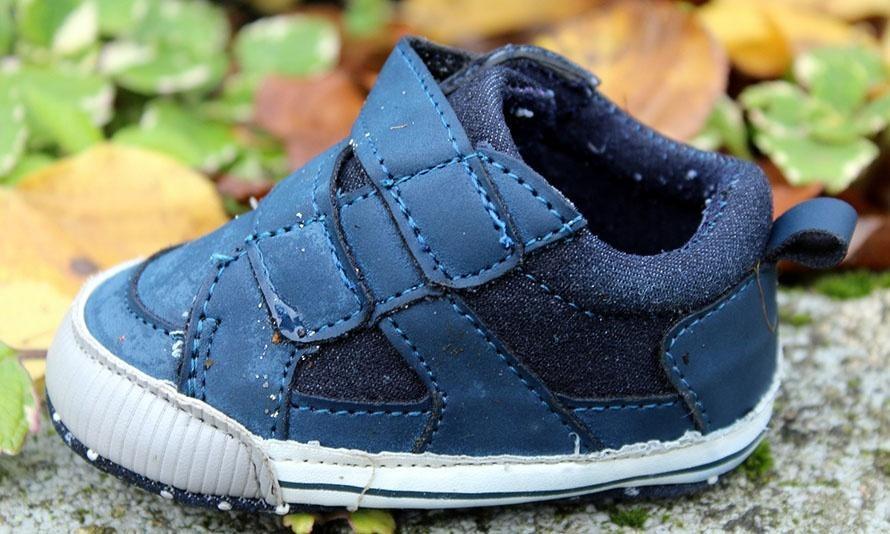
Children and the elderly are highly vulnerable populations when it comes to suffering from the negligence of another person. Even the slightest disregard can cause them substantial injury, or worse, death. There is no pain worse than losing a loved one due to the inattention or lack of care of someone else. This is why the legal system has created “wrongful death claims.” Children and the elderly are highly vulnerable popula tions when it comes to suffering from the negligence of another person. Even the slightest disregard can cause them substantial injury, or worse, death. There is no pain worse than losing a loved one due to the inattention or lack of care of someone else. This is why the legal system has created “ wrongful death claims.” A wrongful death lawsuit allows the immediate family members of the deceased person to take the responsible party to the court to demand justice. In this post, you will learn how to proceed legally in case of wrongful death of a child or a senior. Wrongful Death of a Child in New York Children are extremely susceptible to life-threatening injuries from countless reasons. However, one common cause is negligence by doctors or medical staff during delivery. Of every 1,000 infants that are born in America, 6 to 8 of them suffer from a birth injury due to the carelessness of medical staff. But sometimes the error is so extreme, that the newborn dies before any medical attention can be given to them. Due to their developing bodies, little children are very sensitive to medical disregard. Even a minuscule error in dosage of certain medication can prove to be fatal to the child. But medical malpractice is not the only cause that’s responsible for wrongful death of a child. As one of the oldest law firms in New York, we have seen hundreds of cases where day care providers and toy manufacturers failed to do their duty and a child paid the ultimate price. What to do When a Child Dies Due to Someone’s Fault? The majority of states have a clear wrongful death law in place that allows the parents to recover compensation when their newborn or child is killed due to another’s misconduct. Most states also allow the parents to recover compensation for burial and funeral expenses, as well as the emotional loss. Unfortunately, New York is one of the few states which don’t recognize the latter kind of loss. If you are a parent in New York who has lost their baby, you can’t recover for your own loss and grief. You can only recover the actual monetary expenses like medical, funeral, and burial. Parents can also recover damages for the value of services the child would have provided to them, like doing household chores. Unless you have a powerful legal firm with tenacious injury attorneys on your side, it can be difficult to receive damages for wrongful death of a child in New York. How is Compensation Calculated? When an adult dies as a result of someone’s slack behavior, the financial loss suffered by their remaining family members is easier to quantify. For example, if a father or a mother dies, their children may seek damages for the loss of the parent’s income and emotional support. But when a newborn or a young child dies, the New York courts consider the following factors to determine the financial loss: The age of the child The life expectancy and work expectancy of the child The relationship of the child to the person filing the wrongful death lawsuit (i.e., parents or guardians) The age and health of the person filing the wrongful death lawsuit The monetary compensation in these cases is usually small since it’s so hard to quantify. The younger the child was, the more challenging it can be to determine how much monetary compensation their parents or guardians deserve. What If My Unborn Child Died Due to Medical Negligence in New York? If an unborn baby passes away due to some error or mishandling on the part of the doctor or anyone on the medical staff, a wrongful death lawsuit can be brought against them. If you think your unborn child would have survived if the doctor or a nurse hadn’t behaved in a certain way during labor, you may be able to sue them. Similarly, if you feel that the doctor handling the birth prescribed wrong drugs to the mother that harmed the child and/or mother, contributing to the death of the baby, you may be able to sue the doctor or the hospital for medical malpractice. But keep in mind that in New York, a wrongful death claim cannot be filed for the death of a fetus. You should talk to an attorney who is well-versed in NY wrongful death laws, as only they can help you determine whether you have a claim, and how to proceed if you do. Wrongful Death of an Elderly Loved One in New York Older individuals are also at risk of death due to the negligence of a caretaker or nursing home. You may have heard instances of nursing home abuse uncovered in news, where the aging patient succumbed to death because of the thoughtlessness of nursing home staff. Take this most recent case for example: two nursing home managers have been charged with criminal neglect for causing neglect that resulted in the death of several disabled and older patients. Despite knowing that some patients were COVID-positive, these “caretakers” intentionally allowed them to mingle with the rest of the healthy patients. As a result, a total of 76 patients died. There have been many similar instances where hospitals and nursing homes caused fatal illness to the older patients through errors in care, diagnosis, or medication. If you suspect that your elderly loved one has been a victim of negligence or medical malpractice, don’t let the liable party sweep the matter under a rug just because the person who passed away was “old”. Get in touch with a New York personal injury attorney to see whether you can file a wrongful death claim against the institution. How is Compensation Calculated? Speaking of financial recovery, the New York courts usually assume that an individual past the retirement age doesn’t have any considerable earning capacity. Also, most courts in the state operate on the premise that the adult children of senior individuals don’t need much financial support from their parents since, well, they are “adults”. However, there are cases in which the children or immediate family members of an elderly person may recover a fair compensation by filing a wrongful death claim. If you can prove that your elderly loved one was subjected to negligence or intentional abuse that caused them harm or led to their deaths, you will have a very solid case against the responsible party. The abuse could be emotional, sexual, physical, or even financial in nature. If it can be established that the nursing home staff or a caretaker mistreated the older adult, it will be considered “neglect” by the New York courts. And if this negligent behavior caused the wrongful death of the ageing individual, you can recover compensation for your loss. When you file a negligence or wrongful death claim against a nursing home or a care facility, you will need to demonstrate actual damages. Depending upon the case, you may be able to recover the following compensation: Medical expenses Funeral and burial expenses Loss of companionship Loss of consortium Pain and suffering Punitive damages (if the death occurred due to particularly egregious conduct) Proving Liability Against Nursing Homes and Care Facilities Long-term care facilities for the disabled and elderly in New York are notorious for always being understaffed. The overworked and underpaid staff in these places usually has little interest in providing attentive care to all the patients. Falls are already the leading cause of accidental deaths among people aged 65 years and older. But an even more alarming fact is studies show that 50-75% of residents in nursing homes suffer from falls-related injuries each year. Due to improper maintenance and lack of care, the following hazards contribute to these falls: Broken bed rails Bathtubs without handlebars Improper transfers and lifts from chair to chair, chair to toilet, or bed to chair Clutter and electrical cords lying in the open Improper lighting Unkempt wheelchairs Overmedication Wet floors Poor fitting clothing If you think that the nursing home or hospital or a caretaker failed to do their duty and it led to your loved one’s death, you may be able to sue them. To establish the negligence, you must first show that the nursing home or the responsible party owed a legal duty to the patient who was the victim of the abuse. Depending on the case, it may require testimonies from experts regarding the standard of care. Next, you’ll need to prove that the facility or its staff members violated the “duty of care” that they owed your loved one. Some of the most common signs that prove that an elderly person did not receive proper care include: Infection Weight loss Malnutrition Dehydration Bedsores Bruises and/or lacerations Broken bones In most cases of negligence, these signs are evident due to poorly trained staff, understaffing, or even intentional mistreatment. It is also possible that the facility hired a staff member without performing a thorough background check! Since elderly patients and residents are extremely vulnerable, it is critical they are protected from people with history of sexual abuse or violence against others. Speak to a Wrongful Death Attorney in New York To say, losing a loved one is hard, will be an understatement – especially when it did not have to happen. Seeking the guidance of a New York wrongful death attorney can make the road to justice a lot easier. The experienced and compassionate attorneys at Rosenberg, Minc, Falkoff & Wolff, LLP, have recovered over $1 billion in negligence and malpractice claims in New York, and we will be happy to assist you. With almost 100 years’ of experience under their belt, the tenacious attorneys and legal team at Rosenberg, Minc, Falkoff & Wolff, LLP, knows the wrongful death laws like the back of their hand. We can help you investigate your case and explore all the available legal options. We know that filing a lawsuit won’t bring your baby or elderly relative back, but it will help you get the peace and justice you so obviously deserve. To show you how much we care about our clients, we won’t charge you a penny until and unless we win your case. Call us at 212-344-1000 to schedule your free consultation with one of our experienced wrongful death attorneys in New York. Gary Silverstein Gary Silverstein has been a partner of Rosenberg, Minc, Falkoff & Wolff since 2001, and an associate of the firm since 1989. Mr. Silverstein graduated with a Bachelor of Science degree from State University of New York College at Oneonta in 1983. Mr. Silverstein holds a degree of Juris Doctor from the University of Miami School of Law, having graduated in 1988.
Where to Claim Personal Injury in New York

Where to Claim Personal Injury in New York?

Accidents that involve personal injury in New York occur either because someone intended to cause harm, or because they behaved in a negligent manner. When an individual acts with the intention of breaking the law or in order to cause harm, their actions will be legally examined under intentional tort law. However, if you have been injured in an accident that was caused not intentionally, but due to the party at fault breaching their duty of care, you can raise a negligence tort claim. Accidents that involve personal injury in New York occur either because someone intended to cause harm, or because they behaved in a negligent manner. When an individual acts with the intention of breaking the law or in order to cause harm, their actions will be legally examined under intentional tort law. However, if you have been injured in an accident that was caused not intentionally, but due to the party at fault breaching their duty of care, you can raise a negligence tort claim. Anyone who has been injured in a slip-and-fall accident or a car accident or sustained an injury due to a defective product or as a result of medical malpractice can file a personal injury case under New York State’s civil practice law. These cases are tried in the courts of New York located in each of the 5 boroughs of New York City. What is the Procedure to File a Personal Injury Lawsuit in New York? The legal process of filing a personal injury lawsuit in NYC begins with drafting a petition which is a legal document identifying to the court the parties involved in the case. This petition gives details of the actions of the negligent party (called the defendant) that caused the accident victim (called the plaintiff) to suffer damages. In this document, you must also spell out the nature of the injury and damages you sustained and explain the relief you seek in compensation for the loss you had to suffer. After drafting this petition, it has to be filed in the appropriate New York court of the county that has jurisdiction over the case. In most cases, jurisdiction is decided based on where the accident or injury occurred or based on where the party lives. Filing the petition is a crucial step and must be completed within the time frame specified in the statute of limitations. After filing the lawsuit, you have to serve the defendant with the summons that has been issued by the court where you filed the petition, along with a copy of your petition. This summons orders the defendant to come forward to file their answers to your petition. What Happens After You File a New York Personal Injury Lawsuit? After the defendant has filed their answers to the plaintiff’s petition, both sides get the opportunity to find out more or to ‘discover’ about the claims and evidence of the other party. This process is called discovery, and it involves the exchange of both oral and written questions and answers. The issuing of subpoenas for records and the ordering of the records also takes place during this phase. In the more simple cases, discovery can be completed within four to six months but in more complex cases, it has been known to stretch to several years, too. Written discovery As part of written discovery, an experienced personal injury lawyer in NYC will use one or more of the following: Request for admissions which are simple questions that the defendant can admit to or deny Request for disclosure involves more specific questions that require detailed answers from the defendant Request for production is used to ask the other side to produce documents Interrogatories include questions that will be used by a lawyer to learn more about the opposite side’s claim Oral discovery Oral discovery or a deposition refers to the process of getting information under oath from a person who has knowledge that is relevant to the case. This process occurs at a place and time that has to be agreed upon by the attorneys of the parties involved in the case. Either of the parties in the case may be deposed; someone who has been a witness to the injury or an expert who can shed more light on the injury can also be a part of the deposition. Issuing of subpoena and ordering of records Along with the deposition, an attorney can order the production of records such as medical records and bills through a subpoena or an affidavit. Other records commonly ordered include police reports, employment records, tax returns, and repair bills. What is Alternative Dispute Resolution in Personal Injury Cases? Alternative dispute resolution (ADR) is a set of processes such as negotiation, arbitration, or mediation where the parties work to arrive at a resolution of the case without resorting to litigation. These procedures are generally faster and less expensive than a court trial. In mediation, a trained mediator who is a neutral party works with the concerned parties to resolve their conflict through the process of negotiation. Arbitration is a more formal process as compared to mediation but not as formal as a court trial. Arbitration generally involves a private hearing where all the parties give their evidence to arbitrators who are neutral entities who will arrive at a resolution. When you choose to file a personal injury lawsuit in New York, it is best to engage the services of an attorney who has extensive experience with all forms of resolving a personal injury dispute whether it is a settlement, arbitration, mediation, or a court trial. What Does a Personal Injury Case Court Trial Involve in NYC? A court trial is the last stage of the process of litigation that flows through the stages of a jury selection, opening statement, and presentation of evidence followed by the closing argument and the final judgment and verdict. Trials may be completed in a few days or go on for weeks together based on the complexity of the case. Jury selection During this, the lawyers of both sides question the prospective jurors to finally select the jury. Every side has access to a specific number of peremptory challenges that can be used to strike a juror for any non-discriminatory reason. Both sides also have access to unlimited strikes for the cause which can be used when a prospective juror’s reply to a question shows that they are incapable of being an impartial and fair juror. Opening statement This refers to that part of the trial where each side gets time to explain what exactly the case is to the jurors. Statements made during this time are not considered as evidence and the purpose is to give an overview of what the evidence will show and the verdict that the lawyers expect the jury to give. Evidence presentation During this stage, witnesses are called upon to provide their oral testimony in front of the jury. It is during this phase that the photographs and documents are provided as evidence and also when the examination and cross-examination of witnesses occurs. Closing argument In this stage, the lawyers of both sides are provided a fixed amount of time to talk to the jury and argue the meaning of the evidence. Lawyers use this opportunity to explain how the jury should use the evidence presented to reach a conclusion in their favor. The plaintiff’s side gets to divide the time they have into two parts – an initial opening and a rebuttal after the defense has concluded their closing argument. Rendering of the verdict and judgment Once the closing arguments have been concluded, the jurors retire to the jury room and take time to consider the information they have received in keeping with the court’s instructions. When the jury is made up of 12 persons, 10 of them at least must agree on the jury questions that have been given to them. Once an agreement is reached, the jury conveys it to the court, and then it will be read out to the parties. However, if the jurors do not reach a conclusion accepted by 10 members, the result is a mistrial. After considering the jury’s answers to the questions from a legal standpoint, the court finally gives the final judgment. The side that has lost in the personal injury trial is given 30 days to either pay up or to pursue an appeal. Injured in an NYC Accident? Get in Touch With Us Today for the Right Legal Advice Being injured in an accident can be a devastating experience and understandably, your priority will be recovering your health. However, as soon as you have received the necessary medical treatment, it is critical that you take steps to pursue damages for an injury you had to suffer for no fault of your own. If you or a loved one has been hurt due to the negligence of another person in New York City, get in touch with our accident attorneys who are available 24/7 to give you free legal advice. At Rosenberg, Minc, Falkoff & Wolff, LLP, our personal injury lawyers know the importance of acting quickly to ensure justice for our clients. We have the resources to build you a strong case that can obtain for you maximum compensation through either negotiation or a court trial based on the specifics of your case. To discuss your case with a compassionate and knowledgeable lawyer, get in touch with our law firm today at 212-344-1000 or contact us online for a free and confidential case evaluation. Gary Silverstein Gary Silverstein has been a partner of Rosenberg, Minc, Falkoff & Wolff since 2001, and an associate of the firm since 1989. Mr. Silverstein graduated with a Bachelor of Science degree from State University of New York College at Oneonta in 1983. Mr. Silverstein holds a degree of Juris Doctor from the University of Miami School of Law, having graduated in 1988.

Personal Injury Claim

How Long Does it Take to Settle a Personal Injury Claim in NY?

The question that is at the back of the minds of most accident victims pursuing a personal injury claim is: how long will my lawsuit take? They often ponder whether it is worthwhile to seek compensation for their injuries, especially when the whole labyrinthine process is moving at a snail’s pace and the medical bills are piling up. The question that is at the back of the minds of most accident victims pursuing a personal injury claim is: how long will my lawsuit take? They often ponder whether it is worthwhile to seek compensation for their injuries, especially when the whole labyrinthine process is moving at a snail’s pace and the medical bills are piling up. While the circumstances surrounding each personal injury case in New York may be different, making it impossible to predict the time needed for its resolution, it typically takes between one to three years to negotiate a settlement or obtain a verdict in personal injury litigation. Here are some of the findings from studies conducted by the United States Department of Justice and the National Center for State Courts: The time taken for tort trials, on average, from the date of filing a lawsuit to the date of receiving a verdict, was 25.6 months. The longest processing time was taken up by product liability trials (35.1 months, on average), and medical malpractice cases (33.2 months). Most of the tort cases reach a resolution before the trial stage, and only about 3 percent go on to receive a bench trial verdict. Personal Injury Claim Process A number of factors affect the duration of a personal injury case settlement or litigation. Let us take a brief look at each step of the litigation process, the average time taken by each step, and the factors instrumental in speeding up or slowing down the entire process. Hiring an Attorney If you have sustained personal injuries and suffered other damages in an accident due to someone else’s negligence or wrongdoing, we recommend engaging an experienced personal injury lawyer to handle your compensation claim. Most personal injury attorneys do not charge a fee for initial consultations. However, you need to keep in mind that lawyers are busy, so they may not be available as soon as you reach out. It may also take you a while to identify the right attorney for you. Given these reasons, you must start the process of hiring a lawyer as soon as possible. Initiating a Personal Injury Case The first steps your lawyer needs to take in order to initiate an official civil lawsuit, include: File a complaint setting forth the details of your case and the compensation amount you are demanding, in the appropriate court, along with the accompanying filing fee. Serve the negligent party with summons notifying them that you are using them, and a copy of the complaint. Once your lawyer agrees to represent you, they need to determine the relevant statute of limitations. The statute of limitations stipulates the amount of time you have as a plaintiff to file a lawsuit. The statute of limitations is different in each state but is typically between one to three years. Keeping this in mind, your attorney will draft the complaint which might take anywhere from one week to one year, to draft and serve, depending upon some of these factors: How complex is the case? For instance, how many defendants are included in the complaint? Is your lawyer willing to negotiate before filing the complaint? Are the defendants making attempts to evade service of summons, or cannot be located? Discovery Process The parties to a lawsuit exchange information in a pre-trial process called discovery. The information exchanged typically includes: Police reports Medical records Company emails Security footage Depositions, which provide both parties with opportunities to question each other and cross-examine witnesses, are also a part of the discovery process. These depositions require the presence of a court reporter to keep a written record of all the testimonies. The process of discovery generally begins immediately after the filing of the complaint and typically continues until roughly 30 days before the beginning of the personal injury trial. Court Motions The lawyers from both sides file pre-trial motions, requesting the court’s ruling on specific issues, ranging from discoverable documents to proper venue. Pre-trial court motions can be filed soon after filing of the complaint and generally continue until the start of the trial. Some of these motions may consume more time than others, depending upon their impact on the ongoing case. For instance, a motion asking for dismissal of the case will take longer to hear than a motion urging the other party’s lawyer to turn over a particular piece of evidence. Negotiating a Settlement An overwhelming majority of personal injury compensation claims are settled before going to trial. Your attorney may initiate settlement negotiations immediately after the initial discovery. While the settlement can be informally discussed between the attorneys of both sides, they can also make a formal route through the process of mediation or arbitration. Even if your attorney carries out informal settlement negotiations, your approval in rejecting or agreeing to a settlement offer is a must. Settlement negotiations can sometimes be protracted, and it is quite common for a personal injury case to settle just before the start of the trial. Going to Trial If the settlement negotiations break down in your case, it will go to a civil trial where a judge or jury will examine the evidence and give their judgment on whether the defendant or their insurance company is legally liable to pay compensation to the plaintiff. These are the typical stages of a civil trial: Jury selection Opening arguments Cross-examination of witnesses Closing statements Jury instruction Jury deliberation and verdict (pronounced by a judge in case of a bench trial) It is not uncommon for the court to push back trial dates several times over the course of a civil trial. This can also provide the parties more time to work out a settlement in the case. Appealing the Verdict If either the defendant or the plaintiff disagrees with the court verdict, they have the right to appeal. The aggrieved party has 30 days to file an appeal after the court verdict. In case of a successful appeal, the court may allow a new trial or settlement in your NYC personal injury case. When to Sign the Settlement Release Agreement? Negotiations can be arduous and demanding, but you need to hold your nerve and remain unruffled, ensuring that the proposed compensation offer accommodates your needs and meets your expectations. Make sure of the following, before you sign the settlement release agreement: The compensation offered is sufficient to cover your medical bills, lost earnings, and pain and suffering. All future medical expenses, if needed, are also covered. You clearly understand the areas and terms covered under the agreement, such as personal injury expenses and property damage. Carefully review the settlement agreement and release, to ensure that it is commensurate with your verbal agreement. The settlement release agreement is a legal contract, and you must exercise your legal right to consult an attorney before signing the document. Having signed the release agreement, you will not be able to seek or recover any further damages. Once you have signed the settlement agreement, send a written confirmation mentioning the amount and terms of the agreement, to the insurance company adjuster. Factors Affecting the Settlement Timeline Some of the prominent factors that may potentially have a bearing on the time it takes to settle a personal injury claim in New York are: Circumstances of the Case Some personal injury claims, like a slip and fall or a rear-end collision, are relatively uncomplicated. In these claims, the evidence is mostly straightforward and indisputable, leading to a quick and easy settlement. However, a medical malpractice claim can be more intricate and complex. These types of cases may involve protracted discovery hearings and reports from medical experts or financial specialists. Amount of Compensation A $1,000 personal injury claim has much more chances of a quick resolution than a case worth $1 million. Larger cases involving a higher claim will likely see the insurance company trying to stall or delay settlement negotiations, to avoid paying until the scheduled trial dates. An injured party has more leverage as the trial date looms closer. Nature and Extent of Injuries Typically, a personal injury claim involving a mild injury like a sprained wrist will have a quick resolution than a case involving a traumatic brain injury or death. Claims for injuries that are not significantly disabling resolve faster than claims involving more grievous injuries. Slower recovery time in severe injuries necessitates a long-term prognosis. The injured victim may need to be off work for two or more years before a medical expert can certify their disability. Court Caseload Court dates, the backlog of cases in your jurisdiction, and the availability of judges; all play a role in how long your personal injury claim takes. Patience and Perseverance If you are keen to settle quickly, your case may reach a faster resolution. On the other hand, if you can hold out longer, you may end up with a bigger settlement amount, but your case may take longer. Contact Rosenberg, Minc, Falkoff & Wolff, LLP for Help with Your NY Personal Injury Claim Insurance companies, in their bid for quick resolution of the case, often offer low settlements, limiting how much you could actually receive if represented by a seasoned and competent personal injury attorney. While a quick settlement is not the most desirable outcome, some trials may drag out too long. At Rosenberg, Minc, Falkoff & Wolff, we make it our job to keep our client’s long-term interest in mind, while moving cases quickly. If you or a loved one has suffered injuries in an accident in New York, contact us to discuss the options you have to pursue compensation. Call our personal injury law firm at 212-344-1000 or contact us online for a free case evaluation, and our lawyers will get back to you right away. Robert Wolff Robert H. Wolff is a member and partner of the prestigious New York City Personal Injury Law Firm of Rosenberg Minc, Falkoff, & Wolff, LLP. Mr. Wolff graduated from SUNY Albany, cum laude, in 1978 with a B.A. in Psychology and American History. Thereafter, he attended St. John’s University School of Law, where he was a member of the Moot Court Team and the Criminal Law Society, graduating in 1981 with a Juris Doctor’s degree.

Eye Injury in New York

Who Can You Sue For Your Eye Injury in New York?

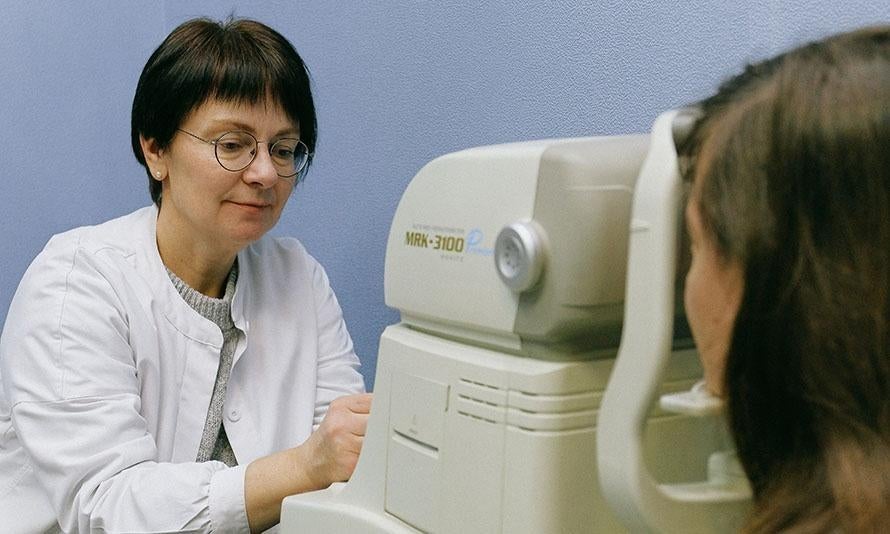
Serious harm can be caused by injuries to the eyes. It can result in loss of sight in one eye, total blindness, or even impaired vision. If you or anyone you know has suffered from a serious eye injury, you should work with a skilled lawyer to help your family move forward. The best way to move forward is to have your lawsuit evaluated by a skilled personal injury attorney who can offer advice on your legal rights and options. Serious harm can be caused by injuries to the eyes. It can result in loss of sight in one eye, total blindness, or even impaired vision. If you or anyone you know has suffered from a serious eye injury, you should work with a skilled lawyer to help your family move forward. The best way to move forward is to have your lawsuit evaluated by a skilled personal injury attorney who can offer advice on your legal rights and options. Blindness refers to the absence or loss of perceiving visual images. This can be permanent or temporary. Blindness can occur because of a wide variety of reasons. Many forms of blindness can be improved medicinally or improved surgically with technological innovations. Damage to the optic nerve, any part of the eye, or any part of the brain can potentially result in blindness. Eye injuries are a major cause of blindness, whether chemical or physical. Eye injuries can involve getting a removable or benign substance in the eye or having permanent vision loss. Blindness Caused by Common Accidents Blindness can occur due to the following types of accidents among others: Dangerous Toys Chemicals Car Accidents Side Effects from Dangerous Drugs Defective Products Dog Bites Workplace Accidents Fires and Explosions Other accidents that may result in blindness include: Chemical Burns and Exposure Chemical burns can take place in several ways. They are usually the result of liquid splashing in the eye. Some chemicals, such as household soap, sunscreen, or tear gas are mainly irritants. Alkalis and acids are usually considered high-risk substances which may result in blindness. Alkalis are usually found in ammonia-based products or drain cleaners while acids are found in batteries. Iris Injuries and Corneal Abrasions The cornea is transparent skin that covers the eye. It can easily get scratched by protruding objects or tree branches. Iris is the colored portion of the eye. Being hit by a club, fist, or a blunt object can result in iris related injuries. This injury can cause inflammation of the eye. Common Forms of Eye Injury These are a few common types of eye injuries: Hyphemas This involves bleeding in the front of the eye. It can be because of being kicked in the face or getting hit with a projectile. Lacerations These are cuts that occur from a fall or a sharp object. Ultraviolet keratitis This refers to a common light-induced trauma that is simply a cornea burn. Arc welding, the sun, and tanning can result in dangerous ultraviolet light entering the eye. Foreign objects The human eye is designed to withstand flying objects. But, fast blinking responses and eyelashes are a poor substitute for eye protection. Grit, sand, and other particles may become a threat to the functioning of the eye. Glass, projectiles, and other debris tend to be even more dangerous. Victims may end up suffering cuts or scratches on their eyeballs as well because of days of irritation. Burns Several sources can cause burn damages that go deeper than skin level. Fire, heat, chemical exposure, and spilled liquid can cause spotty vision by entering the worker’s eye. It can also result in blindness in one or both eyes. Bright lights Many forms of occupation, such as welders or lifeguards expose workers to bright lights. They are equally at risk as compared to flash or explosions from a defective electrical object if not provided with adequate safety measures. Head injuries Workers may suffer blindness after being hit on the head. This can be because of a head injury or a sudden impact resulting in brain damage. Trips, slips, and falls or car accidents may result in trauma to the head or face causing irreparable vision damage. Eye Injury Because of Airbag Deployment The primary purpose of an airbag is to prevent the face from going through or hitting the windshield. However, they are also the cause of devastating injuries, including loss of vision in one or both eyes. Airbag deployment can cause fractured eye socket or traumatic iritis. Complications Arising Out of Blindness There are several complications to being blind. This includes anxiety and depression because the victim loses the ability to witness the world around them. Blind people may feel extremely isolated. They may even feel nervous in connecting with people they can no longer see. Most people with a recent eye injury or blindness may have to take classes to understand how to get around. Color blindness has the added complication of finding it difficult to interpret street signs. Filing Eye Injury Claims in New York Eye injury lawsuits in New York City can be brought forth if one party was negligent towards another that resulted in the eye injury. This can be because of one person physically assaulting another. It can also be because of medical malpractice. There are two types of these lawsuits: Negligence This refers to a legal theory in which the injured party can recover damages caused by the carelessness of another. The person is termed negligent if they behave in a careless manner. Everybody owes a duty of reasonable care to each other. Reasonable care can be explained as the ordinary level of care employed by a prudent person. Medical malpractice Medical malpractice specifically refers to the negligence of a medical practitioner or a healthcare professional that results in the injury of a patient. This is when the professional owed a reasonable duty of care to the patient. This involves a vast category of professionals that are held to a certain standard of care. It is highly likely that the professional would be held liable if they deviate from that reasonable standard of care. Cause of Injuries Needs to be Proved by Blindness Attorneys The amount of damages you can claim (assuming the other party is at fault) depends on proving the entirety with which blindness has impacted your life. You could have bilateral blindness (both eyes) or unilateral blindness (single eye). In either case, you may be able to file a personal injury lawsuit if it was caused by malpractice or an accident. The cause of the eye injury is the primary factor in determining whether you have a lawsuit or not. Your lawyer will also have to determine if any corporation or person was negligent. Blindness lawsuits often revolve around accidents where there is impact or trauma to the eyes. Medical malpractice resulting in eye-related illnesses, injuries, or complete retinal detachment may also form the basis for a personal injury lawsuit. Liability in Eye Injury Lawsuits in New York City The nature of where and how an injury occurred will form the basis of the persons or entities that can be held liable for the eye injury. These are a few examples of parties that may be held liable for eye injuries. These include but are not limited to: Employers can be held liable if the eye injury occurred while you were performing a work-related job. Companies manufacturing chemical equipment or products may be held liable for the eye injury if it directly resulted in it. However, the manufacturers cannot be held responsible if the victim failed to read provided directions or took actions that may have contributed to the injury on their own. Doctors that are negligent in their medical duty can be held liable for the resulting injuries. This is usually the case with LASIK eye surgery where eye injuries are concerned. Sports facilities owners need to take reasonable precautions for ensuring the safety of everybody using their facilities. Failure to not take these precautions may result in them being held responsible for the damages and injuries arising out of their negligence. People committing crimes, such as battery or assault may be held liable for eye injuries arising from these actions. The negligent vehicle driver is a common example of this type of at-fault party. Handling All Eye Injuries Cases in New York At Rosenberg, Minc, Falkoff & Wolff, we understand that injuries involving or affecting your eyes can result in devastating consequences. This is why we try our best to acquire a substantial financial recovery that can help you get on with your life. We will do everything possible to hold the at-fault parties accountable for their actions and get you the compensation you rightfully deserve. These are a few types of eye injuries we represent: Optic neuritis Diplopia (also called double vision) Photophobia Puncture wounds Ruptured globe Retinal detachments Damage to tear ducts Damage to the lens Corneal Abrasion Swelling Lagophthalmos Hyphema Orbital fractures Subconjunctival Hemorrhage Cuts and abrasions, and more Speak With a New York City Eye Injury Attorney Today Do not hesitate to consult with the legal team at Rosenberg, Minc, Falkoff & Wolff if you have recently suffered an eye injury because of the carelessness of another. Our capable blindness accident lawyers handle a wide variety of eye injury lawsuits throughout NYC. We have skilled people to gather evidence that supports your claim. Our attorneys are prepared to help you through the process of filing an eye injury claim. Schedule your free consultation today by calling us at 212-344-1000. You can also use our online form to book an appointment. Gary Silverstein Gary Silverstein has been a partner of Rosenberg, Minc, Falkoff & Wolff since 2001, and an associate of the firm since 1989. Mr. Silverstein graduated with a Bachelor of Science degree from State University of New York College at Oneonta in 1983. Mr. Silverstein holds a degree of Juris Doctor from the University of Miami School of Law, having graduated in 1988.
Rear-End Collisions in NYC

Rear-End Collisions in NYC: Who is Liable?

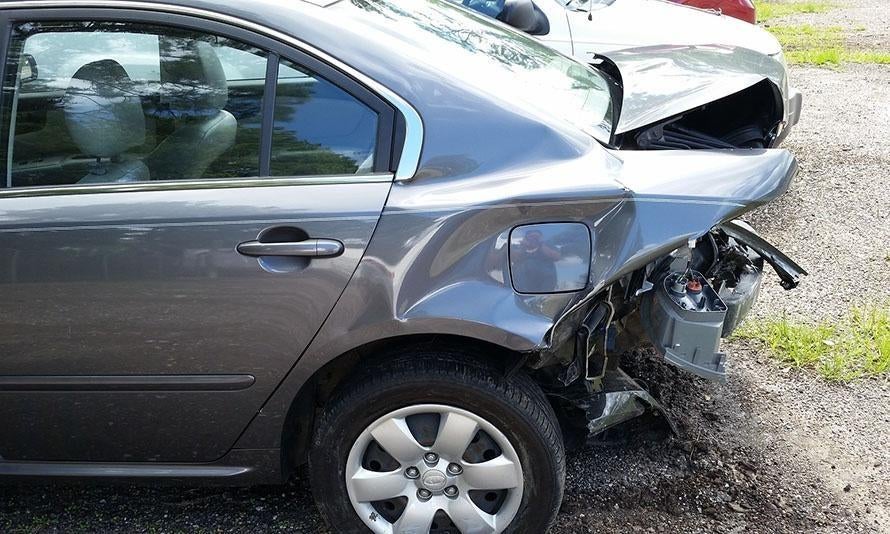
In 2018, the National Safety Council reported that two-car collisions were the most commonly occurring motor vehicle accidents. Of these, unsurprisingly, close to 50 percent of cases were found to involve rear-end collisions. Like any other busy city, New York is no exception to such accidents that mostly occur because drivers do not have the patience to maintain the specified distance from the car in front. In 2018, the National Safety Council reported that two-car collisions were the most commonly occurring motor vehicle accidents. Of these, unsurprisingly, close to 50 percent of cases were found to involve rear-end collisions. Like any other busy city, New York is no exception to such accidents that mostly occur because drivers do not have the patience to maintain the specified distance from the car in front. Getting injured in a rear-end collision in NYC may result in not just pain and suffering, but also huge financial setbacks. The crash victim has to pay for their medical bills even as their income suffers because they have to take time off from work. Filing a personal injury claim to get damages is therefore important and to do this, you need to understand the concept of liability in rear-end collisions in New York. What are the Common Causes of Rear-end Collisions in New York? Data from the National Transportation Safety Board shows that most rear-end crashes occur because: A driver is moving at great speed and so, they cannot come to a sudden stop in time to avoid hitting the vehicle in front. A vehicle is being driven in a distracted manner because the driver is sleepy or busy eating or drinking or texting or talking on the phone. Drivers indulge in tailgating. That is, they follow the vehicle in front too closely and this leaves them with too little time and space to respond when the vehicle in front suddenly stops. Poor weather conditions interfere with the driver’s ability to control their car’s movement. A vehicle develops a sudden mechanical fault such as a brake failure that prevents the driver from being able to stop. What Injuries May Occur in New York City Rear-End Crashes? Most people assume that compared to head-on collisions, rear-end crashes are not so dangerous. But it is important to remember that even a rear-end crash involves an unnatural jolt to the body of the car’s occupants and this can lead to a severe injury. When a car hits another vehicle in front, it is akin to crashing into a solid surface and this impact can be forceful enough to damage different parts of the neck and spinal cord. Rear-end collisions in New York have been known to cause severe injuries that may include: Whiplash Concussions Traumatic brain injuries Damage to the spinal cord including herniated or bulging discs and paralysis Fracture of the ribs and bones in the arms and wrists Facial bone fractures Soft tissue injuries Burn injuries that arise from airbag deployment What Damages Can You Claim for a Rear-end Collision in NYC? Anyone who has been injured in a rear-end collision can claim compensation for both economic and non-economic losses such as: Ambulance charges Emergency room treatment Medical treatment or hospitalization bills Prescription medicine expenses Physical or other rehabilitation therapy fees Lost wages Loss of earning capacity in the future Scarring and disfigurement Pain and suffering Loss of enjoyment Loss of consortium In crashes where the party at fault was found to be driving in a reckless manner or under the influence of drugs or alcohol, your rear-end collision lawyer in New York City may also help you to claim punitive damages. Rear Vehicle is Almost Always Liable for a Rear-end Collision in New York Under New York’s traffic laws, there must always be a safe distance between two cars driving on a road. Logically speaking, maintaining this distance is the responsibility of the rear car driver because the front driver cannot do anything about it. When the rear driver does not keep sufficiently away and then rams into the vehicle in front of them, it is but natural for the law to find them responsible for the crash. In some cases, it may so happen that the rear driver was driving keeping a safe distance but the car ahead of them suddenly brakes to a stop, leading to a rear-end collision. There could be several reasons for this – perhaps a pedestrian suddenly stepped onto the road, or maybe a child ran out into the car’s path, or it could be a snag in the traffic that caused them to apply their brakes. While you could argue that this makes the accident the responsibility of the front driver, the law will not support this viewpoint. It may appear unjust, but the fact is that if a rear driver keeps the legally specified distance away from the car in front and drives with focus, they should have been able to avoid the crash even if the vehicle in front came to a sudden stop. Are There Exceptions to Rear Driver Liability in NYC Rear-end Collisions? The law does recognize exceptional circumstances in which the rear driver is considered as non-negligent despite having followed too closely and colliding with the car in front. For example, if the rear driver was driving at a safe distance but another car veered into their lane, they would be forced by their self-protective reflex to reduce the gap between their vehicle and the car in front. Sometimes, there may be a natural event such as a rockslide that was unanticipated. To avoid being hit, the rear driver may have speeded up to get to safety and in the process, traveled too close to the vehicle in front, and ended up causing a rear-end collision. In such situations, the court may conclude that this behavior was a non-negligent reason for the crash. However, to be able to qualify for such a tag, the rear driver must be able to prove that the situation was an emergency that was totally unforeseeable and beyond their control. Who is Liable for a Rear-end Crash that Triggers a Multi-Car Pileup? When one car rear-ends the car in front, the latter is likely to crash into the car in front and this can easily set off a multi-car pileup that is also known as a chain-link accident. In these crashes, it is the action of the rear-most driver that triggers the reaction from the cars ahead of them. So, it is natural that the rear-most driver will be held liable for the crash. However, like in 2-car crashes, this will not be true if it can be shown that there was a non-negligent reason for the collision. Another factor to be considered in multi-car pileups is whether the other car drivers were following the specified safe distance or not. If evidence shows that they were too close to the cars ahead of them, those drivers may also be considered negligent and therefore, partly liable for the crash. New York’s No-Fault Rules for Personal Injury If you have been injured in a rear-end collision in New York, and want to claim damages, it is important to understand the rules regarding no-fault and comparative negligence. Under the no-fault rules, a driver who has a vehicle with New York registration and license needs to have no-fault insurance coverage. This will cover the expenses up to $50,000 for any injuries that an individual may sustain in a motor vehicle accident irrespective of which party was involved. In more serious accidents where the losses sustained are too great to be covered by no-fault insurance coverage, it is possible for the victim to bring a personal injury claim outside of this policy. An experienced NY rear-end crash personal injury lawyer can guide you about these aspects. Comparative Negligence in New York City Rear-End Collisions Under New York’s rule of pure comparative negligence, it is possible that both parties involved in the rear-end crash may be found partially at fault. In such a situation, it may be possible for both parties to recover damages to some extent and the final amount they receive will be a reflection of their contribution to the crash. A competent personal injury attorney in New York can help you understand these concepts and guide you through the complex legal process of claiming the compensation that is your rightful due. Get in Touch With a Skilled NYC Rear-end Collision Attorney Driving on the congested streets of New York can be quite difficult and this makes rear-end accidents a common sight. If you are the front driver who was injured due to the car behind crashing into you, it’s paramount to claim compensation for your injuries. If you are the rear driver who ended up colliding with the car in front despite driving in a safe manner, it may be possible to recover some of the damages by showing that the driver in front was partly to blame for the crash. The professional car accident attorneys at Rosenberg, Minc, Falkoff & Wolff, LLP have worked with several clients involved in rear-end collisions and helped them get justice. To learn more about how we can help you do the same, contact us today at 212-344-1000 or contact us online for a free and confidential case evaluation.

U-Turn Accidents in NYC

U-Turn Accidents in NYC: Who is Liable?

When driving in an unfamiliar area, it is not uncommon to miss taking the correct turn in the road. In such a situation, the car driver may try to make up for the error by making a U-turn to proceed in the opposite direction. This type of maneuver requires a lot of space and if the driver tries to execute it in a narrow space, or across several lanes of traffic, it can quickly turn dangerous and cause a horrific crash. When driving in an unfamiliar area, it is not uncommon to miss taking the correct turn in the road. In such a situation, the car driver may try to make up for the error by making a U-turn to proceed in the opposite direction. This type of maneuver requires a lot of space and if the driver tries to execute it in a narrow space, or across several lanes of traffic, it can quickly turn dangerous and cause a horrific crash. Injuries in such a u-turn accident in New York City are often quite serious and the person who performed the risky maneuver is generally considered to be liable although there may be exceptions in some cases. Make sure you have a competent u-turn accident attorney in NYC on your side to pursue your case for compensation against the negligent driver. Why Can Making a U-turn be Dangerous in New York? Making a u-turn can be difficult in any part of the country, but on the congested streets of NYC, it can lead to a fatal accident. To make a u-turn, you have to first slow down, then reverse and get into the turn. If the vehicles behind you are traveling too fast to brake in time, they could crash into the rear end of your car; often, such a situation could set off a chain reaction that ends up in a multi-car pileup with injuries to all the vehicles involved. If you are trying to execute a u-turn, and another car slams into the side of your vehicle, it could easily result in a t-bone accident that severely injures the occupants of both cars. In situations when your u-turn is not sharp enough, you could end up drifting into the other lanes and get into the way of oncoming traffic, resulting in a sideswipe accident. In some cases, bicyclists and pedestrians on the sidewalk at the point where you make the u-turn may also end up injured if your vehicle rams into them. A driver whose careless u-turn causes an accident is not just held liable for the accident, but may also have to face criminal charges. The Legal Aspects of U-turns in New York U-turns as such are not illegal in New York unless they occur in an area where such maneuvers have been specifically prohibited. Generally speaking, it is okay to make a u-turn in NYC when the traffic signal shows a glowing green arrow to turn left, provided you yield to other traffic that has the right of way. However, it is considered the responsibility of the driver to make the u-turn to check that there is no traffic approaching from either direction and to execute the turn in a safe manner. In New York, U-turns are prohibited in the following areas: School zones NYC business districts Expressways with limited-access Places where the road signs clearly indicate that u-turns are not allowed What Injuries May Occur in an NYC U-turn Accident? When vehicles collide in a u-turn accident, the initial impact causes the car occupants to slam against the inside structures of the vehicle. Passengers and drivers may hit each other too, leading to broken bones and head injuries. In crashes where the vehicles were traveling at high speeds, the u-turn accident may cause one or both cars to roll over and the drivers or passengers may get ejected from the cars causing even more dangerous injuries of the brain and the spinal cord or even amputation injuries. In cases where a large truck loaded with goods is involved in a u-turn accident, the crash may cause the cargo to loosen and get thrown all around. This could cause lacerations, abrasions, broken bones, and other injuries to pedestrians, bicyclists, motorcyclists, and people in other cars too who were in the vicinity of the crash area. Who is Considered Liable for a U-turn Crash in New York? It is a general assumption that the person who made the u-turn will be held responsible for the accident. However, determining liability in such accidents is not so simple. In order to find out who was at fault, several factors are to be considered such as: How was the u-turn executed? Did the driver take necessary care to yield right of way to other vehicles that had it? Was the u-turn made in an area where it was specifically prohibited? Was either of the drivers involved in the u-turn accident driving in a distracted or reckless manner or speeding? Were any of the drivers in the crash in an intoxicated condition while driving? Only a careful study of all these aspects can help to fix liability. If you have been involved in a u-turn accident either as a victim or as the driver who made the u-turn, it is vital to have an expert personal injury lawyer on your side who can ensure that you get the justice that is due to you and the right level of compensation for the losses you suffered in the accident. What Happens if You Were Partly Responsible for the U-turn Accident in New York? In many u-turn accidents, it is found that a combination of several factors is responsible for the crash. Mistakes made by either driver could be considered as having contributed to the victim’s injuries. This is where New York’s pure comparative fault rule comes into play to ensure that even if a driver has been partly responsible for the accident, they can still recover some damages for their injuries. Under this system, after the compensation award has been decided, the amount the driver actually receives will be reduced by the percentage of their fault. Let us say that a driver is entitled to $20,000 of compensation as damages. If the jury concludes that this individual is responsible to the extent of 20% for causing the accident, that proportion of the money will be denied to them. However, they are still eligible to receive 80% of the compensation which translates into $16,000, which is no small figure. Medical care expenses after an accident can run into thousands of dollars and depending on the severity of your injuries, you may need treatment for several months or even years after the accident. This is the reason why it is important to have an experienced NYC u-turn accident attorney to process your case so that you get whatever compensation is your legal right. Tips on Making a Safe U-turn in New York Given the chaotic traffic on the streets of New York, no one can predict when an accident may occur. However, it is certainly possible to drive in a safe manner so as to avoid making errors that lead to u-turn accidents. Here are a few tips to follow regarding making u-turns: Avoid making a u-turn unless absolutely necessary. Check to see if a u-turn is prohibited in that portion of the road and only when there is no such sign should you consider this maneuver. Never attempt a u-turn on a curved portion of the road where visibility of other approaching vehicles is poor. Signal that you are slowing down, and watch the flow of traffic on all sides before you begin to slip into the u-turn. Be extremely careful when trying to make a u-turn in bad weather conditions such as snow or rain. Speak to a New York City U-turn Accident Attorney to Help You When you have been injured in an accident, the shock, pain, and suffering you undergo can make it difficult for you to think straight. Having to deal with the complicated legal steps necessary to claim compensation may seem overwhelming to deal with on your own. But with the right legal team representing you, it is certainly possible to get the maximum damages you deserve. At Rosenberg, Minc, Falkoff & Wolff, LLP, our lawyers have several years of experience in helping clients who were injured in u-turn accidents. We understand how complicated such accidents can be and have a well-worked out process to try and get you the maximum possible compensation which you are entitled to receive. Our personal injury lawyers will work with you every step of the way, in: Gathering relevant evidence from the crash scene Proving accident causation using testimony from accident reconstruction experts Determining liability for the u-turn accident Calculating the damages to which you are entitled to all the losses you suffered Filing your claims and handling the legal paperwork Negotiating with the insurance adjusters of the other party Building you a strong case and taking it to a court trial if you so desire Even if you believe that you were partly to blame for the u-turn accident, there may be factors that you are unaware of that can be unearthed through a legal team’s investigation. So, it is important that you consult our personal lawyers in New York City at the earliest to find out how we can help you. To discuss the details of your u-turn accident case, get in touch with us today at 212-344-1000 or contact us online for a free consultation. Robert Wolff Robert H. Wolff is a member and partner of the prestigious New York City Personal Injury Law Firm of Rosenberg Minc, Falkoff, & Wolff, LLP. Mr. Wolff graduated from SUNY Albany, cum laude, in 1978 with a B.A. in Psychology and American History. Thereafter, he attended St. John’s University School of Law, where he was a member of the Moot Court Team and the Criminal Law Society, graduating in 1981 with a Juris Doctor’s degree.

Left Turn Accidents in NYC

Left Turn Accidents in NYC: Who is Liable?

Driving on the congested streets of New York can be a huge challenge and the dangers of causing a crash are especially high when you navigate around a busy intersection and have to make a left turn. Data from the NYC Department of Transportation’s (DOT) study in 2016 shows that left turns are the cause of more than double the bicyclist and pedestrian fatalities as right turns. Left-turn accidents in New York have also been known to cause three times as many fatalities and serious injuries as right-turn accidents. Driving on the congested streets of New York can be a huge challenge and the dangers of causing a crash are especially high when you navigate around a busy intersection and have to make a left turn. Data from the NYC Department of Transportation’s (DOT) study in 2016 shows that left turns are the cause of more than double the bicyclist and pedestrian fatalities as right turns. Left-turn accidents in New York have also been known to cause three times as many fatalities and serious injuries as right-turn accidents. While it is generally assumed that the driver who makes the left turn is responsible for the accident, there could be situations when they may not be fully or even partially to blame. Read on to know more about the concept of liability in left-turn accidents in New York City. Why are Left Turn Accidents in New York Dangerous? Much before the results of the study by the NYC DOT, a 2010 analysis carried out by the National Highway Traffic Safety Administration (NHTSA) had found that a vehicle making a left turn at an intersection is one of the most critical events that can trigger an accident. Here are a few reasons why left turn accidents can be deadly: Turning left means having to cross oncoming traffic, and this increases the risk of crashing into a vehicle coming from the opposite direction. It is a natural tendency for drivers to speed up as they get into a left turn. This, along with the wider radius of the turn they have to execute can cause greater injury to any pedestrians caught in their path. Left turning drivers may try to slip into the turn in an attempt to ‘beat’ the driver coming from the other side and this makes the turn very risky. When a driver seeks to turn left and slows down, there is a greater risk of the car being hit by other vehicles behind this car. So, a rear-end crash is very likely in left-turn situations. Traffic coming from the opposite direction is often moving at a speed far greater than the vehicle that is trying to turn left and this impact with a fast-moving car can lead to a fatal collision. Why is it Difficult to Make a Safe Left Turn at NY Intersections? Every driver on the road knows that making a left turn is a huge challenge. Despite being an experienced or expert driver, it can be quite difficult to execute a safe left turn at New York intersections due to the following reasons: When you are making a left turn, you have to give your attention to vehicles that may move towards you in three different directions. This can be a huge effort for even an expert driver and even a small lapse can lead to a crash. Driving very fast can make it difficult to slow down in time to make a careful left turn. When a driver is going at a particular speed, and suddenly hits the brakes to reduce speed to make the left turn, it can leave very little time for the vehicles following this car to react. This could lead to a rear-end crash that involves multiple drivers. If the left-turning driver’s view on the left or in front is obstructed by trees, or a signboard, it can be tough to assess the state of traffic coming from the opposite side. A significant number of left-turn accidents are caused due to the inattention of the driver who is making the turn. If you are distracted because you’re checking social media feeds on the phone or trying to figure out what instructions the GPS is giving you about getting to your destination, it can be difficult to be alert to the actual situation on the road. Left turns are often riskier for persons who are new to driving. It can take a lot of experience with executing such turns for a driver to get to a stage where they can accurately judge the gap at an intersection and time the turn to match the break in traffic. Who is Considered Liable for a Left Turn Accident in NYC? Under New York law, a driver who is making a left turn at an intersection has to yield the right-of-way to traffic coming from the opposite direction. So, if the investigation into a left turn accident in NYC shows that the left-turning driver failed to yield the right-of-way, their actions will be considered as negligence and they will be held liable for the accident. Negligence means that the concerned driver failed to act with the care that was expected of any reasonable person in that situation. However, there can be many exceptions to this general guideline about the liability of the left-turning driver. If it can be shown that the car crash occurred due to factors beyond their control while they were making a careful turn, it is quite possible for the other driver involved in the crash to be found at fault for the left turn accident. In What Situations is the Left Turner Not Liable for the NY Car Accident? Liability in an accident depends on several factors and a left turn accident is no exception. To determine who is at fault for such an accident, it’s critical to take into account factors such as: Which driver had the right of way? What was the speed of the vehicles involved in the crash? Did the concerned drivers act in a reasonable manner? Careful consideration of these factors may throw up information that shows that the party other than the driver making the left turn was responsible for the accident. Generally, the left-turning driver is not considered at fault for the accident if it can be proved that: They obeyed the signal indicating they could make a left turn The other driver was speeding as they approached the intersection The other driver ran through a stop sign or a red light The driver following the left turning car was driving in a distracted manner and therefore crashed into its rear end The other driver was driving under the influence of drugs or alcohol Role of Unforeseen Circumstances in a Left Turn Crash in New York In some situations, there could be a sudden event that was not foreseeable by any of the drivers. If an animal or a young child suddenly ran into the road, the driver making the left turn would have been forced to brake or slow down and this could have caused a left-turn accident. In such circumstances, if the left-turning car is involved in a collision with an oncoming vehicle or a car following them, it may be quite possible that the other driver will be held liable because they ought to have noticed that the left-turning driver was slowing down and reacted accordingly. New York’s Laws Regarding Comparative Fault New York operates on the concept of a “pure” comparative fault. According to this, all the parties involved in a personal injury lawsuit have an equal opportunity to recover compensation. The exact amount that one recovers will be adjusted to match the extent of their contribution to the accident. Say you were involved in a car accident while making a left turn at one of New York City’s busy intersections and at trial, the jury determines that your liability was 20 percent while that of the other driver was 80 percent. If you have been awarded $10,000 as damages, under the pure comparative fault law, the amount you finally receive will be less by 20 percent, so you will get $8,000 in damages. Contact a Left Turn Accident Personal Injury Attorney in New York Most people generally assume that whenever an accident occurs while making a left turn, it is the left-turning driver who will be held liable. This may deter them from pursuing a personal injury claim to recover damages from the other parties involved in the accident. But it is important to remember that there can be exceptions to this assumption and if it can be shown that the other driver too was partially at fault for the left-turn accident, you may still be able to recover compensation from them. At Rosenberg, Minc, Falkoff & Wolff, LLP, our car accident attorneys have helped several clients who were injured in left-turn accidents to recover damages to make up for the losses they sustained due to another party’s fault. Using our network of accident reconstruction specialists and independent investigators, we can help build you a strong case that gets you the justice and damages you deserve. Whether you decide to settle with the insurance company or pursue your case to trial, our team of expert car accident lawyers will work with you to help you navigate the complex legal process of claiming damages. To discuss the details of your left turn accident case, get in touch with us today at 212-344-1000 or contact us online for a free and confidential case review. Gary Silverstein Gary Silverstein has been a partner of Rosenberg, Minc, Falkoff & Wolff since 2001, and an associate of the firm since 1989. Mr. Silverstein graduated with a Bachelor of Science degree from State University of New York College at Oneonta in 1983. Mr. Silverstein holds a degree of Juris Doctor from the University of Miami School of Law, having graduated in 1988.
Citi-Bike Share Accident Claims in New York City

Citi-Bike Share Accident Claims in New York City

Driving a car on the congested streets of New York is often a frustrating experience due to the heavy traffic and expensive parking. Add to this the rising gas prices and it is not surprising that many commuters now choose to commute by bikes that are cheaper and far more convenient to use. Unfortunately, bike accidents are all too common on the busy streets of NYC. Injuries in such accidents can be far more severe than a car accident because a bike does not offer you any type of protective features. Driving a car on the congested streets of New York is often a frustrating experience due to the heavy traffic and expensive parking. Add to this the rising gas prices and it is not surprising that many commuters now choose to commute by bikes that are cheaper and far more convenient to use. Unfortunately, bike accidents are all too common on the busy streets of NYC. Injuries in such accidents can be far more severe than a car accident because a bike does not offer you any type of protective features. If you have been using a bike through a bike-share program in New York, and you have been hurt in a bike accident, you are entitled to claim damages for the losses you suffered. It is best to have an experienced Citi Bike share accident attorney in New York City on your side to pursue your claim for compensation. What is the Citi-Bike Share Program in NYC? If you have been using the blue bike in New York, it is quite likely to be one provided by New York’s main bike share program called Citi Bike. The company called Citi Bike has been exclusive rights by the City to own and operate the bike-sharing program which is sponsored by Citi Bank. Under this program, bikes are available from bike stations that are located in different boroughs of NYC. Commuters may purchase a pass that allows them access to the bikes for 24 hours, or for 7 days, or for an entire year depending on their requirements and usage. Anyone who is 16 years or older can access a Citi bike through the ride code they get with their pass. They may ride their bike for as long as they wish during the selected period and at the end, they must return the bike to any of the designated Citi Bike stations. What are the Common Causes of Citi Bike Accidents in NYC? Citi Bike share accidents in NYC can occur due to several causes: The failure of other drivers on the road to yield way to the person riding the bike A distracted driver’s failure to notice the bike especially when turning at an intersection Speeding or distracted driving by the bike rider Potholes or other road defects that can throw the rider off their bike The drivers or passengers of other vehicles opening their vehicle door without checking if there is any bike in the vicinity Poor design of the Citi Bike makes it more likely to cause injuries Poor maintenance of the bike by Citi Bike What Injuries Can a Citi Bike Accident Cause? In any accident involving a Citi Bike and a car, the driver and passengers in the car are protected by several safety features such as seat belts and airbags. However, the person riding the bike has no such protection and they are therefore likely to sustain more severe injuries. In most such accidents, there is a greater risk of traumatic brain injury, spinal cord injuries, dental injuries, and bone fractures, all of which may have grave consequences. One of the best ways to provide yourself with some level of protection while riding a Citi Bike is to make sure that you wear a good quality helmet that will keep your head protected in the event of a crash. Wearing reflective clothing or bright colors can also help to make your presence more noticeable to other motorists on the road. What to do if I Get Into a Citi Bike Crash in New York? If you have been riding around New York City and get into a Citi Bike share accident, here are the steps you need to take. Check yourself for injuries and get medical help at once. Call 911 to report the crash and ask for medical help. Even if you don’t see any obvious signs of injury, make sure you get yourself examined by a doctor to rule out internal injuries. If you are not badly hurt and can stay at the site of the accident, call the police and wait until they arrive to investigate. Even in cases where there is no injury, it is best to call the police to report the accident. Call the number provided by Citi Bike on the pass they issued you and report the crash to them. Collect important information regarding the other driver who was involved in the crash. Take down their name, address, contact number, license plate number, and insurance information. If there have been eyewitnesses to the crash, collect their contact information as well. Using your cellphone, take photographs or videos to capture the state of your Citi bike, your injuries, the vehicle that caused your crash, and the overall crash scene, including obstacles on the road, or poor road conditions that may have contributed to the accident. Who Will Pay for My Medical Expenses in an NYC Citi Bike Accident? Many persons who get involved in a New York Citi Bike share accident tend to ignore minor injuries they may have sustained in the crash. One of the primary reasons for this behavior is the fact that they lack the necessary health insurance. Sometimes, people also worry about being left with a huge bill for the emergency room services or ambulance services for what appears to be a minor injury. However, it is important to understand that under New York State’s no-fault clause, the insurance company of the party at fault is responsible to pay up to $50,000 for your medical expenses and lost wages. Who is Liable for a Citi Bike Accident in NYC? In any bike accident in New York, the driver of the vehicle that collided with the person riding the bike is the one who is most likely to be held liable for the crash. The same concept applies to a Citi Bike accident too and the driver of the car or truck or bus that hit you will be considered responsible for the crash. Although it has provided you with the bike, Citi Bike cannot be held liable unless there is evidence that the crash was a result of a defect in the bike you were using at the time of the accident. This could be either a design defect where the design of the bike poses a danger to the person riding it, or negligence in maintaining the bike in a condition fit to ride. Citi Bike is responsible for ensuring that its bikes are in good working condition through regular maintenance; so, if it can be shown that they failed in this, you could sue them for damages. If, for example, the accident was a result of a brake failure or due to tires that were worn out, it is possible to bring a lawsuit against Citi Bike. New York City cannot be sued for your Citi Bike accident just because they gave the company the contract to operate the bikes. However, if the crash was due to poorly maintained roads, or due to some dangerous construction activity without adequate warning signs or barriers to prevent a crash, the city administration may be held liable for your Citi Bike share accident. What Damages Can I Claim in a Citi Bike Lawsuit in New York? If you have been injured in an accident while riding your bike in New York, you can claim damages for the following: Your medical bills include the cost of hospitalization, diagnostic tests, medical treatment, prescription drugs, therapy, and rehabilitation Expenses on mobility equipment such as crutches or wheelchairs that you have been forced to use because of your injuries in the accident Loss of wages that you incurred because you could not attend work due to your injury Pain and suffering that you have undergone due to the injuries caused by the accident Contact an Expert Citi Bike Accident Personal Injury Attorney Today Immediately after an accident, it is vital to get medical help for your injuries. Equally important is the task of engaging an experienced NYC personal injury lawyer who can help you obtain the maximum compensation to which you are entitled to your injuries. When you claim damages for your Citi Bike accident, the insurance company of the party at fault for the accident may seek to contact you to offer you a settlement. You must remember that such offers are quite likely to be a fraction of what your claim is actually worth. Even if you are not sure about pursuing a lawsuit and feel more inclined to accept a settlement, make sure you engage an accomplished personal injury lawyer who can help you negotiate with the insurance adjusters to get the maximum possible compensation. At Rosenberg, Minc, Falkoff & Wolff, LLP, our bike accident lawyers have helped several persons injured in the NYC Citi Bike accident recover damages for the losses they suffered for no fault of their own. We have the resources to launch an independent investigation of your accident and we have a huge network of medical, financial, and accident reconstruction experts who can provide testimony to win you the compensation that you actually deserve. To know more about how we can help with your case, c all Rosenberg, Minc, Falkoff & Wolff, LLP today at 212-344-1000 or contact us online for a free and confidential consultation. Robert Wolff Robert H. Wolff is a member and partner of the prestigious New York City Personal Injury Law Firm of Rosenberg Minc, Falkoff, & Wolff, LLP. Mr. Wolff graduated from SUNY Albany, cum laude, in 1978 with a B.A. in Psychology and American History. Thereafter, he attended St. John’s University School of Law, where he was a member of the Moot Court Team and the Criminal Law Society, graduating in 1981 with a Juris Doctor’s degree.

FAQs on Motorcycle Accidents in New York City

FAQs on Motorcycle Accidents in New York City

Motorcycle riding has the potential to turn from an enjoyable activity into a tragedy within minutes. The lack of a motor vehicle body to protect them in case of an accident places motorcycle riders in a highly vulnerable position while on the road. While riding a motorcycle, even a seemingly insignificant accident can result in severe injuries to the rider. Motorcycle riding has the potential to turn from an enjoyable activity into a tragedy within minutes. The lack of a motor vehicle body to protect them in case of an accident places motorcycle riders in a highly vulnerable position while on the road. While riding a motorcycle, even a seemingly insignificant accident can result in severe injuries to the rider. Being the victim of a motorcycle accident can prove to be a traumatic and harrowing experience, to say the least. In such a situation, it is normal to feel confused and undecided about what to do next. At Rosenberg, Minc, Falkoff & Wolff, our experienced and knowledgeable New York personal injury lawyers are always available to answer any questions you might have about motorcycle accident injury compensation claims. We have tried to answer some of the most pertinent and frequently asked questions for you below. How Can I Legally Ride a Motorcycle in New York? In New York State, to start riding a motorcycle, you need to apply at an office of the New York State Department of Motor Vehicles, for a motorcycle learner’s permit. Having practiced with your learner’s permit, you need to take a road test or complete a New York State Motorcycle Safety Program that can help waive the road test. Like all other motor vehicles, your motorcycle needs to have a New York registration and title. Additionally, traffic laws require a motorcycle rider to carry the following liability insurance coverage: Bodily injury coverage of $25,000 for the rider Total bodily injury coverage of $50,000 for injuries to multiple people in an accident Death coverage of $50,000 for the rider Death coverage of $100,000 for multiple fatalities in an accident Property damage coverage of $10,000 What is the Law for Wearing Helmets for Motorcyclists in New York? Presently, the New York State law requires all motorcycle riders, including passengers, to always wear helmets while riding. A helmet can prove to be the difference between life and death for a motorcyclist. According to the National Highway Traffic Safety Administration (NHTSA) studies, the lives of 37 % of all riders killed in a crash while riding without a helmet could have been saved if they had been wearing a helmet. What are the Main Causes of Motorcycle Accidents? Some of the common causes for accidents involving motorcycles on our roads are: Speeding Tailgating Running a stop signal Improper lane changes Drunk drivers Door accidents Is It Dangerous to Ride a Motorcycle in New York? There are numerous fatalities and severe injuries amongst the motorcycle riding community in the state of New York every year. Despite the biased popular notion about bikers, most of these accidents are not because of high speeds but the negligence of other motorists. If you are a motorcyclist, you must beware that the real danger in riding comes not from the motorcycle itself but from other negligent drivers and dangerous road conditions. Never forget to wear a helmet while riding, be as watchful as you can be, and always be vigilant about other drivers on the road. Are Motorcycle Accidents Common on New York Roads? According to the National Highway Traffic Safety Administration (NHTSA) 2018 data, motorcycle accidents in New York accounted for the premature death of 149 motorcyclists. Between 2009 and 2018, there have been, on average, 146 deaths per year in motorcycle accidents in New York. In New York, on average, motorcyclist injuries result in 1,558 hospitalizations and 4,458 emergency room visits every year. How Can I Prevent Accidents as a Conscientious Motorcyclist? Both beginners, as well as advanced motorcycle riders, can benefit from the classes offered by the New York State Motorcycle Safety Program, to learn about safe bike riding habits. We list some of these below: Do not tailgate other motor vehicles Use headlights to increase motorcycle visibility, notwithstanding the time of the day Be extra careful when riding on gravel, or slippery surfaces Never mix drinking and riding Learn and practice defensive motorcycle riding skills Who Will Compensate for My Motorcycle Accident Injuries Caused by a Dangerous Road? Apart from a negligent or irresponsible driver, there are some motorcycle accidents where the roads might be the culprit. In such cases where a road hazard, a pothole for instance, causes a motorcycle crash, you may file a claim against the responsible municipality. In New York, any claims where an individual holds a government entity responsible will have special legal requirements. It’s crucial for you to contact a lawyer as soon as possible after the accident. A Defective Part Caused My Motorcycle Accident? What Do I Do? Defective parts or manufacturing faults may be the cause of some motorcycle accidents. You must consult with a personal injury lawyer to determine if you can recover compensation in such cases. A proficient attorney, after due diligence, can help you identify the liable party responsible for the defect that caused the accident, and competently guide you in recovering your rightful damages. What if a Car Forced My Motorcycle Off the Road in a No-Contact Accident? Termed as phantom vehicle accidents, your uninsured motorist insurance covers the damages from such crashes. By default, the law considers an unknown driver as uninsured. Your insurance company may try to pin the blame of the accident on your negligence to minimize their payout, making the pursuance of such a case tricky. You will need an experienced attorney to present the case and absolve you of any negligence or wrongdoing on your part. What if I Crashed My Motorcycle While Riding Without Wearing a Helmet? Since the New York laws make it mandatory to wear a helmet when riding a motorcycle, you can certainly expect a ticket for going against the law. However, the law does not forsake your legal right to fight for compensation because of your failure to wear a helmet. For any injuries suffered by you on other parts of your body, your decision to not wear a helmet is irrelevant. The court might reduce your claim based on comparative negligence if your decision of not wearing a helmet caused some of your injuries. For example, if a jury establishes your responsibility at 30 percent for your failure to wear a helmet, you will receive 70 percent of the compensation awarded. What Do I Need to Do After a Motorcycle Accident? If your injuries in the accident require medical assistance, call 911 immediately and inform the dispatcher of the location and about any other injured people at the accident scene. In case your injuries are not serious, gather as much information at the crash scene as you can. The information you must gather includes photographs of injuries to yourself and the damage to your motorcycle, the contact information of any eye-witnesses present at the scene, pictures of the license plate of the other vehicles, insurance details of the other vehicles, etc. Even if you feel alright and think your injuries are not serious, you must see a physician. Traumatic brain injuries (TBIs) are quite common in motorcycle accidents. These and some other injuries may not display noticeable symptoms at the time but could turn serious later. Make sure to keep records of your medical treatment bills, damages to the property, and loss of income. Hire a competent New York motorcycle accident attorney to review your case and help you protect your legal rights. Is There a Timeframe Within Which I Need to File a Motorcycle Accident Claim? The New York statute of limitations demands that motorcyclists must file a personal injury claim within three years of the date of the accident. In case of the loss of a loved one in a motorcycle accident, the law stipulates two years to file a wrongful death lawsuit from the date of their death. What Is the Amount of Compensation I Should Expect for a Motorcycle Accident? While an ideal compensation for a motorcycle accident is one that covers both your present and future damages, the amount may vary depending on a variety of factors, such as the circumstances of the crash, the seriousness of the injuries, the available insurance coverage, and the damage to property. You can, and should, seek compensation for: Medical bills, past, and future Lost income The repair, or replacement cost, of your motorcycle Pain and suffering Punitive damages, where the injuries and damages resulting from extreme irresponsibility by the other party Call Our Accomplished New York Motorcycle Accident Attorneys You must speak to an experienced New York motorcycle accident attorney immediately if you are the victim of a motorcycle crash. A skilled and insightful lawyer can help you navigate the complicated legal maze of a personal injury claim. When you seek legal counsel from Rosenberg, Minc, Falkoff & Wolff, you will not owe us a legal fee unless we help you win your claim. We work on a contingency fee basis and expect to receive a legal fee only if we settle your case successfully, or help obtain a court award. Our team of lawyers has the necessary expertise to help identify the liable entities, gather critical evidence, prove negligence, and seek the rightful compensation for you. With an experienced New York motorcycle accident lawyer by your side, your chances of recovering the maximum possible damages are very high. C all Rosenberg, Minc, Falkoff & Wolff, LLP today at 212-344-1000 or contact us online for a free and confidential consultation. Gary Silverstein Gary Silverstein has been a partner of Rosenberg, Minc, Falkoff & Wolff since 2001, and an associate of the firm since 1989. Mr. Silverstein graduated with a Bachelor of Science degree from State University of New York College at Oneonta in 1983. Mr. Silverstein holds a degree of Juris Doctor from the University of Miami School of Law, having graduated in 1988.
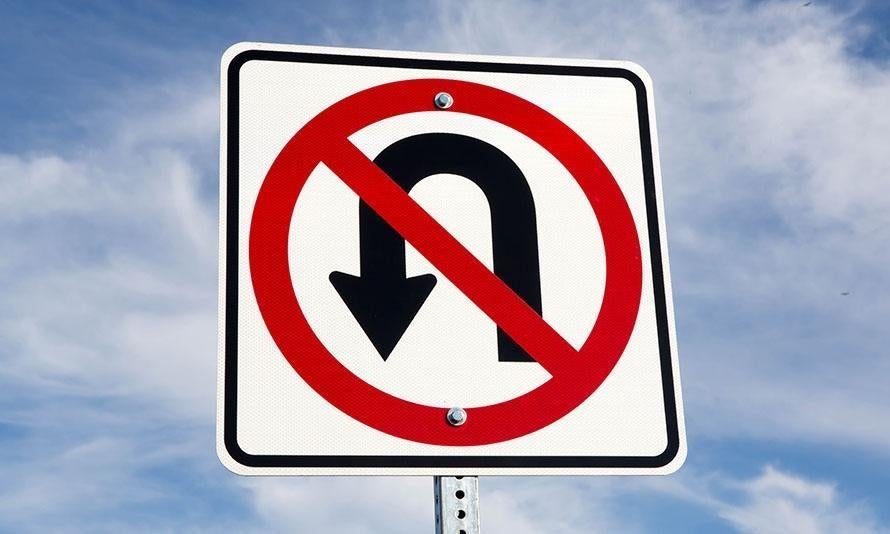
Negotiate a Personal Injury Settlement

How to Negotiate a Personal Injury Settlement in New York?

Anyone who has been hurt in an accident in New York caused by the negligence of another party has the legal right to seek compensation for their loss. Some personal injury cases get settled out of court after successful negotiation with the insurance company representing the party at fault. In cases where there is disagreement about the compensation being offered, the accident victim may decide not to settle and instead, proceed to go to trial to get their rightful due. Anyone who has been hurt in an accident in New York caused by the negligence of another party has the legal right to seek compensation for their loss. Some personal injury cases get settled out of court after successful negotiation with the insurance company representing the party at fault. In cases where there is disagreement about the compensation being offered, the accident victim may decide not to settle and instead, proceed to go to trial to get their rightful due. Going the court trial way is a highly time-consuming and costly process. Negotiating a voluntary settlement outside of court is therefore often viewed as an easier way to quickly resolve the case. If you choose this option to deal with your personal injury claim, it is important to make sure you get a fair value as compensation. General Procedure in a Settlement Negotiation in New York Soon after having sustained the personal injury, you must present a demand letter and other supporting documents to the insurance company. Following this, you will have to communicate with the insurance adjuster to discuss the strengths and weaknesses of the claims you have presented. The adjuster will then make their offer of settlement and this will typically be lower than what you have asked for in your demand letter. You will have to make a counteroffer that is lower than the amount you initially demanded, but higher than what the adjuster has offered. After some further bargaining, both parties may agree on a settlement amount that lies somewhere in between both their initial offers. Reasons Why Your Claim may be Diminished Insurance companies are generally reluctant to part with money and there are several reasons that a claims adjuster may quote to diminish the value of your claim. The most common ones include: You did not seek medical care immediately after the accident but waited for many days. You were also responsible for the accident and therefore, the insured person is not 100% liable for the damages you suffered. The injuries you suffered are not significant enough to justify the amount of time you took off from work. The cost or length of your medical treatment is unreasonable as per current standards. Your injuries are a mere aggravation of an already existing health condition or previous injury you suffered and therefore, not new. The compensation you are seeking for your pain and suffering is unreasonably high. Topics that may Come up During Negotiation During a settlement negotiation, insurance adjusters cover a wide range of topics, asking questions that seek to dispute the facts you have presented. These questions are more often than not designed to test how firm you are about the strengths of your case and also to limit the compensation you receive. The most common topics discussed during such negotiations include the following: How extensive were your injuries? Did they cause a disability or a long-term impact on your health and lifestyle? Who was liable for the accident? What was your contribution to the negligence that caused the injury? Does the insurance policy actually cover the accident? Were the medical treatment procedures and therapy you received really necessary to treat the injuries? Did you have any previous health condition that aggravated the current injury and caused you to sustain greater loss? Tips for a Successful Negotiation of Your Personal Injury Settlement in New York It is a good strategy to provide reasonable answers to the questions raised by an insurance adjuster during the personal injury negotiation settlement process. However, you must also stay alert to the fact that some adjusters may seek to make you settle for less than what is due to you by using unfair tactics. Here are a few tips to successfully negotiate your way to the personal injury settlement that is your actual due. Set a Minimum Settlement Amount in Your Mind At the time of preparing the demand letter for personal injury settlement, you are likely to have arrived at what you believe to be a reasonable range for the settlement amount. Before speaking to the insurance adjuster, make sure you have mentally decided on a minimum settlement amount. You don’t need to reveal this during the negotiations; it only serves as a tool to keep you focused on what is and isn’t acceptable to you. During the negotiation, it may become obvious that newly uncovered evidence or facts call for an upward or downward revision of this minimum amount. In such situations, do not blindly cling to your previous resolve; stay flexible to accommodate the new facts so that you get the best possible deal. Ask for More Information Adjusters may begin the conversation by making a very low offer. Often, this may be a tactic to check how well you know your case’s worth or to find out how desperate you are for a settlement. When faced with such a low offer, ask for specific information that justifies it and make a note of the points raised. Later, write to the adjuster and respond to each of these points, and wait to see if they are agreeable to what you suggest. Most adjusters in such situations realize that you are not someone who can be intimidated into accepting a low figure and this will force them to come up with a more reasonable settlement offer. Never Jump at the First Offer you Receive When the insurance adjuster makes their first offer, evaluate it to understand its real nature. Never quietly accept the very first offer that is made. Adjusters often make ridiculously low offers as a negotiating tactic to see how firm you are about the validity of your claims. If the offer is lower than what you expected but still, a reasonable one, make your counteroffer that’s slightly lower than your initial demand. This conveys openness to negotiation and with a little more effort, you should be able to bargain to reach a settlement figure that is agreeable to both parties. Draw Attention to the Emotional Aspects of the Case Make it a point to emphasize the emotional aspects of your case during the settlement negotiation. Refer to how badly smashed your car was, or highlight how your injuries prevented you from caring for a young child or elderly parents dependent on you. If an investigation threw up evidence of the at-fault driver being distracted or driving under the influence of alcohol, bring up these aspects to strengthen your arguments. Although it isn’t possible to put a price on such emotional issues, they can make an impact on the insurance company’s willingness to settle the claim. Be a Smart Negotiator After the initial discussion and your first counteroffer, wait until the adjuster communicates their decision. Never reduce your personal injury claim further until they make a better offer. Reducing your demand more than once sends is bad bargaining because it sends across a signal of your being desperate for a settlement. If the adjuster raises further points, examine them and see if they are valid, and then decide whether to accept their revised offer or to continue to hold your ground. Capture the Settlement Terms in Written Form After both parties reach an agreement on the settlement amount, have the insurance adjuster confirm it for you in writing. Write a letter stating the details that have been agreed upon such as the amount of the settlement, the damages it will cover, and the date by when you will receive the documents from the insurance company. This documentation will prevent any situation of the adjuster backing off at a later date. Engage an Experienced Personal Injury Attorney in NY A study conducted by the Insurance Research Council in 1999 showed that settlements tend to be about 3.5 times higher when the injured person engages a legal team to handle their case. This is quite a sizeable figure and can make a huge difference to the amount you are able to recover in damages. If your injuries are of a more serious nature and your claims run into tens of thousands of dollars, it is a good idea to engage the services of an experienced personal injury attorney. The presence of an attorney indicates that you are serious about pursuing your claims and quite willing to take the legal route to a trial and this ensures that the adjusters come up with far more reasonable offers of settlement. If you have suffered a personal injury in New York due to the negligence of another party, get in touch with our skilled personal injury attorneys at Rosenberg, Minc, Falkoff & Wolff, LLP. If you or a loved one have been hurt in a car or truck accident or suffered due to medical negligence or sustained a slip-and-fall accident, call our attorneys at 212-344-1000 or contact us online to schedule a free consultation. Whether it is negotiating with the insurance adjusters or even pursuing the case to trial, our team will help you build a case that’s strong enough to fetch you the maximum compensation that you rightfully deserve. Gary Silverstein Gary Silverstein has been a partner of Rosenberg, Minc, Falkoff & Wolff since 2001, and an associate of the firm since 1989. Mr. Silverstein graduated with a Bachelor of Science degree from State University of New York College at Oneonta in 1983. Mr. Silverstein holds a degree of Juris Doctor from the University of Miami School of Law, having graduated in 1988.
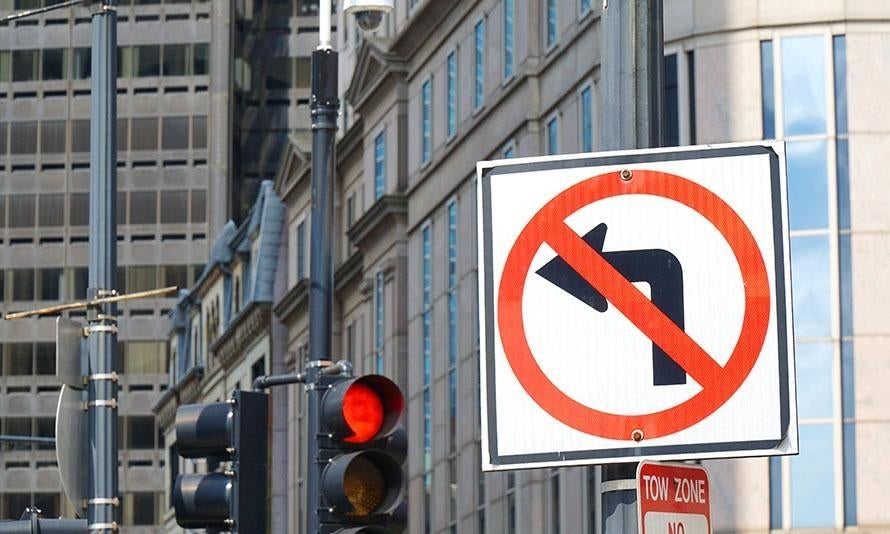
Liable For Your Pool Accident in New York

Who is Liable For Your Pool Accident in New York?

Swimming is an excellent form of exercise that can also help people unwind and relax. During the summer months, both kids and adults can have a fun time cooling down in the swimming pool. However, data from the Centers for Disease Control shows, drowning accidents are all too common, with at least one person getting killed from them every day. Swimming is an excellent form of exercise that can also help people unwind and relax. During the summer months, both kids and adults can have a fun time cooling down in the swimming pool. However, data from the Centers for Disease Control shows, drowning accidents are all too common, with at least one person getting killed from them every day. Of all these deaths, 77 percent of fatalities involve children aged below five years. Many children have a natural fascination for water, and little ones who wander close to a swimming pool may accidentally fall in unless there is someone to prevent them from doing so. This makes it critical for swimming pools to ensure adequate security to guard against such mishaps. Which Pool Accidents and Injuries are Likely in New York? Swimming pools can be the spot where several injuries occur. Although drowning is the most serious pool accident, there may also be cases of near-drowning, diving accidents, slip-and-fall accidents, and drain injuries. Swimming pools can be the spot where several injuries occur. Although drowning is the most serious pool accident, there may also be cases of near-drowning, diving accidents, slip-and-fall accidents, and drain injuries. Drowning According to the CDC data, children aged between 1 to 4 years of age are the most likely to drown in a swimming pool in their homes. Children of this age do not realize that the pool is a dangerous place and when left unsupervised, they may seek to get closer to the water and easily fall into the pool and drown. This makes it crucial that home swimming pools, especially the ones where young children live, must have protective measures such as fencing to restrict access to the pool. Near-drowning The CDC reports that non-fatal submersion injuries are far more common than drowning accidents. When a person spends a lot of time underwater before being rescued, they suffer oxygen deprivation, and this can lead to brain damage that may result in permanent physical and/or mental disability. Diving accidents A person who dives from high above the water surface may sustain a traumatic brain injury. Defects in the diving boards, an improper diving technique, or an insufficiently filled pool may lead to serious diving accidents in New York. Slip-and-fall accidents Areas surrounding the pool may easily grow wet and cause anyone walking there to suffer a slip-and-fall accident. These pool accidents may lead to major injuries such as bone fractures and spinal cord and brain injuries. To prevent such incidents, the area around a swimming pool must have a special non-slip surface. Drain injuries The drain of a swimming pool must be completely covered. If there is a problem with this, it is likely that a suction effect occurs in the pool, trapping child swimmers underwater. Drain injuries in New York can lead to damage of internal organs and soft tissues. What are the Common Causes of Pool Accidents in New York? Swimming pools are found in private homes as well as in public places such as hotels, recreation centers, and apartment complexes. The most common causes for pool accidents in NY include: Lack of pool maintenance Faulty equipment in the pool Unsafely designed pool Wet surfaces around the pool Lack of well-trained staff Lack of clear and visible warning signs How to Prevent Swimming Pool Accidents? When it comes to swimming pool accidents, prevention is the key to avoid tragic outcomes. The following measures can help to avoid such incidents: Follow the building code regulations and laws in your city that govern the requirements for swimming pools. Install the latest safety equipment to make sure your pool is safe for use. Make sure you have a protective fence and cover around the pool to keep unsupervised children away from the area. Stick to the guidelines advised for the type and height of the fencing around the pool. Invest in special alarm systems to alert you to human presence in the pool area. Do not leave children unsupervised near or inside the swimming pool. A very young child must be held when in the water; older children must be kept at arm’s length so that you can monitor their activity. Who is Held Responsible for an NYC Swimming Pool Accident? When it comes to swimming pool accidents in New York, there could be more than one party who may be responsible for the event. The particular circumstances will decide which of the following parties will be considered liable. Property owners: The owner of the swimming pool is basically responsible for its upkeep and must ensure that the pool is safe for use. So, in most pool accidents, it is the property owner who is considered responsible for the accident. In situations where a child has trespassed into the property too, the property owner is still considered accountable for the mishap. If the accident took place on the premises of an enterprise such as a fitness center, summer camp, school, or a daycare center, the owners of those enterprises will be considered liable for the accident. Pool service providers: If a pool service provider creates a dangerous situation when carrying out servicing of the pool, they may be held liable for a swimming pool accident that occurs during their presence. Equipment manufacturers: Any company that has manufactured the faulty equipment or supplied the materials and chemicals used in the swimming pool where the accident took place may be held responsible for it. What is Premises Liability in Relation to Pool Accidents? Premises liability refers to the part of the law that holds the owner of a particular property liable for any injuries that are sustained due to some dangerous conditions existing on that property. The person who owns a swimming pool is required to take care to maintain it in a manner that ensures the safety of people who use it. If the owner fails to live up to this responsibility and it causes an accident, they are guilty of negligence and will be held liable for the pool accident. This clause of premises liability can apply to: Private pool owners Commercial owners of pools located in health clubs or hotels or apartment complexes that are used by tenants or guests Persons who rent a property with a swimming pool Government bodies that operate swimming pools for use by the public or in schools. What are the Consequences of Swimming Pool Accidents? What are the Consequences of Swimming Pool Accidents? When someone who doesn’t know swimming falls into a pool accidentally, the most likely outcome is that they will drown and die unless rescued in time. Unlike what is commonly assumed, drowning is a very fast event and often, people who are drowning cannot call out for help and silently get dragged under the water. In cases where someone else is present at the pool and notices the drowning, there is a possibility of a rescue. Injuries from such accidents that involve near-drowning depend largely on how much time the person spent underwater without access to oxygen. Hypoxia or lack of oxygen supply can severely affect brain function. These swimming pool accidents may often lead to severe consequences with the most common effects manifesting in the form of: Slip-and-fall injuries that cause soft tissue damage or fractures of the wrist or arms or legs Neck injuries Spinal cord and brain injuries that may even cause paralysis Kidney problems Lung damage Liver damage Disabilities that affect the person’s ability to care for themselves Memory problems and learning disabilities Data from the CDC shows that more than half of all near-drowning victims who receive emergency treatment need further hospitalization and medical care. In cases where severe hypoxia has set in before the rescue, the victim may suffer a permanent loss of the ability to function and remain in a permanent vegetative state. Speak to a Skilled New York Swimming Pool Accident Lawyer Having your child injured or losing them in a swimming pool accident can be a devastating experience that leaves you grappling with unimaginable grief. Even as you struggle to cope with the incident, it is important that you initiate legal proceedings to hold the party at fault accountable for the damage they have caused. If your child has suffered a near-drowning accident that has left them badly affected, you could be facing a lifetime of medical and rehabilitation expenses. Under the law, you are entitled to seek damages for the swimming pool accident that was caused due to the negligence of the owner of the facility, and it is important that you fight to get the compensation you rightfully deserve. Claiming and receiving due compensation can be a long-drawn, complex process, and having a competent and experienced swimming pool accident attorney on your side will definitely help make the process an easier one. Our dedicated personal injury lawyers at Rosenberg, Minc, Falkoff & Wolff, LLP have several years of experience in dealing with swimming pool accidents in New York. We can help you identify the liable parties, interview eyewitnesses, collect all the necessary evidence and bring in the right investigators and medical and financial experts to prepare a strong case for you. Get in touch with us today at 212-344-1000 or contact us online to book your free consultation. Gary Silverstein Gary Silverstein has been a partner of Rosenberg, Minc, Falkoff & Wolff since 2001, and an associate of the firm since 1989. Mr. Silverstein graduated with a Bachelor of Science degree from State University of New York College at Oneonta in 1983. Mr. Silverstein holds a degree of Juris Doctor from the University of Miami School of Law, having graduated in 1988.

NYC Personal Injury Court Case

Steps Involved in an NYC Personal Injury Court Case

If you suffer injuries or monetary losses as a result of a third party’s actions (negligent or otherwise), you can bring a tort claim against them with the help of an NYC personal injury attorney and seek damages. The process of recovering damages through a New York City personal injury lawsuit generally involves several steps – each of which has its own procedural requirements. With the help of an experienced attorney, you can expedite the process to a great extent and recover the compensation you deserve. If you suffer injuries or monetary losses as a result of a third party’s actions (negligent or otherwise), you can bring a tort claim against them with the help of an NYC personal injury attorney and seek damages. The process of recovering damages through a New York City personal injury lawsuit generally involves several steps – each of which has its own procedural requirements. With the help of an experienced attorney, you can expedite the process to a great extent and recover the compensation you deserve. Steps Involved in a New York Personal Injury Case Filing a Summons and Complaint This is the very first step in filing a personal injury lawsuit in New York City. In this step, the personal injury attorney who represents you will file a summons and complaint with the court on your behalf. The complaint generally contains the name and date of the accident, the injuries you suffered, the legal basis for your claim, and other relevant facts. The summons informs the defendant (the person who caused the accident) why they are being sued and notifies them that they must respond to your complaint within 30 days. The purpose of filing a summons and complaint is to inform the defendant and the court what your lawsuit is all about. Once it is filed, the court will assign an index number to your case. It is a unique number which can be used to track your case. Serving the Summons and Complaint to the Defendant After filing the summons and complaint with the court, your attorney will serve a copy of the same to the defendant, so that they can respond to it. The case papers can be served in three ways. In Person Delivery – The complaint papers are personally handed to the defendant. Substituted Delivery – The complaint papers are handed to a third party who can hand them to the defendant. Conspicuous Delivery – The complaint papers are left in a place where they are most likely to be found by the defendant. A copy of the complaint is also mailed to the defendant’s address. Under New York law, a summons and complaint can be served by a process server or by any third party who is over the age of 18. It should be noted that anyone who is a party to the lawsuit is prohibited from serving the papers to the defendant. They are, however, allowed to accompany the person who serves the papers. If the papers are not served to the defendant in a timely manner or if they are not served in the right way (as mentioned above), the defendant can cite it as a reason – commonly referred to as bad service – and request the court to dismiss your case. If it happens, you have to start the process all over again. So, it’s fundamental to make sure your case papers are served in compliance with the law. The Answer to the Complaint Once the defendant receives the summons and complaint, they are required to respond to it within a period of time (usually 30 days). In their response – commonly referred to as the answer – the defendant will deny the allegations against them and state why they should not be held accountable for your injuries. In some cases, instead of responding to the complaint, the defendant might choose to request the court to dismiss the case – if they believe that there is a legal basis to do so. If the defendant does not ask the court to dismiss your case and fails to respond to your complaint within the stipulated period of time, your attorney can file a request with the court to obtain a default judgment. A default judgment can be issued in favor of the plaintiff (the injured party) in the absence of the defendant – if the latter fails to respond to the summons served to them. In rare cases, the defendant might respond to your complaint with what is called a counterclaim. A counterclaim – as the term indicates – contains claims against you – made by the defendant. It is essentially a reversal of the situation where the defendant accuses you of negligent or wrongful action. If you are served with a counterclaim by the defendant, you can respond to it – just like the defendant responded to your complaint – with the help of your NYC personal injury attorney. Discovery This is a key step in the litigation process where your side and the other side can exchange information which is relevant to the case so that you both know what you are up against. This is done to make sure one side does not blindside or ambush the other at the trial by producing a surprise witness or submitting hidden evidence which can stack the odds in their favor. Generally, there are four ways in which one side can get the information they want from the other side. These include: 1. Interrogatories Interrogatories are a set of questions that one side can send to the other side to get the information they need. The other side is required to respond to the questions in writing and under oath. The other side can also do the same to get the information they need. 2. Requests for Production One side can request the other side to produce copies of documents that are relevant to the case. 3. Requests for Admission One side can ask the other side to admit or deny a claim, allegation, or material fact related to the case. 4. Depositions A deposition is a process where the attorney representing a party can question the other party or the witnesses on their side in the presence of a court reporter. The person who answers the questions must do so under oath. The person who is being questioned has the right to object if they believe a question is improper or irrelevant to the case. How Your Social Media Posts Can Impact Your Case It is important to note that the defendant’s side will be carefully monitoring your social media accounts right from the day you file the claim. Even if you make your accounts private, the defendant’s side can still ask you to allow them to access your social media feed – if they believe that the information you have posted could be useful to the case. If you upload anything – pictures, videos, or posts – that contradicts your official statements regarding the accident and the injuries you suffered, the defendant’s side can use it against you and question the veracity of your claims against the defendant. Even something as innocuous as posting a picture of yourself in a happy mood with the caption ‘feeling great’ can be used by the defendant’s attorney to question whether you are really as injured as you claim to be. This is one of the important reasons why New York City personal injury attorneys generally ask their clients to stay away from social media until their case is settled or a verdict is delivered. Objecting to Discovery Under New York law, both the plaintiff and the defendant have the right to object to the discovery demands of each other – if they believe that the other side’s question or request is irrelevant to the case or asks for too much information, which they are not under obligation to provide. Demanding Response from the Other Side In case the defendant does not respond to a legitimate discovery demand from your side, your attorney can request the court to order the defendant to respond to your query. The court will – depending on the legitimacy of your discovery demand – order the defendant’s side to respond within a certain amount of time. If the defendant’s side fails to respond to your query even after being ordered by the court, your attorney will file a motion to hold the defendant in contempt of court. The defendant’s side too can do the same if you fail to respond to their queries during the discovery process. Physical Examination During the course of the discovery process, you might be asked to undergo a physical examination by a doctor of the defendant’s choosing. The purpose of this examination is to find out whether you are really injured and whether your injuries are as serious as you claim to be. Since the doctor who examines you will be looking for reasons to reject or reduce the value of your claim, you should avoid discussing the details of the accident with them. You should only tell them about the injuries you sustained or the physical and mental conditions you have developed as a result of the accident. Pre-Trial Negotiations Before your case goes to trial, your attorney and the defendant’s attorney will try to reach an out-of-court settlement. This is because the trial process can be expensive and time-consuming for all the parties involved. So, they will negotiate with each other and see if it is possible to find a middle ground regarding the outcome of the case. If your side and the defendant’s side manage to reach an agreement, the case can be settled without a trial. Your attorney – along with the defendant’s attorney – will prepare what is called a ‘stipulation of settlement’ – which both parties have to sign. It should be noted that the settlement agreement is legally binding on both parties. The defendant has to pay you the sum of money that they agreed to pay you during the pre-trial negotiations. Similarly, you have to voluntarily give up your right to sue the defendant for damages in the future. If the defendant fails to pay you the compensation even after signing the settlement agreement, your attorney will file a request with the court to make the defendant comply with the terms of the agreement. Trial If your attorney and the defendant’s attorney fail to reach an agreement, your case will proceed to trial. At the start of the trial, your attorney and the defendant’s attorney will be given the opportunity to make their opening statements. In their opening statement, your attorney will tell your side of the story, state relevant facts that can support your claim, and explain why you are suing the other party and why you deserve to be compensated. Similarly, the defendant’s attorney will tell their side of the story and explain why they cannot be held liable for your injuries. After making their opening statements, both attorneys will present the documentary evidence they have and call the witnesses to testify. The attorneys have the right to question each other’s witnesses. Once all the evidence is submitted before the jury, the attorneys will be given the opportunity to make their closing arguments. In their closing argument, your attorney will tell the jury about what happened to you as a result of the defendant’s negligence, how your injuries will continue to impact your life, and why you deserve the compensation you are asking for. In their closing argument, the defendant’s attorney will defend their client and tell the jury why their client cannot be held liable for their injuries. Once the closing arguments are made, the jury will deliberate for a period of time – which can be anywhere from a few minutes to a few days – after which they will deliver a verdict. If the verdict is in your favor, the jury will specify the amount to be paid as compensation by the defendant. If it is in the defendant’s favor, your lawsuit will be dismissed. If the losing side believes that there were factors at work that prevented them from getting a fair trial, they can file a motion with the court for a new trial. Similarly, if they do not agree with the verdict, they have the right to approach the appellate court and request to change or overturn the verdict issued by the lower court. NYC Personal Injury Claim – Why Your Legal Representation Matters As you can see, filing a claim against an at-fault party and recovering damages from them can be a tedious and time-consuming process. Even the slightest mistake or procedural lapse on your part can greatly affect your chances of recovering compensation. So, it’a critical to hire a skilled and accomplished NYC personal injury attorney who can accurately guide you through the litigation process and help you get the right amount of compensation you are entitled to. To learn more, c all Rosenberg, Minc, Falkoff & Wolff, LLP today at 212-344-1000 or contact us online for a free and confidential consultation. Gary Silverstein Gary Silverstein has been a partner of Rosenberg, Minc, Falkoff & Wolff since 2001, and an associate of the firm since 1989. Mr. Silverstein graduated with a Bachelor of Science degree from State University of New York College at Oneonta in 1983. Mr. Silverstein holds a degree of Juris Doctor from the University of Miami School of Law, having graduated in 1988.

Contact Us

Fill out this form below and we'll contact you shortly
*Required Fields