Request Free Consultation

Please fill out the form below for your free consultation or call us at 646-480-0830.

Request Free Consultation

No Fee Unless We Win

Blog / Truck Accidents

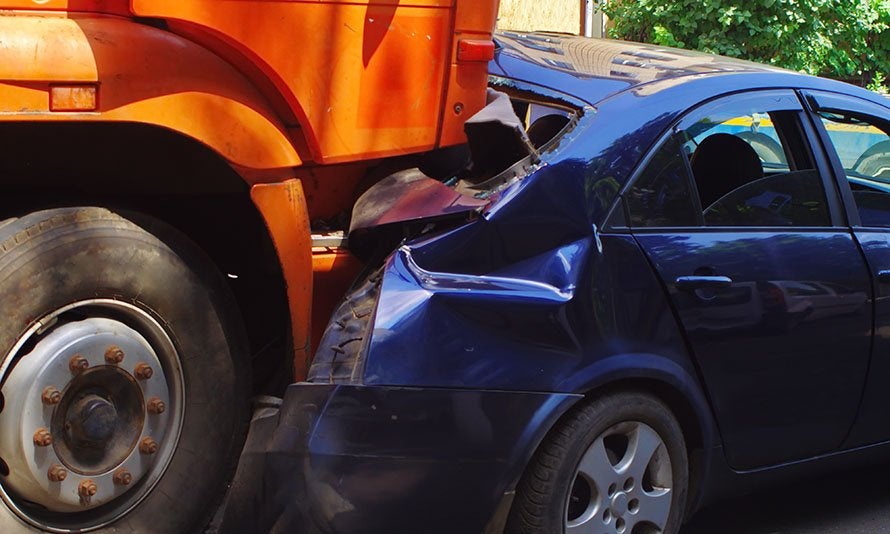
ROSLYN HEIGHTS: Mark Feldman Killed In Highway Car Accident After USPS Truck Crashed Into His Car On the Long Island Expressway

MAIL TRUCK MAY BE LIABLE FOR DEADLY ACCIDENT ROSLYN HEIGHTS, NEW YORK (July 22, 2016) 

News 12 Long Island is reporting that a 54-year-old man from Sands Point has died after a United States Postal Service (USPS) Mail Truck crashed into his car as he was pulled over to the shoulder of the Long Island Expressway. Police have been able to identify the man that was killed in the collision as Mark Feldman. Emergency medical workers rushed to the scene of the accident but were unable to revive him. He was later pronounced dead. Mark Feldman pulled over to the side of the highway after his car got a flat tire in Old Westbury. Once he exited his vehicle he was struck by the semi-truck. Authorities temporarily closed the expressway as they continued to look into the crash that killed Feldman.

HELPING THOSE IN NEED BY RAISING AWARENESS

If you or someone that you know has been affected by this accident, we will gladly help raise awareness of any gofundme campaign set up to support the victim or their family. We can link to it in this post which is then spread across our social media platforms. You can send your request to: gofundmerequest@gmail.com. The RMFW Law Firm extends its deepest sympathies to the family of  Mark Feldman. We know how devastating it can be to lose a loved one in a horrific accident like this. If there is anything that we could do for the family to make their lives easier during this incredibly difficult time, we would be glad to help 212-344-1000.


Robert Wolff

Robert H. Wolff is a member and partner of the prestigious New York City Personal Injury Law Firm of Rosenberg Minc, Falkoff, & Wolff, LLP. Mr. Wolff graduated from SUNY Albany, cum laude, in 1978 with a B.A. in Psychology and American History. Thereafter, he attended St. John’s University School of Law, where he was a member of the Moot Court Team and the Criminal Law Society, graduating in 1981 with a Juris Doctor’s degree.

Posted in:

Related Posts

The Complete Guide to New York Truck Accident Compensation Claims

The Complete Guide to New York Truck Accident Compensation Claims

A collision with an 80,000-pound commercial vehicle on New York City streets creates immense disruption. In the chaotic days following a crash on the Brooklyn -Queens Expressway, the Major Deegan, or a busy Manhattan cross street, you face intense physical pain, mounting medical bills, and lost wages. During this vulnerable period, the trucking company’s insurance adjuster often reaches out quickly with a settlement offer. Key Takeaways Commercial interstate motor carriers must carry $750,000, $1,000,000, or $5,000,000 in public liability coverage depending on cargo type and vehicle specifications under 49 CFR § 387.9, creating significant insurance resources for catastrophic injury claims. Insurance adjusters routinely extend early lowball settlement offers before injured victims reach Maximum Medical Improvement (MMI) to obtain a binding release of liability. Pursuing non-economic damages for pain and suffering requires establishing an objective serious injury under New York Insurance Law § 5102(d), but this is not conditioned on exceeding the $50,000 No-Fault basic economic loss limit. Commercial claims often involve multiple corporate defendants under respondeat superior and third-party liability, requiring immediate formal spoliation letters to preserve electronic logging and black box data. While an early payout sounds tempting, accepting that initial offer is almost always a serious mistake. Insurance carriers design early settlement offers to protect corporate profits, not your physical recovery. As experienced legal counsel representing injury victims across New York, we understand the tactics adjusters use and the complex calculations necessary to secure full justice. This ultimate guide explains how commercial truck accident claims work under New York law, why initial insurance offers fall dramatically short, and how you can protect your right to complete financial recovery. The Anatomy of an Early Settlement Offer Insurance companies operate as profit-driven businesses. When an accident occurs, their primary goal is minimizing payouts. Consequently, adjusters employ predictable strategies immediately after a crash to limit corporate liability. The Rush Before Maximum Medical Improvement Adjusters frequently present offers before you complete medical care or reach Maximum Medical Improvement (MMI). MMI represents the stage where your medical condition stabilizes and doctors can accurately predict future care requirements. The Platta Law Firm notes that adjusters routinely make initial settlement offers before a victim reaches MMI to exploit short-term financial pressure. Also, The Perecman Firm points out that commercial carriers push early offers to lock victims into binding liability releases before the true, long-term costs of their injuries become clear. Once you sign a release, you surrender all rights to seek additional compensation, even if you require unexpected surgeries later. Exploiting Financial Vulnerability Commercial collisions often cause catastrophic trauma requiring emergency hospital care and intensive rehabilitation. As missed workdays accumulate, personal bills pile up rapidly. Insurance adjusters know this financial reality. They dangle immediate checks knowing injured victims feel desperate for relief. However, accepting quick cash forces you to forfeit your future security. The initial money rarely covers ongoing physical therapy, prescription medications, specialized home care, or future earnings losses. Commercial Truck Insurance Limits vs Standard Passenger Policies Commercial truck collisions differ fundamentally from routine passenger vehicle crashes. The sheer physical size of commercial rigs creates massive impact force, resulting in profound bodily harm. Fortunately, commercial insurance policy structures reflect this heightened danger. Under federal regulations established by the Federal Motor Carrier Safety Administration in 49 CFR Part 387 and 49 CFR § 387.9, commercial interstate motor carriers must carry substantial public liability coverage. For-hire interstate motor carriers of nonhazardous property in vehicles with GVWR ≥ 10,001 lbs must maintain at least $750,000 in liability coverage under federal law. Plus, under 49 CFR § 387.9, carriers transporting certain hazardous materials must carry a minimum of $5,000,000 in public liability insurance, while others require $1,000,000. In contrast, standard New York private passenger vehicles carry much lower state-mandated liability minimums. Because commercial policies contain extensive coverage, insurance companies assign aggressive defense teams to suppress payouts from the start. Multiple Liable Parties in NYC Commercial Truck Accidents A standard car accident typically involves two drivers and their respective insurance companies. In contrast, commercial trucking claims feature multiple corporate entities. Each party may share legal liability under New York personal injury law. Direct and Vicarious Corporate Liability JTNY Legal highlights that commercial vehicle claims frequently involve multiple tiers of third-party vicarious and direct corporate liability. Under the legal doctrine of respondeat superior, an employer is legally liable for negligent actions an employee commits within the scope of employment. In a commercial crash, several entities might share legal fault: The truck driver for reckless driving, speeding, or fatigue The motor carrier for negligent hiring, improper training, or safety violations Freight shippers and cargo loaders for overloading or improper cargo securement Third-party maintenance contractors for failing to repair brakes or steering systems Freight brokers for contracting with carriers showing terrible safety records Each corporate entity maintains separate commercial liability insurance. An experienced Queens truck accident attorney investigates the entire commercial supply chain to identify every available policy layer. Critical Federal Safety Regulations and Evidence Preservation Commercial trucking companies must follow rigorous federal safety standards. When carriers violate these rules, their non-compliance serves as powerful evidence of corporate negligence. Federal Motor Carrier Safety Regulations Federal regulations mandate extensive recordkeeping for all commercial fleets. Under 49 CFR Part 391, motor carriers must maintain complete driver qualification files, including medical certifications, safety performance history investigations, and road tests. Additionally, 49 CFR Part 395 includes Hours of Service (HOS) rules and electronic logging device requirements to prevent driver fatigue. The Vital Role of Formal Spoliation Letters Crucial evidence in trucking accidents disappears quickly without immediate legal intervention. JTNY Legal emphasizes that electronic logging data, black box Engine Control Module (ECM) files, telematics, and onboard dashcam footage can be routinely overwritten within weeks. Therefore, a dedicated NYC personal injury lawyer immediately issues formal spoliation letters to the carrier, driver, and maintenance vendors. This legal demand requires defendants to preserve all electronic data, maintenance logs, inspection reports, and dispatch communications for forensic review. Overcoming New York No-Fault and the Serious Injury Threshold New York operates under a unique auto insurance framework. Navigating this statutory system correctly is essential to securing pain and suffering damages. Understanding Basic Economic Loss Under New York Insurance Law § 5102(a), every standard auto insurance policy provides up to $50,000 in No-Fault Personal Injury Protection (PIP) benefits. This basic economic loss coverage reimburses necessary medical treatment, prescription drugs, and a portion of lost wages regardless of fault. However, No-Fault insurance does not compensate you for physical pain, emotional trauma, or loss of life enjoyment. Given the high cost of medical care in New York City, $50,000 can be exhausted within a few days of hospital admission. Meeting New York Insurance Law § 5102(d) To pursue compensation for non-economic damages against the at-fault trucking company, your injuries must satisfy the statutory serious injury threshold under New York Insurance Law § 5102(d). Qualifying categories include fractures, significant disfigurement, permanent loss of use of a body organ or member, and significant limitation of a body function. Courts require objective diagnostic evidence, such as MRIs, CT scans, and quantified range-of-motion measurements. Early lowball settlement offers deliberately ignore your right to pursue non-economic damages under New York Insurance Law § 5102(d). Accurately Calculating Long-Term Damages in NYC Truck Cases Evaluating the true value of a commercial collision requires deep economic analysis. Catastrophic injuries cause lifelong repercussions that extend far beyond initial emergency room bills. According to Greenspan & Greenspan Injury Lawyers and JTNY Legal, calculating long-term damages in catastrophic commercial truck cases requires extensive economic valuation. A complete legal demand evaluates: Projected future surgeries, hospital stays, and ongoing specialist care Long-term physical and occupational rehabilitation Specialized home care assistance and necessary accessibility renovations Loss of future earning capacity and vocational displacement Physical pain, mental anguish, and permanent lifestyle limitations Your legal team works closely with board-certified medical experts, life care planners, and economic analysts to construct an airtight damages assessment. Combating Unfair Comparative Fault Allegations Under New York Civil Practice Law and Rules (CPLR) § 1411, New York applies a comparative fault framework. An injured party’s culpable conduct does not automatically bar recovery, but recoverable damages diminish in proportion to their allocated share of fault. The Platta Law Firm notes that insurance adjusters frequently attempt to assign disproportionate shared blame to injured victims during early negotiations. For instance, the adjuster might claim you followed too closely, failed to signal, or hesitated in an intersection. By inflating your perceived fault, the insurance company attempts to justify a deeply discounted settlement figure. A skilled Brooklyn truck crash attorney counters these baseless accusations using physical evidence, traffic camera footage, black box data, and accident reconstruction testimony. Step by Step: What to Do After a Commercial Truck Crash Protecting your physical health and your legal rights requires deliberate, disciplined action from the moment a collision occurs. 1. Seek Immediate Comprehensive Medical Attention Visit an emergency room or trauma center immediately. Even if your symptoms seem manageable, adrenaline often masks severe spinal trauma, internal bleeding, or concussions. Medical records provide the objective foundation for your claim. 2. Preserve Physical Evidence and Documentation If you are physically able, capture photos and videos of the vehicles, license plates, US DOT registration numbers, road debris, and street conditions. Retain all medical discharge papers, receipts, and correspondence. 3. Avoid Giving Recorded Statements to Insurance Adjusters The commercial insurer’s adjuster will contact you quickly, speaking with polite concern. Do not agree to a recorded interview and do not sign any documents without consulting counsel. Adjusters use casual conversations to elicit statements they can twist against you. 4. Consult a Dedicated NYC Personal Injury Lawyer Retaining experienced legal representation levels the playing field against billion-dollar trucking corporations. Your attorney manages all insurer communications, conducts a thorough liability investigation, and fights for the full compensation you deserve. Frequently Asked Questions Why do trucking insurers make early settlement offers? Insurers extend early offers to settle claims before victims reach Maximum Medical Improvement. This tactic limits the insurance company’s financial exposure and secures a binding release before the full cost of medical care is known. What makes commercial truck accidents different from standard car crashes? Commercial crashes may involve large vehicles and serious injuries, but 49 CFR Part 387 specifically governs financial responsibility requirements, not crash characteristics or injury severity. Also, these claims frequently involve multiple liable corporate entities, including motor carriers, freight shippers, and third-party maintenance contractors. How does New York No-Fault insurance affect a truck accident claim? New York No-Fault coverage provides up to $50,000 for basic economic losses like medical bills and limited lost earnings. To recover non-economic damages for pain and suffering, your injuries must satisfy the serious injury threshold under New York Insurance Law § 5102(d). Can I still recover compensation if the adjuster claims I was partially at fault? Yes. Under New York CPLR § 1411, comparative fault principles apply. Your compensation is reduced by your percentage of responsibility, but shared fault does not prevent you from holding negligent trucking companies accountable. How quickly must evidence be preserved in a commercial truck crash? Evidence preservation must begin immediately. Electronic logging devices, dashcam video, and black box data can be overwritten in weeks, making prompt legal spoliation letters vital to your case. Protect Your Rights with an Experienced NYC Personal Injury Lawyer Suffering an injury in a New York City commercial truck crash changes your life in an instant. You should not have to face corporate insurance giants and aggressive defense lawyers alone. Accepting a fast, low settlement leaves you financially responsible for future medical needs and long-term hardships. Our dedicated legal team brings extensive experience, resources, and compassion to every commercial vehicle case. We investigate every layer of liability, hold negligent carriers accountable, and fight for the maximum compensation available under the law. Contact our office today for a free, confidential consultation to discuss your case and learn your options. Sources Federal Motor Carrier Safety Administration, 49 CFR Part 387 Minimum Levels of Financial Responsibility for Motor Carriers New York State Senate, New York Insurance Law Section 5102 Definitions This article was drafted with AI assistance. Please verify all claims and information for accuracy. The content is for informational purposes only and does not constitute professional advice. Free Case Consultation Injured in an accident? Speak directly with an experienced NYC personal injury attorney at Rosenberg, Minc, Falkoff & Wolff. Your consultation is free, confidential, and risk-free. Start Your Free Case Review No obligation - No upfront fees - You don't pay unless we win Follow RMFW Law for legal insights and case results: Facebook Instagram X Pinterest Yelp YouTube Gary Silverstein Gary Silverstein has been a partner of Rosenberg, Minc, Falkoff & Wolff since 2001, and an associate of the firm since 1989. Mr. Silverstein graduated with a Bachelor of Science degree from State University of New York College at Oneonta in 1983. Mr. Silverstein holds a degree of Juris Doctor from the University of Miami School of Law, having graduated in 1988.


The Complete Guide to Modified Comparative Negligence in NY Truck Claims

The Complete Guide to Modified Comparative Negligence in NY Truck Claims

A collision with a commercial vehicle on a crowded New York road changes lives in an instant. The immense weight of commercial truck s creates devastating impacts, leaving injured drivers and passengers facing catastrophic injuries, mount ing medical bills, and lost wages. In these complex cases, understanding liability rules is essential for protecting your legal rights. Key Takeaways Under CPLR § 1411(b), enacted on May 26, 2026, plaintiffs in New York motor vehicle collisions are barred from financial recovery if assigned 51 percent or more of the fault. Plaintiffs assigned 50 percent or less of the fault retain proportional recovery under CPLR § 1411(b) for Article 51 motor vehicle cases only, with damages reduced by their allocated percentage of blame. The 2026 budget reform amended Insurance Law § 5102(d) to eliminate the 90/180-day category, requiring objective proof for serious injury threshold qualification. Pure comparative negligence remains intact under CPLR § 1411(a) for non-auto personal injury, property damage, and wrongful death claims. On May 26, 2026, Governor Kathy Hochul enacted Part EE of New York’s FY 2027 Budget legislation (S9008-C / A10008-C), introducing statutory motor vehicle tort reform that applies to actions commenced on or after enactment, as documented by legal analysts at Wilson Elser. This legislation fundamentally altered how New York courts resolve fault and compensation in commercial collision lawsuits. This guide covers how these major statutory updates impact your rights, who is affected, and the exact steps needed to protect your financial recovery. Understanding the Transition from Pure Comparative Negligence For decades, New York operated under a pure comparative fault system. Under this older framework, injured plaintiffs could recover financial damages regardless of their assigned share of blame, even if they were 90 percent responsible for a crash. The court simply reduced their monetary recovery by their percentage of culpability. The 2026 reform amended New York Civil Practice Law and Rules (CPLR) § 1411 by adding subsection (b). According to NYS Senate Open Legislation for CPLR § 1411(b), this amendment carves out motor vehicle personal injury actions governed by Insurance Law Article 51 from the state’s traditional pure comparative fault framework. As a top NYC personal injury lawyer, our firm regularly guides injured motorists through these shifting legal standards. Understanding how fault allocation now works is critical when pursuing claims against large trucking corporations and commercial delivery fleets. The Modified Comparative Fault Threshold for Motor Vehicle Claims Under newly added CPLR § 1411(b), New York established a modified comparative fault standard for motor vehicle personal injury actions. As detailed in legal analysis by Wilson Elser, a plaintiff in a commercial collision or auto claim is completely barred from recovery if their culpable conduct is greater than the culpable conduct of the defendant or the combined culpable conduct of multiple defendants. In practice, this creates a 51 percent fault bar threshold. If an injured motorist is assigned 51 percent or more of the responsibility for a crash involving a commercial truck, that motorist may recover zero compensation for personal injuries. Conversely, for plaintiffs assigned 50 percent or less of the fault in a commercial vehicle collision, financial recovery remains proportional under CPLR § 1411(b) for Article 51 motor vehicle cases only. As noted in an analysis by the Law Office of Jason Tenenbaum, the court reduces the total recoverable damages strictly by the plaintiff’s allocated percentage of culpable conduct. Example of the 51 Percent Fault Bar in a Commercial Collision Consider a scenario where an SUV collides with a commercial tractor-trailer making an improper turn on the Brooklyn-Queens Expressway. If a jury awards $1,000,000 in total damages but assigns 40 percent fault to the SUV driver and 60 percent fault to the truck driver, the plaintiff recovers $600,000. However, if the jury assigns 51 percent fault to the SUV driver for speeding, the plaintiff recovers nothing under CPLR § 1411(b). Where Pure Comparative Negligence Still Applies While motor vehicle personal injury claims now follow the modified 51 percent bar, the 2026 reforms did not eliminate pure comparative negligence entirely. Outside the Article 51 motor vehicle carveout, New York maintains pure comparative negligence for general non-auto personal injury, property damage, and wrongful death claims, according to NYS Senate Open Legislation for CPLR § 1411(a). Consequently, if an accident causes both severe bodily injury and total destruction of a vehicle, two separate legal standards may apply during settlement discussions: Personal Injury Claims: Governed by the 51 percent modified comparative fault bar under CPLR § 1411(b). Property Damage Claims: Governed by traditional pure comparative negligence under CPLR § 1411(a), allowing recovery reduced strictly by percentage of fault. Wrongful Death Claims: Evaluated under traditional proportional comparative fault rules outside the Article 51 bodily injury restriction. Updates to the Serious Injury Threshold Under Insurance Law § 5102(d) New York is a no-fault auto insurance state, requiring injured motorists to satisfy the statutory serious injury threshold before seeking non-economic damages for pain and suffering. The 2026 budget reform enacted significant changes to state tax thresholds, not NYC TLC thresholds. Specifically, the 2026 reform amended Insurance Law § 5102(d) to eliminate the 90/180-day non-permanent category from the serious injury threshold, restricting soft-tissue injury claims in motor vehicle and trucking litigation, as reported by Wilson Elser. Claimants can no longer qualify for third-party lawsuits solely by showing that a temporary impairment prevented them from performing daily activities for 90 out of the first 180 days following a collision. To pursue compensation from an at-fault commercial trucking carrier, injured claimants must now present objective medical proof satisfying remaining statutory categories, such as fractures, permanent consequential limitations, or significant disfigurement. Statutory Caps on Non-Economic Damages Under Insurance Law § 5104(d) The 2026 legislation also enacted strict limitations regarding certain driver behaviors. Part EE added Insurance Law § 5104(d), capping non-economic damages at $100,000 for at-fault injured claimants who were operating an uninsured vehicle, driving while impaired, or committing a felony at the time of the collision, as outlined in New York Department of Financial Services Insurance Circular Letter No. 3. Commercial trucking insurers and their defense attorneys aggressively investigate whether any of these statutory exclusions apply to reduce their overall payout exposure. Procedural Changes to Trial Structures and Pre-Judgment Interest In addition to substantive liability shifts, the 2026 reform introduced crucial procedural modifications for civil litigation. Procedurally, trial structures for motor vehicle collisions must now determine liability and the serious injury threshold prior to the calculation of damages, halting pre-judgment interest accrual until both fault and serious injury findings are made, according to legal commentary from Segal McCambridge Singer & Mahoney. Because commercial trucking defense teams frequently employ aggressive tactics to assign shared liability above the 50 percent threshold, establishing definitive liability early through accident reconstruction, electronic logging device data, and dashcam footage is more important than ever. Frequently Asked Questions How does the 2026 New York comparative fault law affect commercial truck accident claims? Under CPLR § 1411(b), an injured driver cannot recover non-economic damages in a motor vehicle personal injury lawsuit if they are assigned 51 percent or more of the fault, though PIP benefits remain available. If their share of fault is 50 percent or lower, their monetary recovery is reduced proportionally by their percentage of culpability. Can I still file a claim if I was partially at fault for a truck collision? Yes. As long as your fault does not exceed 50 percent, you are legally entitled to recover damages. For example, if you are assigned 25 percent fault and your damages equal $400,000, you can recover $300,000 from the at-fault commercial vehicle operator. What happened to the 90/180-day serious injury rule in New York? The 2026 budget legislation enacted by Governor Kathy Hochul removed the 90/180-day non-permanent category from Insurance Law § 5102(d). Motorists injured in truck collisions must now prove serious injury using remaining categories, such as fractures, disfigurement, or permanent functional limitations. Does the new 51 percent bar apply to property damage claims? No. Under CPLR § 1411(a), pure comparative negligence still governs property damage and wrongful death claims. A motorist who is 60 percent at fault can still recover 40 percent of their vehicle repair or replacement costs from the other driver. Next Steps After a Commercial Truck Collision in New York Navigating commercial vehicle litigation requires decisive action, thorough evidence gathering, and experienced advocacy under New York’s updated statutory framework. If you or a loved one has suffered injuries in a commercial truck collision, take these essential steps immediately: Seek Comprehensive Medical Evaluation: Document all physical injuries with objective diagnostic tests such as MRIs, CT scans, and X-rays to establish the serious injury threshold under Insurance Law § 5102(d). Preserve Electronic and Physical Evidence: Request the preservation of commercial truck black box data, electronic logging devices (ELD), dashcam footage, and maintenance logs before routine deletion cycles occur. Avoid Providing Recorded Statements: Do not provide recorded interviews or statements to commercial insurance adjusters without legal representation, as their primary goal is shifting fault above the 50 percent threshold. Consult an Experienced Legal Advocate: Partner with a dedicated attorney who understands how to counter defense fault-allocation strategies and build an undeniable case for full compensation. Sources New York State Senate, Civil Practice Law and Rules Section 1411 - Damages Recoverable for Contributory Negligence or Assumption of Risk New York State Department of Financial Services, Insurance Circular Letter No. 3 (2026): Statutory Amendments to Insurance Law Article 51 This article was drafted with AI assistance. Please verify all claims and information for accuracy. The content is for informational purposes only and does not constitute professional advice. Free Case Consultation Injured in an accident? Speak directly with an experienced NYC personal injury attorney at Rosenberg, Minc, Falkoff & Wolff. Your consultation is free, confidential, and risk-free. Start Your Free Case Review No obligation - No upfront fees - You don't pay unless we win Follow RMFW Law for legal insights and case results: Facebook Instagram X Pinterest Yelp YouTube Gary Silverstein Gary Silverstein has been a partner of Rosenberg, Minc, Falkoff & Wolff since 2001, and an associate of the firm since 1989. Mr. Silverstein graduated with a Bachelor of Science degree from State University of New York College at Oneonta in 1983. Mr. Silverstein holds a degree of Juris Doctor from the University of Miami School of Law, having graduated in 1988.
Brooklyn Truck Accident Attorneys

Brooklyn Truck Accident Attorneys: How Much are Most Truck Accident Settlements?

Truck accidents in Brooklyn, NY may result in devastating injuries, prolonged pain and suffering, and heavy financial burdens. Given the densely populated streets of Brooklyn, with neighborhoods like Downtown Brooklyn, Williamsburg, and Sunset Park teeming with traffic, truck accidents usually involve severe damages and complex liability issues. Settlements in truck accident cases vary widely, influenced by the severity of injuries and the determination of fault. Top legal representation from a seasoned Brooklyn, NY truck accident lawyer can make a key difference to the settlement amount you may be able to achieve from the negligent trucking company and their insurance carrier. Factors Influencing Truck Accident Settlements in Brooklyn Several key factors affect the value of truck accident settlements in Brooklyn: Severity of Injuries: Brooklyn truck accident settlements often reflect the severity of injuries sustained by the victim. Catastrophic injuries such as spinal cord damage, traumatic brain injuries, amputations, or permanent disabilities can lead to settlements in the millions due to the high costs of medical treatment and lifelong care. Lost Wages and Earning Capacity: Many Brooklyn residents rely on steady wages to support their families. When a truck accident results in missed work or permanent disability, settlements account for lost wages and diminished earning capacity. Pain and Suffering: Compensation for pain and suffering varies based on the physical pain endured, emotional trauma, and how the injuries impact the victim's quality of life. Courts and insurance adjusters consider how the injuries limit day-to-day activities in Brooklyn's vibrant and active neighborhoods. Liability and Comparative Negligence: Under New York’s pure comparative negligence rule, a victim's compensation may be reduced if they share some fault for the accident. For instance, if a Brooklyn pedestrian struck by a truck is found 20% at fault for jaywalking, their settlement would be reduced by that percentage. Insurance Coverage Limits: Trucking companies are required by federal law to carry significant liability insurance, typically with policies of $1 million or more. With that said, determining the liable party and accessing sufficient insurance coverage can complicate cases. Punitive Damages: In cases involving gross negligence, such as a truck driver operating under the influence of alcohol or drugs, punitive damages may significantly increase the settlement amount. Typical Settlement Ranges for Truck Accidents in Brooklyn Truck accident settlements in Brooklyn are correlated to the financial impact on the injured victim and their family. The negotiating skills and trial reputation of your Brooklyn, NY truck accident attorney also plays a significant role in influencing settlement amounts. Here is an in-depth look at how these settlements are categorized and the factors influencing their range. Minor Injuries -- $50,000 to $250,000 Truck accidents in Brooklyn that result in relatively minor injuries, such as whiplash, contusions, or lacerations may lead to settlements ranging from $50,000 to $250,000. These cases may involve limited medical treatment, such as visits to a local urgent care clinic or short-term physical therapy at facilities like NYU Langone Brooklyn or One Brooklyn Health. Settlements in this range typically cover: Emergency room visits and initial medical evaluations. Short-term lost wages for workers in Brooklyn’s service industries or small businesses. Pain and suffering related to the temporary disruption of daily life, such as missing family events in neighborhoods like Bay Ridge or Williamsburg. For example, a truck accident on Flatbush Avenue involving a cyclist who suffered minor scrapes and soft tissue injuries might settle for approximately $175,000 to account for medical bills, bike repairs, lost wages, and emotional trauma. Moderate Injuries -- $250,000 to $750,000 Moderate injuries often involve broken bones, fractures, or injuries requiring surgery, with settlements typically ranging from $250,000 to $750,000. These injuries frequently require extended care or rehabilitation at Brooklyn facilities like The Brooklyn Hospital Center or Mount Sinai Brooklyn. Factors influencing the settlement include: Medical costs for surgical procedures and follow-up care. The duration of recovery (which may result in prolonged absences from work) for professionals or blue-collar workers commuting from neighborhoods like Bushwick or Crown Heights. Ongoing pain, suffering, and emotional distress due to the inability to engage in normal activities, such as participating in Brooklyn's active cultural and community events. An example might include a construction worker struck by a delivery truck in Sunset Park, sustaining a fractured arm and requiring surgery. This case might settle for $500,000 to cover medical costs, rehabilitation, and months of lost wages. Severe Injuries -- $1 million to $2 million Truck accidents leading to severe injuries, such as spinal cord injuries, traumatic brain injuries, or complex fractures requiring multiple surgeries, generally settle for amounts between $1 million and $2 million. These cases often demand specialized medical attention at renowned institutions such as Maimonides Medical Center or Kings County Hospital Center. Factors driving the settlement amount include: Extensive medical bills for long-term care, such as physical therapy or cognitive rehabilitation. Lifelong implications of the injury, including loss of earning capacity for victims working in high-demand Brooklyn industries like tech startups or education. Non-economic damages for chronic pain, emotional trauma, and diminished quality of life, especially for families residing in tightly knit Brooklyn neighborhoods where community and activity are central to daily life. For instance, a teacher injured in a collision on the Brooklyn-Queens Expressway (BQE), suffering from a traumatic brain injury that prevents them from returning to the classroom, may receive a settlement close to $1.8 million to compensate for medical expenses, lost wages, and future care. Catastrophic Injuries or Wrongful Death -- $2 million to $10 million Settlements for catastrophic injuries, such as paralysis or amputations, or wrongful death claims, often exceed $2 million and can reach $10 million or more in Brooklyn. Catastrophic injuries require lifelong care and may involve modifications to a victim's home, as well as ongoing medical attention at facilities like SUNY Downstate Medical Center. In wrongful death cases, settlements compensate surviving family members for: Funeral and burial expenses. Loss of income, especially for families in dual-income households common in neighborhoods like Park Slope or Bed-Stuy. Emotional damages related to the loss of a loved one. For example, a wrongful death claim following a fatal accident involving a delivery truck in Prospect Heights may settle for $4 million, compensating the victim's spouse and children for their financial losses, emotional suffering, and loss of companionship. In Brooklyn, these settlement ranges reflect not just the injuries sustained but also the high cost of living, medical care, and economic losses that victims face. The borough's active lifestyle, close-knit communities, and the demands of daily urban living make fair compensation critical for restoring victims’ quality of life. Localized legal representation by experienced Brooklyn truck accident attorneys familiar with Brooklyn's unique dynamics ensures victims receive the maximum compensation they deserve. Examples of Truck Accident Settlements in Brooklyn, NY Cyclist Injured by Delivery Truck in Williamsburg A cyclist riding through Williamsburg on Kent Avenue was struck by a delivery truck making an illegal turn. The accident resulted in multiple fractures, including broken ribs, a fractured leg, and internal injuries. The victim required multiple surgeries at NewYork-Presbyterian Brooklyn Methodist Hospital, followed by extensive physical therapy. With mounting medical expenses and lost wages from an inability to work, the case settled for $750,000. This amount covered: The costs of surgeries and hospitalization at Brooklyn Methodist. Long-term physical therapy at local rehabilitation centers like the Brooklyn Spine Center. Lost income as the victim was unable to return to their job in the service industry. Multi-Car Pileup in Flatbush A family was involved in a truck-triggered multi-car pileup on Nostrand Avenue in Flatbush. The collision caused severe injuries to the family’s father, who sustained permanent spinal cord damage that left him paralyzed. After several months of treatment at Maimonides Medical Center, the family’s legal team filed a lawsuit against the truck driver and the trucking company for reckless driving and failure to maintain a safe distance. The case settled for $2.1 million, which included: Medical expenses for emergency room visits, spinal surgery, and long-term care. Costs for home modifications to accommodate the victim’s new disability. Future loss of income, as the father had been the primary breadwinner for the family. Compensation for the emotional toll on the victim’s wife and children, who now had to adjust to life with a disabled family member. Wrongful Death Lawsuit on the Brooklyn-Queens Expressway A tragic truck accident on the Brooklyn-Queens Expressway resulted in the death of a 42-year-old father of three, who was killed when his car was struck by an out-of-control commercial truck. The victim’s family, devastated by the sudden loss, filed a wrongful death claim. The truck driver was found to have been speeding in poor weather conditions, which led to the fatal crash. The case was settled for $3.5 million, compensating the victim’s surviving spouse and children for: Loss of income, as the victim had been employed as a senior manager at a prominent company in Brooklyn’s thriving tech sector. Funeral and burial expenses, which included a memorial service at a local funeral home in Sunset Park. Non-economic damages, covering the emotional distress, loss of companionship, and impact on the family’s future well-being. The emotional support provided to the family through Brooklyn’s tight-knit community during the trial, which played a role in the settlement outcome. Pedestrian Struck by Commercial Truck in Park Slope A pedestrian was struck by a commercial truck while crossing 7th Avenue in Park Slope, one of Brooklyn’s busiest neighborhoods. The pedestrian suffered severe injuries, including broken bones, internal bleeding, and traumatic brain injuries. The case went to trial after the trucking company denied liability, but ultimately the case was settled for $1.5 million. The settlement was used to cover: Surgery and rehabilitation at the renowned Brooklyn HealthWorks rehabilitation center. Ongoing medical care for the traumatic brain injuries and associated cognitive therapy. Compensation for the victim’s inability to work as a freelance writer, which impacted their income significantly. Loss of the pedestrian’s ability to engage in activities in the vibrant Park Slope community, where they had been an active member of several local groups. Truck Collision in Bushwick Resulting in Severe Leg Injuries In Bushwick, a truck crashed into a private car as it was attempting to make an illegal U-turn, leading to severe leg injuries for the driver. The victim required multiple surgeries to repair broken bones and was left with permanent scars and mobility issues. After negotiating with the truck company’s insurance provider, the case was settled for $950,000. The settlement covered: Medical bills for surgeries performed at Woodhull Medical and Mental Health Center. Long-term physical therapy to regain leg mobility, including rehabilitation at a nearby facility in East Williamsburg. Compensation for the significant loss of quality of life, as the victim could no longer participate in the neighborhood's community activities, including weekend festivals and athletic events. These examples highlight the wide range of settlements that truck accident victims in Brooklyn may receive, depending on the severity of their injuries and the circumstances of the accident. With the help of an experienced Brooklyn 18-wheeler accident lawyer, injured victims can seek justice and ensure they are compensated for both their physical and emotional suffering, as well as the financial losses they endure. How Local Brooklyn Factors Influence Truck Accident Settlements High Medical Costs Brooklyn’s proximity to some of the top healthcare facilities in New York City, such as NYU Langone Brooklyn and The Brooklyn Hospital Center, means that accident victims have access to world-class medical treatment. However, this typically comes with a high price tag. When a truck accident results in significant injuries that require immediate and ongoing medical attention, the cost of treatment can rapidly escalate. Injuries such as traumatic brain injuries (TBI), spinal cord injuries, and fractures can require surgeries, extensive physical therapy, and long-term rehabilitation, all of which contribute to a growing medical bill. Hospital Stays and Emergency Care: Patients in Brooklyn’s premier hospitals typically receive high-quality emergency care, but this often leads to elevated medical costs. Extended hospital stays or immediate surgeries in cases of severe injury can add up quickly. Long-Term Care Needs: For accident victims requiring ongoing treatment, such as physical therapy or long-term care (e.g., after spinal cord injuries or brain trauma), the costs can continue to increase for months or years after the accident. Specialized Treatments and Rehabilitation: Victims needing specialized care may be referred to rehabilitation centers or require advanced treatments like neuropsychological therapy or orthotic support. These treatments, often necessary for severe injuries, are expensive and are factored into settlement amounts. Impact of High-Quality Care: While Brooklyn’s medical facilities are world-renowned, they come with high fees. This can increase settlement amounts as victims may require treatments from top specialists who charge higher rates than those in other areas. Economic Impact Brooklyn's high cost of living significantly impacts the compensation process, especially when calculating lost wages and future earning potential. For accident victims who are unable to return to work or require modifications to their career due to a long-term disability, the compensation must account for not only the immediate lost income but also the long-term financial strain caused by the inability to maintain a livelihood. Given the high cost of living, settlements usually need to reflect a larger amount to fully cover the gap in earnings. Lost Wages and Current Income: If the victim is unable to return to work due to their injuries, the settlement will include compensation for the wages they would have earned if the accident hadn’t occurred. In high-cost areas like Brooklyn, this amount can be significant. Lost Future Earning Capacity: If an injury prevents the victim from returning to their profession entirely, or limits the amount they can work, settlements often include projections for lost future earnings. For example, a Brooklyn resident employed in a high-paying job in tech or healthcare could see a large reduction in earnings, which must be accounted for in their compensation. Higher Living Costs in Brooklyn: The elevated cost of living in Brooklyn means that the victim’s financial recovery needs to account for higher costs of housing, food, transportation, and general living expenses. These factors are considered when calculating both lost income and the long-term impact on the victim’s financial stability. Traffic Density and Complex Collisions Brooklyn’s roads are notorious for heavy traffic and congestion, especially along streets like Atlantic Avenue and the Brooklyn-Queens Expressway (BQE). These busy thoroughfares are common sites for truck accidents and often result in multi-vehicle collisions. In such cases, liability may not be straightforward, and determining fault requires careful investigation. This complexity can influence the settlement amount, as more resources must be devoted to building a strong case that clearly establishes who is responsible for the accident. Multi-Vehicle Accidents: Dense traffic increases the likelihood of multi-vehicle collisions, making it difficult to pinpoint exactly which party caused the accident. Determining whether the truck driver was at fault for tailgating, failing to yield, or another form of negligence requires extensive investigation. Role of Other Drivers: In multi-vehicle collisions, other drivers might be partially responsible for the crash, complicating the settlement process. For example, if another driver was driving recklessly or cut off the truck, both parties may share responsibility. This can affect the total amount the truck driver’s insurance company is willing to offer. Investigation of Liability: Determining liability in multi-vehicle accidents often requires detailed investigation, including obtaining dash cam footage, witness testimonies, and expert analysis. This increases the time, effort, and cost involved in the case, potentially leading to a higher settlement. Truck Company and Driver Liability: In addition to the individual truck driver’s actions, settlements may also factor in the liability of the trucking company that employs them. Issues such as improper maintenance, failure to comply with safety regulations, or insufficient driver training can significantly increase the total settlement amount. These local Brooklyn factors—high medical costs, a higher cost of living, and complex multi-vehicle collisions due to traffic congestion—play critical roles in determining truck accident settlements. The settlement amounts must ensure that victims are fully compensated for their medical expenses, lost wages, and the long-term financial and emotional toll the accident may have caused, while accounting for Brooklyn’s unique conditions. Challenges in Recovering Maximum Compensation in Brooklyn Truck Accident Cases Truck accident cases in Brooklyn are often complicated by multiple liable parties, including the truck driver, trucking company, vehicle manufacturer, or even the municipality responsible for road maintenance. Proving negligence requires thorough investigation, which may involve: Obtaining truck driver logs, maintenance records, and black box data. Consulting with accident reconstruction experts to establish fault. Navigating New York’s No-Fault Insurance rules, which can complicate claims for pain and suffering unless a “serious injury” threshold is met. Handling aggressive defense tactics from trucking companies and their insurers, who employ high-powered legal teams to minimize payouts. Get High-Powered Legal Representation from Our Brooklyn Truck Accident Lawyers If you have been injured in a truck accident in Brooklyn, trust the proven legal team at Rosenberg, Minc, Falkoff & Wolff, LLP to fight for the largest possible compensation you are entitled to. With over $1 billion won for injured New Yorkers, our top-rated semi-truck accident lawyers have the experience and expertise to handle even the most complex truck accident cases. Our firm, recognized by the New York Law Journal and awarded the "Top Personal Injury Lawyer" honor by Martindale-Hubbell, has been a trusted leader in personal injury claims for over four generations. With a remarkable success rate of over 95% for our clients, we are fully committed to getting you the maximum compensation possible. Our winning team will relentlessly pursue justice on your behalf, ensuring that your medical bills, lost wages, pain, suffering, and long-term needs are all accounted for. If you have been injured in a truck accident in Brooklyn, don’t wait—contact Rosenberg, Minc, Falkoff & Wolff, LLP today and let us start building your case. To schedule your free consultation, call us at 212-344-1000 or contact us online. Gary Silverstein Gary Silverstein has been a partner of Rosenberg, Minc, Falkoff & Wolff since 2001, and an associate of the firm since 1989. Mr. Silverstein graduated with a Bachelor of Science degree from State University of New York College at Oneonta in 1983. Mr. Silverstein holds a degree of Juris Doctor from the University of Miami School of Law, having graduated in 1988.