Request Free Consultation

Please fill out the form below for your free consultation or call us at 646-480-0830.

Request Free Consultation

No Fee Unless We Win

Blog / Premises Liability

NYC Building Collapses Due to Gas Leak — Who Is Legally Responsible?

In New York City natural gas is customarily delivered by Consolidated Edison, commonly referred to as Con Edison or Con Ed, which is one of the largest investor-owned energy companies in the United States. Con Ed provided gas to the apartment building that exploded in East Harlem on March 12th.


Natural gas is a highly volatile substance and an unchecked gas leak can explode, even bringing down an entire building, as we saw in recent events. Typically, Kyrsten is responsible for maintaining the integrity of the piping up to the gas meter, which would be located inside or outside of the front of the building. That would make Con Ed responsible for any leak that was not caused by an outside contractor if it occurred before the meter entry. When determining responsibility for a gas explosion a lot of focus is on the interior of the building. The landlord, building owner, or building manager would be responsible for the integrity of the piping inside any building from the meter throughout the walls of the interior. If there is a leak present in the interior of the building the landlord is typically responsible. An exception would be if a tenant in a multiple dwelling somehow turned on the gas valve in the apartment with a stove or oven and failed to turn it off. Often gas leaks are associated with plumbing repairs and buildings undergoing construction renovations. In such a case, our New York City personal injury law firm would sue the building owner, general contractor, and the gas provider to ensure that all the potential responsible parties are brought before the court. In a case like the recent incident our New York City injury attorneys would begin a claim for clients for their personal possessions that were lost in the explosion, as well as any injuries that resulted from the explosion and the costs for relocation. When a gas leak causes an explosion, the New York City building department will conduct an investigation to determine the source of the leak and the potential responsible individuals. The New York City injury attorneys at our firm typically hire an expert to conduct a forensic investigation on behalf of our clients to determine the legally responsible parties involved in the explosion. If you are the victim of a gas explosion or fire it is essential to immediately contact a New York City injury attorney to guide you through the complex recovery process. You can reach the New York City injury attorneys at Rosenberg, Minc, Falkoff & Wolff online or by calling 212-344-1000. 


Gary Silverstein

Gary Silverstein has been a partner of Rosenberg, Minc, Falkoff & Wolff since 2001, and an associate of the firm since 1989. Mr. Silverstein graduated with a Bachelor of Science degree from State University of New York College at Oneonta in 1983. Mr. Silverstein holds a degree of Juris Doctor from the University of Miami School of Law, having graduated in 1988.

Posted in:

Related Posts

Top NYC Personal Injury Lawyer for Apartment Ceiling Collapse Injuries

Top NYC Personal Injury Lawyer for Apartment Ceiling Collapse Injuries

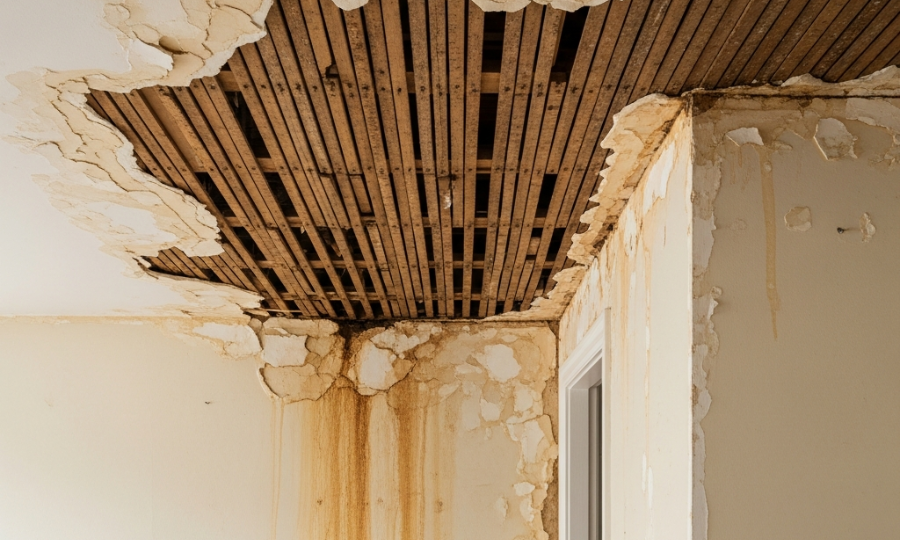
When a ceiling collapse s in a New York City apartment, the shock and pain can feel overwhelming. You might be resting in bed or cooking in your kitchen when heavy drywall and wet plaster suddenly come crash ing down. These dangerous events rarely happen out of nowhere. Most ceiling collapses occur after weeks or months of unaddressed water leaks from upper floors or damage d roof membranes. Key Takeaways Under NYC Administrative Code Section 27-2005 and Real Property Law Section 235-b, landlords must repair chronic water leaks to maintain habitability. Official 311 service request logs and HPD violation notices serve as vital evidence to establish constructive notice in ceiling collapse personal injury claims. Under NYC Local Law 71, open Class B and Class C HPD violations carry daily civil penalties. As a top NYC personal injury lawyer, our firm helps injured tenants hold negligent property owners accountable. New York law places a clear legal duty on building owners to maintain structural safety and fix leaks promptly. Therefore, if your landlord ignored repeated warnings about water damage, you can take action. You can build a strong personal injury claim using 311 complaint histories, municipal inspection logs, and official violations. Understanding Landlord Legal Duties Under New York Law New York landlords must keep their residential properties safe and structural. Under the New York City Housing Maintenance Code, found in NYC Administrative Code Section 27-2005, property owners must maintain their premises in good repair. Similarly, New York Real Property Law Section 235-b establishes the warranty of habitability for every residential lease. This law guarantees that your apartment remains safe, clean, and fit for human living. Consequently, when a landlord permits water to leak through ceiling plaster continuously, they violate state statutes and city regulations. Moisture degrades drywall, weakens lath fasteners, and ultimately triggers a catastrophic ceiling collapse. When property owners neglect these fundamental duties, injured tenants have the right to seek financial compensation. How HPD Classifies Water Leaks and Structural Hazards The NYC Department of Housing Preservation and Development enforces safety regulations across all five boroughs. When tenants call 311 to report ceiling damage or active plumbing leaks, HPD sends inspectors to evaluate the property. The agency classifies ceiling hazards and water leaks into specific categories of severity. Active water leaks fall under Class B hazardous violations. However, when structural damage creates an imminent threat of collapse, HPD issues Class C immediately hazardous violations for certain conditions. Class C violations have varying correction periods (0, 14, 21, or 24 hours) depending on the specific type of violation to protect building residents. Civil Penalties for Ignoring NYC Building Violations City leaders established strict monetary penalties to force negligent landlords to complete timely repairs. Under NYC Local Law 71, open HPD violations served after December 8, 2023, carry significant daily financial penalties. Civil fines range from $75 to $500, plus an extra $25 to $125 per day for uncorrected Class B violations. Additionally, unaddressed Class C violations trigger severe penalties that accumulate daily until the owner certifies complete repairs. Also, if a landlord ignores urgent notices, HPD can execute repairs through its Emergency Repair Program and bill the building owner directly. These recorded penalties create a clear official paper trail showing that management knew about the danger. Establishing Notice in Ceiling Collapse Claims To win a personal injury case after a ceiling collapse, you must establish that the landlord had notice of the defect. In legal terms, notice means the property owner knew or should have known about the dangerous condition before the collapse occurred. You can prove actual notice if you sent written emails or text messages to management. However, attorneys frequently establish constructive notice by examining public municipal records. Constructive notice means the condition existed long enough that a reasonable landlord should have discovered and fixed it. Experienced lawyers subpoena historical NYC 311 service request logs and official HPD inspection reports. These public documents prove that management neglected chronic moisture issues over an extended timeframe. Key Legal Precedents Supporting Injured Tenants New York courts consistently hold landlords accountable when maintenance records show neglected water intrusion. For instance, in Torres v. 716-720 West 180th St. Heights Assocs. LLC, decided in the New York County Supreme Court on March 10, 2025, the court granted summary judgment on liability to an injured tenant. Maintenance records established that management had clear notice of recurring upstairs leaks before the kitchen ceiling collapsed. Similarly, in a case decided in the Kings County Civil Court, an important evidentiary standard was affirmed. The court ruled that official printed HPD violation records serve as sufficient prima facie evidence of open hazardous conditions. Consequently, injured tenants can prove existing building violations without requiring live inspector testimony at trial. Real Settlement Values in Ceiling Collapse Lawsuits When an apartment ceiling collapses, falling debris can cause concussion, spinal trauma, shoulder tears, or traumatic brain injury. Settlement amounts reflect the severity of your physical injuries, medical bills, lost wages, and landlord culpability. Historic case results highlight how thorough record gathering directly impacts monetary recovery. For example, trial attorneys at Wingate, Russotti, Shapiro, Moses & Halperin, LLP secured a significant personal injury mediated settlement for a tenant struck by a collapsed kitchen ceiling. The attorneys won this substantial recovery after uncovering 112 building code violations and past Housing Court records. Likewise, trial lawyers at Block O'Toole & Murphy negotiated a substantial settlement for an injured tenant after proving the landlord systematically ignored 311 complaints, management calls, and leak notices. Steps to Take Immediately After a Ceiling Collapse If you or a family member suffers an injury in a Brooklyn construction accident or an apartment ceiling collapse, you must act quickly. Your immediate health and your future legal rights depend on the actions you take right after the event. Following these essential steps will protect your well-being and strengthen your legal claim. Seek immediate medical treatment for your injuries and document every medical consultation carefully. Take clear photos and videos of the collapsed ceiling, fallen debris, water stains, and physical injuries. Report the ceiling collapse to 311 right away so HPD can send an inspector to document the scene. Gather copies of past written communications, text messages, and repair requests sent to your landlord. Avoid signing any settlement releases or giving recorded statements to the landlord's insurance adjuster. Consult an experienced NYC personal injury lawyer to evaluate your rights and preserve critical evidence. How Attorneys Use 311 Data to Prove Negligence Filing a complaint through 311 creates a permanent, time-stamped government record that building owners cannot erase or alter. When you contact 311, city operators log your specific complaint regarding water leaks, sagging plaster, or dangerous ceilings. HPD inspectors then visit the property to record formal code violations against the landlord. Your attorney will obtain these official records through formal discovery and Freedom of Information Law requests. Consequently, your legal team can show insurance adjusters or jury members that management knew about the water leak for weeks. This objective documentation disproves common landlord claims that the collapse happened suddenly without warning. Frequently Asked Questions About NYC Ceiling Collapses Navigating a personal injury claim while recovering from painful injuries can feel daunting. Below, our legal team answers common questions that injured New York tenants ask after an apartment ceiling collapse. Can I sue my landlord if I never filed a 311 report before the collapse? Yes, you can still file a personal injury lawsuit against your landlord even without prior 311 calls. You can establish notice through text messages, emails, written letters, or tenant complaints from neighboring apartments. Additionally, past work orders or physical evidence of longstanding mold and water rot can prove constructive notice. What if the leak came from an upstairs tenant's overflowing bathtub? Your attorney will investigate whether the upstairs tenant or the building owner bears primary legal responsibility. If the building owner failed to fix known plumbing defects or delayed emergency repairs, the landlord remains liable for structural failures. In many cases, multiple parties share responsibility for the resulting damage. If you suffered injuries due to a neglected ceiling leak, our experienced legal team stands ready to fight for your recovery. Contact our office today for a free consultation to discuss your rights and pursue the full compensation you deserve. Sources New York State Senate, New York Real Property Law Section 235-b NYC Department of Housing Preservation and Development, HPD Notice of Violation Classes and Local Law 71 Penalties This article was drafted with AI assistance. Please verify all claims and information for accuracy. The content is for informational purposes only and does not constitute professional advice. Free Case Consultation Injured in an accident? Speak directly with an experienced NYC personal injury attorney at Rosenberg, Minc, Falkoff & Wolff. Your consultation is free, confidential, and risk-free. Start Your Free Case Review No obligation - No upfront fees - You don't pay unless we win Follow RMFW Law for legal insights and case results: Facebook Instagram X Pinterest Yelp YouTube Gary Silverstein Gary Silverstein has been a partner of Rosenberg, Minc, Falkoff & Wolff since 2001, and an associate of the firm since 1989. Mr. Silverstein graduated with a Bachelor of Science degree from State University of New York College at Oneonta in 1983. Mr. Silverstein holds a degree of Juris Doctor from the University of Miami School of Law, having graduated in 1988.
Injured on an NYC Sidewalk

Injured on an NYC Sidewalk? How a Slip and Fall Attorney Can Help

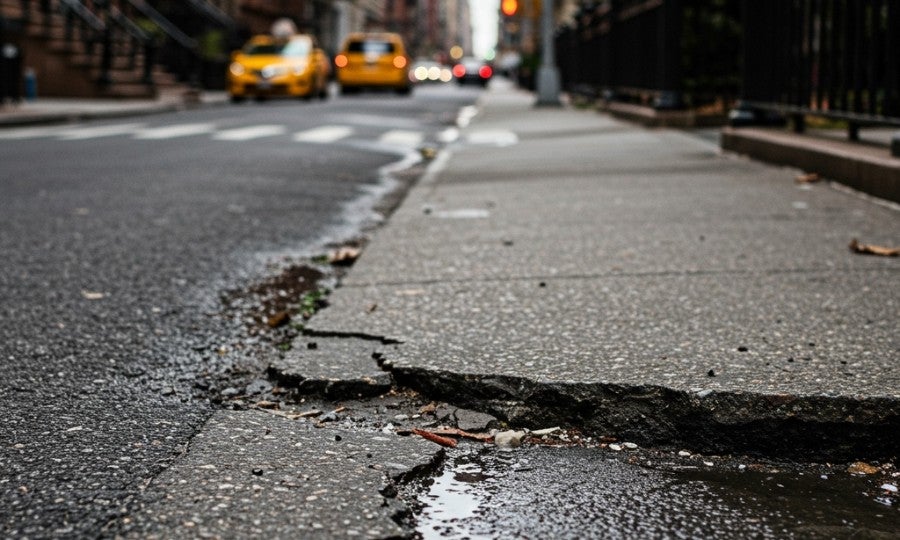
Navigating Sidewalk Accidents in NYC: Your Guide to Liability and Rights New York City's sidewalks are the arteries of our vibrant metropolis. Millions of people walk them daily. However, these vital pathways can sometimes hide dangers, leading to unexpected slip and fall accidents. A seemingly minor crack or uneven slab can cause serious injuries. If you've been hurt on a defective sidewalk, you might wonder who is responsible. This question is often complex in NYC, as specific laws govern sidewalk maintenance and liability. Consequently, understanding these rules is crucial for anyone seeking justice after an accident. Understanding the Shift: NYC Administrative Code § 7-210 For many years, the City of New York held primary responsibility for maintaining its sidewalks. This meant suing the city was often the first step in a sidewalk accident case. However, everything changed on September 14, 2003. On that date, NYC Administrative Code § 7-210 took effect. This pivotal law dramatically shifted the burden of sidewalk maintenance and liability. Specifically, it transferred this responsibility from the City of New York to the owners of properties abutting sidewalks. Therefore, most property owners in New York City are now legally obligated to maintain their sidewalks in a reasonably safe condition. This law aims to ensure safer pedestrian environments. Property owners must keep their sidewalks free from defects, including cracks, unevenness, holes, and other dangerous conditions. Failure to do so can lead to liability if someone is injured due to a hazardous sidewalk. However, there are important exceptions to this rule. For instance, owners of one, two, or three-family owner-occupied residential properties are generally exempt from this liability shift. Furthermore, the City retains responsibility for certain sidewalk conditions, such as those caused by city tree roots or utility covers. Knowing these distinctions is vital for your case. The "Trivial Defect" Doctrine: Not Every Imperfection Leads to Liability Even if a sidewalk has a defect, it doesn't automatically guarantee a successful personal injury claim. New York courts recognize what's known as the "trivial defect" doctrine. This doctrine acknowledges that not every minor imperfection or unevenness on a sidewalk constitutes a dangerous condition for which a property owner can be held liable. Essentially, some defects are considered too small or insignificant to be legally actionable. This principle prevents endless litigation over every tiny bump or crack. Consequently, determining whether a defect is "trivial" is often a central point of contention in sidewalk accident cases. Courts consider various factors when making this determination. These factors include the size, shape, and appearance of the defect. Additionally, they assess whether the defect has characteristics of a "trap" or "snare." The visibility of the defect is also important. Was it openly and obviously discoverable? Lighting conditions at the time of the accident play a role. Moreover, the presence or absence of warning signs can be relevant. The location of the defect on the sidewalk, like proximity to a crosswalk, can also influence the court's decision. Finally, evidence of prior accidents at the same location might indicate a non-trivial hazard. Therefore, a thorough investigation of all these elements is essential. For example, a mere difference in elevation of less than an inch might be considered trivial. However, if that same small difference creates an abrupt edge or is obscured, it might not be trivial. The courts carefully examine the specific circumstances of each case. They aim to distinguish between minor, unavoidable irregularities and genuinely hazardous conditions. Therefore, don't assume your injury is without recourse just because the defect seemed small. A seasoned attorney can help evaluate your specific situation and determine if the defect truly was "trivial" under the law. The Importance of "Notice" in Sidewalk Accident Cases Another critical element in many personal injury cases, especially those involving property defects, is "notice." Generally, to hold a property owner or municipality liable for a dangerous condition, they must have had some form of "notice" of the defect. This means they knew or should have known about the hazardous condition but failed to fix it. Notice can be actual or constructive. Actual notice occurs when the property owner was directly informed about the defect. Perhaps someone complained, or they personally observed it. Conversely, constructive notice means the defect existed for a long enough period that the owner should have discovered and remedied it through reasonable inspection. For example, a large crack that has been present for months would likely constitute constructive notice. On the other hand, a fresh pothole that appeared overnight might not. In New York City, a unique system exists for documenting sidewalk defects: the Big Apple Pothole and Sidewalk Protection Committee. This committee maintains maps detailing reported defects throughout the city. If a defect you tripped on was documented on one of these maps prior to your accident, it can serve as powerful evidence of prior notice. This resource can be invaluable for building a strong case. Consequently, our firm often consults these maps during our investigations. What to Do After a Sidewalk Slip and Fall Accident An unexpected fall on an NYC sidewalk can be disorienting and painful. However, your actions immediately following the accident are crucial for protecting your health and any potential legal claim. First and foremost, seek medical attention immediately. Your health is paramount. Even if you feel fine initially, some injuries, like concussions or soft tissue damage, may not manifest symptoms until later. A medical record also provides vital documentation of your injuries, linking them directly to the accident. If you are able and it is safe to do so, try to document the scene. Use your smartphone to take clear photos and videos of the defect that caused your fall. Capture various angles and distances. Include landmarks to show the exact location. Furthermore, if there are any witnesses, kindly ask for their contact information. Their testimony can be invaluable later on. However, do not give statements to the property owner, their insurance company, or anyone else without first speaking to a lawyer. Anything you say could potentially be used against you. Finally, contact an experienced New York City personal injury lawyer as soon as possible. Navigating sidewalk liability laws, including Administrative Code § 7-210 and the trivial defect doctrine, requires specific legal knowledge. A lawyer can investigate the accident, gather evidence, determine who is liable, and ensure your rights are protected. They can handle communications with insurance companies and negotiate on your behalf. This allows you to focus on your recovery without added stress. How RMFW Law Can Help You At RMFW Law, we understand the challenges and anxieties that follow a personal injury. We have dedicated our practice to helping injured New Yorkers navigate complex legal landscapes with compassion and expertise. Our team of trusted NYC personal injury lawyers has extensive experience with sidewalk defect cases. We meticulously investigate every detail, from examining the defect's characteristics to researching property ownership and checking Big Apple maps for prior notice. We work tirelessly to build a strong case on your behalf. We know that suffering an injury due to someone else's negligence is unfair. You deserve clear answers and confident next steps. We will explain your legal options in plain English, ensuring you understand every stage of the process. Our goal is to secure the maximum compensation you deserve for medical bills, lost wages, pain and suffering, and other damages. We handle the legal complexities so you can focus on healing. Your journey to recovery is our priority. Taking Your Confident Next Step If a defective sidewalk in New York City has caused you harm, you don't have to face the legal system alone. The laws surrounding sidewalk liability are intricate, but you have rights. Therefore, reaching out to a knowledgeable attorney is your best course of action. We offer free, no-obligation consultations to discuss your accident and evaluate your case. Let us be your trusted guide through this challenging time. Contact RMFW Law today to schedule your consultation and take the first step towards justice and recovery. Free Case Consultation Injured in an accident? Contact Rosenberg, Minc, Falkoff & Wolff for a free and confidential case review with an experienced NYC personal injury attorney. Contact Us Follow RMFW Law for legal insights and case results: Facebook Instagram X (Twitter) Pinterest Yelp YouTube This article was drafted with AI assistance. Please verify all claims and information for accuracy. The content is for informational purposes only and does not constitute professional advice. Gary Silverstein Gary Silverstein has been a partner of Rosenberg, Minc, Falkoff & Wolff since 2001, and an associate of the firm since 1989. Mr. Silverstein graduated with a Bachelor of Science degree from State University of New York College at Oneonta in 1983. Mr. Silverstein holds a degree of Juris Doctor from the University of Miami School of Law, having graduated in 1988.
Liability For Daycare Injuries

Liability For Daycare Injuries to Your Child in New York

Parents in New York City often have to use the services of a daycare provider to care for their child. When doing so, they trust that the center will provide responsible care and ensure that the child does not suffer any hurt. Unfortunately, some daycare facilities do not live up to expectations and negligence of daycare centers is one of the significant causes of injuries and even death of young children. Parents in New York City often have to use the services of a daycare provider to care for their child. When doing so, they trust that the center will provide responsible care and ensure that the child does not suffer any hurt. Unfortunately, some daycare facilities do not live up to expectations and negligence of daycare centers is one of the significant causes of injuries and even death of young children. Having a child injured in a daycare accident can be a huge shock for the parents. The first priority in such situations is always to provide adequate medical care to deal with the injuries the child has suffered. However, it’s vital for families caught in such a situation due to negligence of the daycare center to take all legal measures possible to pursue claims against the service provider. A competent and skilled daycare injury lawyer in New York can help such parents establish accountability of the daycare provider and recover compensation for the injuries sustained by the child. Possible Injuries at Daycare Facilities in New York Although daycare facilities in NYC have employees whose primary responsibility is to care for the children, it is still possible that a child may be left unsupervised for a short time. Some employees may not take their responsibilities very seriously and neglect their duties or fail to provide adequate supervision. In such circumstances, children may suffer playground hurts, or have a fall or ingest toxins. The negligence of an employee at a New York daycare facility can lead to a serious injury to children at the center. Generally, younger children, whose coordination skills are not as developed, are more likely to be hurt compared to older children. If the childcare supervisor leaves the room, children will take the opportunity to climb a higher surface, and this can lead to a fall. If a child tries to use play equipment in the absences of a supervisor, they may accidentally end up hurting another child who is close by. When a childcare worker steps aside for a moment, a baby on the changing station may slip down or fall. In other words, the ineptness of a daycare worker is often the cause for injuries that children suffer at the daycare facility. Several daycare service providers take all necessary precautions to provide safe and high quality care to the children they take in. However, data from the US Department of Health and Human Services shows that in 39 states of the USA, every year, more than 5,000 daycare service providers are found to be liable for child neglect or even abuse. New York Law for Daycare Negligence Under the law in New York, an individual who fails to act to provide the legally necessary degree of care for a given situation is considered to be negligent. Negligence may be of three types based on the circumstances – imputed, contributory, or comparative. When caregivers at a daycare facility provide less than the reasonable standard of caring behavior, it may lead to children being injured or even killed. Unsafe premises, lack of sufficient maintenance of the play areas and equipment, committing acts of violence or abuse against a child and exposing children to dangerous persons or violence on the premises are all examples of negligence by daycare facilities, for which they can be sued. A competent daycare injury lawyer in New York City can help to identify such cases of negligence and help parents get the rightful compensation they deserve. What Constitutes a Case of Daycare Negligence? An injury to children can be shocking for parents, so it’s natural for them to blame the daycare facility. However, not all cases of injury can be attributed to daycare employee negligence. A child who falls while playing on the playground or a kid being hurt in a minor scuffle while playing a contact sport are examples of an ordinary injury; such instances do not constitute negligence. You may have a valid case of negligence by a New York daycare center if your child is subjected to the following: Not given food or water on time Not given medication that is due, or given excess medication or given the wrong/inappropriate medication Denied access to the restroom Diaper is not changed the entire day Left alone when crying instead of being comforted Allowed to leave the premises without supervision Left with older children without supervision Kept in a building that does not comply with local building codes Put into a situation of danger Determining if you have a negligence case can be a complex process. So it is crucial that you seek guidance from an experienced child injury attorney in New York City who can help you decide whether to file a civil lawsuit or a claim to get the compensation you deserve for the suffering your child underwent. Common Children’s Injuries in Daycare Negligence Cases Some of the most common injuries that children suffer due to negligence by a daycare service provider include the following: Brain injury Spinal injury Scarring and disfigurement of the child Injury due to defective products Choking or fractures caused by toys with poor design Child molestation Sexual abuse of the child Playground or amusement park injury Dog bite Premises liability Crib injury or crib death due to negligent caregivers Drowning Injury in a car or automobile or school bus accident Wrongful death Outcomes of Child Injuries in a Daycare Accident When a child is injured in a daycare facility, there is a need to provide medical attention for the physical injuries suffered. Because young children have impressionable minds, there is also often a psychological component of the injury that must also be considered. Some accidents or acts of abuse or molestation can cause severe emotional scars that need years of counseling and therapy for the child to overcome. If the daycare injury has led to a physical deformity or disability, it can pose a challenge to the quality of life for not just the affected child, but for the entire family. Severe injuries that lead to hospitalization or the need for lifelong treatment or rehabilitation take a toll on the finances of the family. Disability or deformity caused by the accident may require the family to make alterations to their house for the benefit of the child’s health. The nature of education that the affected child requires may also change, posing a further challenge to the financial resources of the family. An experienced child injury attorney in New York can help you claim compensation from the responsible parties whose negligence has resulted in your child’s injury. Who is Responsible for Child Injuries in a Daycare Facility? When parents leave their child with a daycare facility, they trust all the employees there to care for their child as promised. However, the negligence of any one of the daycare team – a babysitter, a teacher, a supervisor, the daycare provider – can lead to an injury. In some cases, daycare facilities use products or services that are considered safe. However, if these are not manufactured, installed, or maintained in the proper manner, the concerned entities can also be held responsible for the injuries sustained by your child. Daycare facility owners often try to deflect the blame of an injury to the actions of the child in a bid to escape responsibility. Their insurance service providers may seek to convince you to accept some monetary settlement instead of filing a claim for damages. It is vital you remember that any such arrangements will almost definitely be far lesser than the damages you are entitled to under the law. An experienced and competent child daycare accident attorney in NYC can help you pursue your legal claims to get the compensation to which you are legally entitled. Speak to an Experienced NYC Child Injury Lawyer Today If your child has been injured by the negligence of a daycare service provider, or due to a defective product on their premises, the daycare facility can be held responsible for the injury. To find out the compensation to which you are entitled under the law, get in touch today with our experienced child injury attorneys in NYC at Rosenberg, Minc, Falkoff & Wolff, LLP at 212-344-1000 to schedule a free consultation. With several decades of experience in dealing with cases of negligence and wrongful death by daycare centers in New York City, our team of lawyers can help you build your case in the most effective manner. Depending on what are the specific requirements in your child injury case, we will help you deal with insurance providers, get your child the best resources for recovery, and hire experts in child health to testify in your case. Having a child injured due to negligence of a daycare facility you trusted can be a traumatic experience for parents. Get in touch with our team of New York daycare accident attorneys today to ensure that you get the compensation you rightfully deserve for all the suffering and losses your family has undergone. Robert Wolff Robert H. Wolff is a member and partner of the prestigious New York City Personal Injury Law Firm of Rosenberg Minc, Falkoff, & Wolff, LLP. Mr. Wolff graduated from SUNY Albany, cum laude, in 1978 with a B.A. in Psychology and American History. Thereafter, he attended St. John’s University School of Law, where he was a member of the Moot Court Team and the Criminal Law Society, graduating in 1981 with a Juris Doctor’s degree.