
Request Free Consultation

Please fill out the form below for your free consultation or call us at 646-480-0830.

Request Free Consultation

No Fee Unless We Win

Blog / Slip and Fall

How do I calculate the slip and fall knee injury

calculate the slip and fall knee injury

How do I calculate the slip and fall knee injury average settlement amount?

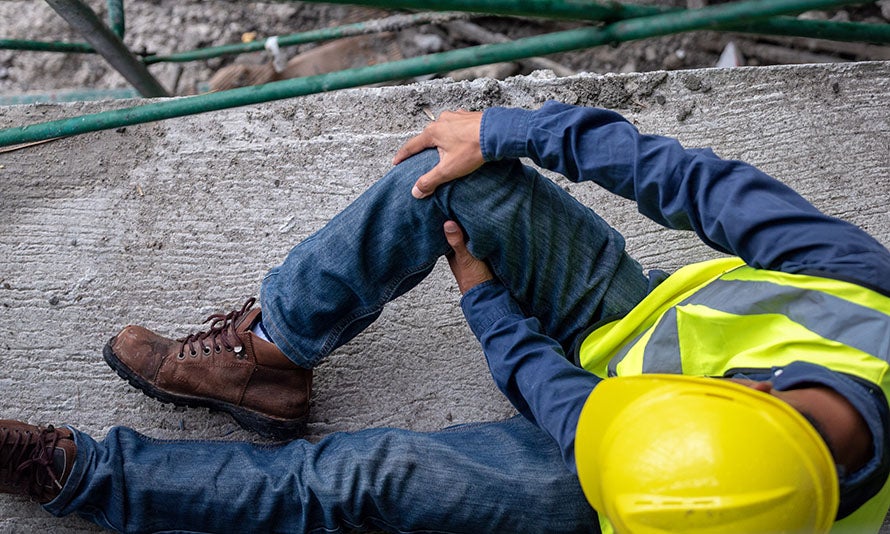
You may qualify for filing a personal injury lawsuit if you have suffered a knee injury in a slip and fall accident because of the careless and negligent actions (or inactions) of another person. An overriding question most plaintiffs have is what their knee injury settlement is worth. While there is no standard answer to this question, understanding the basic parameters involved in the settlement calculation can help you plan for the future in a better manner.

Knee injuries from slip and fall accidents can sometimes be minor. Based on this, if you had a severe fall, you may end up with a possible lifelong injury, which can impair your quality of life, and even prevent you from working to your full capacity in future. In such situations, a financial settlement can not only help you pay your medical bills, but also allow you to recover from the financial blow of lost income apart from compensating you for your pain and suffering.

A proven personal injury attorney in New York will have the necessary resources and employ the right legal devices to get you maximum possible settlement.

Every Slip and Fall Settlement is Unique

It’s vital to note that each personal injury settlement is unique and the compensation amount can vary depending on the level of injury and the circumstances surrounding it. There are many knee injury settlement calculators online that claim to provide an “accurate” determination.

In reality, these calculators fail to consider the numerous factors involved. You can have a better understanding of the different factors influencing the settlement amount by speaking with a slip and fall attorney.

These are a few considerations taken into account by attorneys, insurance companies, jury, and the judge when determining a fair compensation amount:

Severity of Injury

An important determining factor during the final settlement amount is the level of your injury and the severity of the fall. Severe injuries require more medical care as compared to minor ones. You may need long-term physical and rehabilitation therapy. In some cases, knee injury patients also need braces and other equipment to help them walk.

Pre-Existing Conditions

In a personal injury settlement, a plaintiff recovers less money if they have any pre-existing condition. The settlement amount will be reduced by the percentage of injury you already had. In short, you will only be compensated for the injury or the worsening of a particular condition because of the slip and fall accident.

Your Liability

If your claim goes to trial, the judge and jury will determine whether you had any role in the injury. Your compensation amount will be reduced by the percentage share of your fault in contributing to the injuries. This is where hiring a solid and tough personal injury attorney comes in useful. Your attorney will negotiate and argue on your behalf to minimize your share of responsibility for the accident.

In most cases, personal injury claims get settled out of court. If you are not to be blamed for the injury at all, you may be able to secure a large settlement. Insurance companies are aware that injured parties rarely have experience in handling negotiations or enough resources to delay getting a settlement. They routinely try to trick claimants into accepting a low-ball settlement offer.

The best way of obtaining a complete and fair value for your knee injury is to work with a qualified attorney. Your premises liability attorney will complete the negotiations on your behalf to get a fair settlement amount. Trials can take years before a verdict is reached. This is why most personal injury attorneys prefer reaching a settlement agreement.

Factors that Can Increase the Settlement Amount

There are several factors that can help increase the amount of your settlement. This includes:

  • Damage to property at the time of the accident
  • Knee surgery for the injury
  • Emergency medical services required at the time of the accident
  • Medical specialists
  • Physical therapy
  • Lost income
  • At-home care

All of these different costs will be added to the personal injury settlement by a skilled attorney to increase the amount of the final award.

Pain and Suffering Component

The bulk of the personal injury settlement is formed by the amount of pain and suffering you undergo because of the accident. You may be compensated for the loss in quality of life if the knee injury caused severe physical pain and prevents you from doing the things you used to enjoy. Mental and emotional suffering plays a part as well. This is especially true if the injury leads to depression.

Your attorney will sit with you and go over the different figures to determine the damages related to your injury. They will also explain what the overall value of your claim may be. You can increase the final settlement amount by adding more factors to the calculation mix.

Common Knee Injuries in New York After a Slip and Fall

Knees are susceptible to major damage whether you slip on a wet floor at the grocery store or because of icy conditions on someone’s neglected pavement. The kneecap can easily shatter depending on your age and the severity of fall. Other soft tissues, such as tendons, cartilage, and ligaments may also suffer damage in the form of inflammation, sprain, and tears from the slip and fall accident.

These are a few common knee injuries suffered from a slip and fall accident:

  • Bursitis
  • Bone fracture
  • Tendinitis
  • Sprain
  • Torn meniscus
  • Torn anterior cruciate ligament

You can expect excruciating and debilitating pain with any of these wounds. You may have trouble performing routine tasks, such as running, walking, and standing. In many cases, patients end up with expensive medical treatment and long-term care.

What is Your Knee Injury Claim Worth?

You may find it difficult to calculate the settlement amount even when armed with all the relevant factors and necessary information. This makes it essential to speak with an attorney and determine the average payout for similar accidents in your area.

A robust and dependable personal injury attorney will be able to calculate the appropriate value for your knee injury and provide you with an applicable range of previously won settlement amounts. Based on this, it’s vital to understand that no lawyer can give you an accurate or guaranteed worth of the personal injury claim.

Online Car Accident Settlement Calculator to Estimate Your Personal Injury Settlement Amount in New York

A useful tool to estimate your car accident settlement amount is our New York Car Accident Settlement Calculator. This free tool helps you get a rough idea of what your claim might be worth based on medical expenses, lost wages, property damage, and pain and suffering. Simply enter your details above to calculate your potential settlement amount instantly.

For a more accurate evaluation of your case, contact our experienced legal team today.

Call us at 212-344-1000 or fill out our online contact form to get started with a free case evaluation.

Average Knee Injury Settlement from Slip and Fall Accidents in New York

There are no “average” settlements where personal injury claims are concerned. However, your attorney should be able to help you with the range of prior settlements made in injury claims with similar circumstances as yours. The amount of compensation provided differs drastically on a number of factors and specific circumstances surrounding a case.

If you suffered a permanent or severe knee injury as a result of another person’s negligence, you may be entitled to compensation worth $1 million or more. This makes it important to consult with a personal injury attorney as soon as possible and discuss your case.

Impact of Expert Testimony on Settlement Amounts

In knee injury lawsuits, expert testimony can have a significant impact on the settlement amount. This can be used for establishing the nature and type of injury, damage to the knee, and degree of impairment. Your attorney may also use expert testimony for establishing the cause of the injury and proving the fault of the defendant.

Sound expert testimony is vital for establishing the impact on the victim’s life. For instance, the accompanying pain and disability may prevent you from pursuing certain occupations and activities. In general, strong expert testimony in knee injury lawsuits increase the likelihood of obtaining a higher settlement amount.

The medical expert’s explanation of the way a knee joint functions and the impact of the now shattered knee cap on the plaintiff’s future may sway the insurance company (during settlement negotiations) or the jury (during trial) towards awarding a higher compensation amount.

Experts are adept at taking the layman jury through CAT scans, X-rays, MRI studies, and other types of arthroscopic examination of all bones and soft tissues involved. It can be easier to show damage in knee fractures and dislocations. Soft knee injuries pose a bigger problem. In slip and fall accidents, soft tissue injuries usually occur when the shin bone or thigh trauma is accompanied by the foot being thrown in the opposite direction.

The resulting torque gets violently transmitted to the knee causing a wide range of issues. A qualified expert can explain the various ways in which soft tissue injuries can have more severe consequences than simple bone injuries. After all, heart attack is also categorized as a soft tissue injury.

We Will Fight to Maximize Your Personal Injury Compensation

Knee injuries can result in pain ranging from dull ache to significant suffering, which can hinder mobility and cause a lifetime of damage and trauma. If you or someone you love suffered knee injuries or any other personal injury in a slip and fall accident, the capable and skilled personal injury attorneys at Rosenberg, Minc, Falkoff & Wolff, LLP can help you file a claim to pursue maximum compensation.

Victims of slip and fall injuries can get in touch with our law offices for information on how to acquire adequate compensation for the injury and damages suffered. Our dedicated injury attorneys have helped recover millions of dollars in settlements and verdicts on behalf of our clients. To schedule your free consultation, call us at 212-344-1000 or fill out our online contact form


Robert Wolff

Robert H. Wolff is a member and partner of the prestigious New York City Personal Injury Law Firm of Rosenberg Minc, Falkoff, & Wolff, LLP. Mr. Wolff graduated from SUNY Albany, cum laude, in 1978 with a B.A. in Psychology and American History. Thereafter, he attended St. John’s University School of Law, where he was a member of the Moot Court Team and the Criminal Law Society, graduating in 1981 with a Juris Doctor’s degree.

Posted in:

Related Posts

a Slip and Fall Lawsuit

How Long Does a Slip and Fall Lawsuit Take in NYC?

When you suffer a serious injury from a slip and fall accident in New York City, your life can change in an instant. Suddenly, you face growing medical bills, missed paychecks, and physical pain. Naturally, your first question is likely: how long do slip and fall settlements take? You want to know when you can expect financial relief so you can plan your recovery and move forward with confidence. Key Takeaways The timeline for a slip and fall settlement can vary significantly, from a few months for clear-cut cases to a longer duration if formal litigation is required. Reaching Maximum Medical Improvement is an important milestone that often informs settlement decisions, but it is not legally mandatory before settling and does not guarantee all future medical costs will be covered. Proving the property owner had actual or constructive notice of the hazard OR created the hazard is essential under New York premises liability law. According to the 2023 Annual Claims Report from the Office of the New York City Comptroller, the city routinely handles thousands of personal injury and premises liability claims, with average settlement payouts varying widely based on severity and the specific agency involved. For example, the same report notes that the median settlement for Department of Transportation claims was a certain amount in fiscal year 2023. While some straightforward cases resolve in a matter of months, others involving severe injuries or disputed liability can take years. This guide breaks down the process step-by-step to show you exactly what to expect and how to navigate your timeline. Step 1: Seek Immediate Medical Care and Establish Treatment First, you must prioritize your health by seeking immediate medical attention. Whether you visit an emergency room in Brooklyn or an urgent care clinic in Manhattan, getting a professional diagnosis is critical. This step establishes an official, dated medical link between your fall and your injuries. Also, you must continue all recommended follow-up treatments, such as physical therapy or specialist consultations. Reaching Maximum Medical Improvement is an important consideration for settlement timing, but settlement can be safe before MMI in many circumstances. This term means your condition has stabilized and is not expected to improve further. Watch out: If you stop treating early or skip appointments, the insurance company will argue that your injuries are not serious. Consequently, they may delay your claim or offer a much lower payout. Step 2: Collect and Preserve Crucial Scene Evidence Next, you or your legal representative must gather evidence from the scene of the accident as quickly as possible. In New York City, conditions change rapidly. Ice melts, spills get mopped up, and broken staircases are repaired overnight. Therefore, you should secure photos of the hazard, obtain written witness statements, and request any available security camera footage. Under New York common law and Labor Law § 200, proving the property owner had actual or constructive notice of the hazard OR created the hazard is essential to establishing liability. Your legal team will focus heavily on building this proof during the initial weeks. Pro tip: Always write down the names and contact numbers of anyone who saw you fall. Their independent accounts can save months of disputes over how the accident happened. Step 3: File the Initial Insurance Claim and Build the Case Once you have gathered initial evidence, your attorney will officially notify the property owner and their insurance provider about the claim. In New York, the statute of limitations generally gives you three years to file a lawsuit for personal injury. However, you should never wait that long to start the insurance claim process. Meanwhile, your legal team will obtain your complete medical records, billing statements, and proof of lost wages. Gathering these documents from busy NYC hospitals can take several weeks or even months. However, a complete file is necessary to show the full extent of your financial and physical damages. Watch out: Insurance adjusters often call injured victims early in the process to ask for recorded statements. Do not give a recorded statement without your lawyer present, as the insurer can use your words to shift blame onto you. Step 4: Draft and Send a Formal Demand Package After you reach medical stability, your attorney will draft a comprehensive demand letter. This document outlines the facts of the accident, explains why the property owner is legally liable, and details your total damages. It includes your medical bills, lost income, and pain and suffering. Consequently, the demand package serves as the official opening of settlement negotiations. New York insurance regulations require acknowledgment within 15 business days and a decision within 15 business days after receiving all information, which may approximate 30 days in simple cases but is not a fixed 30-day rule. Pro tip: A well-organized demand package that includes clear medical documentation and proof of liability can dramatically speed up the insurer's response time. Step 5: Navigate Settlement Negotiations or File a Lawsuit Finally, your attorney will negotiate with the insurance adjuster to reach a fair settlement. If the insurer acts in good faith, you may resolve your claim within a few months of sending the demand. However, if they deny liability or offer a lowball figure, your attorney will file a formal lawsuit in the appropriate New York court. Filing a lawsuit starts the formal litigation process, which includes the discovery phase where both sides exchange evidence and conduct depositions. According to the New York State Unified Court System's civil practice guidelines, litigation can extend the timeline considerably. Even so, most cases still settle before reaching an actual trial. Watch out: Do not rush to accept the very first offer just to get quick cash. Early offers rarely cover the long-term costs of chronic pain or future medical treatments. Sources Office of the New York City Comptroller, Annual Claims Report Fiscal Year 2023 This article was drafted with AI assistance. Please verify all claims and information for accuracy. The content is for informational purposes only and does not constitute professional advice. Free Case Consultation Injured in an accident? Speak directly with an experienced NYC personal injury attorney at Rosenberg, Minc, Falkoff & Wolff. Your consultation is free, confidential, and risk-free. Start Your Free Case Review No obligation - No upfront fees - You don't pay unless we win Follow RMFW Law for legal insights and case results: Facebook Instagram X Pinterest Yelp YouTube Gary Silverstein Gary Silverstein has been a partner of Rosenberg, Minc, Falkoff & Wolff since 2001, and an associate of the firm since 1989. Mr. Silverstein graduated with a Bachelor of Science degree from State University of New York College at Oneonta in 1983. Mr. Silverstein holds a degree of Juris Doctor from the University of Miami School of Law, having graduated in 1988.

NYC Has One of the Highest Slip and Fall Rates

Why NYC Has One of the Highest Slip and Fall Rates | RMFW Law

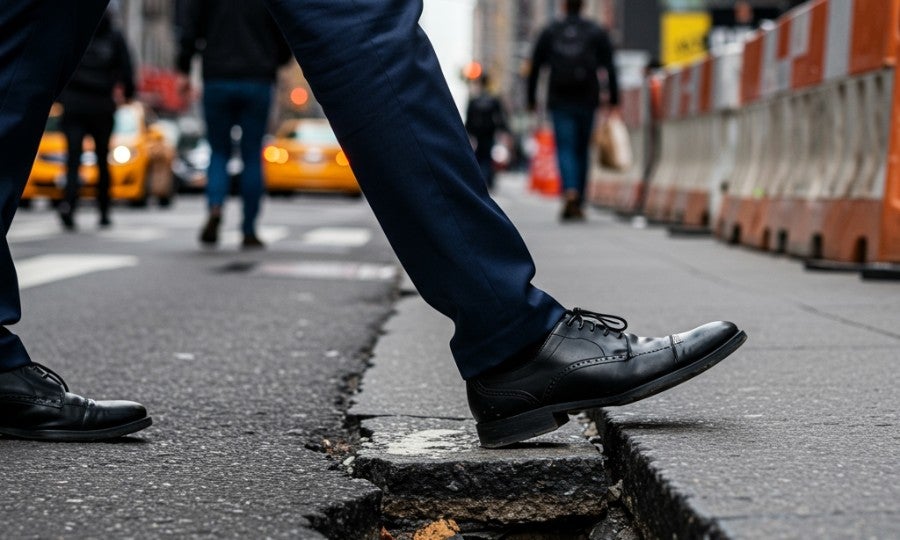
New York City, known for its diverse neighborhoods, iconic skyscrapers, and bustling streets, is a place where millions walk, work, and live every day. While its energy is infectious, the sheer volume of pedestrian traffic, combined with unique environmental and infrastructural challenges, creates a disproportionately high risk for slip and fall accidents. These incidents, generally dismissed as minor tumbles, can lead to devastating injuries, significant financial strain, and profound changes in a victim's life. The Pervasive Nature of Slip and Falls in NYC’s Urban Environment Slip and fall accidents are not mere clumsiness; they are often the direct result of hazardous conditions caused by negligence. In a city as dense and dynamic as New York, these hazards are ever-present. While precise city-specific, comprehensive real-time statistics can be elusive due to the nature of reporting and data aggregation, broader New York State and national data underscore the severity of the issue, with New York City being a major contributor to these numbers. For instance, national statistics indicate that falls account for a significant percentage of emergency department visits and hospitalizations, and in New York City, older adults (65+) alone experience approximately 30,500 emergency department visits, 16,600 hospitalizations, and 300 deaths each year due to falls. These figures hint at the scale of the problem across all age groups and locations within the city. Local Factors Contributing to High Slip and Fall Rates in New York City Several interconnected factors contribute to New York City's elevated slip and fall rates: Deteriorating Infrastructure and Uneven Surfaces New York City's infrastructure, while iconic, is also aging and constantly undergoing stress from heavy usage and environmental factors. Cracked and Uneven Sidewalks: From Manhattan's bustling avenues to the quieter residential streets of Brooklyn and Queens, cracked, buckled, and uneven sidewalks are a pervasive sight. Tree roots, utility work, age, and constant pedestrian traffic all contribute to these hazards. NYC Administrative Code §7-210 places the responsibility for maintaining sidewalks in safe condition primarily on the adjacent property owners, making them liable for injuries caused by their failure to do so. With that said, ensuring consistent compliance across millions of properties is a monumental task. Damaged Stairs and Steps: Many of the city's pre-war buildings, brownstones, and even newer commercial establishments feature numerous staircases. Worn, broken, or uneven steps, coupled with loose or missing handrails, create treacherous conditions, especially in dimly lit stairwells. Building codes dictate specific requirements for stair construction and maintenance, but violations are unfortunately common. Potholes and Street Defects: While primarily a concern for vehicles, pedestrians are also vulnerable to potholes and other street defects when crossing streets or navigating poorly maintained parking lots, especially in outer boroughs. Subway and Public Transit Hubs: New York's vast subway system, bus terminals, and train stations are high-traffic areas where aging infrastructure, crowded platforms, and rushed commuters converge. Loose tiles, wet floors from leaks or spills, and poorly maintained stairs or escalators within these public transit areas frequently lead to falls. The Metropolitan Transportation Authority (MTA) often faces lawsuits stemming from such incidents, highlighting the persistent maintenance challenges. Extreme and Variable Weather Conditions New York City experiences all four seasons, and its harsh winters and humid summers significantly impact surface conditions. Snow and Ice Accumulation: The city's winters are notorious for heavy snowfall and freezing temperatures. While property owners are legally required to clear snow and ice from adjacent sidewalks within specific timeframes (e.g., within 4 hours after snow stops falling, or by 9 am if it falls overnight), compliance varies. The freeze-thaw cycle is particularly insidious, creating "black ice" – a nearly invisible, extremely slick layer of ice that forms when melted snow refreezes. This is a major cause of severe slip and fall injuries during the winter months. Rain and Wet Surfaces: Frequent rain, especially during spring and fall, leads to slick sidewalks, building entrances, and polished indoor floors. Water tracked into buildings from outside creates immediate slip hazards, particularly in retail stores, office lobbies, and residential building entrances that lack adequate mats or proper warning signs. Poor drainage systems on properties can exacerbate the issue, leading to persistent puddles. Humidity and Condensation: High summer humidity can also lead to condensation on smooth indoor surfaces, making them unexpectedly slippery. High Density and Overcrowding The sheer number of people in New York City, particularly in commercial districts, transportation hubs, and popular attractions, amplifies the risk. Reduced Visibility of Hazards: In crowded environments, it's harder for pedestrians to see potential hazards on the ground, whether it's a spill, an uneven surface, or debris. Rushing and Impatience: The fast-paced New York lifestyle often leads to people rushing, which can decrease their awareness of their surroundings and increase the likelihood of missteps on hazardous surfaces. Collisions with Others: In packed spaces, a stumble can easily turn into a fall if a person bumps into others, losing balance. Commercial Property Negligence and Poor Maintenance Businesses, landlords, and property management companies have a legal duty to maintain their premises in a reasonably safe condition for visitors. Based on this, negligence often occurs. Unaddressed Spills and Debris: In supermarkets, restaurants, retail stores, and office buildings, spills (liquid, food items, grease), discarded packaging, or debris can create immediate and dangerous slip hazards if not promptly cleaned up or cordoned off with warning signs. Improper Cleaning Practices: Floors that are improperly mopped, waxed, or polished can become excessively slippery. Failing to use proper "wet floor" signs or allowing floors to remain wet after cleaning can constitute negligence. Worn or Damaged Flooring: Loose tiles, torn carpets, bulging linoleum, or worn-down anti-slip surfaces can all contribute to falls. Inadequate Lighting: Poor lighting in stairwells, hallways, parking garages, and even store aisles can obscure hazards, making it difficult for individuals to see and avoid dangerous conditions. This is a common issue in older buildings or poorly managed properties. Lack of Mats or Warning Signs: Entrances and exits, especially during inclement weather, require appropriate non-slip mats and clear warning signs for wet floors. Failure to provide these can directly lead to falls. Construction Activity and Debris New York City is in a constant state of construction and renovation. While essential for growth, construction sites often pose significant slip and fall risks. Construction Debris: Materials, tools, wires, and waste left haphazardly on sidewalks or within construction zones can create tripping hazards. Uneven Temporary Surfaces: Pedestrians are often rerouted onto temporary pathways that may be uneven, poorly lit, or inadequately maintained. Wet or Muddy Conditions: Construction sites can become muddy or wet, especially after rain, leading to slippery surfaces that extend beyond the immediate work zone. New York Labor Laws (e.g., Labor Law 240/241): While often associated with falls from heights, New York Labor Law also has provisions that can apply to certain slip and fall accidents on construction sites, particularly if they are related to gravity-related risks or specific safety standards not being met. This specialized area of law can provide additional avenues for recovery for injured workers. Premises Liability Laws in New York New York's premises liability laws are complex, requiring victims to prove that the property owner or responsible party was negligent. This typically involves demonstrating that the owner either: Created the dangerous condition. Had actual knowledge of the dangerous condition but failed to address it. Should have known about the dangerous condition (constructive knowledge) through reasonable inspection and failed to address it. The concept of "constructive knowledge" requires the plaintiffs to show that the hazard existed for a sufficient period of time that a reasonably diligent property owner would have discovered and rectified it. This can be challenging to prove and requires thorough investigation and evidence gathering. New York also follows a comparative negligence rule, meaning that if an injured party is found to be partially at fault for their fall (e.g., by being distracted or wearing inappropriate footwear), their compensation may be reduced proportionally. The Human Cost: Common Injuries from Slip and Falls The injuries sustained in a slip and fall accident in New York City can be severe and life-altering, particularly for older adults. Common injuries include: Fractures and Broken Bones: Wrists, arms, hips (especially in the elderly), ankles, and kneecaps are frequently fractured. Head Injuries: Concussions, traumatic brain injuries (TBIs), and contusions can result from hitting one's head, even on seemingly soft surfaces. Sprains and Strains: Ligament and muscle damage to ankles, knees, wrists, and shoulders are common. Back and Spinal Cord Injuries: Herniated discs, slipped discs, and more severe spinal cord damage can lead to chronic pain, mobility issues, or even paralysis. Soft Tissue Injuries: Bruises, lacerations, and contusions. These injuries require extensive medical treatment, rehabilitation, and can lead to long-term disability, lost income, and a diminished quality of life. Get Legal Representation from Our NYC Slip and Fall Injury Lawyers A slip and fall accident in New York City is rarely "just an accident." More often than not, it is the direct result of a property owner's negligence or failure to uphold their legal duty to maintain a safe environment. When you've suffered a serious injury due to someone else's carelessness, the intricate legal landscape of premises liability in New York State and New York City can be overwhelming. This is why you need the experienced, top-rated, and dedicated NYC slip and fall injury lawyers at Rosenberg, Minc, Falkoff & Wolff, LLP. Here's why our law firm stands as your high-powered advocate: Thorough Knowledge of New York Premises Liability Law For four generations, since 1922, Rosenberg, Minc, Falkoff & Wolff, LLP has been at the forefront of personal injury claims in New York City. Our firm possesses a deep and nuanced understanding of all relevant New York State and City laws, including NYC Administrative Code §7-210, which governs sidewalk maintenance, as well as the broader principles of premises liability. We know the specific building codes, municipal ordinances, and case precedents that apply to various types of slip and fall hazards – be it an icy sidewalk in Midtown, a wet floor in a Queens supermarket, a broken step in a Brooklyn brownstone, or debris at a Manhattan construction site. This specialized knowledge is critical for building a robust case and proving the property owner's negligence. A Proven Legacy of Success: Over $1 Billion Recovered Our track record speaks for itself. We have successfully recovered over $1 billion for injured New Yorkers, a testament to our relentless advocacy and legal prowess. Our success rate for injured clients stands at over 95%. When you choose Rosenberg, Minc, Falkoff & Wolff, LLP, you are aligning with a firm that consistently secures substantial verdicts and settlements, demonstrating our ability to maximize compensation for victims of serious slip and fall injuries. Our New York City slip and fall accident attorneys understand the true financial, physical, and emotional toll these accidents take, and we fight tirelessly to ensure you receive full and fair compensation for your medical expenses, lost wages, pain and suffering, and other damages. Aggressive Trial Lawyers Who Aren't Afraid to Fight Many personal injury firms focus solely on quick settlements. At Rosenberg, Minc, Falkoff & Wolff, LLP, we are trial lawyers. We diligently prepare every case as if it will go to trial, leaving no stone unturned in our investigation. This includes: Thorough Scene Investigation: Documenting the hazardous condition with photos and videos, obtaining incident reports, and seeking out witness statements. Expert Witness Collaboration: Consulting with safety engineers, weather experts (for icy conditions), and medical professionals to establish the hazardous nature of the condition and the extent of your injuries. Legal Research and Discovery: Uncovering property maintenance records, inspection logs, and prior complaints to demonstrate the owner's actual or constructive knowledge of the hazard. Our comprehensive preparation may compel insurance companies to offer fair settlements, knowing we are fully prepared to take your case before a judge and jury if necessary. Our partner, Daniel C. Minc, is widely recognized for his formidable trial skills, ensuring that your case will be presented with power and conviction in court. Well-versed with Complex Liability Claims Slip and fall cases in New York City are met with vigorous defenses, where property owners may attempt to argue "lack of notice" or "open and obvious condition," or even blame the victim through comparative negligence. Our NYC slip and fall accident lawyers are skilled at: Establishing Notice: We know how to gather evidence that demonstrates the property owner created the hazard, or had actual knowledge of it, or should have known about it through reasonable inspection and maintenance. Countering "Open and Obvious": We challenge claims that the hazard was so obvious you should have seen and avoided it, especially in crowded or dimly lit environments. Minimizing Comparative Negligence: If there’s any argument about your partial fault, we work strategically to minimize your attributed share, thereby protecting your right to maximum compensation under New York's comparative negligence rules. Comprehensive Damages Assessment for Maximum Recovery A serious slip and fall injury can lead to lifelong consequences. Our firm goes beyond immediate medical bills to calculate the full spectrum of your damages, ensuring you are compensated for: Past and Future Medical Treatment: Hospitalization, surgeries, physical therapy, medications, and long-term care needs. Lost Wages and Earning Capacity: Compensation for income lost due to time off work and the potential impact on your future ability to earn a living. Pain and Suffering: Significant damages for the physical agony, emotional distress, mental anguish, and loss of enjoyment of life that you endure. Disfigurement and Permanent Impairment: If your injuries result in lasting physical changes or limitations. Household Services and Other Economic Losses: Costs for help around the house, assistive devices, or other expenses directly related to your injury. Client-Centric Approach: Your Recovery is Our Priority We understand the immense stress and physical challenges you face after a slip and fall accident. Our firm is dedicated to making the legal process as seamless as possible for you. We handle all aspects of your claim, from initial investigation to negotiations and litigation, allowing you to focus on your recovery. Our philosophy emphasizes strong, healthy, and ongoing communication. Our slip and fall accident attorneys in New York City are always ready to answer your questions, address your concerns, and keep you informed every step of the way. Contingency Fee Basis: No Win, No Fee At Rosenberg, Minc, Falkoff & Wolff, LLP, we operate on a contingency fee basis. This means you owe no attorneys' fees unless we successfully recover compensation for you. This ensures that financial concerns do not prevent you from accessing the top-tier legal representation you need. In a city as dynamic and sometimes hazardous as New York, slip and fall accidents are an unfortunate reality. When negligence causes serious injury, you need a legal team with the experience, resources, and dedication to fight for your rights. Choose the NYC slip and fall injury lawyers at Rosenberg, Minc, Falkoff & Wolff, LLP to recover the maximum compensation for your injuries and losses. To schedule your free consultation, call us at 212-344-1000 or contact us online. Robert Wolff Robert H. Wolff is a member and partner of the prestigious New York City Personal Injury Law Firm of Rosenberg Minc, Falkoff, & Wolff, LLP. Mr. Wolff graduated from SUNY Albany, cum laude, in 1978 with a B.A. in Psychology and American History. Thereafter, he attended St. John’s University School of Law, where he was a member of the Moot Court Team and the Criminal Law Society, graduating in 1981 with a Juris Doctor’s degree.
NYC MTA Slip and Fall Lawyer

NYC MTA Slip and Fall Lawyer | RMFW Law

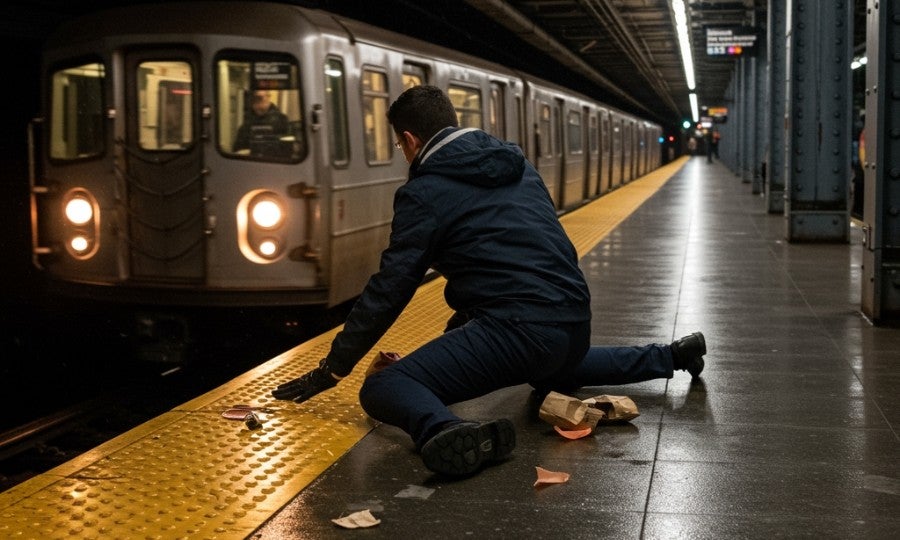
New York City's Metropolitan Transportation Authority (MTA) operates one of the most extensive public transit systems in the world. Millions of commuters and tourists rely on its subways, buses, and commuter rail lines daily. While convenient, this vast network also presents inherent risks. Slip and fall accidents, unfortunately, are a significant source of injury for many individuals navigating platforms, stairs, and even the vehicles themselves. These incidents lead to severe physical, emotional, and financial burdens for victims. At RMFW Law, we understand the unique legal challenges involved when pursuing claims against a public authority like the MTA. Our team possesses the expertise necessary to guide you through the complexities of New York's specific notice requirements and strict deadlines, ensuring your rights remain protected. If you suffered an injury in an MTA-related slip and fall, we are here to help. The Unseen Dangers of NYC's MTA System MTA properties, including subway stations, bus stops, and train interiors, are bustling environments. Consequently, hazards can develop quickly and unexpectedly. Many factors contribute to slip and fall accidents within this intricate system, often catching passengers off guard. Understanding these common risks is crucial for both prevention and for building a strong legal case. Common Causes of MTA Slip and Fall Accidents: Slippery Surfaces: Water, spilled beverages, oil, or even recently mopped floors without adequate warning signs create extremely hazardous conditions. Rain and snow frequently track into stations and onto vehicles, making surfaces slick. Debris and Obstructions: Litter, discarded food, broken glass, or other foreign objects on platforms, stairs, or within train cars can easily cause someone to lose their footing. The MTA must regularly inspect and clean these areas. Uneven or Damaged Surfaces: Cracked or broken platform edges, potholes in bus lanes, loose flooring, or worn-out stair treads pose significant tripping hazards. A sudden change in elevation can lead to a severe fall. Poor Lighting: Inadequate lighting in stairwells, on platforms, or within dimly lit train cars can obscure dangerous conditions, preventing passengers from seeing potential obstacles or slippery spots. Sudden Movements: Abrupt stops, starts, or sudden lurches of trains and buses can throw passengers off balance, especially if they are standing or preparing to exit. While some movement is expected, excessively violent maneuvers may indicate negligence. Overcrowding: Extremely crowded conditions, particularly during rush hour, limit visibility and make it difficult to navigate safely, increasing the risk of being jostled or falling. These hazards, individually or in combination, can lead to serious injuries, dramatically impacting a victim's life. Navigating the Legal Maze: Suing the MTA for Slip and Fall Injuries Suing a government entity, such as the MTA, differs significantly from filing a claim against a private individual or company. New York law imposes specific procedural requirements and tighter deadlines for claims against public authorities. Failing to adhere to these rules can result in the dismissal of your case, regardless of its merits. Therefore, engaging an experienced legal team early is paramount. The Critical Requirement: Filing a Notice of Claim The most crucial initial step in any personal injury claim against the MTA is filing a formal document called a Notice of Claim. This document officially notifies the MTA of your intent to sue and provides essential details about the accident, your injuries, and the alleged negligence. The MTA is governed by Public Authorities Law § 1276, which mandates this requirement. Strict Deadline: You must file the Notice of Claim within 90 days of the date of your accident. This deadline is strictly enforced. Missing it almost always bars your ability to pursue compensation. Contents of the Notice: The Notice of Claim must include your name and address, the nature of your claim, the time, place, and manner in which the claim arose, and the injuries sustained. Purpose: The Notice allows the MTA to investigate the incident promptly while evidence is fresh and witnesses are available. Properly preparing and filing this document requires precision and a thorough understanding of legal requirements. RMFW Law meticulously handles this process for our clients, protecting their right to seek justice. Statute of Limitations Beyond the 90-day Notice of Claim, you also face a specific statute of limitations for filing a lawsuit. For most personal injury cases against the MTA, you generally have one year and ninety days from the date of the accident to commence a lawsuit. However, exceptions and nuances exist, making legal counsel indispensable. Proving Negligence Against the MTA To succeed in an MTA slip and fall case, you must prove that the MTA acted negligently and that this negligence directly caused your injuries. This involves demonstrating several key elements: Duty of Care: The MTA owes a duty to its passengers and the public to maintain its premises and vehicles in a reasonably safe condition. Breach of Duty: The MTA breached this duty by failing to repair a dangerous condition, failing to warn of a hazard, or failing to properly maintain its property. For example, leaving a wet spill uncleaned for an unreasonable amount of time constitutes a breach. Causation: The MTA's breach of duty may have directly caused your slip and fall accident and resulting injuries. Your injuries must be a foreseeable consequence of their negligence. Damages: You suffered actual damages, such as medical expenses, lost wages, pain and suffering, or other financial losses due to your injuries. Actual vs. Constructive Notice A critical aspect of proving negligence against the MTA involves demonstrating that they had 'notice' of the dangerous condition. This can be: Actual Notice: The MTA directly knew about the hazard (e.g., an employee saw the spill and did nothing, or a report was filed). Constructive Notice: The dangerous condition existed for a sufficient length of time that the MTA, in the exercise of reasonable care, should have discovered and remedied it. For instance, a broken stair step present for days might constitute constructive notice. Gathering evidence to establish notice is often challenging but essential for a successful claim. Our attorneys at RMFW Law diligently investigate these details. What to Do Immediately After an MTA Slip and Fall Accident Your actions immediately following an accident can significantly impact your legal claim. Therefore, take these steps seriously: Seek Medical Attention: Your health is paramount. Even if you feel fine initially, consult a doctor. Some injuries, especially head or internal injuries, may not manifest symptoms immediately. Medical records also provide crucial evidence for your claim. Report the Incident: Notify MTA personnel (e.g., station agent, bus driver, conductor) about your fall immediately. Ask for an incident report and obtain a copy if possible. Document Everything: If safe to do so, take photos and videos of the accident scene. Capture the specific hazard that caused your fall, the surrounding area, and any visible injuries. Note the date, time, and location precisely. Gather Witness Information: If anyone saw your fall, ask for their names and contact information. Their testimony can be invaluable. Do NOT Give Recorded Statements: The MTA or its representatives may contact you. Politely decline to give any recorded statements or sign any documents without consulting with your attorney first. Contact a Personal Injury Lawyer: As soon as possible, speak with an attorney experienced in MTA slip and fall cases. They will advise you on your rights and ensure you meet all critical deadlines, especially the 90-day Notice of Claim. Common Injuries from MTA Slip and Fall Accidents Slip and fall incidents on the MTA can result in a wide range of injuries, from minor to life-altering. These may include: Fractures (wrists, ankles, hips, legs) Sprains and strains (ankles, knees, back) Head injuries, including concussions and traumatic brain injuries (TBIs) Spinal cord injuries (herniated discs, nerve damage) Soft tissue damage (ligament and tendon tears) Cuts, bruises, and lacerations These injuries often require extensive medical treatment, rehabilitation, and can lead to significant time away from work, resulting in substantial financial losses and emotional distress. How RMFW Law Protects Your Rights After an MTA Slip and Fall Dealing with the aftermath of an injury is overwhelming enough. Navigating a complex legal claim against a powerful entity like the MTA adds another layer of stress. RMFW Law stands ready to be your advocate. Expertise in MTA Cases: We possess a deep understanding of the unique laws and procedures governing claims against the MTA. We know what it takes to build a strong case. Timely Notice of Claim Filing: We ensure your Notice of Claim is prepared accurately and filed within the strict 90-day deadline, safeguarding your legal rights from the outset. Thorough Investigation: Our team meticulously investigates your accident, gathering critical evidence such as surveillance footage, maintenance records, witness statements, and expert testimony. Aggressive Representation: We negotiate fiercely with the MTA's legal team and, if necessary, litigate your case in court to pursue the maximum compensation you deserve for your medical bills, lost wages, pain and suffering, and other damages. Client-Centered Approach: We provide compassionate and personalized legal guidance, keeping you informed at every stage and addressing all your concerns. Do not face the Metropolitan Transportation Authority alone. Their legal resources are vast, but with RMFW Law by your side, you gain a powerful ally. We are committed to holding negligent parties accountable and helping you secure the justice and financial recovery you need to move forward. Contact RMFW Law today for a free, no-obligation consultation to discuss your MTA slip and fall accident. Free Case Consultation Injured in an accident? Contact Rosenberg, Minc, Falkoff & Wolff for a free and confidential case review with an experienced NYC personal injury attorney. Contact Us Follow RMFW Law for legal insights and case results: Facebook Instagram X (Twitter) Pinterest Yelp YouTube Gary Silverstein Gary Silverstein has been a partner of Rosenberg, Minc, Falkoff & Wolff since 2001, and an associate of the firm since 1989. Mr. Silverstein graduated with a Bachelor of Science degree from State University of New York College at Oneonta in 1983. Mr. Silverstein holds a degree of Juris Doctor from the University of Miami School of Law, having graduated in 1988.