Request Free Consultation

Please fill out the form below for your free consultation or call us at 646-480-0830.

Request Free Consultation

No Fee Unless We Win

Blog / Wrongful Death

Death Due to Natural Causes in the Autopsy Report

The autopsy report says death due to natural causes, but is it really what it means?

Importance of an Autopsy Report in a Wrongful Death Case

In a wrongful death case, it is essential to attain the autopsy report because it helps determine whether there was wrongdoing that caused or contributed to the death of your loved one. A pathologist is a doctor who specializes in evaluating people who have died, and he is the doctor who will perform the autopsy. Pathologists will conduct a thorough internal examination to determine the cause of death. Many times the language they use in their reports will be ambiguous, and they do that for a number of reasons.

There is a prominent author named Patricia Cornwell who created a character named Dr. Kay Scarpetta. Scarpetta is a fictional medical examiner (ME) or pathologist if you ever want to learn about what this person does in more detail and be entertained simultaneously.

Death Due to Natural Causes can Mean Many Things

Therefore, when the pathologist writes down, death due to natural causes, it may not be that. Here is the reason why. When a person dies, the doctors are going to put down that the heart stopped, which means there was a cardiac arrest. Alternatively, they might put down that the lungs stopped, which means there was cardiopulmonary arrest. However, the real question is why those major organs stopped working properly.

Was it because of trauma, was it because of an accident, or was it because of a massive infection that was not diagnosed? What were the precise reasons for why those critical organs actually stopped? To understand that, ―you have to evaluate the entire autopsy report―you have to review all the medical reports to determine why your loved one died. Based on these events, when the pathologist automatically puts down, death due to natural causes, it may not be the true reason why the person died.

Protecting their Own

The next reason why a doctor may not accurately put down in clear phrases that another person could have caused this person's death is because typically one doctor does not like to point fingers at another doctor. Especially, when the death has occurred in the same hospital where the autopsy is being performed.

For instance, the death occurred in a particular hospital and they perform the autopsy in the same hospital. So what is the likelihood of the doctor who performs the autopsy actually pointing their fingers at another doctor or doctors in the same hospital? This may be one of the reasons why the language in the autopsy report does not clearly state that the person's death was due to improper medical care that they received in the same hospital.

An Independent Medical Review

Therefore, if you feel, your loved one has died due to some wrongdoing of the hospital or doctor; you need not give up your wrongful death case just because the autopsy report says death due to natural causes. Of course, this will be a setback, but you can hire a medical expert who can evaluate the autopsy report as a whole, and also look into the medical records of your loved one to figure out the actual cause of death.


Gary Silverstein

Gary Silverstein has been a partner of Rosenberg, Minc, Falkoff & Wolff since 2001, and an associate of the firm since 1989. Mr. Silverstein graduated with a Bachelor of Science degree from State University of New York College at Oneonta in 1983. Mr. Silverstein holds a degree of Juris Doctor from the University of Miami School of Law, having graduated in 1988.

Posted in:

Related Posts

Liable For Wrongful Death of a Child or Elderly Person

Who is Liable For Wrongful Death of a Child or Elderly Person?

Children and the elderly are highly vulnerable populations when it comes to suffering from the negligence of another person. Even the slightest disregard can cause them substantial injury, or worse, death. There is no pain worse than losing a loved one due to the inattention or lack of care of someone else. This is why the legal system has created “wrongful death claims.” Children and the elderly are highly vulnerable popula tions when it comes to suffering from the negligence of another person. Even the slightest disregard can cause them substantial injury, or worse, death. There is no pain worse than losing a loved one due to the inattention or lack of care of someone else. This is why the legal system has created “ wrongful death claims.” A wrongful death lawsuit allows the immediate family members of the deceased person to take the responsible party to the court to demand justice. In this post, you will learn how to proceed legally in case of wrongful death of a child or a senior. Wrongful Death of a Child in New York Children are extremely susceptible to life-threatening injuries from countless reasons. However, one common cause is negligence by doctors or medical staff during delivery. Of every 1,000 infants that are born in America, 6 to 8 of them suffer from a birth injury due to the carelessness of medical staff. But sometimes the error is so extreme, that the newborn dies before any medical attention can be given to them. Due to their developing bodies, little children are very sensitive to medical disregard. Even a minuscule error in dosage of certain medication can prove to be fatal to the child. But medical malpractice is not the only cause that’s responsible for wrongful death of a child. As one of the oldest law firms in New York, we have seen hundreds of cases where day care providers and toy manufacturers failed to do their duty and a child paid the ultimate price. What to do When a Child Dies Due to Someone’s Fault? The majority of states have a clear wrongful death law in place that allows the parents to recover compensation when their newborn or child is killed due to another’s misconduct. Most states also allow the parents to recover compensation for burial and funeral expenses, as well as the emotional loss. Unfortunately, New York is one of the few states which don’t recognize the latter kind of loss. If you are a parent in New York who has lost their baby, you can’t recover for your own loss and grief. You can only recover the actual monetary expenses like medical, funeral, and burial. Parents can also recover damages for the value of services the child would have provided to them, like doing household chores. Unless you have a powerful legal firm with tenacious injury attorneys on your side, it can be difficult to receive damages for wrongful death of a child in New York. How is Compensation Calculated? When an adult dies as a result of someone’s slack behavior, the financial loss suffered by their remaining family members is easier to quantify. For example, if a father or a mother dies, their children may seek damages for the loss of the parent’s income and emotional support. But when a newborn or a young child dies, the New York courts consider the following factors to determine the financial loss: The age of the child The life expectancy and work expectancy of the child The relationship of the child to the person filing the wrongful death lawsuit (i.e., parents or guardians) The age and health of the person filing the wrongful death lawsuit The monetary compensation in these cases is usually small since it’s so hard to quantify. The younger the child was, the more challenging it can be to determine how much monetary compensation their parents or guardians deserve. What If My Unborn Child Died Due to Medical Negligence in New York? If an unborn baby passes away due to some error or mishandling on the part of the doctor or anyone on the medical staff, a wrongful death lawsuit can be brought against them. If you think your unborn child would have survived if the doctor or a nurse hadn’t behaved in a certain way during labor, you may be able to sue them. Similarly, if you feel that the doctor handling the birth prescribed wrong drugs to the mother that harmed the child and/or mother, contributing to the death of the baby, you may be able to sue the doctor or the hospital for medical malpractice. But keep in mind that in New York, a wrongful death claim cannot be filed for the death of a fetus. You should talk to an attorney who is well-versed in NY wrongful death laws, as only they can help you determine whether you have a claim, and how to proceed if you do. Wrongful Death of an Elderly Loved One in New York Older individuals are also at risk of death due to the negligence of a caretaker or nursing home. You may have heard instances of nursing home abuse uncovered in news, where the aging patient succumbed to death because of the thoughtlessness of nursing home staff. Take this most recent case for example: two nursing home managers have been charged with criminal neglect for causing neglect that resulted in the death of several disabled and older patients. Despite knowing that some patients were COVID-positive, these “caretakers” intentionally allowed them to mingle with the rest of the healthy patients. As a result, a total of 76 patients died. There have been many similar instances where hospitals and nursing homes caused fatal illness to the older patients through errors in care, diagnosis, or medication. If you suspect that your elderly loved one has been a victim of negligence or medical malpractice, don’t let the liable party sweep the matter under a rug just because the person who passed away was “old”. Get in touch with a New York personal injury attorney to see whether you can file a wrongful death claim against the institution. How is Compensation Calculated? Speaking of financial recovery, the New York courts usually assume that an individual past the retirement age doesn’t have any considerable earning capacity. Also, most courts in the state operate on the premise that the adult children of senior individuals don’t need much financial support from their parents since, well, they are “adults”. However, there are cases in which the children or immediate family members of an elderly person may recover a fair compensation by filing a wrongful death claim. If you can prove that your elderly loved one was subjected to negligence or intentional abuse that caused them harm or led to their deaths, you will have a very solid case against the responsible party. The abuse could be emotional, sexual, physical, or even financial in nature. If it can be established that the nursing home staff or a caretaker mistreated the older adult, it will be considered “neglect” by the New York courts. And if this negligent behavior caused the wrongful death of the ageing individual, you can recover compensation for your loss. When you file a negligence or wrongful death claim against a nursing home or a care facility, you will need to demonstrate actual damages. Depending upon the case, you may be able to recover the following compensation: Medical expenses Funeral and burial expenses Loss of companionship Loss of consortium Pain and suffering Punitive damages (if the death occurred due to particularly egregious conduct) Proving Liability Against Nursing Homes and Care Facilities Long-term care facilities for the disabled and elderly in New York are notorious for always being understaffed. The overworked and underpaid staff in these places usually has little interest in providing attentive care to all the patients. Falls are already the leading cause of accidental deaths among people aged 65 years and older. But an even more alarming fact is studies show that 50-75% of residents in nursing homes suffer from falls-related injuries each year. Due to improper maintenance and lack of care, the following hazards contribute to these falls: Broken bed rails Bathtubs without handlebars Improper transfers and lifts from chair to chair, chair to toilet, or bed to chair Clutter and electrical cords lying in the open Improper lighting Unkempt wheelchairs Overmedication Wet floors Poor fitting clothing If you think that the nursing home or hospital or a caretaker failed to do their duty and it led to your loved one’s death, you may be able to sue them. To establish the negligence, you must first show that the nursing home or the responsible party owed a legal duty to the patient who was the victim of the abuse. Depending on the case, it may require testimonies from experts regarding the standard of care. Next, you’ll need to prove that the facility or its staff members violated the “duty of care” that they owed your loved one. Some of the most common signs that prove that an elderly person did not receive proper care include: Infection Weight loss Malnutrition Dehydration Bedsores Bruises and/or lacerations Broken bones In most cases of negligence, these signs are evident due to poorly trained staff, understaffing, or even intentional mistreatment. It is also possible that the facility hired a staff member without performing a thorough background check! Since elderly patients and residents are extremely vulnerable, it is critical they are protected from people with history of sexual abuse or violence against others. Speak to a Wrongful Death Attorney in New York To say, losing a loved one is hard, will be an understatement – especially when it did not have to happen. Seeking the guidance of a New York wrongful death attorney can make the road to justice a lot easier. The experienced and compassionate attorneys at Rosenberg, Minc, Falkoff & Wolff, LLP, have recovered over $1 billion in negligence and malpractice claims in New York, and we will be happy to assist you. With almost 100 years’ of experience under their belt, the tenacious attorneys and legal team at Rosenberg, Minc, Falkoff & Wolff, LLP, knows the wrongful death laws like the back of their hand. We can help you investigate your case and explore all the available legal options. We know that filing a lawsuit won’t bring your baby or elderly relative back, but it will help you get the peace and justice you so obviously deserve. To show you how much we care about our clients, we won’t charge you a penny until and unless we win your case. Call us at 212-344-1000 to schedule your free consultation with one of our experienced wrongful death attorneys in New York. Gary Silverstein Gary Silverstein has been a partner of Rosenberg, Minc, Falkoff & Wolff since 2001, and an associate of the firm since 1989. Mr. Silverstein graduated with a Bachelor of Science degree from State University of New York College at Oneonta in 1983. Mr. Silverstein holds a degree of Juris Doctor from the University of Miami School of Law, having graduated in 1988.
Personal Injury Victim Dies in New York

What Happens When a Personal Injury Victim Dies in New York?

The incidence of auto accidents in New York has increased over the years due to growing traffic on the roads. Data from the National Highway Traffic Safety Association shows that a majority of these automobile crashes arise from avoidable causes. Human errors such as speeding or driving under the influence of alcohol or distracted driving are unfortunately responsible for a very large number of serious car accidents. The incidence of auto accidents in New York has increased over the years due to growing traffic on the roads. Data from the National Highway Traffic Safety Association shows that a majority of these automobile crashes arise from avoidable causes. Human errors such as speeding or driving under the influence of alcohol or distracted driving are unfortunately responsible for a very large number of serious car accidents. The victim of a car accident is entitled to file a personal injury case against the party at fault for the crash. Unfortunately, it may so happen that someone who filed a car accident personal injury claim later dies due to their injuries. In such an event, the personal injury case gets converted into a wrongful death lawsuit in New York City. How is Wrongful Death Defined in New York? Under New York law, wrongful death is defined as death caused by an act of neglect, or default or a wrongful act that the deceased accident victim could have pursued for damages through a personal injury lawsuit if they had survived. When an accident victim dies from the injuries they suffered due to the accident, a lawsuit cannot be brought to court in their name; another party must bring the lawsuit on behalf of the deceased individual. The different events that qualify to be labeled as neglect, or default or wrongful act include: Medical malpractice incidents Incidents arising out of negligence, such as car accidents Intentional acts What Events Qualify for an NYC Wrongful Death Claim? Several circumstances may lead to the filing of a wrongful death claim in New York City. Some of the common ones include the following: Car accidents that result from the party at fault driving in a reckless manner or under the influence of drugs or alcohol Truck accidents involving passenger vehicles and large trucks or tractor-trailers Workplace accidents at manufacturing plants, construction sites and other hazardous occupations or work environments Medical malpractice cases that arise when doctors or hospitals do not provide the adequate care, or due to errors during anesthesia or surgery, or misdiagnosis, wrong prescriptions and use of defective medical devices or equipment Product liability cases in which someone is killed due to defective tools or appliances Crimes of violence such as homicide or assault or death that occurs due to crime What are the Elements Necessary to Claim Wrongful Death Damages in New York? Under the New York Estates, Powers, and Trusts Code, establishing a wrongful death claim requires one to produce evidence of these five elements: Death That the death was caused due to the negligent party’s wrong conduct That the deceased victim could have pursued this cause of action in court if they had not died That there are one or more persons in the family of the victim who have suffered a loss due to the death of the accident victim That there are damages that can be recovered by the victim’s estate Who Can File a Wrongful Death Lawsuit in New York? It is undoubtedly the deceased victim’s family members that are the ones most affected by their death. However, they are not eligible to bring a wrongful death lawsuit in New York. Under New York law it is only the personal representative or the executor of the estate of the deceased individual who can bring a wrongful death lawsuit to court. However, if a family member is also the executor or representative of the deceased victim’s estate, they may file a wrongful death claim. What Damages Can be Recovered in Wrongful Death Claims in NYC? The damages one may recover in a wrongful death claim will vary based on the specifics of the case. However, in general, it is known that damages may be awarded for the following losses in cases of wrongful death in New York. Burial and funeral expenses Expenses related to the medical and nursing care provided during the final illness or injury of the deceased person The conscious pain and suffering that the victim underwent due to their final illness or injury The financial loss incurred due to a loss of wages in the period between the victim’s illness or injury and their death The quantum of services and support that the deceased provided to the members of their family The value of care, guidance and nurturing the deceased provided to the surviving children The inheritance loss suffered by the deceased’s surviving children A figure of 9 percent interest on the amount awarded as damages, calculated from the day when death occurred What are the Time Limits for Filing a New York Wrongful Death Claim? Under New York’s statute of limitations, there are definite time frames within which damages claims must be brought. For wrongful death claims, this period is generally two years from the date when the accident victim died. After this period, no wrongful death claims will be allowed. There is no exception to this two year period even if the executor of the deceased person is a child or in any way incapable of legally filing the claim. Instead, in such cases, the guardian of the child or the incapable executor is allowed to file the wrongful death claim. However, there may be exceptions to this two-year limit as follows: In medical malpractice cases that turn fatal for the victim, the statute of limitations is 2.5 years from the date of their death. In case the event that caused the death has led to a criminal case too against the party at fault for the death, the statute of limitations will be one year from the date of the end of the criminal case. How Can You Prove a Wrongful Death Case in NYC? To be able to recover compensation in a New York City wrongful death lawsuit, it is important to establish fault of the other party. To be able to do this, you will have to prove that: The defendant was legally obliged to exercise due care towards the deceased The party at fault breached this legal obligation and behaved in a negligent manner The death of the victim was a direct outcome of the negligence or intentional actions of another person. There was economic and non-economic loss you suffered due to the wrongful death of the victim If the victim had survived the accident, they could have brought a personal injury lawsuit and The estate of the victim is entitled to receive damages that resulted from the accident. If you bring a wrongful death claim, the burden of proving these crucial elements is on you. This can be quite a complex task for someone who does not know the ways that legal systems function. That is why it makes sense to engage the services of an expert wrongful death claims attorney in New York to handle your lawsuit. An important aspect to consider when bringing a wrongful death claim is the employment status of the deceased at the time of death. Even in cases where the deceased person was unemployed at the time of their death, it is possible to claim compensation for other damages such as their pain and suffering before death and the loss of parental guidance and companionship caused by their death. Who Receives the Compensation in Wrongful Death Cases? Under New York laws, the settlement funds are distributed as per the following guidelines. If the deceased has a spouse and children, the spouse will get $50,000 and 50 percent of the settlement balance. The remaining 50 percent is divided among the children equally. If there are no children, the entire settlement amount goes to the spouse. If there is no spouse, but there are children, the settlement gets equally divided among them. In the event of the deceased having neither a spouse nor children, the entire settlement amount is given to their parents. Get in Touch with an Experienced NYC Wrongful Death Claim Attorney Today Losing a loved one to a fatal accident can be devastating and cause immense emotional pain that may take years to heal. Under such overwhelming circumstances, it can be difficult to find the energy to deal with a lawsuit. However, it is important to pursue legal action to obtain the compensation to which the law entitles you, and also to make the negligent party pay for their fault. At Rosenberg, Minc, Falkoff & Wolff, LLP, our compassionate wrongful death lawyers have helped several families deal with the upheaval caused by losing a loved one in accidents. When you sign us on, we will take care of all the work that goes into building a strong wrongful death claim, so that you do not need to find the mental energy to deal with these aspects, and can, instead focus on healing from your hurt. To know more about how we can help you recover the damages due to you, c all Rosenberg, Minc, Falkoff & Wolff, LLP today at 212-344-1000 or contact us online for a free and confidential consultation. Gary Silverstein Gary Silverstein has been a partner of Rosenberg, Minc, Falkoff & Wolff since 2001, and an associate of the firm since 1989. Mr. Silverstein graduated with a Bachelor of Science degree from State University of New York College at Oneonta in 1983. Mr. Silverstein holds a degree of Juris Doctor from the University of Miami School of Law, having graduated in 1988.
Parents of Portland Man Who Died in Apt. Fire File Suit Wrongful Death

Parents of Portland Man Who Died in Apt. Fire File Suit Wrongful Death

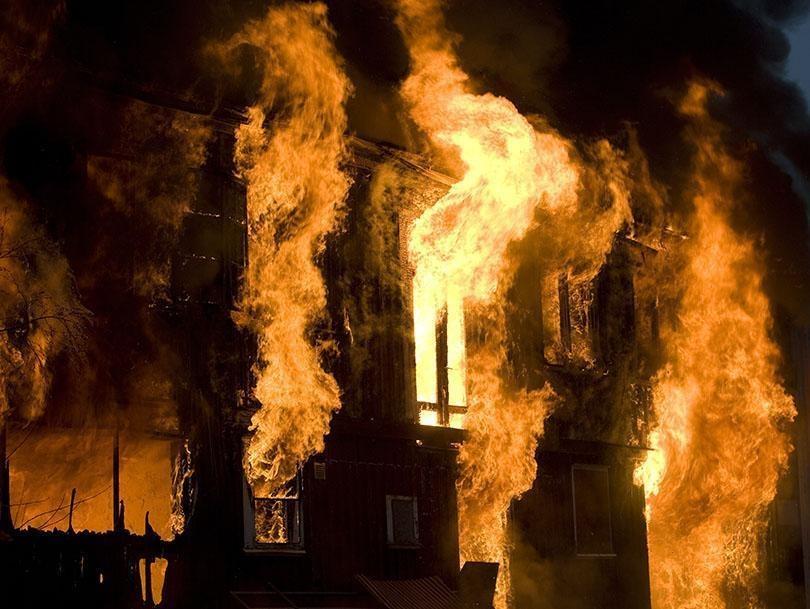
The parents of an Oregon man who died of burn injury after a fire in his apartment in Northeast Portland have taken legal action against the building owner Firestarter and the accused assailant Ryan Thomas Monaco. Batool Alhaji and Ali Alhaji, the parents of the victim Taher Ali Alhaji, have filed a $6 million wrongful death lawsuit against Firestarter and Ryan Thomas Monaco, according to a report. The parents of an Oregon man who died of burn injury after a fire in his apartment in Northeast Portland have taken legal action against the building owner Firestarter and the accused assailant Ryan Thomas Monaco. Batool Alhaji and Ali Alhaji, the parents of the victim Taher Ali Alhaji, have filed a $6 million wrongful death lawsuit against Firestarter and Ryan Thomas Monaco, according to a repor t. The Charges Police reports suggest that Monaco went to the apartment where his ex-girlfriend resided with Jason Miller and Alhaji. He allegedly set a couch on fire in the apartment, which resulted in the dead of Miller and Alhaji. Monaco’s ex-girlfriend, Ashley Mercier, had left the apartment before the fire. The entire incident started after a heated discussion at the apartment and was described by Mercier as ‘a nightmare.’ Police recovered text messages sent from Monaco to Mercier that contained multiple threats, including a threat to set her apartment couch on fire. They even recovered surveillance camera footage of Monaco going to the apartment and then fleeing the fire scene shortly after. When the first responders and authorities arrived at the scene, the victims had already died. They recovered two bodies from the apartment, along with the corpses of a dog and several reptiles. Monaco was charged with three counts of arson, four counts of aggravated murder, strangulation, and four animal abuse counts. Other charges lifted the total indictments to 17. Batool Alhaji and Ali Alhaji sued Monaco as the main culprit, as well as the apartment owner, Farhoud Mohommad, and the apartment manager, Moe Farhoud, for failure to keep a functional fire detection and escape system in the building. The Legal Aspect A wrongful death claim involves a lawsuit filed by the victim’s next of kin. They can press charges to get economic and non-economic compensation for their loved one's loss of life. The economic compensations include the loss of inheritance, loss of benefits, loss of contributing salary from the deceased, and the medical and funeral costs. The non-economic compensations have more value than the economic ones since they are less tangible. Tahir Ali Alhaji’s parents sued over non-economic damages in this case. Cases of wrongful or accidental death can be of many sorts: personal injury, medical malpractice, car accidents, weak working conditions, etc. Contact a Personal Injury Lawyer NYC If you live in NYC and think a loved one had wrongful death or suffered a personal injury, you can file a lawsuit. However, it is imperative to discuss the case with a competent personal injury lawyer in New York before taking legal action. A good personal injury attorney will discuss the relevant laws with you, assess the evidence, and determine the strength of the case. If it makes sense to press charges, the lawyer will say so and provide you with the legal roadmap to file and pursue the lawsuit. Different lawyers specialize in different sorts of cases. Specializations for wrongful death cases could include a burn injury lawyer, road accident lawyers, pedestrian injury lawyer, personal injury lawyer, etc. Contact us on 212-344-1000 today to discuss your case with our legal experts. During the free and confidential consultation, our personal injury and wrongful death attorney will tell whether it is suitable to go ahead with a lawsuit and if there’re any chances of success. Gary Silverstein Gary Silverstein has been a partner of Rosenberg, Minc, Falkoff & Wolff since 2001, and an associate of the firm since 1989. Mr. Silverstein graduated with a Bachelor of Science degree from State University of New York College at Oneonta in 1983. Mr. Silverstein holds a degree of Juris Doctor from the University of Miami School of Law, having graduated in 1988.